置身于汽车行业百年未有之大变局,作为传统车企中的排头兵,广汽集团近年来取得了骄人业绩,不论是整体产销规模,还是新能源汽车产业化、新技术领域开拓等,都呈现节节攀升的局面。广汽集团总经理冯兴亚先生也于近日获评福布斯中国“2022中国最佳CEO”【1】。在与麦肯锡全球董事合伙人管鸣宇及全球副董事合伙人周冠嵩的对话中,冯兴亚先生从产业变局、创新之道、未来展望等多个角度分享了他的行业洞见。
受访者:
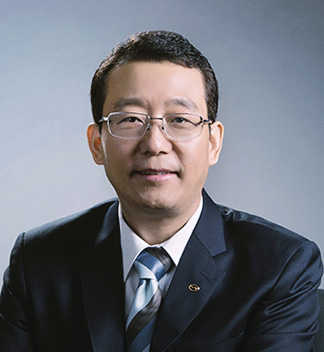
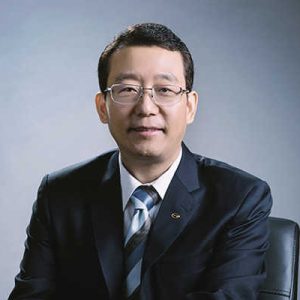
冯兴亚,1969年出生,硕士研究生学历,获得工商管理硕士学位,现任广州汽车集团股份有限公司总经理。冯兴亚先生2008年3月被广州市委、市政府评为“广汽集团十年发展突出贡献先进个人”,2009年被中国人力资源和社会保障部、中国机械工业联合会评为全国机械工业劳动模范先进工作者, 2018年5月荣获中华全国总工会颁发的“安康企业家”称号,2022年8月获评福布斯中国2022中国最佳CEO。CXO UNION-CXO联盟(cxounion.cn)
访谈者:
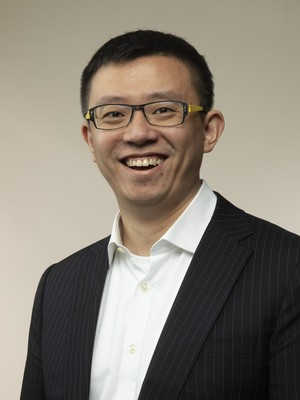
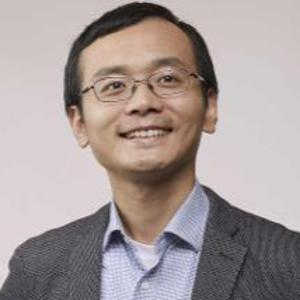
一、中国汽车产业“百年未有之大变局
麦肯锡:首先恭喜您获评福布斯中国“2022中国最佳CEO”,并且是唯一上榜的国有控股汽车企业集团CEO,也非常感谢您接受我们的专访。业界都说,中国汽车行业正在经历“百年未有之大变局”,作为广汽的CEO,您会怎样解读这一论述?展望2030年,在产业巨变的背景下,全球汽车产业会呈现怎样的态势,会有哪些发展大方向?CXO UNION-CXO联盟(cxounion.cn)
冯兴亚:谢谢您的祝贺,也很高兴能与麦肯锡对话。“百年未有之大变局”这个说法非常贴切,体现在方方面面。作为广汽集团总经理,我的体会有如下几点:
首先是国际形势的变化。早在2017年我们就开始筹划对某些发达国家市场的出口,但后来由于关税税率的剧烈变化,项目不再可行;之后随着局势的变化,影响不再局限于关税税率,也包括产业政策的剧变等。CXO UNION-CXO联盟(cxounion.cn)
其次是汽车行业本身的变局,即所谓的“新四化”,其中又以电动化和智能网联化为核心。就电动化而言,中国市场的变化可谓“一日千里”:目前电动汽车市占率已接近30%,等于提前三年实现了原先政府规划2025年达到25%的目标。在“双碳”大背景下,电动汽车的发展会继续提速,预计到2030年中国的电动汽车渗透率至少达到50%。就智能网联化而言,汽车已逐步从普通交通工具进化为智能移动空间,甚至最终会成为无人驾驶的智能移动空间,后者虽尚未商品化,但趋势已确定无疑。到2030年,即便是连片的城市社区,只要条件合适且具备合适的场景,也必然能实现无人驾驶,我对此充满信心。除了对人力与时间的解放,无人驾驶也能创造巨大的商业价值:目前,一名全职司机的总用工成本约为每年20万元,五年就是100万元。在无人驾驶的场景下,哪怕相关的软硬件成本达到50万元,车辆运营方还是能实现50万元的盈余。所以到2030年,特定场景下的无人驾驶车队会大量出现。CXO UNION-CXO联盟(cxounion.cn)
第三是产业链布局的变化。汽车行业是典型的“全球化”产业,在以本地采购为主的同时,零部件跨国采购也同样普遍。但随着国际局势的变化,叠加芯片短缺及疫情影响,因某些供应节点的停转而导致下游整车停产的现象屡见不鲜。供应链瓶颈本身不是新课题,之前也会零星发生,但几乎都能很快得到解决;而目前的供应危机已持续了近三年,且看不到全面好转迹象,这是我从业30余年来绝无仅有的经历。企业能否实现经营目标,已不再单纯取决于市场接受度,而越来越受到供应链制约。另一个问题是电动汽车快速发展带来的矿物原材料价格上涨。为了确保电池供应,很多主机厂已开始关注最上游的矿业开发,这是之前无法想象的。这些全局性的供应链问题,已脱离了若干临时性应急手段的干预范围,需要我们花大力气去思考与布局。
麦肯锡:传统的说法是“让专业的人做专业的事”,所以汽车行业也慢慢形成了链式布局,即主机厂类似“链长”的角色,通过Tier 1、Tier 2等供应商完成分工。但现在很多车企开始布局一些细分供应链,远超以往主机厂会涉及的范围,给传统格局带来了巨大冲击。您觉得这是一个暂时性现象,还是说传统的链式模式会被彻底颠覆?CXO UNION-CXO联盟(cxounion.cn)
冯兴亚:这是由产业变革带来的连带性变革;而连带性变革会持续多久,取决于产业变革何时完成。任何新生事物的发展逻辑都是发端于变化,逐渐企稳,最后固化;后起的新生事物又重复这样的周期。从这个角度看,上述供应链变局不会是一个短期现象,因为整个行业至少还需要十年才能完成电动化、智能化的变革。同时,行业的竞争逻辑也会发生变化,即从之前的拼品质、拼成本、拼交付,过渡到拼创新——哪怕十年后智能电动汽车产品趋稳或固化了,也会有新的创新点成为衡量竞争力的新标杆,例如拼用户运营、拼场景等。无论如何,汽车行业已不可能回到之前那种极其稳定的状态了。CXO UNION-CXO联盟(cxounion.cn)
二、成功之道:创新是穿越周期的护身符
1 科技创新
麦肯锡:最近几年,广汽集团在产销规模、电动汽车产业化、新技术及新业态的开拓等方面取得了骄人业绩,请问这背后的成功秘诀是什么?
冯兴亚:最关键的还是创新能力。我之前提到了新生事物“变化、企稳、固化”的周期,想要成功穿越这个周期,创新是最可靠的护身符。具体而言,包括科技创新、商业模式创新、管理与机制创新等。
首先说科技创新,这是其他体系能力的根本支撑,如电动化、自动驾驶、软件定义汽车、场景设计及洞察、用户关系重构等。CXO UNION-CXO联盟(cxounion.cn)
广汽在两大核心技术领域进行了重点布局,即动力电池和智能网联。动力电池是最核心的零部件,会根本性地决定企业今后在电动汽车领域的竞争力,我们不能将如此重要的业务完全交给产业链去实现,所以在电池领域持续投入。但电化学本身,光靠车企自身的投入,不可能涵盖所有细分技术,由此我们解决电池需求的策略是:三分之一由自己生产,以确保技术领先、供应稳定以及成本优势;三分之一来自与优秀企业的合资合作;还有三分之一从市场上采购。智能网联是另一个重点领域,特别是以“中央集成+域控制器”为核心的新一代电子电器架构。这是无人驾驶的核心,而我对无人驾驶的信心是坚定不移的。CXO UNION-CXO联盟(cxounion.cn)
以上是我们的两个重点领域,我们进行了大手笔投资;在其他领域则会通过战略合作的方式来达成共赢,比如,我们与头部企业成立了智能座舱合资公司,入股了一些高级辅助驾驶领域的初创企业,在自动驾驶领域也开展了一些合作项目。
麦肯锡:您说到的这些重点领域,全球范围内很多车企也在布局。大家都做类似的事情,最终会不会出现每家车企都在“重复发明车轮”的局面,造成资源的浪费?
冯兴亚:究竟要自己做,还是依靠别人,取决于这项技术到底能否买来,是否关乎品牌特色和竞争力。即使在燃油车时代,由于动力的输出特性是燃油车时代的核心特色,大家都希望“人无我有,人有我优”,因此市场上很难批量购买到高质量的发动机,车企几乎都对发动机进行了高强度投入。归根结底,是否需要对某项技术进行布局,首先取决于技术本身的独特性,其次是车企能否具备掌控力。这里的掌控力并非某种野心,而是对车企业务连续性的基本保障。为什么大家对传统的Tier 1很放心,就是因为他们能保证持续供应。但经历了这么多的供应链危机后,这样的稳态显然被打破了,不可能不影响车企的投资决策。CXO UNION-CXO联盟(cxounion.cn)
2 商业模式创新
麦肯锡:在商业模式创新上,广汽集团又有哪些布局及考量?
冯兴亚:关于商业模式创新,埃安在构筑新型顾客关系方面取得了一定成效。我们通过用户访谈发现,有些竞品在顾客关系重构方面做得相当突出,总结来说就是“顾客直联、顾客直服、顾客直营”。我们过去讲“最好的服务就是没有服务”,但没有服务是相对的,是追求的目标,并非绝对的、现实的。而要达成这个效果,就必须基于互联网、数字化以及人工智能手段去进行综合价值锻造。只有具备体系化创新能力的车企才能做到这一点,所以即便是商业模式创新,也离不开科技创新的铺垫。CXO UNION-CXO联盟(cxounion.cn)
当然,不是说传统的品质保证能力不再重要了,质量水平仍然至关重要。但在保证原有的高品质的同时,通过对新型顾客关系的构筑,厂家能够取得更好的客户满意度及口碑。
市场上有所谓的新势力与传统势力的划分。新势力的特色之一就是更贴近顾客,更以顾客为中心,但传统势力难道就不以顾客为中心吗?“顾客第一,顾客就是上帝”,这已被传统势力念叨了一辈子。但在传统模式下,厂家对接经销店,经销店对接顾客,所以厂家事实上接触不到顾客,其命运完全取决于经销商的质量,而经销商的行为并不一定能真实反映厂家的心态和想法。这种旧模式不能再继续下去,我们必须做到厂家直接联结顾客,直接服务顾客,直接经营顾客。只有构筑这样的新型互动,才能透明化顾客需求并积极应对,才能提高顾客的接受度及满意度,才能将厂家的服务质量和理念不打折扣地传递给顾客。所以我认为,新势力和传统势力之间的区别,不是谁更有“顾客至上”的意识,而是谁更能通过“直联、直服、直营”的手段,将对顾客的关爱与感激完整传递出去。CXO UNION-CXO联盟(cxounion.cn)
三年前我写过一篇文章,题为《营销金三角》。我在文中的观点是:车企在销售及服务模式方面的革命,一定是从“厂家-经销商-顾客”的“直线型模式”,转变为“三角形模式”。谁能率先建立三角形关系,谁就能在顾客服务上拔得头筹。从这个角度看,埃安应该被归为新势力,而非传统势力,因为埃安正逐渐从传统的“直线型模式”,转变为“直联、直服、直营”的“营销金三角”模式。
麦肯锡:过去一百多年来,经销商模式对车企发挥了巨大作用。经销商的价值,很大一部分是所谓的“缓冲带”,即帮助车企弥补生产制造的连续性要求与市场实际需求的离散性现实之间的背离。您觉得这个观点今后还成立吗?CXO UNION-CXO联盟(cxounion.cn)
冯兴亚:这个想法一定会被历史淘汰,这是我明确的观点。为什么需要经销店的缓冲,是因为以前还做不到顾客直联。顾客复杂多样且分布各地,如此的复杂性是旧技术无法及时掌握并有效梳理的。但在网络与大数据技术的加持下,如今我们可以及时汇总各种消费需求并分析归类,远比通过经销商获取数据更准确高效。所谓的缓冲带,看似带来了厂家利益的缓冲,但也导致了对顾客利益的忽视。如果说,之前没有人能做到顾客直联,大家只要能“矮子里拔高个”,就能得过且过。但一旦有车企做到了,而你还没有,那消费者就会立刻离你远去。
前面提到埃安向“营销金三角”模式的转型:目前埃安执行的仍是经销店与直营店并列的模式,但我们正努力推动改革,逐步实现经销店的直营式管理,即厂家线上获取顾客需求,并将相关指令发给经销商,由经销商线下执行。在向“营销金三角”转型的过程中,也必须充分照顾到经销商伙伴的利益。比如,消费者APP下单后被导流到经销店,或在实体经销店直接下单,经销商在两种情况下获得的收益不应有明显差距。线上线下分工的改变,不代表经销商价值的大幅缩水,更不代表利益格局的根本性改变。“营销金三角”的改革,要确保经销商与主机厂能“心往一处想,劲往一处使”。CXO UNION-CXO联盟(cxounion.cn)
3 管理与机制创新
麦肯锡:管理与机制创新方面,我们注意到广汽在股改、股权激励,乃至埃安分拆上市等方面也取得许多新进展。在国企推动机制创新方面,能谈一下您的体会吗?
冯兴亚:国企的许多建章立制,初衷是为了防范风险,但不能因此被束缚手脚。我经常跟员工讲,不能“作茧自缚”,而应在满足监管要求的前提下,尽可能遵循市场规律。在广汽转型改革的进程中,曾庆洪董事长和董事会具有强烈的改革意识,起到了核心推动作用,给改革的实施提供了很好的空间;地方政府及国资管理部门也给予了广汽大力支持。
在这些有利因素的作用下,广汽实施了职业经理人改革,这在广州市属国企中是绝无仅有的;其他机制改革的核心举措包括股票期权激励、埃安的股改等。实施这些大举措的主要目的是强化员工所得与企业利益之间的关系,实现“职位能上能下,工资能增能减,员工能进能出”,而不是“干好干坏一个样,干与不干一个样”。CXO UNION-CXO联盟(cxounion.cn)
国企的发展,核心动力有两个:政府考核和企业家精神。所谓企业家精神,我的理解就是要有事业心,要有不甘平庸、誓要干成一番事业的冲动!作为企业领导人,不能拘泥于压力,必须有承担风险的精神。在其位,就必须谋其事!所以我既是改革的参与者、推动者,也是改革氛围的营造者。
麦肯锡:今年是中国乘用车外商合资新政策的元年,国内合资企业的确出现了一些新动向。合资模式是否会由此进入2.0时代?对此您怎么看?CXO UNION-CXO联盟(cxounion.cn)
冯兴亚:广汽坚持两条腿走路:一条是自主创新,另一条就是合资合作。对于我们现有的合资伙伴,只要对方愿意同甘共苦,共同面对未来市场的挑战,我们的诚意同样坚定不移。以婚姻作比,夫妻双方要相互扶持,相濡以沫。我们的合资企业如广汽丰田、广汽本田,都实现了很好的业绩。
与此同时,我们也在积极探索与外方合作伙伴围绕合资车企进行管理创新。过去的合资企业其实有一边倒的情况,技术及产品几乎完全依靠外方,中方鲜有输出。但现在的情况不同了,中方的能力也逐渐建立起来了,尤其是在电动化、智能网联、人机交互等领域,中方的能力可以反哺合资企业。所以合资模式一定会进入2.0时代,纯粹靠外方输入产品及技术的局面,会慢慢退出历史舞台,中外双方将逐渐步入相互借鉴的新阶段。中方一定要有开放的心态,在力所能及且外方暂不如己的领域里,尽可能为合资企业提供帮助。CXO UNION-CXO联盟(cxounion.cn)
三、展望2030
麦肯锡:展望2030,在产业巨变的背景下,全球汽车产业格局会出现怎样的变化?单纯以自有品牌的乘用车销量计算,全球排名前十的榜单里还未见中国车企的身影。您觉得这个格局会出现变化吗?CXO UNION-CXO联盟(cxounion.cn)
冯兴亚:我大胆预言一下,2030年排名前十的车企里,可能会有五家新面孔,其中至少有三家中国车企。若只看电动汽车的话,那名列十强的中国车企肯定不止三家;届时更让人关心的问题是,有几家中国车企能跻身电动汽车全球前三,能不能全部包揽?
要想成为全球排名靠前的领先车企,仍有许多挑战亟待破局,比如国际市场。若只单纯依靠国内市场,那么企业的竞争力肯定是不完整的。但如何更好地筹划国际市场?我觉得首先需要解决的问题是:究竟是为明天投资,还是为眼前的短期利益投资?广汽的选择是为明天投资,为电动汽车投资。因为电动汽车在中国市场以外也是确定无疑的方向,无非是起步的快慢不同而已。
目前,广汽在20多个国家实现了销售,虽然仍以传统燃油车为主,但今后的方向必然会转移到电动汽车。我们会优先考虑适合电动汽车销售的地区,如欧洲或东南亚等;考虑到各种关税及非关税的壁垒,实现本地生产也非常重要,不能单纯依靠整车出口。
麦肯锡:虽然中国车企在“新四化”等方面取得了佳绩;但“花团锦簇”的背后,车企盈利性的薄弱也是不争事实。比如,将所有中国头部车企的净利润加在一起,其规模可能还赶不上某些国际车企一家的盈利。若“自我造血”能力长期无法增强,中国车企创新发展的可持续性无疑也会受到挑战。您对此怎么看?CXO UNION-CXO联盟(cxounion.cn)
冯兴亚:这其实也是“百年未有之大变局”的体现。今天被资本市场看好的企业,未必是最赚钱的企业,事实上投资者都在为未来而投资。但投资电动汽车,对传统车企而言会非常痛苦:不投资就没有未来;可下定决心去投资,却可能影响当下生计。但这正是颠覆性行业的魅力所在。诚然,目前电动汽车的盈利性还不高,电动汽车还是相对小众的产品,但在不远的未来必将成为主流产品;而主流产品,必然会享有主流的利润水平。只有赚钱的企业才是值钱的企业;但今天赚钱的企业,未必是未来赚钱的企业,这是整个行业的大趋势。在这个趋势下,行业估值逻辑也会慢慢转变:从考察远期前景,逐步过渡到对企业盈利性的关注。事实上转变的迹象已然显现。未来两到三年非常关键,企业整体运营能力必须经受得住投资者及时间的检验。
此外,电池原材料供需失衡造成的原材料价格非理性上涨对电动汽车盈利性影响极大。供需失衡只能通过加大供给来解决,随着原材料价格的飞涨,会有更多资本投入相关矿产资源的开发,我对此高度赞成。随着原材料产能的提升,供需会渐趋平衡,电池价格有望回落,从而给盈利创造有利空间。CXO UNION-CXO联盟(cxounion.cn)
麦肯锡:展望未来,您觉得今后10年的广汽会是怎样的面貌?
冯兴亚:我们制定了广汽集团的2035年远期规划:集团总销售额力争达到10000亿元,产销规模500万台。其中自主品牌的电动汽车销量占比要超过50%,达到100-150万台的水平;无人驾驶汽车则会成为常规商品。同时,以自有品牌电动汽车的销量计算,广汽要确保进入全球电动汽车厂商的前十名,力争跻身全球前三。CXO UNION-CXO联盟(cxounion.cn)
麦肯锡:回顾您在广汽的职业生涯,您铸就“最佳CEO”的秘诀是什么?
冯兴亚:洞察力和行动力是一个优秀CEO必备的素质。广汽推行了很多转型举措,有些实施起来阻力不小。很多大的转型会伴随阵痛,但具体效果却只有通过长期坚持才能体现,而且很可能是无形的。比如我前面提到的“营销金三角”转型,它对顾客关系的重构、对顾客利益的影响,都是潜移默化、润物无声的。这也是我们推行改革的困难所在:眼前所要付出的代价与痛苦,与部分员工能够看得到的价值不匹配。在这样的关键时刻,光有洞察力还不够,还需要有行动力:相比温和的CEO,强势的CEO也可能取得很好的效果。CXO UNION-CXO联盟(cxounion.cn)
当然,长期来看还是要通过组织变革,让更多员工具有远见和洞察力,“人皆可为尧舜”,这才是长久之道。
麦肯锡:感谢冯总的宝贵时间及精彩分享!祝您身体健康,工作顺利!
翻译:
In the automotive industry in a hundred years of great changes, as the traditional car companies in the vanguard, GAC Group has achieved impressive performance in recent years, whether it is the overall scale of production and sales, or new energy vehicle industrialization, new technology field development, etc., are showing a rising situation. Mr. Feng Xingya, General manager of GAC Group, was also recently named “China’s Best CEO 2022” by Forbes China [1]. In a conversation with McKinsey Global Managing Partner Guan Mingyu and Global Associate Managing Partner Zhou Guansong, Mr. Feng Xingya shared his industry insights from multiple perspectives such as industrial changes, innovation approaches, and future prospects.
Interviewee:
Feng Xingya Director and general manager of GAC Group
Feng Xingya, born in 1969, holds a master’s degree and a Master’s degree in Business administration. He is currently the General manager of Guangzhou Automobile Group Co., LTD. In March 2008, Mr. Feng Xingya was named “Advanced Individual with Outstanding Contribution to GAC Group’s Development in Ten years” by Guangzhou Municipal Party Committee and Municipal Government; in 2009, he was named “Model Advanced Worker of National Machinery Industry” by Ministry of Human Resources and Social Security of China and China Machinery Industry Federation; in May 2018, he was awarded the title of “Ankang Entrepreneur” by All-China Federation of Trade Unions. In August 2022, he was named the Best CEO of China by Forbes China 2022.
Interviewer:
Guan Mingyu is a global managing partner and head of the automotive industry in China at McKinsey
Zhou Guansong, global associate managing Partner, McKinsey & Company
First, China’s automobile industry “a hundred years of great changes.
McKinsey: First of all, congratulations on being named “China’s Best CEO 2022” by Forbes China, and the only CEO of a state-owned automotive conglomerate on the list, and thank you very much for accepting our interview. It is said in the industry that China’s automobile industry is experiencing “a great change not seen in a century”, as the CEO of GAC, how would you interpret this statement? Looking forward to 2030, in the context of industrial changes, what will be the trend of the global automotive industry, and what will be the general direction of development?
Feng Xingya: Thank you for your congratulations, and it is a pleasure to talk to McKinsey. The phrase “great changes not seen in a century” is very appropriate, reflected in all aspects. As the general manager of GAC Group, my experience is as follows:CXO UNION-CXO联盟(cxounion.cn)
The first is the change in the international situation.
As early as 2017, we started to plan exports to certain developed markets, but later due to drastic changes in tariff rates, the project is no longer viable; Later, as the situation changed, the impact was no longer limited to tariff rates, but also included drastic changes in industrial policy.
The second is the changes in the automotive industry itself, the so-called “new four modernizations”, which in turn to electrification and intelligent networking as the core.
In terms of electrification, the change in the Chinese market can be described as “a thousand miles a day” : the current market share of electric vehicles is close to 30%, which is equivalent to achieving the original government plan to reach 25% by 2025 three years in advance. In the context of “dual carbon”, the development of electric vehicles will continue to accelerate, and it is expected that by 2030 China’s electric vehicle penetration rate will reach at least 50%. In terms of intelligent networking, the car has gradually evolved from ordinary transportation to intelligent mobility space, and even will eventually become a driverless intelligent mobility space, although the latter is not yet commercialized, but the trend is certain. CXO UNION-CXO联盟(cxounion.cn)
By 2030, even contiguous urban communities, as long as the conditions are right and there are the right scenarios, will be able to achieve driverless, I am confident. In addition to liberating manpower and time, driverless cars can also create huge business value: currently, the total labor cost of a full-time driver is about 200,000 yuan per year, or 1 million yuan over five years. In the driverless scenario, even if the related hardware and software costs reach 500,000 yuan, the vehicle operator can still achieve a surplus of 500,000 yuan. So by 2030, driverless fleets in specific scenarios will appear in large numbers.
The third is the change of industrial chain layout.
The automotive industry is a typical “global” industry, in the local procurement of the main at the same time, the multinational procurement of parts is also common. However, with the change of the international situation, the shortage of superimposed chips and the impact of the epidemic, it is common to see the downstream vehicle production stop due to the shutdown of some supply nodes. Supply chain bottlenecks themselves are not new and have occurred sporadically in the past, but they are almost always resolved quickly; The current supply crisis has lasted for nearly three years, and there is no sign of a comprehensive improvement, which is unique in my more than 30 years in the industry. CXO UNION-CXO联盟(cxounion.cn)
Whether an enterprise can achieve its business objectives no longer depends solely on market acceptance, but is increasingly restricted by the supply chain. Another problem is the rising cost of mineral raw materials due to the rapid development of electric vehicles. In order to ensure battery supply, many Oems have begun to focus on the upstream mining development, which was previously unimaginable. These global supply chain problems have been out of the scope of intervention of a number of temporary emergency means, and we need to spend great efforts to think and layout.
McKinsey: The traditional saying is “let professional people do professional things”, so the automotive industry has gradually formed a chain layout
McKinsey: The traditional saying is “let professional people do professional things”, so the automotive industry has gradually formed a chain layout, that is, the role of Oems like “chain length”, through Tier 1, Tier 2 and other suppliers to complete the division of labor. But now many car companies have begun to lay out some subdivisions of the supply chain, far beyond the scope of the previous Oems, which has brought a huge impact on the traditional pattern. Do you think this is a temporary phenomenon, or will the traditional chain model be completely upended?
Feng Xingya: This is a joint change brought about by industrial change; How long the associated transformation will last depends on when the industrial transformation is completed. The development logic of any new thing starts from change, gradually stabilizes, and finally solidifies. The new things that come after repeat the same cycle. From this perspective, the above supply chain changes will not be a short-term phenomenon, because the entire industry needs at least another decade to complete the electric and intelligent transformation.
At the same time, the competitive logic of the industry will also change, that is, from the previous fight quality, fight cost, fight delivery, transition to fight innovation – even if ten years later, intelligent electric vehicle products become stable or solidified, there will be new innovation points to become a new benchmark for measuring competitiveness, such as fight user operations, fight scenarios, etc. In any case, the car industry is unlikely to return to its previous state of extreme stability.CXO UNION-CXO联盟(cxounion.cn)
Second, the way to success: innovation is a talisman through the cycle
1 Scientific and technological innovation
McKinsey: In recent years, GAC Group has achieved impressive results in terms of production and sales scale, industrialization of electric vehicles, and development of new technologies and new business forms. What is the secret behind this success?
Feng Xingya: The most important thing is the ability to innovate. I mentioned earlier the cycle of “change, stabilization, solidification” of new things, and innovation is the surest talisman to successfully navigate this cycle. Specifically, it includes scientific and technological innovation, business model innovation, management and mechanism innovation.CXO UNION-CXO联盟(cxounion.cn)
First of all, scientific and technological innovation, which is the fundamental support for the capabilities of other systems, such as electrification, autonomous driving, software-defined vehicles, scene design and insight, and user relationship reconstruction.
Gac has focused on two core technology areas, namely power batteries and intelligent networking.
Power batteries are the most core components, will fundamentally determine the future competitiveness of the enterprise in the field of electric vehicles, we can not be such an important business completely handed over to the industrial chain to achieve, so continue to invest in the field of batteries. However, electrochemistry itself, relying on the investment of the car companies themselves, can not cover all segments of technology, so our strategy to solve the battery demand is: one-third by their own production, to ensure technology leadership, stable supply and cost advantages; One third comes from joint ventures with outstanding enterprises; Another third is purchased from the market. Intelligent networking is another focus area, especially the new generation of electronic and electrical architectures with “central integration + domain controller” as the core. This is the heart of driverless, and my faith in driverless is unwavering.
So those are two of our focus areas where we’ve invested heavily; In other areas, we will achieve win-win results through strategic cooperation. For example, we have established an intelligent cockpit joint venture with the head company, invested in some start-ups in the field of advanced assisted driving, and carried out some cooperation projects in the field of automatic driving.
McKinsey: These key areas you mentioned are also being developed by many auto companies around the world. If everyone does something similar, will every car company eventually “reinvent the wheel” and cause a waste of resources?
Feng Xingya: Whether to do it yourself or rely on others depends on whether the technology can be bought, whether it is related to brand characteristics and competitiveness. Even in the era of fuel vehicles, because the power output characteristics are the core characteristics of the era of fuel vehicles, everyone hopes that “people have no I have, people have my best”, so it is difficult to buy high-quality engines in bulk on the market, and car companies have almost made high intensity investment in the engine. CXO UNION-CXO联盟(cxounion.cn)
In the final analysis, whether a certain technology needs to be laid out depends first on the uniqueness of the technology itself, and then on whether the car company can have control. Control here is not some kind of ambition, but the basic guarantee of the continuity of the car business. The reason why people feel comfortable with traditional Tier 1 is because they can guarantee continuous supply. However, after experiencing so many supply chain crises, such a steady state has obviously been broken. And it is impossible not to affect the investment decisions of car companies.
Business model innovation
McKinsey: In terms of business model innovation, what are GAC Group’s layout and considerations?
Feng Xingya: With regard to business model innovation, Aean has achieved certain results in building new customer relationships. Through user interviews, we found that some competitive products have done a very outstanding job in customer relationship reconstruction, which is summed up as “customer direct connection, customer direct service, customer direct marketing”. We used to say that “the best service is no service”. But no service is relative, is the goal to pursue, not absolute, realistic. To achieve this effect, it is necessary to carry out comprehensive value forging based on the Internet, digitalization and artificial intelligence. Only car companies with systematic innovation ability can do this. So even business model innovation is inseparable from scientific and technological innovation.CXO UNION-CXO联盟(cxounion.cn)
Of course, this is not to say that traditional quality assurance capabilities are no longer important. Quality levels are still critical. However, while ensuring the original high quality, through the construction of new customer relationships, manufacturers can achieve better customer satisfaction and reputation.
There is a so-called division of new and traditional forces in the market.
One of the characteristics of the new power is to be closer to the customer. More customer-centric, but the traditional power is not customer-centric? “Customer first, customer is God”, which has been the traditional forces for a lifetime. But in the traditional model, the manufacturer docking dealerships, dealerships docking customers. So the manufacturer in fact can not touch the customer, its fate depends entirely on the quality of the dealer. And the dealer’s behavior does not necessarily reflect the true mentality and ideas of the manufacturer.
This old model can no longer continue, we must do manufacturers directly connect customers, direct service customers, direct management customers. Only by building such a new type of interaction can we make customer needs transparent and actively respond to them, improve customer acceptance and satisfaction, and pass on the service quality and concept of manufacturers to customers without compromising. Therefore, I believe that the difference between the new power and the traditional power is not who has the consciousness of “customer first”, but who is more able to pass on the love and gratitude for customers through the means of “direct connection, direct service and direct operation”.
Three years ago I wrote an article called “The Golden Triangle of Marketing.”
My point of view in the article is that the revolution in the sales and service model of automobile companies must be from the “linear model” of “manufacturers – dealers – customers” to the “triangle model”. Whoever is the first to build a triangular relationship will be the first to win in customer service. From this point of view, Ian should be classified as a new power, rather than a traditional power, because Ian is gradually changing from the traditional “linear model” to the “direct connection, direct service, direct marketing” “golden triangle” model.
McKinsey: The dealership model has served car companies well for more than a century. A large part of the dealer’s value is the so-called “buffer zone” that helps car companies bridge the gap between the continuous requirements of manufacturing and the discrete reality of actual market demand. Do you think that will hold true in the future?CXO UNION-CXO联盟(cxounion.cn)
Feng Xingya: This idea will definitely be eliminated by history, this is my clear view.
Why you need the buffer of dealerships is because you can’t connect customers directly before. Customers are complex, diverse and geographically distributed, and such complexity is not timely mastered and effectively sorted out by old technology. However, with the blessing of the network and big data technology, we can now timely summarize various consumer needs and analyze and classify them, which is far more accurate and efficient than obtaining data through dealers. The so-called buffer belt seems to bring the buffer of the interests of manufacturers. But it also leads to the neglect of the interests of customers. If we say that no one can do direct customer connection before. We can get by as long as we can “raise a taller person in the dwarf”. But once a car company does it and you don’t, the customer will immediately leave you.CXO UNION-CXO联盟(cxounion.cn)
As mentioned above, Ian’s transformation to the “marketing Golden triangle” model:
At present, Ian’s implementation is still the model of distribution stores and directly operated stores, but we are trying to promote reform, and gradually realize the direct management of distribution stores, that is, manufacturers obtain customer needs online, and send relevant instructions to dealers, which are executed offline. In the process of transition to the “marketing golden triangle”, the interests of dealer partners must also be fully taken into account.
For example, consumers are diverted to the dealership after placing an order on the APP, or place an order directly at the physical dealership. And there should be no significant difference in the revenue obtained by the dealer in the two cases. The change in the division of labor online and offline does not represent a significant reduction in the value of dealers. Let alone a fundamental change in the pattern of interests. The reform of the “golden Triangle of marketing” should ensure that dealers and Oems can “think in the same place and make efforts in the same place”.
3 Management and mechanism innovation
McKinsey: In terms of management and mechanism innovation, we have noticed that GAC has also made many new progress in share reform, equity incentive, and even the spin-off and listing of Ethiopia. Can you talk about your experience in promoting mechanism innovation in state-owned enterprises?
Feng Xingya: Many of the rules and regulations of state-owned enterprises are originally designed to prevent risks. But they should not be tied up. I often tell my employees that they should not “tie themselves in a cocoon” but should follow market rules as much as possible while meeting regulatory requirements. In the process of GAC’s transformation and reform, Chairman Zeng Qinghong and the board of directors had a strong sense of reform, played a core role in promoting the reform, and provided a good space for the implementation of reform; Local governments and state-owned assets management departments have also given GAC strong support.
Under the effect of these favorable factors, GAC implemented the professional manager reform, which is unique among state-owned enterprises in Guangzhou. The core measures of other mechanism reform include stock option incentive and share reform of Ian. The main purpose of implementing these major measures is to strengthen the relationship between employees’ income and the interests of the enterprise. So that “positions can be moved up or down. Wages can be increased or decreased, and employees can enter or leave”. Rather than “doing good or bad, doing or not doing good”.CXO UNION-CXO联盟(cxounion.cn)
There are two core driving forces for the development of state-owned enterprises:
government assessment and entrepreneurship. The so-called entrepreneurial spirit, my understanding is to have the ambition, to have not willing to mediocrity, vowed to do a career impulse! As a business leader, can not adhere to the pressure, must have the spirit of taking risks. In his place, he must do his job! Therefore, I am not only a participant and promoter of reform, but also a builder of reform atmosphere.
McKinsey: This year is the first year of the new foreign joint venture policy for passenger vehicles in China. And there are indeed some new trends in domestic joint ventures. Will the joint venture model enter the 2.0 era? What do you think about that?CXO UNION-CXO联盟(cxounion.cn)
Feng Xingya: GAC adheres to walking on two legs: one is independent innovation, the other is joint venture cooperation. For our existing joint venture partners. As long as they are willing to share ups and downs and jointly face the challenges of the future market, our sincerity is also unswerving. Compared with marriage, husband and wife should support each other and help each other. Our joint ventures, such as GAC Toyota and GAC Honda, have achieved very good results.
At the same time, we are also actively exploring management innovation with foreign partners around joint venture car companies.
In fact, the past joint ventures have been one-sided, and the technology and products are almost entirely dependent on foreign parties, and the Chinese side rarely exports. But now the situation is different, and China’s capabilities have gradually built up. Especially in the fields of electrification, intelligent networking, human-computer interaction, etc. And China’s capabilities can feed back into joint ventures. Therefore, the joint venture model will definitely enter the 2.0 era. And the situation of purely relying on foreign input of products and technologies will slowly withdraw from the historical stage. And the two sides will gradually enter a new stage of mutual learning. The Chinese side must have an open mind and do its best to help the joint ventures in areas where the foreign side is not as good as its own.CXO UNION-CXO联盟(cxounion.cn)
Third,looking Ahead to 2030
McKinsey: Looking forward to 2030, in the context of industrial changes, how will the global automotive industry pattern change? Purely based on the sales of private brand passenger cars, there are no Chinese car companies in the top 10 list of the world. Do you think this pattern will change?
Feng Xingya: Let me boldly predict that in the top ten car companies in 2030. There may be five new faces, of which at least three are Chinese car companies. If you only look at electric vehicles, there are certainly more than three Chinese car companies in the top 10. At that time, the more concerned question is that several Chinese car companies can rank among the top three electric vehicles in the world, can they all do it?CXO UNION-CXO联盟(cxounion.cn)
In order to become a leading car company in the global ranking. There are still many challenges to be overcome, such as the international market. If only rely on the domestic market, then the competitiveness of enterprises is certainly incomplete. But how to better plan the international market? I think the first question that needs to be addressed is:. Do you invest for tomorrow, or do you invest for short-term benefits? Gac’s choice is to invest for tomorrow, to invest in electric vehicles. Because electric vehicles are also a definite direction outside the Chinese market. It is only the speed of the start that is different.
At present, GAC has achieved sales in more than 20 countries, although it is still dominated by traditional fuel vehicles, but the future direction will inevitably shift to electric vehicles.
We will give priority to regions suitable for electric vehicle sales. Such as Europe or Southeast Asia; Considering the various tariff and non-tariff barriers. It is also very important to achieve local production, and cannot rely solely on vehicle exports.CXO UNION-CXO联盟(cxounion.cn)
McKinsey: Although Chinese car companies have made good achievements in the “New Four modernizations” and other aspects. However, behind the “flowers and flowers”, the weak profitability of car companies is also an indisputable fact. For example, if the net profit of all the leading Chinese car companies is added together. Its scale may not be able to catch up with the profits of some international car companies. If the “self-hematopoietic” ability cannot be enhanced for a long time. The sustainability of the innovation and development of Chinese car companies will undoubtedly be challenged. What do you think about that?
Feng Xingya: This is actually the embodiment of the “great changes not seen in a century”.
The enterprises that are favored by the capital market today are not necessarily the most profitable enterprises. In fact, investors are investing for the future. But investing in electric cars will be very painful for traditional car companies: no investment, no future. But if you make up your mind to invest, it may affect your current livelihood. But that’s the beauty of a disruptive industry. It is true that the profitability of electric vehicles is not high at present, and electric vehicles are still relatively niche products. But they will become mainstream products in the near future. CXO UNION-CXO联盟(cxounion.cn)
Mainstream products will inevitably enjoy mainstream profit levels. Only profitable enterprises are valuable enterprises. However, the enterprises that make money today are not necessarily the enterprises that make money in the future, which is the general trend of the entire industry. Under this trend, the industry valuation logic will also slowly change:. From examining long-term prospects, gradually transition to the concern of corporate profitability. Indeed, there are already signs of a shift. The next two to three years are very critical. And the overall operating ability of the company must stand the test of investors and time.
In addition, the irrational rise in raw material prices caused by the imbalance between supply and demand of battery raw materials has a great impact on the profitability of electric vehicles. The imbalance between supply and demand can only be solved by increasing supply. With the soaring price of raw materials, more capital will be invested in the development of related mineral resources, which I highly agree with. With the improvement of raw material production capacity, supply and demand will gradually balance. And battery prices are expected to fall, thus creating favorable space for profit.CXO UNION-CXO联盟(cxounion.cn)
McKinsey: Looking ahead, what do you think GAC will look like in the next 10 years?
Feng Xingya: We have formulated the long-term plan of GAC Group in 2035:. The total sales of the group will reach 1 trillion yuan. And the scale of production and sales will reach 5 million units. Among them, the sales of independent brands of electric vehicles accounted for more than 50%, reaching the level of 1-1.5 million units. Driverless cars will become a regular commodity. At the same time, in terms of sales of its own brand electric vehicles. GAC wants to ensure that it enters the top 10 global electric vehicle manufacturers and strives to be among the top three in the world.CXO UNION-CXO联盟(cxounion.cn)
McKinsey: Looking back on your career at GAC, what is your secret to making the “best CEO”?
Feng Xingya: Insight and action are essential qualities for a good CEO. Gac has implemented a lot of transformation measures, some implementation resistance is not small. Many big transformations are painful, but the concrete effects are only visible through long-term persistence. And are likely to be invisible. For example, the transformation of the “marketing Golden triangle” I mentioned earlier. Its impact on the reconstruction of customer relations and customer interests is imperceptible and silent. This is the difficulty of our reform:. The immediate cost and pain is not matched by the value that some employees can see. At such critical times, it is not enough to be perceptive. It is also necessary to be actionable: a strong CEO can get better results than a moderate one.
Of course, in the long run, it is still necessary to change the organization. So that more employees have vision and insight, “everyone can be Yao and Shun”, which is the long-term way.CXO UNION-CXO联盟(cxounion.cn)
McKinsey: Thank you General Manager Feng for your valuable time and wonderful sharing! I wish you good health and success in your work!
如需加入CXO UNION(CXO联盟)高管社群,请联系社群小伙伴哦~
本文由CXO UNION-CXO联盟(cxounion.cn)转载而成,来源于McKinsey&Company;编辑/翻译:CXO UNIONCXO联盟小宁檬。
免责声明: 本网站(http://www.cxounion.cn/)内容主要来自原创、合作媒体供稿和第三方投稿,凡在本网站出现的信息,均仅供参考。本网站将尽力确保所提供信息的准确性及可靠性,但不保证有关资料的准确性及可靠性,读者在使用前请进一步核实,并对任何自主决定的行为负责。本网站对有关资料所引致的错误、不确或遗漏,概不负任何法律责任。
本网站刊载的所有内容(包括但不仅限文字、图片、LOGO、音频、视频、软件、程序等) 版权归原作者所有。任何单位或个人认为本网站中的内容可能涉嫌侵犯其知识产权或存在不实内容时,请及时通知本站,予以删除。
如需加入CXO UNION(CXO联盟)高管社群,请联系社群小伙伴哦~

免责声明: 本网站(http://www.cxounion.cn/)内容主要来自原创、合作媒体供稿和第三方投稿,凡在本网站出现的信息,均仅供参考。本网站将尽力确保所提供信息的准确性及可靠性,但不保证有关资料的准确性及可靠性,读者在使用前请进一步核实,并对任何自主决定的行为负责。本网站对有关资料所引致的错误、不确或遗漏,概不负任何法律责任。
本网站刊载的所有内容(包括但不仅限文字、图片、LOGO、音频、视频、软件、程序等) 版权归原作者所有。任何单位或个人认为本网站中的内容可能涉嫌侵犯其知识产权或存在不实内容时,请及时通知本站,予以删除。
Search
Popular Posts
-

2024数字化灯塔案例评选申报开启!
“2024数字化灯塔案例评选”于3月正式启动,诚挚欢迎业界同仁自荐和推荐,一起推动产业数字化进程,助力赋能企业…
-

2024 X-Award星盘奖申报通道已开启!
X-Award星盘奖是数字化转型服务、IT服务行业重要的商业奖项,旨在表彰行业里提供杰出数字化转型服务与IT服…
-

2024 N-Award星云奖申报通道已开启!
N-Award是数字化转型领域重要的商业奖项,旨在表彰那些以非凡的远见、超群的领导才能和卓越的成就来激励他人的…