日新月异的数字化技术正在深刻改变每个人的日常生活。对年轻一代以及那些永葆年轻心态的人们来说,移动数字化体验已经成为消费者服务不可或缺的组成部分,从银行到保险,再到娱乐、零售和旅游,概莫如是。
医疗行业也不例外。患者、医疗机构和其他行业相关方纷纷发力线上线下融合的数字化患者旅程,为医药研发和医疗服务交付打开新机遇,消除治疗障碍,改善治疗结果。在首席执行官韩保罗(Paul Hudson)的领导下,法国医药公司赛诺菲(Sanofi)正全速推进数字化转型。赛诺菲旨在成为科学创新的全球领导力量,通过数字化技术和数据来改变医疗实务。
中国是赛诺菲全球第二大市场,为了达成上述目标,赛诺菲在中国陆续成立了新机构,专注于推进医疗行业的数字化创新:2018年初,赛诺菲在上海设立了创新中心,用于扩大和深化与中国数字化企业的合作;2021年又在苏州设立了赛诺菲中国研究院(Sanofi Institute for Biomedical Research)。CXO UNION-CXO联盟(cxounion.cn)
赛诺菲中国研究院结合公司的早期研究能力,积极参与到中国药物研发生态中,旨在加快同类最优(best-in-class)和全球首创(first-in-class)药物的开发。此外,赛诺菲于2021年成立了子公司安睦来(Amulet Health Technologies),为慢病患者提供一站式O2O疾病管理解决方案。
安睦来是赛诺菲与上海浦东软件园战略合作的成果。在数字化创新方面,赛诺菲的合作伙伴包括京东健康、平安健康和腾讯等科技巨头,以及多家中国初创公司。
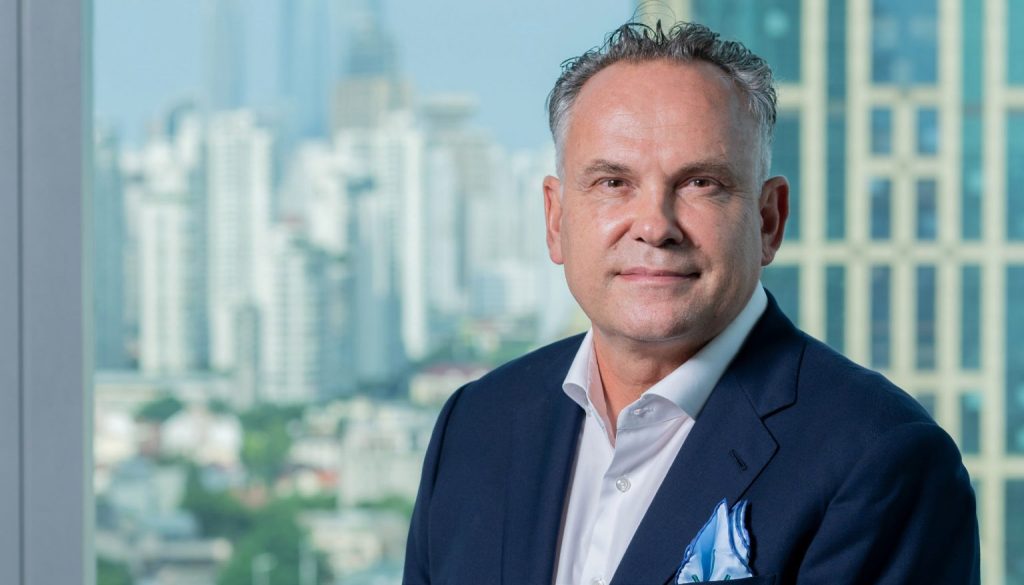
安睦来的合作开放与贺恩霆博士(Dr. Pius S. Hornstein)的个人特质一脉相承。作为赛诺菲的元老级人物, 贺恩霆于2019年开始掌舵赛诺菲大中华区业务。
不久前,麦肯锡亚洲生命科学咨询业务负责人乐诚铎(Franck Le Deu)和常驻上海分公司的麦肯锡全球副董事合伙人唐潇青对贺恩霆博士进行了访谈,共同探讨了大型医药公司数字化转型过程中面临的种种挑战。
具体来说,访谈揭示出以下三点:一是衡量投资回报率时,应高度关注里程碑事件;二是吸引和留住数字化人才至关重要;三是技术进步正在极大推动中国医疗服务的转型。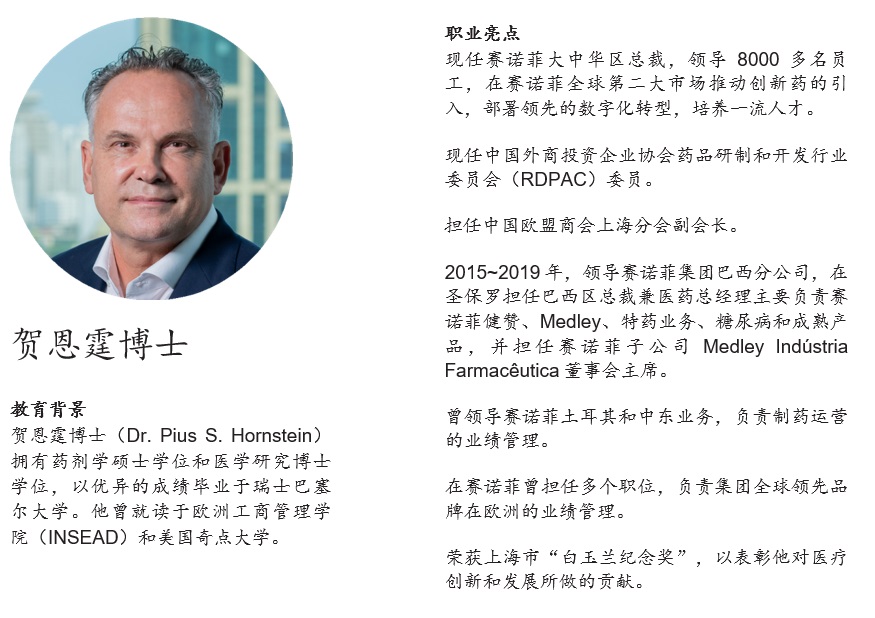
麦肯锡:今后5年,数字化转型对赛诺菲中国的运营将带来哪些影响?
贺恩霆:在不久的未来,医疗系统或将实现完全数字化的O2O患者旅程,在药品开发、医疗服务和患者随访等领域创造新的机遇,同时消除治疗障碍,改善治疗效果。现在很多患者选择微信小程序和网站搜索疾病相关知识和治疗方法,使得互联网医院应运而生。网络医院虽不具实体,却能开具医嘱和处方药。两年前,中国只有几百家互联网医院。现如今已有几千家,与实体医院共同为患者提供服务。
作为一家医疗领军企业,赛诺菲需要找准切入点,以最合适的方式发挥自身专长,为中国医疗生态做出贡献。例如,应如何与医生互动,或者如何帮助患者找到正确信息,在遵循临床指南的前提下为医患双方提供协助?此外,我们希望真正理解患者需求,依据患者的反馈升级产品,改善治疗效果。CXO UNION-CXO联盟(cxounion.cn)
从业务角度来看,大规模提升运营效率让我们得以真正理解与医疗从业者(HCP)每天进行的四五万次互动。我们可以通过净推荐值(NPS)调查来衡量HCP的满意度,基于此设计有意义的互动和项目,更好地赋能我们的员工。例如,我们每年大约招聘近3500名员工,几乎都于线下开展。现在将90%以上的入职流程搬到了线上,为人力资源团队和入职员工节省了数千小时,并在其他方面不断创造新价值。如今,赛诺菲求职者的平均NPS达到85分。卓越的数字化体验,立竿见影将我们定位为一家创新公司,对投资回报率也产生了积极影响。
麦肯锡:赛诺菲的数字化转型现已颇具规模,最初是如何起步的呢?
贺恩霆:起初,我们根据集团的全球化愿景,制定了为期三年的高阶规划和路线图。到2020年,我们从一家高度分散的传统ITS(IT 服务)组织——分散在不同硬件和软件系统上的几十条汇报线,转型成为中国第一批整合数字化组织——将技术基础设施、数据、数字化和创新加以统一管理。这项重大举措在组织层面设定了统一目标,增强了员工凝聚力,帮助公司在正确的轨道上快速前进。
麦肯锡:赛诺菲如何衡量数字化转型取得的进展?
贺恩霆:数字化转型初期,我们的项目数量超过140个,但并非所有项目都有明确定义,或者有明确的成功指标。这并非新问题,却给我们带来了新见解。我们意识到,理清发展主次,集中精力为患者和公司创造价值是重中之重。CXO UNION-CXO联盟(cxounion.cn)
经过深入研究后我们发现,改善患者治疗效果,增加营收或提升运营效率能够提高投资回报率。同时,我们也与其他医药公司以及非医药领域的数字化领军企业进行了对标。为了加深与医疗从业者的互动,我们很快开通了企业微信,并在腾讯云上建立了数据湖和云托管。
得益于这些措施,尽管在新冠疫情暴发头几个月,我们几乎无法与医疗从业者互动,但业绩仍能保持稳定增长。麦肯锡“数字商”(Digital Quotient)表明,我们的数字化成熟度在2019年中期还低于平均水平,现已跻身全球医药公司前10%。根据麦肯锡于2021年底开展的一项中国全行业企业调研结果,我们的数字化成熟度也已跻身全行业前10%。
麦肯锡:2021年安睦来成立了。它的创建理念是什么?它是如何体现数字化健康医疗开辟收入新来源这一理念的?
贺恩霆:如果病人得不到诊断,世上再伟大的药物也没有存在的意义。中国有一半以上的糖尿病患者从未被诊断。即便在确诊患者中,也有一半以上没有得到相应的治疗,许多患者甚至过早终止了治疗。开发促进和改善医患互动的数字化工具颇具挑战。安睦来通过将软件工具与疾病专业指导加以结合,为患者提供数字化慢病管理服务。
我们最终希望开发一个能纳入医保报销的数字化解决方案。数字疗法(DigitalTherapeutics,缩写DTx)相关产品在美国市场快速发展,德国政府也采取了大胆措施,开始为一些医疗服务报销费用。我们希望中国监管方也能考虑采取措施加以鼓励、促进,毕竟数字疗法既能满足患者需求,又能改善治疗结果。CXO UNION-CXO联盟(cxounion.cn)
麦肯锡:2021 Dream and Go赛诺菲创新峰会吸引了中国医疗生态近7000名参与者。举办这次峰会有哪些考虑?
贺恩霆:我们想要尽己所能,不断开拓创新。我们设立了一个创新中心专门与初创企业和科技公司合作,以开放的姿态融入中国医疗生态。2019年以来,一年一度的Dream and Go峰会让我们得以接触中国科技公司,有机会携手共创解决方案,解决痛点。此外,我们也邀请风险投资和其他投资公司,与他们引荐的企业家开展合作和投资相关事宜。例如,我们与一家测试帕金森病患者的震颤和相关指标的设备开发商合作,收集患者治疗过程中的真实数据。这些做法帮助赛诺菲巩固了在数字化和医疗创新领域的声望,提高了我们对人才的吸引力。
麦肯锡:赛诺菲中国的数字化转型取得成功有哪些关键因素?
贺恩霆:设立明确的目标是首要因素。公司的全球战略与其主要市场应保持一致。对企业,尤其是赛诺菲这样规模的企业而言,分散化是数字化转型路上的大敌。我前面提到,必须意志坚定地明确优先事项,但也要注意到,6个月后难免会冒出一些新的东西,让确立的目标偏离“航道”,拖慢前进的步伐。CXO UNION-CXO联盟(cxounion.cn)
与三年前相比,我们的总投资有所减少,但对重点项目投入了更多资源。通过缩短迭代敏捷开发周期,让用户参与开发过程,我们成功提升了解决方案的针对性和影响力。
成功路上的第二个障碍是我们自己,即领导层和管理团队。每个人都喜欢自己说了算。在过去,这往往与“各自为政”的业绩管理有关,但这并不适用于数字化的未来。你需要展现开放心态,具备赋能、放权和合作的能力。培养数字化能力也是一大关键因素。为了吸引和留住数字化人才,我们必须培养一大批真正理解数字化的管理者。过去,我们行动不够迅速,未能及时采纳新员工提出的创新工作方式,导致部分人才深感挫败,甚至选择离开。
麦肯锡:赛诺菲绝大多数员工目前遵循了敏捷原则吗?
贺恩霆:我们的第一要务是在数字化组织内部植入敏捷思维,推广敏捷工作模式。考虑到多数员工已习惯原有的IT服务组织,且大多采用瀑布式开发和以项目为中心的模式,改变并非易事。我们让数字化团队与业务团队配对开发关键产品,并在商业运营,尤其是医疗和营销方面重点发力,以期为患者带来更积极的影响。这就要求我们招聘更多敏捷教练,加强敏捷意识,开展培训工作,调整办公空间以支持敏捷小组工作。CXO UNION-CXO联盟(cxounion.cn)
我们经过认证的敏捷专家和产品经理正在培训下一代敏捷教练。敏捷思维的另一大要点是从实践中学习,这对我们的员工来说是持续的学习旅程。即便是目前,也才走了一半的旅程。我们的一大目标,是希望在未来两年实现大规模的敏捷转型。当然,并不是说敏捷模式适合所有领域。有些领域还是更适合经典的瀑布开发模式。关键在于如何把握微妙的平衡。
麦肯锡:敏捷和数字化工作方式的规模推广主要面临哪些障碍?
贺恩霆:第一步,确保自身的技术和数据基础能够为转型目标服务。整合一体的系统和云数据库是实现规模发展的基础条件。而赛诺菲长期以来形成的并购传统对这一点形成了现实挑战。
早在两年半之前,赛诺菲中国便已决定采用单一云模式。同时,我们还利用企业微信,打造了面向客户和员工的移动前端。随后,我们开始着手解决敏捷和数字化能力等更重要的问题。我们已经向大多数员工提供了敏捷和数字化能力培训,且企业上下的思维和文化升级也取得了出色成绩。道阻且长,未来仍有许多工作要做。
麦肯锡:如何吸引和留住数字化人才?
贺恩霆:中国医疗市场的人才流失率平均达到25%~30%,每年有30%的员工选择离职。数字化人才的需求显然很高。我们的应对方法是从注重留住人才,转变为对现有员工和潜在员工形成永久吸引力。为此,我们尽最大努力为员工赋能,创造有吸引力的职业发展机会,包括跨职能转岗、跨国转岗等,同时最大程度认可员工成就。CXO UNION-CXO联盟(cxounion.cn)
我们也鼓励这支平均年龄28岁的人才队伍追逐人生的梦想。在赛诺菲,数字化转型提升了员工满意度,考虑到中国经济复苏推高了整个市场,尤其是医疗行业的人才流失率,但我们的人才流失率不升反降。另外,赛诺菲是唯一连续两次获得“中国杰出雇主”第一名的医药公司,我们在2020和2021年连获第一名的殊荣。
麦肯锡:经常有人说,中国的数据规模虽然大,但数据大多质量不高。赛诺菲是如何提高数据质量,使之更加可靠呢?
贺恩霆:我认为,说中国的数据靠不住,往往是为不关心数据找借口罢了。这是个巨大的错误。所有数据,无论质量如何,都可以帮助我们对标客户行为,并从中获得真知。只要重视数据,并开展标准化和整理工作,质量很快就可得到提高。企业随后要做的,便是与可靠的数据持有方一道,合力部署一套合适的数据治理流程,并提供数字化监控工具,以保证输入数据的质量。通过企业微信等数字化触点与医疗从业者互动时,也能帮助我们生成自身数据,并通过衡量客户满意度和其他变量快速改进。CXO UNION-CXO联盟(cxounion.cn)
麦肯锡:高级分析在数字化转型中扮演什么角色?
贺恩霆:高级分析与人工智能一样,已经成为流行词汇。但它其实是一种基础技术,让企业根据数据做出决策,而不再依靠主观判断。例如,我们部署的智能引擎,每天可以分析5万个触点的数据,帮助我们识别出数据之间的相关性,并针对性地改进客户互动。这些洞察也能提高我们一线员工和营销人员的效率。最终,我们希望将实体互动、数字化互动和给药系统打通,为患者提供最佳体验。这一切都离不开高级分析。
麦肯锡:如果三年后再回过头来看数字化转型所取得的成绩,您认为怎样才算成功?
贺恩霆:我们的目标是成为中国医疗卫生教育生态的领军企业。我们希望能够因为改善患者生活而得到患者和医疗从业者的认可。因此,我们不仅要提供一流的药物组合,还应改善与患者的互动方式,切实满足患者的需求。CXO UNION-CXO联盟(cxounion.cn)
我们将继续致力于推动患者旅程的数字化进程,加强数字化医疗生态的建设,开辟新的收入来源。我们将力求运营精益、组织敏捷,培育极高的创新能力,力争转型成为最高效的企业。

翻译:
The rapid development of digital technology is profoundly changing everyone’s daily life. For the younger generation and those who remain young at heart, the mobile digital experience has become an integral part of consumer services, from banking and insurance to entertainment, retail and travel.
The healthcare industry is no exception. Patients, healthcare institutions and other industry stakeholders are driving the digital patient journey, which integrates online and offline, to open new opportunities for pharmaceutical research and development and healthcare delivery, remove barriers to treatment, and improve outcomes. Under the leadership of CEO Paul Hudson, French pharmaceutical company Sanofi is moving full speed ahead with its digital transformation. Sanofi aims to be a global leader in scientific innovation, transforming medical practice through digital technologies and data.
In order to achieve this goal, Sanofi has established new institutions in China to focus on advancing digital innovation in the healthcare industry: in early 2018, Sanofi opened an innovation center in Shanghai to expand and deepen cooperation with Chinese digital enterprises; In 2021, the Sanofi Institute for Biomedical Research was established in Suzhou.
Sanofi China Research Institute, combined with the company’s early-stage research capabilities, actively participates in the Chinese drug development ecosystem with the aim of accelerating the development of best-in-class and first-in-class drugs. In addition, Sanofi established a subsidiary, Amulet Health Technologies, in 2021 to provide one-stop O2O disease management solutions for patients with chronic diseases.CXO UNION-CXO联盟(cxounion.cn)
Amulai is the result of Sanofi’s strategic cooperation with Shanghai Pudong Software Park.
In terms of digital innovation, Sanofi’s partners include tech giants such as Jingdong Health, Ping An Health and Tencent, as well as several Chinese startups.
Amurai’s openness to collaboration is in line with the personal characteristics of Dr. Pius S. Hornstein. As a veteran of Sanofi, Tim Hohn took the helm of Sanofi’s Greater China business in 2019.
Franck Le Deu, head of McKinsey’s life sciences practice in Asia, and Xiaoqing Tang, McKinsey’s global associate managing partner based in Shanghai, sat down with Dr. Heen to discuss the challenges of digital transformation for large pharmaceutical companies.
Specifically, the interview revealed the following three points: First, when measuring the return on investment, we should pay close attention to milestone events; The second is the importance of attracting and retaining digital talent. Third, technological progress is greatly promoting the transformation of medical services in China.CXO UNION-CXO联盟(cxounion.cn)
McKinsey: What impact will digital transformation have on Sanofi’s operations in China over the next five years?
He Enting: In the near future, the healthcare system may achieve a fully digital O2O patient journey, creating new opportunities in areas such as drug development, medical services and patient follow-up, while removing barriers to treatment and improving treatment outcomes. Nowadays, many patients choose wechat mini programs and websites to search for disease-related knowledge and treatment methods, making Internet hospitals come into being. Although the network hospital does not have a physical entity, it can issue medical orders and prescription drugs. Two years ago, there were only a few hundred Internet hospitals in China. Now there are thousands of them, working with physical hospitals to provide services to patients.
As a leading healthcare company, Sanofi needs to find the right entry point and use its expertise in the most appropriate way to contribute to China’s healthcare ecology.
For example, how do you interact with the doctor, or how do you help the patient find the right information to assist both doctors and patients while following clinical guidelines? In addition, we want to truly understand patient needs and upgrade products based on patient feedback to improve treatment outcomes.
From a business perspective, increasing operational efficiency at scale allows us to truly understand the 40,000 or 50,000 interactions we have with healthcare practitioners (HCPS) every day. We can measure HCP satisfaction through a Net Recommendation Value (NPS) survey, based on which we design meaningful interactions and programs to better empower our employees. For example, we hire approximately 3,500 employees each year, almost all of them offline. More than 90% of the onboarding process is now online, saving HR teams and incoming employees thousands of hours and creating new value in other ways. Today, the average Sanofi job seeker has an NPS of 85. The superior digital experience immediately positioned us as an innovative company and had a positive impact on ROI.
McKinsey: Sanofi’s digital transformation is now quite large-scale. How did it get started?
Tim Hohn: We started with a three-year high-level plan and roadmap based on the group’s global vision. By 2020, we have transformed from a highly decentralized traditional ITS (IT Services) organization – dozens of reporting lines scattered across different hardware and software systems – to one of the first integrated digital organizations in China – managing technology infrastructure, data, digitization and innovation in one place. This major initiative sets unified goals at the organizational level, enhances employee cohesion, and helps the company move quickly on the right track.CXO UNION-CXO联盟(cxounion.cn)
McKinsey: How does Sanofi measure progress in digital transformation?
Tim Hohn: At the beginning of the digital transformation, we had more than 140 projects, but not all of them were clearly defined or had clear indicators of success. This is not a new question, but it gives us new insights. We realized that prioritizing growth and focusing on creating value for patients and the company was a top priority.
After in-depth research, we found that improving patient outcomes, increasing revenue or improving operational efficiency can improve ROI. At the same time, we also benchmarked other pharmaceutical companies and digital leaders in the non-pharmaceutical field. In order to deepen the interaction with medical practitioners, we soon opened a corporate wechat and established a data lake and cloud hosting on Tencent Cloud.
Thanks to these measures, we were able to maintain steady growth despite having little interaction with healthcare practitioners in the first few months of the COVID-19 outbreak. McKinsey’s Digital Quotient shows that our digital maturity was below average in mid-2019 and is now in the top 10% of global pharmaceutical companies. According to the results of an industry-wide survey of enterprises in China conducted by McKinsey at the end of 2021, our digital maturity is also in the top 10% of the industry.CXO UNION-CXO联盟(cxounion.cn)
McKinsey: In 2021 Amurai was established. What is the idea behind its creation? How does it reflect the idea that digital health care opens up new sources of revenue?
He Enting: If the patient is not diagnosed, the great medicine in the world has no meaning to exist. More than half of people with diabetes in China have never been diagnosed. Even among those diagnosed, more than half do not receive appropriate treatment, and many end treatment prematurely. Developing digital tools to facilitate and improve doctor-patient interaction is challenging. Amro provides digital chronic disease management services to patients by combining software tools with disease professional guidance.
Ultimately, we hope to develop a digital solution that can be included in Medicare reimbursement. DigitalTherapeutics (DTx) related products are growing rapidly in the U.S. market, and the German government has taken the bold step of beginning to reimburse some medical services. We hope that Chinese regulators will also consider taking measures to encourage and promote digital therapy, after all, to meet patient needs and improve treatment outcomes.CXO UNION-CXO联盟(cxounion.cn)
McKinsey: Dream and Go 2021 Sanofi Innovation Summit attracts nearly 7,000 participants in China’s healthcare ecosystem. What are the considerations for holding the summit?
Ting He: We want to do our best and keep innovating. We have set up an innovation center dedicated to working with startups and technology companies to integrate into the Chinese healthcare ecosystem with an open mind. Since 2019, the annual Dream and Go Summit has given us access to Chinese technology companies and the opportunity to work together to create solutions to solve pain points. In addition, we invite venture capital and other investment firms to work with and invest in the entrepreneurs they introduce. For example, we worked with a device developer that tests tremors and related indicators in patients with Parkinson’s disease to collect real-world data from patients during their treatment. These practices have helped Sanofi solidify its reputation in digital and healthcare innovation, making us more attractive to talent.
McKinsey: What are the key factors for the success of Sanofi China’s digital transformation?
Timothy Hohn: Setting clear goals is the first factor. The company’s global strategy should be aligned with its major markets. For enterprises, especially those of Sanofi’s size, decentralization is the enemy of digital transformation. As I mentioned earlier, it is important to define priorities with determination, but it is also important to note that after six months, something new will inevitably emerge that will derail the established goals and slow down the pace of progress.
Compared to three years ago, our total investment is lower, but we are devoting more resources to key projects. By shortening iterative agile development cycles and involving users in the development process, we have succeeded in increasing the relevance and impact of our solutions.CXO UNION-CXO联盟(cxounion.cn)
The second obstacle to success is ourselves, the leadership and management team. Everyone likes to be in charge. In the past, this has often been associated with “separate” performance management, but this does not apply to the digital future. You need to show an open mind and the ability to empower, delegate and collaborate. Building digital capabilities is also a key factor. To attract and retain digital talent, we must develop a cadre of managers who truly understand digital. In the past, we didn’t move fast enough to adopt innovative ways of working with new employees, leading to frustration and even departure.
McKinsey: Do the vast majority of Sanofi employees currently follow agile principles?
Tim Hohn: Our first priority is to embed agile thinking and promote agile working models within digital organizations. Considering that most employees are used to the old IT services organization, and most use waterfall development and project-centric models, change is not easy. We pair our digital team with our business team to develop key products and focus on business operations, particularly healthcare and marketing, to make a more positive impact on patients. This requires us to recruit more agile coaches, increase awareness of agile, conduct training efforts, and adjust office space to support agile team work.
Our certified Agile experts and product managers are training the next generation of Agile coaches. Another big point of agile thinking is learning by doing, which is a continuous learning journey for our employees. Even now, we are only halfway there. One of our goals is to achieve a massive agile transformation over the next two years. Of course, this is not to say that agile patterns are suitable for all domains. Some areas are better suited to the classic waterfall development model. The trick is to strike a delicate balance.CXO UNION-CXO联盟(cxounion.cn)
McKinsey: What are the main barriers to scaling up Agile and digital ways of working?
Tim Hohn: The first step is to ensure that your technology and data base can serve the transformation goals. Integrated systems and cloud databases are fundamental to achieving scale. Sanofi’s long tradition of mergers and acquisitions poses a real challenge to this.
As early as two and a half years ago, Sanofi China has decided to adopt a single cloud model. At the same time, we also used enterprise wechat to build a mobile front end for customers and employees. Then we moved on to more important issues like agility and digital capabilities. We’ve trained most of our employees in agile and digital capabilities, and we’ve done a great job of upgrading our thinking and culture across the organization. The road is long and there is still much work to be done.
McKinsey: How to attract and retain digital talent?
He Enting: The talent turnover rate in China’s medical market reaches 25% to 30% on average, and 30% of employees choose to leave each year. Digital talent is clearly in high demand. Our response has been to shift from a focus on retaining talent to a permanent attraction for current and potential employees. To this end, we do our best to empower our employees and create attractive career opportunities. Including cross-functional and international transfers, while maximizing recognition of employee achievements.CXO UNION-CXO联盟(cxounion.cn)
We also encourage this talented team with an average age of 28 to pursue their dreams in life. At Sanofi, digital transformation has increased employee satisfaction, considering that the recovery of the Chinese economy has pushed up the turnover rate of the entire market, especially in the healthcare industry. But our turnover rate has decreased rather than increased. In addition, Sanofi is the only pharmaceutical company to have won the # 1 spot in China’s Top Employer twice in a row, and we won the # 1 spot in 2020 and 2021.
McKinsey: It is often said that while China’s data is large, most of it is of low quality. How does Sanofi improve the quality of its data and make it more reliable?
Tim Hohn: I think to say that China’s data is unreliable is often to find an excuse for not caring about the data. This is a huge mistake. All data, regardless of quality, can help us benchmark customer behavior and gain insights from it. As long as data is valued and standardized and collated, quality can be improved quickly. The next step is to work with reliable data holders to deploy a proper data governance process and provide digital monitoring tools to ensure the quality of the incoming data. When interacting with healthcare practitioners through digital touchpoints such as corporate wechat. It also helps us generate our own data and improve quickly by measuring customer satisfaction and other variables.
McKinsey: What role does advanced analytics play in digital transformation?
Timothy Hohn: Advanced analytics, like artificial intelligence, has become a buzzword. But it is a foundational technology that allows companies to make decisions based on data rather than subjective judgment. For example, we deploy an intelligent engine that analyzes data from 50,000 touch points per day to help us identify correlations between data and improve customer interactions. These insights also improve the efficiency of our front-line employees and marketers. Ultimately, we want to bring together physical interactions, digital interactions, and delivery systems to provide the best patient experience. None of this is possible without advanced analytics.CXO UNION-CXO联盟(cxounion.cn)
McKinsey: If you look back three years from now at the results of digital transformation, what would you consider a success?
He Enting: Our goal is to become a leading enterprise in China’s medical and health education ecology. We want to be recognized by patients and healthcare practitioners for improving patients’ lives. Therefore, we should not only provide a best-in-class drug portfolio. But also improve the way we interact with patients and actually meet their needs.
We remain committed to driving the digitization of the patient journey, strengthening the digital healthcare ecosystem, and opening up new revenue streams. We will strive to operate lean, organize agile, cultivate high innovation ability, and strive to become the most efficient company.
本文由CXO UNION-CXO联盟(cxounion.cn)转载而成,来源于McKinsey & Company;编辑/翻译:CXO UNIONCXO联盟小宁檬。
如需加入CXO UNION(CXO联盟)高管社群,请联系社群小伙伴哦~
免责声明: 本网站(http://www.cxounion.cn/)内容主要来自原创、合作媒体供稿和第三方投稿,凡在本网站出现的信息,均仅供参考。本网站将尽力确保所提供信息的准确性及可靠性,但不保证有关资料的准确性及可靠性,读者在使用前请进一步核实,并对任何自主决定的行为负责。本网站对有关资料所引致的错误、不确或遗漏,概不负任何法律责任。
本网站刊载的所有内容(包括但不仅限文字、图片、LOGO、音频、视频、软件、程序等) 版权归原作者所有。任何单位或个人认为本网站中的内容可能涉嫌侵犯其知识产权或存在不实内容时,请及时通知本站,予以删除。
如需加入CXO UNION(CXO联盟)高管社群,请联系社群小伙伴哦~

免责声明: 本网站(http://www.cxounion.cn/)内容主要来自原创、合作媒体供稿和第三方投稿,凡在本网站出现的信息,均仅供参考。本网站将尽力确保所提供信息的准确性及可靠性,但不保证有关资料的准确性及可靠性,读者在使用前请进一步核实,并对任何自主决定的行为负责。本网站对有关资料所引致的错误、不确或遗漏,概不负任何法律责任。
本网站刊载的所有内容(包括但不仅限文字、图片、LOGO、音频、视频、软件、程序等) 版权归原作者所有。任何单位或个人认为本网站中的内容可能涉嫌侵犯其知识产权或存在不实内容时,请及时通知本站,予以删除。
Search
Popular Posts
-

2024数字化灯塔案例评选申报开启!
“2024数字化灯塔案例评选”于3月正式启动,诚挚欢迎业界同仁自荐和推荐,一起推动产业数字化进程,助力赋能企业…
-

2024 X-Award星盘奖申报通道已开启!
X-Award星盘奖是数字化转型服务、IT服务行业重要的商业奖项,旨在表彰行业里提供杰出数字化转型服务与IT服…
-

2024 N-Award星云奖申报通道已开启!
N-Award是数字化转型领域重要的商业奖项,旨在表彰那些以非凡的远见、超群的领导才能和卓越的成就来激励他人的…