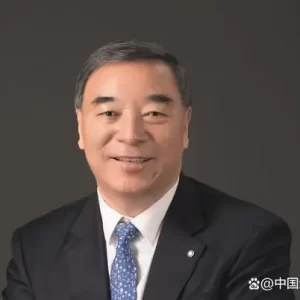
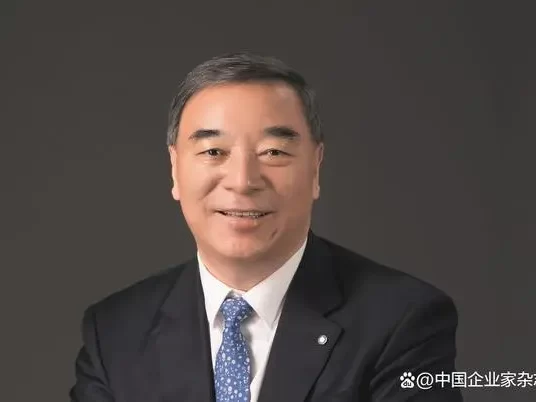
中华优秀传统文化有时能解决现代市场竞争理论所不能解决的问题。现代的中国企业管理应该和我国优秀的传统文化相结合,真正做到洋为中用、古为今用,创造出中国式管理模式,为中国乃至全球企业提供中国式解决方案。我国优秀的企业家还应该是优秀的企业思想家,带领企业走包容式发展道路。
一、把我国优秀的传统文化融入现代管理
改革开放之后,西方管理思想和管理学说大量涌入中国,最初中国企业界基本是以学习西方管理理论和管理案例为主。可以说,中国企业这30多年的快速成长,得益于借鉴了国外优秀的企业经营管理经验。但是,在学习彼得·德鲁克等西方管理大师思想的同时,我们也发现中国的传统文化在国外备受推崇,尤其是日本、韩国、新加坡等国家的企业,它们从中国的儒家思想中寻找动力和精神支柱,创造了飞速发展的奇迹。这让我们有必要对东西方的企业文化进行再思考。
现代企业管理涵盖战略和文化、组织行为、技术创新与市场运作等方面。相比之下,西方管理更重视定量分析,擅长运用统计知识与模型分析等工具解决复杂的管理问题,而我们东方管理思想多注重企业哲学、行为规范、集体主义精神等。稻盛和夫带领两个企业进入《财富》世界500强,运用的就是东方的哲学思想。
中国优秀的传统文化有时能解决现代市场竞争理论所不能解决的问题,因为企业里不仅有定量的问题,还有大量定性的问题,像人的心灵归属、企业的价值追求等,这些很难用计算机量化。人毕竟不是机器,培养好的心态、好的素质、好的人格,让大家拥有共同的文化理念,解决人内心深处的问题,往往比建设新工厂、安装新机器难得多。
中国传统的儒释道文化博大精深,儒家讲的主要是以人为本的进取文化,道家讲的主要是无为而治的规律文化,佛家讲的主要是众生平等的奉献文化。其中,《论语》讲的是人与人、人与社会之间的规则,《道德经》讲的是人与自然相处的规律,佛经是教人人心向善的,这些都是我们极其宝贵的精神财富。
在众多国学经典中,《论语》是对我影响最深的一部。这些年来我反复诵读原文,也看过不少白话文译本,它不仅影响了我做企业的思路,也构筑了我的企业观。回想自己这些年做企业的经历,可以说就是“半部《论语》做企业”。这里的“半部”,与宋朝宰相赵普“半部《论语》治天下”中“半部”的含义不同,我指的是虽然学《论语》多年,但仍感觉学得不深不透,对它一知半解。如果用一个字概括孔子的核心思想,我觉得应该是“仁”,内容是“仁者爱人”;如果用一个字概括孔子的处事原则应该是“恕”,内容是“己所不欲,勿施于人”。
我也很喜欢《道德经》,《道德经》介于哲学与宗教之间,实际上是我们中华民族最朴素的价值观。像里面的无为而治、以静制动、以柔克刚、利而不害、为而不争等,对我们当今做企业也很有启发意义。
儒释道倡导从善、尊重自然、改变社会,我们可从中吸取不少的精华来指导企业的经营管理,做到商业向上向善、尊重规律、对企业进行改革与创新。西方的管理大家与经济学家们也在研究中国古代的灿烂文明。今天,我们要将现代管理与我国优秀的传统文化相结合,真正做到古为今用、兼收并蓄。 CXO UNION-CXO联盟(cxounion.cn)
二、创造中国式管理
中国企业发展需要有一批能创造出中国式管理的有效经营者。这些经营者深深植根于中国的文化、社会和环境,也深谙企业的经营与管理之道。真正做好中国的企业,需要中国的企业家发挥积极的作用。做企业,要把从古今中外的管理大家那里学习到的理念和规律创造性地运用到企业的实践之中,并在实践中创新发展,解决企业和行业的问题。在解决问题的过程中,我们要不断归纳总结,汇集思想,给世界贡献中国智慧和中国方案,创造出中国式管理模式。
现在大家讲中国式管理,因为以前讲过日式管理,我理解的中国式管理是把现代管理理论与中国企业实际相结合,与中国优秀的传统文化相结合。因此,中国式管理也应纳入中国式现代化的内涵。
美国哈佛大学商学院很推崇案例教学法,很多企业常以管理实践被选作哈佛商学院的教学案例为荣。约瑟夫·鲍沃教授曾是哈佛商学院的副院长,对行业重组和产业结构调整很有研究,曾研究过GE(通用电气)的案例,也曾聚焦欧美水泥业的重组。当年已经70多岁的鲍沃教授听到中国建材成功重组南方水泥的故事后,很敏锐地察觉到,中国建材的水泥重组对于全球基础原材料行业的整合有着示范意义,于是来到中国对我进行访谈,并带着团队深入南方水泥公司进行调研。后来,中国建材水泥重组的案例正式进入哈佛商学院的案例库,成为课堂教材。
2022年我在《哈佛商业评论》创刊百年中国年会上获知,目前《哈佛商业评论》中文版有30%是中国本土案例,我听了很高兴。我鼓励他们,以后要在《哈佛商业评论》中文版上刊登更多的中国企业案例,同时也把其中一些典型案例拿到英文版上发表。有思想才会被尊重,中国企业这些年以产品著称,今后也要把中国企业的故事传播出去,获得世界范围的认知和认同。其实,更多地加大商界和学界的深度交流有利于我国改革开放的进程。
21世纪是中国企业的时代,无论是在制造业,还是在互联网、新能源、电动车等方面,中国企业都走在了世界的前沿。这个时候,中国本土企业的成功经验是特别值得总结的。比如,宁德时代不仅有广为人知的电池技术,还有一套“极限制造”的管理方法;潍柴动力不仅有世界一流的本体热效率技术,还有一套WOS( Weichai Operation System)管理体系。近三年,我曾深入调研上百家企业,发现不少优秀企业的管理方法和管理思想需要进行归纳和总结。
现如今,无论是在管理研究的趋势变化中,还是在世界管理潮流中,都需要渐浓的中国色彩,需要中国企业贡献更多的中国式管理案例与管理思想。我特别希望能有越来越多的中国案例与中国式管理出现,让西方企业家也来学习,共享中国企业在管理界的成就和新的思想。 CXO UNION-CXO联盟(cxounion.cn)
三、优秀的企业家还应该是企业思想家
在企业发展过程中,存在一个现象:不少企业在壮大的时候,企业的精神却没有同步成熟。企业要进一步做强做优,要真正成为行业的领袖,最重要的是要有一流的企业思想。企业家是企业的领头人,企业家有没有正确的思想,有没有独立的人格和高远的境界与企业发展的好坏关系重大。企业家应该是企业里的思想家,因为思想决定一切。企业家并不是因为企业做大而受人尊重,而是因为有思想才受到尊重。
一个企业要给全行业做出前瞻性的指导,就需要具备思想引领能力。成功的商业模式可以复制,优秀的管理经验可以借鉴,但领导者的卓越思想无可替代。改革开放以来,中国企业家群体快速崛起,涌现出很多企业领军人物。过去我们的企业家往往比较多地重视产品的产销量、市场份额、企业规模,以及在世界的排名,等等,而现在更多的企业家越来越重视人文思想和社会贡献。优秀的企业不仅是要出产品、出效益,还要出人才、出思想。
中国有思想的企业家非常多,有的体现在对企业创新发展的探索上,有的体现在对企业经营规律的认识上,有的体现在对企业哲学伦理的思考上。这些思想既具有中国特色,也具有国际水平;既是我们民族的,也是全人类的。应该说,现在中国经济能如此快速地发展,就是因为有一批优秀的企业、优秀的企业家、优秀的管理思想和管理理论在发挥作用。
一个有追求的企业,必须把企业上上下下的思想都整合起来、统一起来,形成企业独特的思想文化。杰斯帕·昆德在《公司精神》中说,在将来,建立稳固市场地位的过程,将成为塑造公司个性化特征及公司精神与灵魂的事业,这最终将成就一个强大的公司。在此过程中,要建立共同的愿景、目标以及对公司精神的忠实信仰。未来的公司内,只有信奉者生存的空间,没有彷徨犹豫者立足的余地。 CXO UNION-CXO联盟(cxounion.cn)
中国企业和中国企业家的下一个目标,不只是创造更多的《财富》世界500强企业,还要创造代表精神和灵魂的企业思想。做世界一流的企业需要世界一流的思想,有世界一流的思想才能引领世界一流的企业。我们的企业家还要能以先进的思想引领更多的企业健康发展,从而提升中国企业的整体水平。
四、做包容式发展的企业
我做企业崇尚的是兼收并蓄的包容文化。在管理上,推动优秀的中国传统文化与现代管理相结合;在经营上,推动国企和民企融合发展、共生多赢。在企业经营管理过程中,我主张待人宽厚、处事宽容、环境宽松,也一直主张做包容式发展的企业。
包容的实质是包容不同,有时候还要包容缺点,多看别人的长处,以“三人行,必有我师”的想法来看问题。松下幸之助说过:“带领十几人的团队,言传身教就够了;带领几千人的团队,用管理就够了;而带领四五万人的团队,就要用思想去感化他们。”唯宽可以容人,唯厚可以载物。企业家的胸怀有多宽、能容纳多少人,企业就能走多远。当企业达到一定规模后,考验企业家的就不再是他的个人才智,而是他的胸怀和容纳度。
记得刚当北新建材厂长那会儿,我发现不少员工总爱迟到,我就早上站在厂门口,看着大家来上班。站了一个星期后再也没有一人迟到,这时候我安排下了一个通知,如果再迟到,就会有处罚。后来,在我做厂长的10年里,大家没有再迟到过,我也没罚过一名员工。
当然,包容不等于没有原则。这就像我们提倡宽严相济的管理方式一样,宽和严总是相辅相成的。大家知道我的性格随和,但也知道我是个有原则、有立场的人,对一些不良作风和不好的现象,我会直率地批评。不过我对事不对人,而且很少当众批评人,经常是与对方坐下来面谈,最终彼此总能相互理解。我更多的时候还是表扬和鼓励大家,在工作中我也提倡“善用表扬”。因为我知道,做基层工作很辛苦,常有各种委屈,压力也很大。大家一年到头忙忙碌碌,总不能连句表扬的话都听不到。 CXO UNION-CXO联盟(cxounion.cn)
我们的员工需要包容,企业干部也需要包容。我深知大家的不容易,业绩做得好,很容易被别人包容,一旦业绩做得不好,很难有人包容你,但经营中的常胜将军,又是不多见的。中小企业需要包容,大企业更需要包容。企业越有包容性,社会资源就越愿意向它靠拢、与它合作,企业也会发展得越来越好。
包容性成长,就是做企业要有利他主义,着眼于系统生态格局的健康化,实现与自然和谐、与社会和谐、与竞争者和谐、与员工和谐这“四重和谐”。一个成功的企业家一定是一个胸怀宽广、有包容心和同情心的人,一定是一个热情帮助和关怀部下的人,也一定是一个关心行业生态、行业价值、企业未来的人。

翻译:
Song Zhiping, president of the China Association of Listed Companies and chief expert of the China Enterprise Reform and Development Research Association: Only thinking will be respected and create a Chinese management model
The excellent traditional Chinese culture can sometimes solve the problems that the modern market competition theory can not solve. Modern Chinese enterprise management should be combined with China’s excellent traditional culture, truly make foreign for Chinese, the past for the present, create a Chinese management model, and provide Chinese solutions for Chinese and even global enterprises. The outstanding entrepreneurs of our country should also be excellent corporate thinkers and lead their enterprises on the path of inclusive development.
First, integrate China’s excellent traditional culture into modern management
After the reform and opening up, Western management ideas and management theories flooded into China. At the beginning, Chinese enterprises mainly studied western management theories and management cases. It can be said that the rapid growth of Chinese enterprises in the past 30 years has benefited from learning from the excellent business management experience of foreign countries. However, while learning the ideas of Western management masters such as Peter Drucker, we also found that China’s traditional culture is highly respected abroad, especially the enterprises in Japan, South Korea, Singapore and other countries, which find motivation and spiritual support from Chinese Confucianism and create a miracle of rapid development. This makes it necessary to rethink corporate culture in both East and West.
Modern enterprise management covers strategy and culture, organizational behavior, technological innovation and market operation. In contrast, Western management pays more attention to quantitative analysis and is good at using statistical knowledge and model analysis and other tools to solve complex management problems, while our eastern management ideas pay more attention to enterprise philosophy, behavioral norms, collectivism and so on. It is Oriental philosophy that Kazuo Inamori used to guide two companies into the Fortune Global 500. CXO UNION-CXO联盟(cxounion.cn)
China’s excellent traditional culture can sometimes solve problems that cannot be solved by modern market competition theory, because there are not only quantitative problems in enterprises, but also a large number of qualitative problems, such as the spiritual belonging of people, the value pursuit of enterprises, which are difficult to be quantified by computers. After all, people are not machines, cultivating a good mentality, good quality, good personality, so that everyone has a common cultural concept, and solving the problems in the heart of people are often much harder than building a new factory and installing a new machine.
The traditional Chinese culture of Confucianism, Buddhism and Taoism is extensive and profound, Confucianism mainly talks about the people-oriented enterprising culture, Taoism mainly talks about the rule culture of non-action, Buddhism mainly talks about the equal contribution culture of sentient beings. Among them, the Analects of Confucius talks about the rules between man and man and between man and society, the Tao Te Ching talks about the rules between man and nature, and the Buddhist scriptures teach people to be good. All these are our extremely valuable spiritual wealth.
Among the many Chinese classics, the Analects of Confucius is the one that has the deepest influence on me. Over the years, I have repeatedly read the original text and seen a lot of vernacular translations, which not only influenced my thinking about doing business, but also constructed my enterprise view. Looking back on his experience of doing business these years, it can be said that “half of the Analects” do business.” The “half” here is different from the meaning of “half” in Song Dynasty Prime Minister Zhao Pu’s “half of the Analects to rule the world”. I mean that although I have studied the Analects for many years, I still feel that I have not learned it deeply and have only a partial understanding of it. If the core idea of Confucius is summed up in one word, I think it should be “benevolence”, the content is “benevolence love”; If we can sum up Confucius’ principle of doing things in one word, it should be “forgive”, the content is “do not do to others what you do not want to do to yourself”.
I also like Tao Te Ching very much. Tao Te Ching is between philosophy and religion. In fact, it is the most simple value of our Chinese nation. Like the inside of the rule of doing nothing, to static braking, to soft just, benefit but not harm, for and not fight, etc., we do business today is also very instructive. CXO UNION-CXO联盟(cxounion.cn)
Confucianism, Buddhism and Taoism advocate from the good, respect for nature, change the society, we can draw a lot of essence from it to guide the operation and management of enterprises, do business upward to the good, respect the law, reform and innovation of enterprises. Western managers and economists are also studying the splendid civilization of ancient China. Today, we want to combine modern management with our excellent traditional culture, and truly make the past for the present, eclectic.
Second, create Chinese-style management
The development of Chinese enterprises needs a group of effective operators who can create Chinese-style management. These operators are deeply rooted in China’s culture, society and environment, and have a deep understanding of business operations and management. To really do a good job in Chinese enterprises, we need Chinese entrepreneurs to play an active role. To do an enterprise, we must creatively apply the concepts and laws learned from the management of ancient and modern China and abroad to the practice of the enterprise, and innovate and develop in practice to solve the problems of the enterprise and the industry. In the process of solving problems, we must constantly summarize, pool ideas, contribute Chinese wisdom and Chinese solutions to the world, and create a Chinese management model.
Now people talk about Chinese management, because I have talked about Japanese management before, and the Chinese management I understand is the combination of modern management theory with the reality of Chinese enterprises and the combination of China’s excellent traditional culture. Therefore, Chinese-style management should also incorporate the connotation of Chinese-style modernization.
Harvard Business School in the United States highly praises the case method, and many enterprises are often proud of the management practice selected as the teaching case of Harvard Business School. Professor Joseph Bowo, a former associate dean of Harvard Business School, has studied industrial restructuring and industrial restructuring, has studied the case of GE(General Electric), and has focused on the restructuring of the cement industry in Europe and America. After hearing the story of China National Building Materials’ successful restructuring of Nanfang Cement, Professor Bowo, who was over 70 years old at that time, was keenly aware that the cement restructuring of China National Building Materials had a model significance for the integration of the global basic raw material industry, so he came to China to interview me, and led his team to investigate Nanfang Cement Company. Later, the case of China’s building materials cement restructuring officially entered the Harvard Business School’s case base and became a classroom textbook. CXO UNION-CXO联盟(cxounion.cn)
In 2022, I learned at the Harvard Business Review’s Centennial China Annual Conference that 30% of the Chinese version of the Harvard Business Review is based on Chinese cases. I was very glad to hear that. I encouraged them to publish more cases of Chinese companies in the Chinese edition of HBR in the future, and also to publish some of the typical cases in the English edition. Chinese enterprises are famous for their products these years, and in the future, they should also spread the story of Chinese enterprises to gain worldwide recognition and recognition. In fact, more in-depth exchanges between the business community and the academic community are conducive to the process of reform and opening up in China.
The 21st century is the era of Chinese enterprises, whether in manufacturing, or in the Internet, new energy, electric vehicles and other aspects, Chinese enterprises are at the forefront of the world. At this time, the successful experience of Chinese local enterprises is particularly worth summarizing. For example, the Ningde era not only has well-known battery technology, but also a set of “extreme manufacturing” management methods; Weichai Power not only has world-class bulk thermal efficiency technology, but also has a set of WOS(Weichai Operation System) management system. In the past three years, I have conducted in-depth research on hundreds of enterprises and found that the management methods and management ideas of many excellent enterprises need to be summarized and summarized.
Nowadays, whether in the changing trend of management research or in the trend of world management, it is necessary to gradually deepen the Chinese color, and it is necessary for Chinese enterprises to contribute more Chinese management cases and management ideas. I especially hope that there will be more and more Chinese cases and Chinese-style management, so that Western entrepreneurs can also learn and share the achievements and new ideas of Chinese enterprises in the management field.
Third, a good entrepreneur should also be a corporate thinker
In the process of enterprise development, there is a phenomenon: when many enterprises are growing, the spirit of the enterprise is not synchronous maturity. Enterprises to further strengthen and do better, to truly become the leader of the industry, the most important thing is to have first-class corporate thinking. The entrepreneur is the leader of the enterprise. Whether the entrepreneur has the right idea, independent personality and lofty realm is of great importance to the development of the enterprise. The entrepreneur should be the thinker in the enterprise, because the idea is everything. Entrepreneurs are respected not because their businesses are big, but because they have ideas.
If an enterprise wants to give forward-looking guidance to the whole industry, it needs to have the ability of thought leading. Successful business models can be copied, good management experience can be learned from, but there is no substitute for the outstanding ideas of leaders. Since the reform and opening up, the group of Chinese entrepreneurs has risen rapidly, and many business leaders have emerged. In the past, our entrepreneurs often paid more attention to the production and sales volume of products, market share, enterprise scale, and the ranking in the world, etc., but now more and more entrepreneurs pay more attention to humanistic ideas and social contributions. An excellent enterprise is not only to produce products and benefits, but also to produce talents and ideas.
There are a lot of thoughtful entrepreneurs in China, some of which are reflected in the exploration of enterprise innovation and development, some are reflected in the understanding of enterprise management laws, and some are reflected in the thinking of enterprise philosophy and ethics. These ideas have both Chinese characteristics and international standards. It belongs to our people and to all mankind. It should be said that the reason why China’s economy can develop so rapidly is that there are a number of excellent enterprises, excellent entrepreneurs, excellent management ideas and theories in play.
An enterprise with a pursuit must integrate and unify the ideas of the enterprise up and down to form a unique ideological culture of the enterprise. In The Spirit of the Company, Jasper Kunder says that in the future, the process of establishing a firm market position will become the business of shaping the individual character of the company and the spirit and soul of the company, which will ultimately make a strong company. In doing so, build a shared vision, purpose, and a faithful belief in the spirit of the company. In the company of the future, there is only room for believers to survive, and no room for those who hesitate to gain a foothold. CXO UNION-CXO联盟(cxounion.cn)
The next goal for Chinese companies and Chinese entrepreneurs is not only to create more Fortune Global 500 companies, but also to create corporate ideas that represent the spirit and soul. To be a world-class enterprise requires world-class ideas, and only with world-class ideas can we lead a world-class enterprise. Our entrepreneurs should also be able to lead the healthy development of more enterprises with advanced ideas, so as to improve the overall level of Chinese enterprises.
Fourth, to be an inclusive development enterprise
What I do business advocates is an inclusive culture. In management, promote the excellent traditional Chinese culture and modern management combination; In operation, promote the integration of state-owned enterprises and private enterprises, symbiosis and win-win. In the process of enterprise management, I advocate treating people with generosity, doing things with tolerance, and the environment is relaxed, and I have always advocated to be an inclusive development enterprise.
The essence of tolerance is to tolerate different, sometimes also inclusive of shortcomings, look at the strengths of others, with the idea of “three people, there must be my teacher” to look at the problem. Matsushita Konosuke said: “Leading a team of more than a dozen people, word and example is enough; To lead a team of several thousand people, management is enough; To lead a team of 40,000 or 50,000 people, you have to use your thoughts to influence them.” Only wide can accommodate people, only thick can carry things. How wide the entrepreneur’s mind is and how many people can be accommodated, how far the enterprise can go. When the enterprise reaches a certain scale, the test of the entrepreneur is no longer his personal intelligence, but his mind and tolerance.
I remember when I was the head of Beixin Building Materials Factory, I found that many employees were always late, and I stood at the gate of the factory in the morning, watching everyone come to work. After standing for a week and no one being late again, I arranged for a notice to be issued that if I was late again, there would be a penalty. Later, in my 10 years as factory director, we were never late again, and I never fined a single employee. CXO UNION-CXO联盟(cxounion.cn)
Of course, inclusion does not mean absence of principles. This is just like we advocate the management style of combining leniency and strictness, which always complement each other. Everyone knows that my personality is easygoing, but also know that I am a principled, stand a person, some bad style and bad phenomenon, I will be blunt criticism. However, I am not about people, and rarely criticize people in public, often sit down with the other side to talk, and eventually we can always understand each other. I often praise and encourage people, and I also advocate “making good use of praise” in my work. Because I know that doing grassroots work is very hard, there are often various grievances, and the pressure is also great. Everyone is busy all year round, and can’t even hear a word of praise.
Our employees need to be inclusive, and so do our business leaders. I know that everyone is not easy, the performance is done well, it is easy to be tolerated by others, once the performance is not done well, it is difficult for someone to tolerate you, but the winning general in the business is rare. Small and medium-sized enterprises need to be inclusive, and large enterprises need to be inclusive. The more inclusive a company is, the more social resources will be willing to move closer to it and cooperate with it, and the better the company will develop.
Inclusive growth means that enterprises should benefit from otherism, focus on the health of the system ecological pattern, and achieve the “four harmonies” of harmony with nature, harmony with society, harmony with competitors, and harmony with employees. A successful entrepreneur must be a broad-minded, inclusive and compassionate person, must be a person who is enthusiastic to help and care for his subordinates, and must be a person who cares about the ecology of the industry, the value of the industry, and the future of the enterprise.
由CXO UNION-CXO联盟(cxounion.cn)转载而成,来源于总裁读书会;编辑/翻译:CXO UNIONCXO联盟小U。
如需加入CXO UNION(CXO联盟)高管社群,请联系社群小伙伴哦~
免责声明: 本网站(http://www.cxounion.cn/)内容主要来自原创、合作媒体供稿和第三方投稿,凡在本网站出现的信息,均仅供参考。本网站将尽力确保所提供信息的准确性及可靠性,但不保证有关资料的准确性及可靠性,读者在使用前请进一步核实,并对任何自主决定的行为负责。本网站对有关资料所引致的错误、不确或遗漏,概不负任何法律责任。
本网站刊载的所有内容(包括但不仅限文字、图片、LOGO、音频、视频、软件、程序等) 版权归原作者所有。任何单位或个人认为本网站中的内容可能涉嫌侵犯其知识产权或存在不实内容时,请及时通知本站,予以删除。
如需加入CXO UNION(CXO联盟)高管社群,请联系社群小伙伴哦~

免责声明: 本网站(http://www.cxounion.cn/)内容主要来自原创、合作媒体供稿和第三方投稿,凡在本网站出现的信息,均仅供参考。本网站将尽力确保所提供信息的准确性及可靠性,但不保证有关资料的准确性及可靠性,读者在使用前请进一步核实,并对任何自主决定的行为负责。本网站对有关资料所引致的错误、不确或遗漏,概不负任何法律责任。
本网站刊载的所有内容(包括但不仅限文字、图片、LOGO、音频、视频、软件、程序等) 版权归原作者所有。任何单位或个人认为本网站中的内容可能涉嫌侵犯其知识产权或存在不实内容时,请及时通知本站,予以删除。
Search
Popular Posts
-

2024数字化灯塔案例评选申报开启!
“2024数字化灯塔案例评选”于3月正式启动,诚挚欢迎业界同仁自荐和推荐,一起推动产业数字化进程,助力赋能企业…
-

2024 X-Award星盘奖申报通道已开启!
X-Award星盘奖是数字化转型服务、IT服务行业重要的商业奖项,旨在表彰行业里提供杰出数字化转型服务与IT服…
-

2024 N-Award星云奖申报通道已开启!
N-Award是数字化转型领域重要的商业奖项,旨在表彰那些以非凡的远见、超群的领导才能和卓越的成就来激励他人的…