
把两个相反的观点放在脑海里,又不影响执行,是一种大智慧。
美国小说家弗朗西斯•菲茨杰拉德有一段非常经典的话:检验一个人的才智是否一流,要看他能否同时在脑海中持有两种相反的想法,并且仍然保持行动力。把两个相反的观点放在你的脑海里,但是又不影响你的执行,这是一种大智慧。
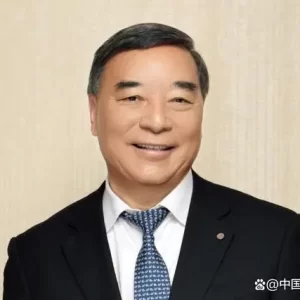
在宋志平先生40年企业实践中,总结和提炼了许多精辟的“大智慧”。本文特别摘编其中的“十大矛盾”及其真知灼见,希望对广大企业经营管理者有所启发和帮助。
一、经营与管理
很多企业领导者常把经营与管理混为一谈,认为只要抓好管理就万事大吉了,这是非常错误的。经营和管理其实很难分开,经营里有管理,管理里蕴含着经营,但两者又有区别。管理面对的主要是人、机、物、料之间的关系,是看得见、摸得着的。经营是在不确定性中研判和选择技术路线、市场策略、价格策略、商业模式等。两者的侧重点和目的不同。
管理是正确地做事,主要目的是提高效率;而经营是做正确的事,主要目的是提高效益。现在对企业的一把手来讲,最重要的不再是管理,而是要把管理授权给别人去做,自己花更多的时间、精力去面对不确定性。我经常跟大家讲,管理是眼睛向内,经营是眼睛向外,企业一把手,既不是当官的,也不是传统的管理者,应该首先是个经营者,核心能力是经营能力。
经营之道就是赚钱之道。赚到钱的不见得都是好的经营者,但赚不到钱的一定不是好的经营者。企业是经济组织,是营利组织,不会赚钱的人不能做一把手。一把手要坐镇经营,自己先做正确的事,再让大家正确地做事。如果自己要做的事情选择错了,即使大家做得再正确也没用。
强调从管理到经营,不是说管理不重要,而是经营更重要。我不提倡企业一把手一天到晚泡在车间里,一把手要时刻关注外界最新变化,把经营做好,让企业赚到钱。
二、目标导向与资源导向
提到做企业,很多人首先想到的是现有的资源、技术和人员,有什么条件做什么事、有多大能力做多大的事,也就是我们常讲的“看菜下饭,量体裁衣”。这种思路以资源为导向,虽然比较务实,但在变革时代和企业转型时期却不能这样想。如果总停留于过去的思维,按部就班地发展,企业恐怕很难做大。我认为,制定战略不一定非要有什么做什么,而是先确定目标,缺什么找什么。
从有什么做什么到缺什么找什么,是先定目标再找资源的战略思维。今天,社会生产力进一步解放和发展,资源不再是企业发展的首要矛盾。资源并不一定都是自己的,也不能凡事都从零开始,那样做既没有必要,也过于迂腐,还会错失良机。其实,在一个资源社会、协作社会里,相对于找资源而言,更难的是定目标。
做事情不要总盯着眼前的既有资源,做企业不怕没有资源,就怕没有目标,企业的发展目标和资源配置其实都是战略问题。由于资源的稀缺性和可选择性,企业往往要根据环境、机遇、自身条件和目标,将资源在不同的时间、空间和数量上进行合理分配,追求资源配置的有效性并降低成本。因此,资源配置要从企业的发展目标来考量。
企业最重要的是要树立一个为之振奋而又有一定追求的目标、一个有吸引力的目标、一个符合逻辑的目标。围绕着这个目标,想清楚企业自身的优势和劣势是什么,再想清楚到达目标的途径、缺少何种资源,然后想方设法找资源来实现目标。 CXO UNION-CXO联盟(cxounion.cn)
三、专业化与多元化
专业化和多元化是企业面临的重大选择,焦点在于“把鸡蛋放在几个篮子里”。如果放在一个篮子里就必须放对,万一这个篮子出了问题就会全军覆没;分放在多个篮子里,虽然安全系数大了,但篮子太多又会增加成本。
工欲善其事,必先利其器。我是个专业主义者,或者说身上有专业化的基因,我认为专业化是企业的立身之本,做企业首先要有专业化能力。
企业做大后,往往有业务扩张的倾向。怎么看待不同业务的关系呢?我主张按照业务归核化的原则进行,突出主业、聚焦主业、做强主业,提高主业发展质量,不断提升企业核心竞争力。在此基础上,如有必要可适当开展相关多元化经营,所谓相关,就是在技术上、产品上、市场上有相关性,会产生协同效应。关于业务数量,可以一个为主、两个为辅,总数不超过三个,再多了不一定能做好,而且也没有必要。
企业要做多少业务,关键取决于自身的文化沿革和管理能力。由于多元化发展对企业的投资水平、管控能力、财务管理能力等都提出了更高的要求,许多中小企业没有足够的驾驭能力,走专业化道路是它们更好的选择,大企业则可以尝试多元化投资。
企业既要归核化,又要多元化,两者并不矛盾。归核化是就集团所属的专业化公司而言,而多元化是就整个集团的投资方向而言。具体操作上,可以由集团总部以管控资本为杠杆,通过投资和股权管理,调控产业布局,组建业务多元化的“联合舰队”。 CXO UNION-CXO联盟(cxounion.cn)
四、内生式发展与外延式发展
以前的管理理论往往把企业自我发展、内生式滚雪球发展的方法称为有机成长,这种成长方式是依托现有资源和业务,获得效益的自然增长。与这个概念相对立的是无机成长,也就是联合重组的外延式发展方式。按照传统观点,要实现有机成长就不能用并购的方式,要重组就不可能实现有机成长。
然而,重组并购是企业重要的成长方式。诺贝尔经济学奖获得者斯蒂格勒曾指出,几乎没有一家大公司主要是靠内部扩张成长起来的。那在具体实践中,为什么重组并购会被视为无机?为什么那么多重组并购出问题?原因有很多,比如上级部门、投资人的过度推动,企业自身对规模的盲目追求,企业自身重组的思路和方法不恰当,等等。并购重组的确能让大企业快速成长,但做企业又是个慢工细活儿,不能为快而快、为大而大,因此必须平衡好发展和风险的关系,让并购建立在理性有机的基础之上,急于求成、拔苗助长是不行的。
内生式成长是稳定的成长方式,但有机成长与联合重组不是对立的。企业追求有机成长,并不意味着不并购,关键是怎么让并购变成有机的并购,怎么增加并购中的协同效应,怎么回避并购的风险。实现有机成长,就是要把“道”和“术”结合起来,确保重组符合产业政策、行业规律和企业实际,同时又要进行有效的重组和整合。重组后的整合是重组是否成功的关键,整合中有业务整合、机构整合、管理整合,文化整合,这四大整合中文化整合又是关键,因为重组毕竟是人的重组,文化和思想的一致是至关重要的。
五、量本利与价本利
价格是一个敏感话题。我们过去认为价格是由市场客观决定的,经营者对价格是无能为力的。我们只能做两件事:一是增加销量,提高市场占有率;二是降低成本,提高产品质量。这是传统经济模式下的基本盈利思路——量本利。
量本利分析法,就是通过分析产品数量、生产成本、销售利润这三者之间的关系,研究出企业以最低的成本生产出最多的产品,从而获取最大利润的经营方案。简单地说,通过放量降低单位固定成本,从而取得效益,也就是我们常讲的薄利多销。
然而,在过剩经济下,产品供过于求,市场从受供给制约转为受需求制约。这时再增加产量,不仅不能降低固定成本,反而增加了变动成本,致使流动资金紧张。更为严重的是,产能过剩引发了企业之间愈演愈烈的低价倾销和恶性竞争,每家企业都想提高市场占有率,就只能实施红海战略,这极大地压缩了企业的利润空间,甚至导致亏损。
实际上,企业不是价格的被动适应者,企业应该掌握定价的主动权,否则只能靠天吃饭,无法左右自己的命运。为此,我们创造性地提出了一种全新的盈利模式——价本利,即在产能过剩的大背景下,重构合理的价格体系,不是围绕“增量”压价销售,而是围绕“稳价”,以销定产、降本增效、维护区域市场供需平衡。
价本利并不是对量本利的否定,而是针对行业关键矛盾的转化提出的新模式。价本利提升了企业的管理思想水平,过去管理企业讲求眼睛向内看,往往不考虑市场的整体需求,过分主张通过放量降低成本,而现在既要管工厂又要管市场。价本利追求的是稳定价格,不滥用市场支配地位,让市场有序化,不漫天要价也不恶意杀价,在市场、客户、竞争者都能接受的情况下追求价格理性化。 CXO UNION-CXO联盟(cxounion.cn)
六、竞争与竞合
市场需要竞争,市场的本质就是竞争。然而,竞争是把双刃剑:理智的竞争是好竞争,指的是在理性范围内的有序竞争,能够实现生产效率、产品质量、创新能力等方面的提升,推动企业效益和消费者福利的增长,服务于经济转型大局;比勇斗狠的竞争是坏竞争,指的是无序的、低价的、盲目的恶性竞争。这种竞争短期内会带来价格的大幅下滑,消费者貌似可以从中受益,但从长期来看会导致假冒伪劣产品泛滥,扰乱市场秩序,破坏行业发展的生态环境,使行业陷入发展陷阱,最终会损害消费者利益。
市场竞争不是零和博弈。在市场中,竞争者不仅是竞争对手,更应是竞合伙伴,它们的共同利益应大过分歧。竞争,体现在技术创新、精细管理、环境保护、品牌塑造、社会责任等方面;合作,体现在产业政策的执行、市场健康的维护、管理技术的交流学习等方面。
改变竞争者的思维模式,从竞争到竞合,从红海到蓝海,再到“绿海”,做到适可而止、各适其位,是过剩行业必须完成的跨越。如果说市场竞争是对低效的校正,那么市场竞合就是对过度竞争的校正。
市场竞合归根结底体现的是一家企业的价值追求和思想境界,其核心就是树立与竞争者共生共赢的思想,树立行业大局观,弘扬利他主义精神。
七、做大与做强
企业就像一棵树,不同的阶段会经历不同的成长,也会有不同的需求,先生存,再长高,再长粗,最后枝繁叶茂、硕果累累,长成参天大树。企业何尝不是如此?一般也会先经历快速成长期,之后进入稳定期与成熟期,最后成为百年老店。
企业的发展是分阶段的。成长期最重要的事就是迅速做大,这符合市场经济和现代工业最基本的规律,有了规模才可能产出更好的效益。没有速度和规模,后面获得的资源就有限了。企业不成长一定会消亡,这是大逻辑。
当然,做大对企业来说是基础,但却不能将此作为目的,不能”贪大”,否则很可能会不顾规律,走上盲目扩张之路。前几年,中国企业有过一轮疯狂的“跑马圈地”运动,不少巨无霸企业都轰然倒塌了。原因就在于企业一味地追求规模,为大而大,忽视了内在素质和核心竞争力的提升。因此,企业只做大不行,还要在强和优上下功夫,核心竞争力和抗风险能力要强,企业效率和获益能力要优。 CXO UNION-CXO联盟(cxounion.cn)
事实上,我们这些年对企业的认识也在不断深化,从最初的做大做强,到后来的做强做大,再到做大做强做优,再到今天的做强做优做大,这些说法的调整体现了我们对企业发展的认识是一个不断深化的过程。企业的战略目标与国家经济发展的阶段、企业成长的规律、国际竞争的要求是相吻合的。
八、集权与分权
集权管理和分权管理是两种不同的管控模式,也是集团企业总部与各业务单元责权关系设计的重要内容。那么集团企业到底是集权还是分权呢?取决因素又是什么呢?我们从两种模式的特点入手,逐一具体分析。
在集权管理里,集团母公司集中控制和管理集团内部的所有经营和财务事项,做出财务决策,而所有子公司必须严格执行集团公司的决议。集权管理的特点是高度集权、事无巨细,适用于那些业务相对单一、专业化程度较高的资源型企业,像煤炭和钢铁类资源型企业,这类企业进行集权管理便于更好地提高效率,优化资源配置。
相比之下,分权管理通常适用于规模较大、业务多元化、品种多样化、市场变化快、地区分布较分散的行业和企业。这种情况下,很难对所有企业的生产经营,按照同一个模式逐级逐一进行管理,所以集团公司大都集中于关系全局利益和重大问题的决策权。
任何企业管理都有利有弊,如果控制得很严,大家的积极性就会受影响;但如果让大家过于自由,可能就控制不住,所以得做好平衡。就中国建材而言,一方面,实行严格管控,下属企业没有投资权。另一方面,在严格管控的基础上,采取了灵活的分权管理模式。
集权管理和分权管理各有千秋,一个企业到底是集权还是分权,会受企业历史沿革、领导个人、行业特性、企业特点、发展阶段等多种因素的影响。管控模式的选择宜集则集,宜分则分。比如企业在初始发展阶段、规模较小阶段,更适合集权管理;企业盘子大了、业务多了,就要考虑分权管理。
九、科学管理与人本管理
科学管理是一场革命。泰勒告诉我们,管理要解决的是如何在有限的时间里获取最大限度的产出,这就是管理要达到的目的。时至今日,科学管理的许多效率措施仍在全球广泛使用,可以说,经过100多年的发展,科学管理理论仍散发着光芒。
然而,今天社会已步入智能化时代,在互联网、大数据、无人机器等现代工具面前,科学管理那一套还管用吗? 答案是肯定的。科学管理是管理的地基,不会过时,它最大的贡献在于把科学带进生产管理中,使效率最大化研究成为可能。科学精神、理性主义是任何时候都不能丢弃的。
从科学管理自身看,它虽然解决了劳动效率问题,但把人当成了纯粹的“经济人”,当成了只会简单重复枯燥劳动的机器。20世纪二三十年代开始,行为科学学派提出了“社会人”假设,此后几十年里人本管理思想逐渐演进成熟,并为社会广泛接受。 CXO UNION-CXO联盟(cxounion.cn)
人本管理认为企业的一切要围绕着人开展,是企业的主体,做企业的根本目的是促进人的自由全面发展。人本管理弥补了科学管理的不足,但两者又不是完全对立的,科学管理是基础,人本管理是升华,我们应该兼收并蓄,让两种管理模式在企业里相得益彰。
人是企业最宝贵的财富。企业的“企”字是“人”字下面一个“止”字,就是说企业离开了人就停止运转、止步不前了。企业的财富、企业的进步都是由人来创造的。人是企业的主体,是推动企业前进的根本动力。坚持以人为中心,把实现人的幸福、人的价值作为企业发展的根本追求,这是我们任何时候都不能偏离的主线。
十、企业利润最大化与社会价值最大化
企业归根到底是个经济组织,追求利润最大化天经地义。同时,企业又是社会的一员,来源于社会又服务于社会,因此不能只满足于“独善其身”,还要有“兼济天下”的使命感,即在追求利润时,要把社会责任作为首要目标,追求社会价值的最大化。在我看来,既能赚钱又能守“道”,这样的企业才是好企业。
通过这些年的企业实践,我觉得,做企业可以分为三个层面:在微观层面,要做好自身的经营、管理、创新、改革等各项工作,创造良好的效益,这是一切的基础。在中观层面,充分发挥大企业的领袖作用、推动行业健康有序发展,搭建一个共生共享共赢的平台,进而提升企业的个体价值。在宏观层面,把企业成长放在道德高地上进行思考,关心人类福祉、国家命运、社会进步,关心芸芸众生的幸福和苦难,关心效率和公平的相互促进。
企业成就的大小源自目标追求的高低。做企业要坚持道德的至高追求,把责任担当的意识、悲天悯人的情怀融于自身价值追求。企业应有仁者的素质、修养和胸怀,有感恩的心态和爱人的思想,有包容理念和利他精神,只有具备了这样的境界,企业才能有更强的竞争力和生命力。 CXO UNION-CXO联盟(cxounion.cn)
可能有人会说,做企业就得埋头做事,你讲的这些内容是不是太高了,太大了。但我认为,企业不只是一个挣钱机构,更是一个有灵魂、有血有肉的机构。真正的企业家要站得更高,有全局观和强烈的责任感,关心国家和民族的命运,关心社会的和谐与稳定,关心年轻一代的成长,关心文化的传承和现代思想的传播。把企业发展与国家战略、社会利益紧密联系在一起,精通经营哲学、文化理念、企业责任等深层次问题,创造先进的思想并以此引领企业健康发展,这是企业家最重要的使命。

翻译:
It is great wisdom to keep two opposing points of view in mind without affecting execution.
The American novelist Francis Fitzgerald famously said that the test of a man’s intelligence is whether he can hold two opposing thoughts in his head at the same time and still keep moving. There is great wisdom in having two opposing points of view in your head without affecting your execution.
In his 40 years of business practice, Mr. Song Zhiping has summarized and refined many incisive “great wisdom”. This article especially extracts the “ten contradictions” and its insights, hoping to enlighten and help the managers of the majority of enterprises.
I. Operation and management
Many business leaders often confuse operation with management, thinking that everything will be fine as long as the management is good, which is very wrong. Operation and management are actually difficult to separate, there is management in operation, management contains management, but there are differences between the two. Management is mainly faced with the relationship between people, machines, things and materials, which is visible and tangible. Management is to study and choose the technical route, market strategy, price strategy, business model and so on in the uncertainty. The emphasis and purpose of the two are different. CXO UNION-CXO联盟(cxounion.cn)
Management is to do things correctly, the main purpose is to improve efficiency; Business is about doing the right thing, and the main purpose is to improve efficiency. Now, for the leader of the enterprise, the most important thing is no longer management, but to empower others to do management, and spend more time and energy to face uncertainty. I often tell you that management is the eye inward, operation is the eye outward, the head of an enterprise, neither an official nor a traditional manager, should first be an operator, the core competence is the ability to operate.
The way of doing business is the way of making money. Those who earn money are not necessarily good operators, but those who do not earn money must not be good operators. An enterprise is an economic organization, a profit-making organization, and a person who does not make money cannot be a leader. The chief executive should be in charge, do the right thing first, and then let everyone do the right thing. If you choose the wrong thing to do, even if everyone does it correctly, it doesn’t matter.
The emphasis from management to operation does not mean that management is not important, but that operation is more important. I do not advocate that the head of the enterprise soak in the workshop from day to night, the head of the enterprise should always pay attention to the latest changes in the outside world, do a good job in management, and let the enterprise make money.
2. Goal orientation and resource orientation
When it comes to doing business, many people first think of the existing resources, technology and personnel, what conditions to do what, how much ability to do how much, that is, we often say “look at the food, tailored”. This kind of thinking is resource-oriented, although more pragmatic, but in the era of change and enterprise transformation can not think so. If you always stay in the past thinking, step by step development, it is difficult for enterprises to grow. In my opinion, the formulation of strategy does not necessarily have to do anything, but first determine the goal and find what is missing.
From what to do what to find what is lacking, is the strategic thinking of first setting goals and then finding resources. Today, with the further liberation and development of social productive forces, resources are no longer the primary contradiction in enterprise development. Resources don’t have to be your own, and you can’t start everything from scratch, which is unnecessary, pedantic, and a missed opportunity. In fact, in a resource society, a collaborative society, it is more difficult to set goals than to find resources.
Do not always stare at the existing resources in front of you, do not fear no resources, afraid of no goals, the development goals and resource allocation of enterprises are actually strategic issues. Due to the scarcity and selectivity of resources, enterprises often need to rationally allocate resources in different time, space and quantity according to the environment, opportunities, their own conditions and goals, so as to pursue the effectiveness of resource allocation and reduce costs. Therefore, the allocation of resources should be considered from the development goals of enterprises.
The most important thing for enterprises is to set up a goal that is exciting and has a certain pursuit, an attractive goal, and a logical goal. Around this goal, think about what the advantages and disadvantages of the enterprise are, and then think about the way to reach the goal, what resources are missing, and then try to find resources to achieve the goal.
3. Specialization and diversification
Specialization and diversification are big choices for companies, and the focus is on “putting eggs in several baskets.” If you put it in one basket, it must be put in the right place, if the basket goes wrong, the whole army will be destroyed; Distributed in multiple baskets, although the safety factor is large, but too many baskets will increase the cost.
If a worker wants to do a good job, he must first sharpen his tools. I am a professional, or have a professional gene, I believe that specialization is the foundation of the enterprise, the enterprise must first have professional ability. CXO UNION-CXO联盟(cxounion.cn)
When an enterprise gets bigger, it tends to expand. How to view the relationship between different businesses? I advocate following the principle of refocusing the business, highlighting the main business, focusing on the main business, strengthening the main business, improving the development quality of the main business, and constantly improving the core competitiveness of the enterprise. On this basis, if necessary, relevant diversification can be properly carried out, and the so-called relevant means that there is correlation in technology, products and the market, which will produce synergistic effects. Regarding the number of businesses, one can be the main, two as auxiliary, the total number does not exceed three, and more may not be able to do well, and it is not necessary.
How much business enterprises want to do depends on their own cultural evolution and management ability. As diversified development puts forward higher requirements on the investment level, control ability and financial management ability of enterprises, many small and medium-sized enterprises do not have enough control ability, and it is a better choice for them to take the road of specialization, while large enterprises can try to diversify investment.
There is no contradiction between refocusing and diversifying. Refocusing is in terms of the specialized companies within the group, while diversification is in terms of the investment direction of the group as a whole. In terms of specific operations, the group headquarters can use the control of capital as leverage, regulate the industrial layout through investment and equity management, and form a diversified “joint fleet”. CXO UNION-CXO联盟(cxounion.cn)
4. Endogenous development and extension development
Previous management theories often referred to the self-development and endogenous snowball development of enterprises as organic growth, which relies on existing resources and businesses to obtain natural growth of benefits. The opposite of this concept is inorganic growth, that is, the extensional development of joint reorganization. According to the traditional view, organic growth cannot be achieved by mergers and acquisitions, and organic growth cannot be achieved by restructuring.
However, reorganization and merger is an important growth mode for enterprises. Stigler, a Nobel Prize-winning economist, once pointed out that almost no large company has grown primarily by internal expansion. So, in practical terms, why are restructurings and mergers considered inorganic? Why do so many mergers and acquisitions go wrong? There are many reasons, such as excessive promotion by superior departments and investors, blind pursuit of scale by enterprises themselves, inappropriate ideas and methods of reorganization by enterprises themselves, and so on. Mergers and acquisitions can indeed make large enterprises grow rapidly, but to do enterprises is a slow work, can not be fast and fast, for big and big, so we must balance the relationship between development and risk, so that mergers and acquisitions based on rational organic basis, eager to achieve, is not encouraged.
Endogenous growth is a stable way of growth, but organic growth is not opposed to joint reorganization. The pursuit of organic growth does not mean that no mergers and acquisitions, the key is how to make mergers and acquisitions into organic mergers and acquisitions, how to increase synergies in mergers and acquisitions, how to avoid the risks of mergers and acquisitions. To achieve organic growth, it is necessary to combine “Tao” and “technique” to ensure that the reorganization conforms to industrial policies, industry laws and enterprise realities, and at the same time to carry out effective reorganization and integration. The integration after reorganization is the key to the success of the reorganization. There are business integration, institutional integration, management integration and cultural integration in the integration, and cultural integration is the key in the four integration, because reorganization is the reorganization of people after all, and the consistency of culture and thought is crucial. CXO UNION-CXO联盟(cxounion.cn)
5. Quantity and price
Price is a touchy subject. We used to think that prices were objectively determined by the market and that business operators could do nothing about prices. We can only do two things: one is to increase sales, increase market share; The second is to reduce costs and improve product quality. This is the basic profit idea under the traditional economic model – quantity, capital and interest.
The volumetric cost-profit analysis method is to analyze the relationship between product quantity, production cost and sales profit, and research out the business plan that the enterprise can produce the most products at the lowest cost, so as to obtain the maximum profit. Simply put, through the volume to reduce the unit fixed cost, so as to achieve benefits, that is, we often talk about small profits and quick sales.
However, in a surplus economy, the supply of products exceeds the demand, and the market shifts from being constrained by supply to being constrained by demand. At this time, increasing production can not only reduce fixed costs, but increase variable costs, resulting in tight working capital. What is more serious is that overcapacity has led to increasing low-price dumping and vicious competition between enterprises, and every enterprise wants to increase its market share, it can only implement the Red Sea strategy, which greatly reduces the profit space of enterprises and even leads to losses.
In fact, the enterprise is not a passive price adaptor, the enterprise should grasp the initiative of pricing, otherwise can only rely on the day to eat, can not control their own fate. To this end, we creatively put forward a new profit model – price, cost and interest, that is, under the background of excess capacity, reconstruct a reasonable price system, not around the “incremental” price reduction sales, but around the “stable price”, to set production by sales, reduce costs and increase efficiency, and maintain the balance of supply and demand in the regional market.
Price cost and interest is not a negation of volume cost and interest, but a new model for the transformation of key contradictions in the industry. In the past, the management of enterprises to look inward, often do not consider the overall demand of the market, too much to reduce costs through volume, and now both to manage the factory and to manage the market. The pursuit of price is to stabilize the price, do not abuse the dominant position of the market, let the market order, do not exorbitant prices nor malicious price, in the market, customers, competitors can accept the pursuit of price rationalization. CXO UNION-CXO联盟(cxounion.cn)
6. Competition and cooperation
The market needs competition, the essence of the market is competition. However, competition is a double-edged sword: rational competition is good competition, which refers to the orderly competition within the rational scope, which can achieve the improvement of production efficiency, product quality, innovation ability, promote the growth of enterprise efficiency and consumer welfare, and serve the overall situation of economic transformation; Competition that is better than fighting is bad competition, which refers to disorderly, low price and blind vicious competition. Such competition will bring a sharp decline in prices in the short term, and consumers seem to benefit from it, but in the long run, it will lead to the proliferation of fake and shoddy products, disrupt market order, destroy the ecological environment for the development of the industry, make the industry fall into a development trap, and ultimately harm the interests of consumers.
Market competition is not a zero-sum game. In the market, competitors are not only competitors, but also partners, and their common interests should outweigh their differences. Competition, reflected in technological innovation, fine management, environmental protection, brand building, social responsibility and other aspects; Cooperation is reflected in the implementation of industrial policies, the maintenance of market health, and the exchange and learning of management technology.
Changing the thinking mode of competitors, from competition to cooperation, from the Red Sea to the blue sea, and then to the “green sea”, to do enough, each in its place, is the surplus industry must complete the leap. If market competition is a correction for inefficiency, then market cooperation is a correction for excessive competition. CXO UNION-CXO联盟(cxounion.cn)
Market competition and cooperation in the final analysis reflects the value pursuit and ideological realm of an enterprise, the core of which is to establish the idea of symbiosis and win-win with competitors, establish the overall view of the industry, and promote the spirit of altruism.
7. Bigger and stronger
Enterprises are like a tree, different stages will experience different growth, there will be different needs, first survive, then grow tall, then grow thick, and finally luxuriant, fruitful, grow into towering trees. Business is not the same? Generally, it will first experience a period of rapid growth, then enter a period of stability and maturity, and finally become a century-old store.
The development of an enterprise comes in stages. The most important thing in the growth period is to grow rapidly, which is in line with the most basic law of market economy and modern industry, and only with scale can it produce better benefits. Without speed and scale, the resources available later are limited. Enterprises do not grow will die, this is the big logic.
Of course, bigger is the foundation for enterprises, but it should not be taken as the purpose, can not “greedy”, otherwise it is likely to disregard the law, embark on the road of blind expansion. A few years ago, Chinese enterprises had a crazy round of “horse racing” movement, many big companies have collapsed. The reason is that enterprises blindly pursue scale, for large and large, ignoring the improvement of internal quality and core competitiveness. Therefore, enterprises can not only do big, but also work hard in strong and excellent, core competitiveness and anti-risk ability to be strong, enterprise efficiency and benefit ability to be excellent. CXO UNION-CXO联盟(cxounion.cn)
In fact, our understanding of the enterprise in these years is also deepening, from the initial bigger and stronger, to later stronger and bigger, to bigger and stronger and better, and then to today’s stronger and better, the adjustment of these statements reflects our understanding of the development of enterprises is a deepening process. The strategic goal of the enterprise is consistent with the stage of national economic development, the law of enterprise growth, and the requirements of international competition.
8. Centralization and decentralization
Centralized management and decentralized management are two different management and control modes, which is also an important content of the design of the responsibility and right relationship between the corporate headquarters and each business unit. So is the group enterprise in the end centralized or decentralized? What are the deciding factors? We start with the characteristics of the two modes and analyze them concretely.
In centralized management, the parent company of the group centrally controls and manages all operating and financial matters within the group, making financial decisions, and all subsidiaries must strictly implement the decisions of the group company. Centralized management is characterized by a high degree of centralization and micromanagement, which is suitable for those resource-based enterprises with relatively single business and high degree of specialization, such as coal and steel resource-based enterprises, which facilitate centralized management to better improve efficiency and optimize resource allocation. CXO UNION-CXO联盟(cxounion.cn)
In contrast, decentralized management usually applies to industries and enterprises with large scale, diversified business, diversified varieties, rapid market changes, and more dispersed regional distribution. In this case, it is difficult to manage the production and operation of all enterprises step by step according to the same model, so most group companies concentrate on the decision-making power related to the overall interests and major issues.
Any business management has both advantages and disadvantages. If it is strictly controlled, everyone’s enthusiasm will be affected. But if you give people too much freedom, you may not be able to control it, so you have to strike a balance. As far as China Building Materials is concerned, on the one hand, strict control is implemented, and affiliated enterprises have no investment right. On the other hand, on the basis of strict control, a flexible decentralized management model has been adopted.
Centralized management and decentralized management have their own advantages, and whether an enterprise is centralized or decentralized will be affected by many factors such as the history of the enterprise, the leader, the industry characteristics, the characteristics of the enterprise, and the development stage. The selection of management and control mode should be concentrated and divided. For example, enterprises in the initial development stage, small scale stage, more suitable for centralized management; When the enterprise plate is big and the business is much larger, it is necessary to consider decentralized management.
9. Scientific management and humanistic management
Scientific management is a revolution. Taylor tells us that management is to solve how to get the maximum output in the limited time, and this is the purpose of management. Today, many efficiency measures of scientific management are still widely used around the world, and it can be said that after more than 100 years of development, scientific management theory still shines.
However, today’s society has entered the era of intelligence, in the face of the Internet, big data, unmanned machines and other modern tools, scientific management that still works? The answer is yes. Scientific management is the foundation of management, will not be outdated, its biggest contribution is to bring science into production management, so that maximum efficiency research is possible. Scientific spirit and rationalism cannot be discarded at any time.
From the perspective of scientific management itself, although it solves the problem of labor efficiency, it treats people as pure “economic man” and as a machine that can only simply repeat boring labor. In the 1920s and 1930s, the behavioral science school put forward the hypothesis of “social man”. In the following decades, the humanistic management thought gradually evolved and matured, and was widely accepted by the society. CXO UNION-CXO联盟(cxounion.cn)
People-oriented management believes that all enterprises should be carried out around people, is the main body of the enterprise, the fundamental purpose of doing enterprises is to promote the free and comprehensive development of people. Humanistic management makes up for the deficiency of scientific management, but the two are not completely opposite, scientific management is the foundation, humanistic management is sublimation, we should be inclusive, so that the two management modes in the enterprise complement each other.
People are the most valuable wealth of an enterprise. The word “enterprise” of an enterprise is a “stop” under the word “people”, which means that the enterprise stops running and stops moving forward when it leaves people. The wealth of the enterprise and the progress of the enterprise are all created by people. People are the main body of the enterprise and the fundamental driving force to push the enterprise forward. Adhere to the people-oriented, the realization of human happiness, human value as the fundamental pursuit of enterprise development, this is the main line we can not deviate from at any time.
10. Maximizing corporate profits and maximizing social value
In the final analysis, a business is an economic organization, and it is natural to pursue profit maximization. At the same time, the enterprise is a member of the society, comes from the society and serves the society, so it can not only be satisfied with “independent”, but also have a sense of mission of “helping the world”, that is, in the pursuit of profit, to take social responsibility as the primary goal, the pursuit of social value maximization. In my opinion, companies that can both make money and keep the “way” are good companies. CXO UNION-CXO联盟(cxounion.cn)
Through these years of business practice, I think that doing business can be divided into three levels: at the micro level, to do their own operation, management, innovation, reform and other work, to create good benefits, which is the basis of everything. At the middle level, give full play to the leadership role of large enterprises, promote the healthy and orderly development of the industry, build a platform for symbiosis, sharing and win-win, and then enhance the individual value of enterprises. At the macro level, the enterprise growth is thought on the moral high ground, concerned about human welfare, national destiny, social progress, concerned about the happiness and suffering of all sentient beings, concerned about the mutual promotion of efficiency and fairness.
The size of enterprise achievement comes from the level of goal pursuit. Enterprises should adhere to the highest pursuit of morality, and integrate the sense of responsibility and compassion into their own value pursuit. The enterprise should have the quality of benevolence, cultivation and mind, have the mentality of gratitude and the thought of love, have the concept of inclusiveness and altruism, only with such a realm, the enterprise can have stronger competitiveness and vitality.
Some people may say that to do business, you have to bury yourself in doing things, and the content you talk about is not too high, too big. However, I believe that an enterprise is not only a money-making organization, but also an organization with a soul and flesh and blood. Real entrepreneurs must stand higher, have a holistic view and a strong sense of responsibility, care about the fate of the country and the nation, care about social harmony and stability, care about the growth of the young generation, care about the inheritance of culture and the spread of modern ideas. It is the most important mission of entrepreneurs to closely link enterprise development with national strategy and social interests, master deep-rooted issues such as business philosophy, cultural concepts, and corporate responsibility, and create advanced ideas to lead the healthy development of enterprises.
由CXO UNION-CXO联盟(cxounion.cn)转载而成,来源于中国企业家杂志;编辑/翻译:CXO UNIONCXO联盟小U。
如需加入CXO UNION(CXO联盟)高管社群,请联系社群小伙伴哦~
免责声明: 本网站(http://www.cxounion.cn/)内容主要来自原创、合作媒体供稿和第三方投稿,凡在本网站出现的信息,均仅供参考。本网站将尽力确保所提供信息的准确性及可靠性,但不保证有关资料的准确性及可靠性,读者在使用前请进一步核实,并对任何自主决定的行为负责。本网站对有关资料所引致的错误、不确或遗漏,概不负任何法律责任。
本网站刊载的所有内容(包括但不仅限文字、图片、LOGO、音频、视频、软件、程序等) 版权归原作者所有。任何单位或个人认为本网站中的内容可能涉嫌侵犯其知识产权或存在不实内容时,请及时通知本站,予以删除。
如需加入CXO UNION(CXO联盟)高管社群,请联系社群小伙伴哦~

免责声明: 本网站(http://www.cxounion.cn/)内容主要来自原创、合作媒体供稿和第三方投稿,凡在本网站出现的信息,均仅供参考。本网站将尽力确保所提供信息的准确性及可靠性,但不保证有关资料的准确性及可靠性,读者在使用前请进一步核实,并对任何自主决定的行为负责。本网站对有关资料所引致的错误、不确或遗漏,概不负任何法律责任。
本网站刊载的所有内容(包括但不仅限文字、图片、LOGO、音频、视频、软件、程序等) 版权归原作者所有。任何单位或个人认为本网站中的内容可能涉嫌侵犯其知识产权或存在不实内容时,请及时通知本站,予以删除。
Search
Popular Posts
-

2024数字化灯塔案例评选申报开启!
“2024数字化灯塔案例评选”于3月正式启动,诚挚欢迎业界同仁自荐和推荐,一起推动产业数字化进程,助力赋能企业…
-

2024 X-Award星盘奖申报通道已开启!
X-Award星盘奖是数字化转型服务、IT服务行业重要的商业奖项,旨在表彰行业里提供杰出数字化转型服务与IT服…
-

2024 N-Award星云奖申报通道已开启!
N-Award是数字化转型领域重要的商业奖项,旨在表彰那些以非凡的远见、超群的领导才能和卓越的成就来激励他人的…