2017年3月,马科斯·德·昆托(Marcos de Quinto)在可口可乐公司(Coca-Cola)任职超过28年之后,从其为期两年的CMO(首席营销官,也译作“行销长”)生涯中退休。此后,可口可乐彻底取消了CMO职务,而由弗朗西斯科·克雷斯波(Francisco Crespo)担任首席增长官一职,引发了巨大争议。
有趣的是,时隔两年,离2019年结束仅剩不到半个月,可口可乐却重新恢复了CMO这一职位。于是,这场营销人员的“尊严之战”,似乎开始峰回路转。
一、退场与返场
快消君了解到,近日,可口可乐宣布,任命现任可口可乐亚太区总裁的马努埃尔•阿罗约(Manuel Arroyo)为全球CMO。
阿罗约于1995年在西班牙加入可口可乐品牌管理团队,之后于1998年移居亚特兰大以制定公司的全球水战略。两年后,他回到西班牙,在伊比利亚(Iberia)业务部门担任市场总监近十年,并于今年早些时候担任负责亚太地区的工作。
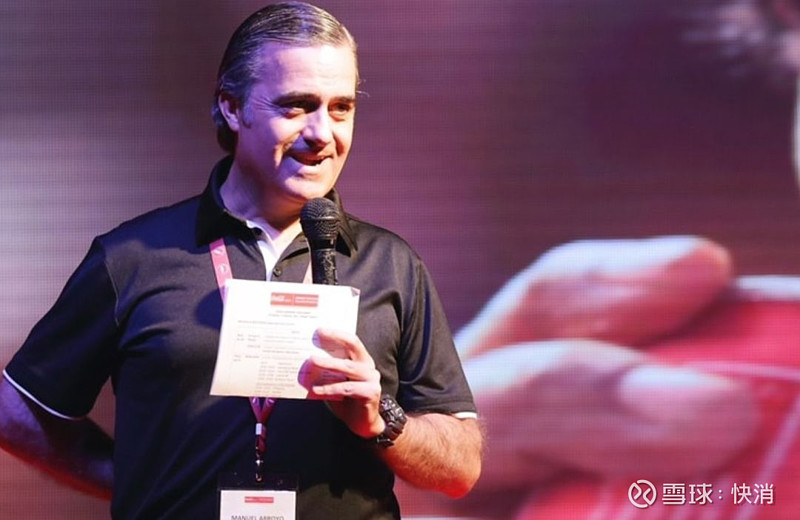
可口可乐表示,作为新任CMO,阿罗约未来将负责包括创意、营销运作、设计以及企业品牌知识在内的全球营销工作。新的组织架构将保证公司稳定增长,而2年前饱受瞩目的CGO职位将不再被需要。
讽刺的是,两年前,CMO也被可口可乐认为是“不被需要”的。
此次变革,是由可口可乐高级副总裁、首席增长官弗朗西斯科·克雷斯波(Francisco Crespo)退休而引发的。两年前,可口可乐的最后一位CMO马科斯•德•昆图(Marcos de Quinto)退休,但公司并没有填补这一人员的空缺,而是索性取消了CMO的职位,旨在整合用户服务和商业运营、商业领导战略及营销业务的CGO(首席增长官)取而代之。
彼时,克雷斯波被任命为可口可乐历史上第一位CGO。耐人寻味的是,两年后,当首任CGO面临退休时,可口可乐同样没有填补这一人员的空缺。甚至,除CMO的营销业务外,可口可乐将CGO的另外两项职能也分割了出来:商业领导战略未来将向首席财务官(CFO)John Murphy汇报,用户服务和商业运营将由首席运营官(COO)Brian Smith领导。
对于上述人士变动,可口可乐CEO詹姆斯·昆西表示,尽管克雷斯波先生为公司的发展建立了强大的框架,但公司需要更加重视营销以加快其愿景,阿罗约先生比克雷斯波担任首席增长官时拥有更多的营销经验。
2017年设立CGO时,可口可乐的说法是“改革架构为了更快的增长”——当时公司增长放缓,软饮消费者逐渐转向更健康的饮料——为了更快地找回年轻消费者,公司将营销与整体战略等整合为一个部门。该做法一度引发争议,有观点认为:“这意味着可口可乐不再信任全球CMO能带动公司的长期增长了”。
换句话说,行销长只会经营品牌、发挥创意是不够的,大部分企业都期许行销长能够同时兼顾顾客关系以及企业收益成长的平衡。宝洁前任执行长就曾公开表示:“现在,营销人员不仅得当个财务专家,还得兼任科技专员,了解怎么透过互联网与顾客建立连结。”
不过,可口可乐引领的这波“去CMO”风潮,引起了各地营销人员的巨大抵制和反弹。他们的核心担忧和困惑在于:为什么品牌不信任CMO能推动企业长期的增长。

彼时,可口可乐英国市场总监Aedamar Howlett强调说,新人事制度使区域营销人员的职责范围更加广泛,但这明显与他们的商业目标背道而驰。万事达卡市场营销商Raja Rajamannar也表示,这是“公司角色进一步受到侵蚀”的证明。公司首席执行官仅仅是追究营销支出的责任,却没有从团队中挖掘出跨越多个业务的人才。
“非营销背景的人被任命为首席客户官和首席增长官等角色”,世界广告商联合会主席拉贾曼纳尔(Rajamannar)说,“整个营销部门并没有被淘汰,而是由非营销人员领导的,这是我所看到的最大问题。”
此外,还有一些行业评论家表示,昆西根本就不相信CMO能够推动长期增长。克雷斯波曾是一名商业总监,总经理兼业务部总裁,其营销经验(至少是书面形式的)是有限的。
事实上,可口可乐拆解CGO职务,并重设CMO一职,已对上述担忧是否成立给出了答案。从本次可口可乐CMO职位的回归来看,大公司如何整合营销架构、如何分配职责仍然没有一个完美的解决方案。“如何增长”以及“如何迅速找到消费者”,在互联网时代,这或许很难短时间内找到答案。
二、生存和转型
两年前,可口可乐公司放弃担任首席营销官的决定,促使其他公司纷纷效仿。
CNBC引述美国市调机构 Forrester 的《2020企业预测报告》指出,麦当劳、Uber、强生等企业都取消了CMO职位。根据执行研究公司Spencer Stuart的报告,Fortune 500大企业拥有行销长一职的比例,由2009年的74%降低到今日的70%。
值得一提的是,两个月前,麦当劳全球行销长西尔维亚·拉格纳多(Silvia Lagnado)离职,官方随即宣布不再任命新继任者,拉格纳多的工作由两位部属接手,直接向麦当劳全球CEO报告。
一夜之间,营销行业仿佛陷入了一种魔咒,被无穷无尽的焦虑笼罩。
“过去,一个营销人的职业规划是,毕业之后找个快消品巨头,从市场专员入行,两年后跳槽去小公司,再两年后回到宝洁,开始管理促销、调研市场、广告、最后成为某家公司的CMO。现在已经不知道该怎么走了”,这句话成了很多营销人的真实写照。
事实上,在期待过高的情况下,CMO这个职位一般都待不了太久。根据顾问公司Korn Ferry的调查报告,CMO一职平均的转职期限为4.1年,其中有过半(57%)都没有办法在这个职位待到3年以上,相较于CEO转职的平均时间提早了3年。
那么,究竟CMO面临着什么变化与挑战?为何企业纷纷出手“拔官”?
事实上,两年前,这种人事重大调整,当时被称为可口可乐企业在营销战略上的一次革命和突破。彼时,可以清晰地看到,在美国以技术驱动的先进互联网企业内广为流传的“增长黑客技术及其方法论”,以及“数据化驱动增长”的体系已经开始向世界五百强企业拓展。
然而,CMO的缺席并不代表这些企业不再重视行销事务。例如,美国国家广告商联合会会长Bob Liodice就表示,“没有人说营销不再重要了,但营销在形式上确实有了很大的变革,许多营销方式、方法该如何融合一体,来获得最大的销售成长机会。”
互联网语境下,消费者随时随地都在接触品牌、企业讯息。手机一滑就能在小红书上看到广告;想联系客服团队,用微博就能快速传递讯息——而这,对营销人员来说其实是巨大的压力。
换句话说,这些企业是因为重视营销、但更希望其符合当下的标准,才除去了CMO这个职位。
过去的营销,只要做好广告、设法把品牌核心价值传递给消费者就好。而现在的营销工作,随时会涌入各式各样的消费者要求。其中,CMO的责任尤其重大,他们需要决定自家品牌的理念与价值,以及如何在每个渠道被消费者看到、并知道。
社群媒体当道,营销渠道愈来愈多,如何操作才能换来最大的销售成长,这是CMO的另一个课题。根据CMO协会一份研究发现,有70%的受访者表示,他们的公司希望营销是业绩成长的来源,但他们的工作并没有实际参与相关的项目。而拿掉CMO之后,可口可乐、金百利等企业不约而同,都选择新设CGO职务,从中可以看出企业的期待。
回到这段长达两年之久的职位变革之争,无数的营销人都在讨论是否有设置CMO的必要,支持者始终认为,品牌的力量不可取代。也有反对者针对性地提出,在现在的市场环境之下,“首席花钱官”存在的意义已经不大,所有的营销必须要有与之相匹配的效果。
Forrester认为:“核心问题在于,多数的CMO并未有效做出应变。而更重要的是,思考转型。”
肯德基CMO安德莉亚.萨曼斯基(Andrea Zahumensky)就是个绝佳案例,她紧密结合产品改革部门和营销部,今年七月成功在美国推广了肯德基的“奇多炸鸡三明治”,迅速达到了话题传播,短时间内吸引了大量关注。
另一个例子是,纽约的化妆品电商公司BIRCHBOX。该公司从去年起转化了传统的CMO职务,摇身一变成了“消费者总监”,不只管行销,更要调查消费者体验,并经营数位相关工程,如此一来,营销与公司其他职能才能更有效地整合起来,发挥成效。
一业内人士表示,CMO一边要负责长期经营公司的品牌形象,一边要每天盯紧营运数据报告,确保每季成绩合乎公司要求,还要能掌握不断冒出来的社群科技,从数据洞察出市场策略,挑战不小。
尽管如此,这并不代表CMO或专业行销人的职务即将消失。只要CMO足够前瞻,能成功帮助公司树立品牌印象、曝光促销资讯进而导购、建立良好的消费者体验,这个职位还是相当有发展性的。
翻译:
In March 2017, after more than 28 years at Coca-Cola, Marcos de Quinto retired from his two-year stint as Chief Marketing officer (CMO). Since then, Coca-Cola has eliminated the CMO role entirely, and Francisco Crespo has controversially taken over as chief growth officer.
Interestingly, Coca-Cola has reinstated the CMO role after a two-year hiatus, with less than half a month left before 2019 ends. As a result, the marketing personnel’s “dignity war”, seems to have begun to turn around.
Exit and encore
Coca-Cola recently announced the appointment of Manuel Arroyo, currently President of Coca-Cola Asia Pacific, as the new Global CMO.
Arroyo joined Coca-Cola’s brand management team in Spain in 1995 before moving to Atlanta in 1998 to develop the company’s global water strategy. Two years later, he returned to Spain, where he spent nearly a decade as marketing director for the Iberia business unit and took on the responsibility for the Asia Pacific region earlier this year.
As the new CMO, Ms Arroyo will be responsible for global marketing including creative, marketing operations, design and corporate brand knowledge, Coca-Cola said. The new structure will ensure steady growth and the CGO position, which was highly coveted two years ago, will no longer be needed.
Ironically, two years ago, CMOs were also deemed “unwanted” by Coca-Cola.
The change was prompted by the retirement of Francisco Crespo, Coke’s senior vice president and chief growth officer. Two years ago, Coke’s last CMO, Marcos de Quinto, retired, but rather than replace him, the company eliminated the CMO position altogether, replacing it with a CGO (chief Growth officer) designed to integrate user services and business operations, business leadership strategy and marketing.
At that time, Crespo was appointed as the first CGO in Coca-Cola’s history. Intriguingly, two years later, when the first CGO faced retirement, Coca-Cola also failed to fill the vacancy. Even in addition to the CMO’s marketing business, Coke has split two other functions of the CGO: Business leadership strategy, which will report to CFO John Murphy in the future, and user services and business operations, which will be led by COO Brian Smith.
In response to the changes, Coca-Cola CEO James Quincey said that while Mr. Crespo had established a strong framework for the company’s growth, the company needed to put more emphasis on marketing to accelerate its vision, and that Mr. Arroyo had more marketing experience than Mr. Crespo had as chief growth officer.
When Coke set up CGO in 2017, it said it was “reforming the structure for faster growth” — at a time when the company’s growth was slowing and soft drink consumers were switching to healthier drinks — and to bring back younger consumers more quickly, the company integrated marketing and overall strategy into one unit. The move sparked controversy, with one saying: “It means Coca-Cola no longer trusts global cmos to drive long-term growth.”
In other words, it’s not enough for a marketing chief to just run the brand and be creative. Most companies expect him to be able to balance customer relationships with revenue growth. As the former CEO of Procter & Gamble said publicly, “Marketers now have to be not only financial experts, but also technology specialists who know how to connect with customers over the Internet.”
However, the “de-cmo” trend led by Coca-Cola has caused a huge backlash and backlash from marketers everywhere. At the heart of their concern and confusion is why brands don’t trust cmos to drive long-term growth.
At the time, Aedamar Howlett, Coca-Cola’s head of marketing in the UK, stressed that the new personnel system, which gave regional marketers a wider range of responsibilities, clearly ran counter to their business objectives. Mastercard marketing marketer Raja Rajamannar also said it was evidence of “further erosion of the corporate role.” The company’s chief executive merely held the marketing spending accountable, but failed to tap the team for talent that spanned multiple businesses.
“People from non-marketing backgrounds are being appointed to roles like chief customer officers and chief growth officers,” says Rajamannar, president of the World Federation of Advertisers. “The whole Marketing Department is not being phased out, it’s being led by non-marketers, and that’s the biggest problem I see.”
Moreover, some industry critics say Quincey simply doesn’t believe cmos can drive long-term growth. Crespo is a former commercial director, general manager and business unit president whose marketing experience (at least on paper) is limited.
Indeed, Coca-Cola’s dismantling of the CGO role and the replacement of the CMO role has answered the question of whether this concern is valid. The return of Coca-Cola’s CMO position shows that there is still no perfect solution for how big companies integrate marketing structures and assign responsibilities. “How to grow” and “how to find consumers quickly” may be difficult to find in the Internet age in a short time.
Survival and Transformation
Coca-Cola’s decision two years ago to abandon the role of chief marketing officer prompted others to follow suit.
Companies such as McDonald’s, Uber and Johnson & Johnson have all eliminated CMO positions, according to Forrester’s 2020 Business Forecast report, cited by CNBC. According to executive research firm Spencer Stuart, 70 percent of Fortune 500 companies have a marketing chief, down from 74 percent in 2009.
It’s worth noting that two months ago, McDonald’s global marketing chief Silvia Lagnado stepped down and officials announced that no new successor would be named. Lagnado’s job was taken over by two subordinates reporting directly to McDonald’s global CEO.
Overnight, it was as if the marketing industry had fallen under a spell of endless anxiety.
“In the past, a marketer’s career plan was to graduate and work for a big FMCG, start as a marketing specialist, move to a small company after two years, then come back to Procter & Gamble after two years, start managing promotions, research markets, advertising, and eventually become a CMO for a company. Now I don’t know how to go “, this sentence has become the true portrayal of many marketing people.
In fact, CMOs generally don’t last long when expectations are too high. The average tenure of a CMO is 4.1 years, and more than half (57 percent) don’t stick around for more than three years, three years earlier than the average CEO, according to a survey by consulting firm Korn Ferry.
So, what changes and challenges are CMOs facing? Why enterprises have to hand “pull official”?
In fact, two years ago, this major adjustment of personnel was called a revolution and breakthrough in the marketing strategy of Coca-Cola enterprises. At that time, it was clear that the system of “growth hacking technology and methodology” and “data-driven growth”, which were widely spread in the advanced technology-driven Internet enterprises in the United States, had begun to expand to the world’s Fortune 500 enterprises.
However, the absence of cmos does not mean that these companies are no longer focused on marketing. For example, Bob Liodice, president of the National Advertisers Association, said, “No one is saying that marketing is no longer important, but there has been a big change in the form of marketing and how many methods and approaches can be integrated to maximize sales growth.”
In the context of the Internet, consumers are exposed to brand and enterprise information anytime and anywhere. You can swipe your phone and see ads in Little Red Books. If you want to reach your customer service team, you can use Twitter to send a message quickly — and that’s a lot of pressure for marketers.
In other words, these companies have eliminated CMOs because they value marketing but prefer it to conform to today’s standards.
Marketing in the past, as long as good advertising, try to pass the core value of the brand to consumers. And now the marketing work, at any time will be flooded with all kinds of consumer requirements. Cmos, in particular, have a big responsibility to determine the concept and value of their brand and how it will be seen and known by consumers in every channel.
With the advent of social media and more and more marketing channels, how to maximize sales growth is another topic for CMOs. According to a study by the CMO Institute, 70 percent of respondents said their companies want marketing to be a source of growth, but their jobs don’t involve them. After the elimination of CMO, Coca-Cola, Kimberly and other companies have chosen to create new CGO positions, which can be seen from the expectation of the companies.
Going back to the two-year long job change debate, when countless marketers debated the need for a CMO, proponents consistently argued that the power of the brand was irreplaceable. Some critics point out that in the current market environment, “chief spending officer” has little meaning, and all marketing must match the effect.
“The core problem is that most cmos don’t adapt effectively,” Forrester says. And more importantly, think about transformation.”
KFC CMO Andrea. A good example is Andrea Zahumensky, who worked closely with the product reform and marketing departments to promote KFC’s “Cheetos Fried chicken sandwich” in the U.S. in July, which quickly went viral and attracted a lot of attention in a short time.
Another example is BIRCHBOX, a cosmetics e-commerce company based in New York. Last year, the company switched from a traditional CMO role to a “consumer director,” who does not focus on marketing, but investigates the consumer experience and runs digital projects, so that marketing can be more effectively integrated with the company’s other functions.
An industry insider said, CMO side to be responsible for the long-term management of the company’s brand image, while to keep an eye on the daily operating data report, to ensure that quarterly results meet the company’s requirements, but also to master the constantly emerging social technology, from the data insight into the market strategy, the challenge is not small.
That doesn’t mean CMOs or professional marketers are about to disappear, though. As long as the CMO is forward-looking enough to successfully help the company build brand awareness, expose promotional information to lead customers, and build a good customer experience, the position is quite developmental.
本文由CXO UNION-CXO联盟(cxounion.cn)转载而成,来源于网络;作者:快消,李珂;编辑/翻译:CXO UNIONCXO联盟小C。
如需加入CXO UNION(CXO联盟)高管社群,请联系社群小伙伴哦~

免责声明: 本网站(http://www.cxounion.cn/)内容主要来自原创、合作媒体供稿和第三方投稿,凡在本网站出现的信息,均仅供参考。本网站将尽力确保所提供信息的准确性及可靠性,但不保证有关资料的准确性及可靠性,读者在使用前请进一步核实,并对任何自主决定的行为负责。本网站对有关资料所引致的错误、不确或遗漏,概不负任何法律责任。
本网站刊载的所有内容(包括但不仅限文字、图片、LOGO、音频、视频、软件、程序等) 版权归原作者所有。任何单位或个人认为本网站中的内容可能涉嫌侵犯其知识产权或存在不实内容时,请及时通知本站,予以删除。
如需加入CXO UNION(CXO联盟)高管社群,请联系社群小伙伴哦~

免责声明: 本网站(http://www.cxounion.cn/)内容主要来自原创、合作媒体供稿和第三方投稿,凡在本网站出现的信息,均仅供参考。本网站将尽力确保所提供信息的准确性及可靠性,但不保证有关资料的准确性及可靠性,读者在使用前请进一步核实,并对任何自主决定的行为负责。本网站对有关资料所引致的错误、不确或遗漏,概不负任何法律责任。
本网站刊载的所有内容(包括但不仅限文字、图片、LOGO、音频、视频、软件、程序等) 版权归原作者所有。任何单位或个人认为本网站中的内容可能涉嫌侵犯其知识产权或存在不实内容时,请及时通知本站,予以删除。
Search
Popular Posts
-

2024数字化灯塔案例评选申报开启!
“2024数字化灯塔案例评选”于3月正式启动,诚挚欢迎业界同仁自荐和推荐,一起推动产业数字化进程,助力赋能企业…
-

2024 X-Award星盘奖申报通道已开启!
X-Award星盘奖是数字化转型服务、IT服务行业重要的商业奖项,旨在表彰行业里提供杰出数字化转型服务与IT服…
-

2024 N-Award星云奖申报通道已开启!
N-Award是数字化转型领域重要的商业奖项,旨在表彰那些以非凡的远见、超群的领导才能和卓越的成就来激励他人的…