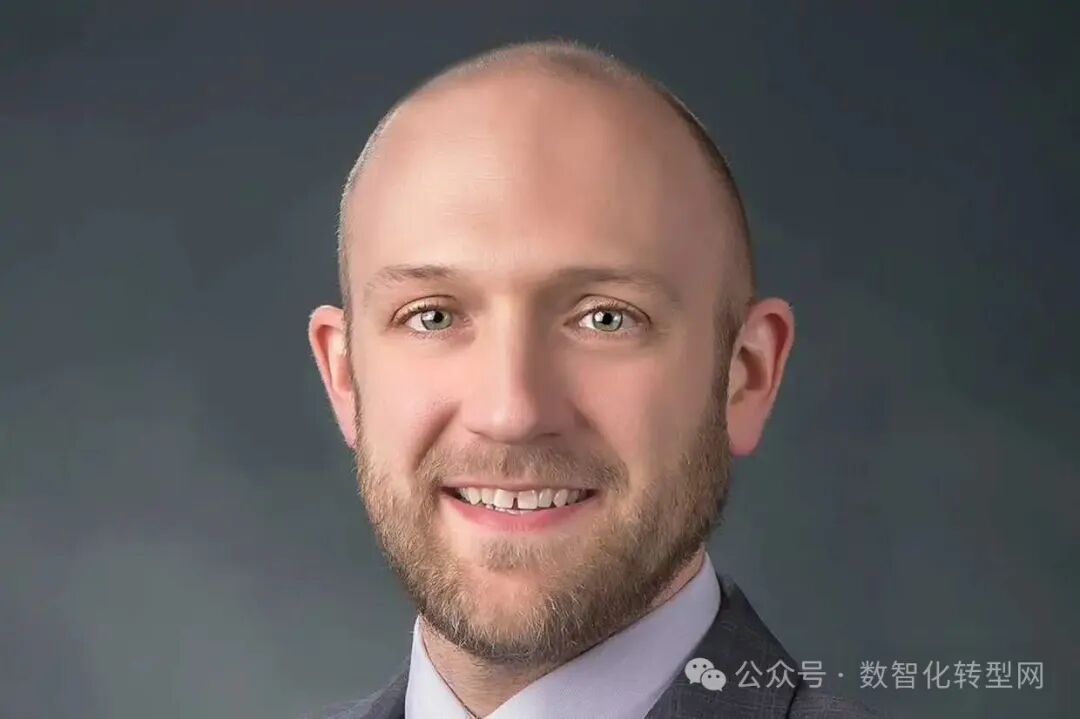
“尽管我们有很好的临床技术,很多优秀的医生,同时也有很多创新药,但目前大众对于癌症早筛的认知还较低。”在4月15-21日第29个全国肿瘤防治宣传周期间,诺辉健康董事长兼CEO朱叶青在南方财经全媒体集团旗下《21世纪经济报道》、21世纪新健康研究院推出的“癌症防治全面行动——21CC 2023全国肿瘤防治宣传周系列直播”活动中做主旨演讲时表示,肿瘤防控关键在于认知的改变。(http://www.cxounion.cn/
朱叶青指出,大部分人对于无症状时候的筛查,基本上还处于一个非常低的认知状态。不过,此次新冠疫情帮助教育了这个市场,越来越多的人认为认可到像癌症这样的重大疾病,要实现关口前移,重心下沉,是健康管理非常重要的一步,越来越多的人认识到无症状的筛查才是真正防治这些重大疾病的最有效手段。
朱叶青指出,目前癌症有四级防控体系,一级防控体系是尽可能避免癌症发生;二级防控体系是在癌症发展前期及时发现,把癌症消灭在萌芽状态;三级防控是通过先进手段早发现、早干预;四级防控是通过有效的治疗手段,提升患者生活质量。“癌症防治的黄金窗口期其实是在筛查阶段,二级三级防御阶段,我们希望疾病没有发生到癌症的时候,通过筛查就能够及早地发现,及早地干预,从而能够降低癌症的发病率。”
值得注意得是,朱叶青也提到,部分传统筛查方法会给患者带来较强的不适感,并在筛查领域存在一定的盲区。“以肠道筛查为例,从我们统计数据看,有95%的体检当中,肠道筛查是个盲区,这意味着我们平时缺乏有效的手段去管理和维护我们的肠道健康。而且,虽然也有无痛肠镜,但平均需排队时间半年到一年,目前亟需使用方法简单、无痛的早筛产品。”(http://www.cxounion.cn/
朱叶青进一步指出,在医疗体系中,肠镜的资源也是供给不足的,不仅是设备,而且包括可以去做肠镜的医护人员在中国也是严重缺失的,供给远远不足。而对于缺位的肿瘤筛查现状,需要一些更好的手段,更先进的技术来帮助及补位,面对肿瘤筛查的现实挑战。
一、我国消化系统癌症筛查“缺位”
中国前六的高发癌症中,消化系统癌占四个。“这充分验证了我们经常听到的一句话,即中国人很多疾病是吃出来的。”朱叶青称。(http://www.cxounion.cn/
在消化道癌症里,肠癌和胃癌显得尤为突出。在最新发布的全国癌症图谱里,肠癌已经成为中国第二大高发癌症,我国患者占全球新增肠癌患者的30%,胃癌是中国第三大的高发癌症,在全球新增的胃癌患者中占比44%。
这充分说明,消化系统癌症是困扰中国人健康的非常重要的一个因素。但目前很多癌症都缺乏有效的筛查手段。例如中国人高发的肠癌,缺乏有效的筛查手段。目前我国常规体检套餐中,真正跟肠道筛查相关的只有便潜血检测。统计来看,在95%的体检中,肠道筛查都是盲区。
其主要原因之一在于,传统筛查方法给患者带来的不适感较强。例如有患者称,“肠镜检查非常痛苦,像医生用一个长满刺的铁棍子在肚子里搅,这辈子都不想做第二次”。(http://www.cxounion.cn/
事实上,在现有医疗体系中,肠镜资源供给不足。这里的肠镜资源不仅仅是常见的检测设备,更重要的是与肠镜相关的医护人员,在中国严重缺失,供给远远不足。硬件可通过各种方法解决,但如果缺乏医生,即使有再多场景,也没办法真正有效的用到用户身上。
“如果将中国目前肠镜资源全部用于筛查,则待筛查人群完成1次肠镜检查需要超过56年,这是非常严峻的事实。因此,我们需要更好的技术手段补足肿瘤筛查缺位。”朱叶青称。
究竟什么样筛查才是有临床价值?朱叶青表示,三点非常重要。一是筛查需要有明确的临床指导意义。例如医生在得知筛查结果后,可以清晰地知道下一步如何操作。(http://www.cxounion.cn/
以肠癌为例,如果筛查结果是阳性,医生要有相关数据判断患者进入下一步肠镜计划;更重要的是,如果筛查结果是阴性,医生不用担心漏检风险,可以让用户在现阶段没有症状的情况下,不用占用有限的肠镜筛查资源。
二是简便的确诊方法。“当通过筛查知道用户是阳性时,医生下一步要用临床金标准去确诊用户是不是罹患癌症,或处于癌前病变时期,这需要一些简便的确诊方法来去帮助医生判断。”朱叶青称。
例如肠癌、胃癌可通过内镜,甚至切片判断,有创甚至需要手术。而很多癌症特别是实体癌症,现在缺乏简便的确诊办法,因此筛查推行会遇到困难。(http://www.cxounion.cn/
三是可行的临床干预手段,这也是非常重要的一点。“当确诊用户患癌以后,临床上是不是有有有效的可行的干预手段很重要。如果缺乏干预手段,即使筛查出来,也无法改善,还会增加更多焦虑。”
综合来看,好的筛查方式必须具备明确的临床指导意义,简便的确诊方法和可行的临床干预手段。
二、筛查场景下沉是未来方向
将筛查场景尽可能下沉至居家,可大大提高高风险人群的筛查有效性和依从性。
朱叶青也不止一次在公开场合强调,早筛产品的应用场景一定是在医院外,同时诺辉要明确早筛产品的临床路径,使产品具备更加明确的临床意义,才能让更多专业医生为产品背书,这也是诺辉以医院端为基础,服务普通消费者的关键。(http://www.cxounion.cn/
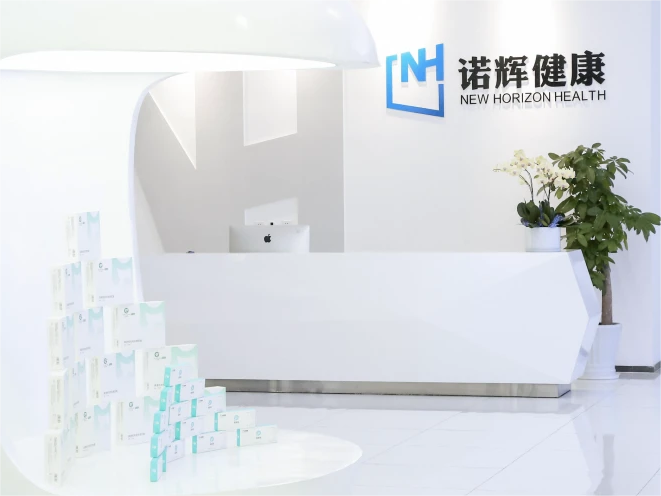
以诺辉健康产品常卫清为例,其使用方法简单,居家取样5克的粪便样本,然后寄到我们的检测中心,3~5个工作日就能出检测报告。检测报告阳性用户需要去做肠镜进一步确诊,阴性阴性用户则可放心回家。
值得注意的是,该产品目前唯一获批国家药监局的癌症早筛许可证。2020年,NMPA官网显示,经审查批准诺辉健康的创新产品“KRAS基因突变及BMP3/NDRG4基因甲基化和便隐血联合检测试剂盒(PCR荧光探针法-胶体金法)”的注册。该产品适用于年龄40-74岁的结直肠癌高风险人群,不能替代肠镜,临床诊断过程中不应以本产品检测结果作为临床诊断的唯一依据。
2021年至2022年,诺辉健康共计服务超50万常卫清用户完成检测。用户人群覆盖了包含港澳台全国所有34个省级行政区。报告显示,检测者中位年龄为45岁,结直肠癌患者最大年龄为88岁,最小年龄为43岁;腺瘤患者最大年龄为85岁,最小年龄为23岁。阳性率最高的3个省市为上海、广东、北京,分别为11.2%,10.8%和9.1%。从40岁开始,每10年为界,受检者人群40-50岁阳性率为4.2%,50-60岁阳性率为5.8%,60-70岁阳性率为9.9%,70岁以上阳性率为10.9%。以肠镜为标准,常卫清阳性且肠镜检出异常发现疾病数据分别为:腺瘤、息肉占比为83.2%,结直肠癌占比为2.7%,其他疾病异常占比为14.1%。诺辉健康一直走的是以院内严肃医疗为基础,多元化的商业化模式,“幽幽管”也是通过消费者自测把筛查场景下沉到家庭。幽幽管于2021年12月31日获批国家药品监督管理局三类医疗器械注册证,是国内目前唯一适用于“消费者自测”的幽门螺杆菌检测产品。(http://www.cxounion.cn/
幽门螺杆菌在2021年被美国FDA正式升级为一级致癌物,其是导致胃癌的最直接的,也是最重要的因素。
目前中国人的幽门螺杆菌感染率非常高。研究表明,中国有超过70%的家庭,至少有一位幽门螺杆菌阳性患者。幽幽管可以完全实现居家自测,用户只需要在自己的粪便样本上取5个位点,5分钟内就能出检测报告。
不同于传统的呼气法需去医院或其他专业机构检测,幽幽管可居家检测,操作方法简单,能够大幅度降低筛查门槛,真正把胃癌筛查重心下沉到家庭,让更多人愿意去参与到筛查中去。
另外,对于产品而言,用户信任的基础是注册临床数据和合规。以常卫清为例,其经过中国首个癌症早筛大规模前瞻性多中心注册临床试验Clear-C。(http://www.cxounion.cn/
2021年3月5日,“中国器审”官方发文评价称,“此前批准的相关产品均未按照上述要求进行前瞻性的临床试验,仅针对结直肠癌不同分期患者和非结直肠癌患者进行富集入组,评价产品临床灵敏度和特异度,无法对产品阳性预测值和阴性预测值进行系统性评价。同时产品的灵敏度不能达到较好的水平,不足以支持其用作疾病早期筛查方法。”
如需加入CXO UNION(CXO联盟)高管社群,请联系社群小伙伴哦~

翻译
“Even though we have good clinical technology, a lot of good doctors. And a lot of innovative drugs, the public awareness of early screening is still low.”
During the 29th National Cancer Prevention and Control Awareness Week, April 15-21, Zhu Yeqing, chairman and CEO of Nuhui Health, delivered a keynote speech at the “Comprehensive Action on Cancer Prevention. And Control — 21CC 2023 Live Broadcast of the National Cancer Prevention and Control Publicity Week”. Which was launched by the 21st Century Economic Herald under the Southern Finance Omnimedia Group and the 21st Century New Health Research Institute. And said that the key to cancer prevention and control lies in the change of cognition.
Zhu Yeqing points out that most people still have a very low awareness of screening when they are asymptomatic. However, the COVID-19 pandemic has helped educate the market. More and more people believe that recognizing a major disease like cancer. That moving the threshold forward and sinking the center of gravity, is a very important step in health management. More and more people realize that asymptomatic screening is the most effective way to really prevent these major diseases.
improve the quality of life
Zhu Yeqing pointed out that currently there is a four-tier cancer prevention and control system. And the first-tier prevention and control system is to avoid cancer as much as possible. The secondary prevention and control system is to detect cancer in the early stage of development and nip it in the bud; Tertiary prevention and control means early detection and intervention by advanced means; Level 4 prevention and control is to improve the quality of life of patients through effective treatment. “The golden window for cancer prevention is actually in the screening stage, the secondary and tertiary defense stage. And we hope that when the disease does not develop into cancer, through screening. We can detect it early and intervene early so that we can reduce the incidence of cancer.”
It is worth noting that Zhu Yeqing also mentioned that some traditional screening methods will bring strong discomfort to patients. And there are certain blind areas in the screening field. “Take intestinal screening for example. According to our statistics, in 95% of physical examinations, intestinal screening is a blind area. Which means that we lack effective measures to manage and maintain our intestinal health. And, although painless colonoscopes are available, the average waiting time is six months to a year, so there is an urgent need for simple, painless early screening products.”
Zhu Yeqing further pointed out that in the medical system, resources for colonoscopy are also in short supply. Not only the equipment, but also the medical staff who can do colonoscopy are also in serious shortage in China, and the supply is far from sufficient. As for the current situation of tumor screening, some better means and more advanced technology are needed to help and replace the vacancy, so as to face the realistic challenges of tumor screening.
Cancer screening in Chinese digestive System ‘missing’
Digestive system cancers account for four of the top six most common cancers in China. “This fully confirms what we often hear, that Chinese people eat a lot of their diseases.” Zhu Yeqing said.
Among cancers of the digestive tract, bowel cancer and stomach cancer are particularly prominent. In the newly released National Cancer Atlas, bowel cancer has become the second most frequent cancer in China, and Chinese patients account for 30% of the new cancer patients in the world. Gastric cancer is the third most frequent cancer in China, accounting for 44% of the new cancer patients in the world.
This fully shows that digestive system cancer is a very important factor troubling the health of Chinese people. But there is currently a lack of effective screening for many cancers. For example, there is a high incidence of bowel cancer in China, which lacks effective screening methods. At present in the routine physical examination of our country, the only relevant screening is stool occult blood test. Statistically, intestinal screening is a blind spot in 95 percent of physical examinations.
“The colonoscopy is so painful that it feels like the doctor is beating the stomach with an iron stick full of thorns. I don’t want to do it again
One of the main reasons for this is that patients are more uncomfortable with traditional screening methods. For example, one patient said, “The colonoscopy is so painful that it feels like the doctor is beating the stomach with an iron stick full of thorns. I don’t want to do it again.”
In fact, colonoscopy resources are in short supply in the current health care system. Colonoscopy resources here are not only common testing equipment, but more importantly, medical personnel related to colonoscopy. In China, there is a serious shortage and the supply is far from sufficient. Hardware can be solved in a variety of ways, but without a doctor, no matter how many scenarios you have, you can’t really use the user effectively.
“If all the current colonoscopy resources in China were used for screening, it would take more than 56 years to complete one colonoscopy for the screening population, which is a very serious fact. So we need better technology to fill the gap in cancer screening.” Zhu Yeqing said.
What screening is clinically valuable? According to Zhu Yeqing, three points are important. First, screening needs to have clear clinical guiding significance. For example, when a doctor learns the results of a screening test, he or she knows exactly what to do next.
worry about the risk of missing a test
For bowel cancer, for example, if the screening result is positive, the doctor should have the relevant data to decide whether the patient should proceed to the next colonoscopy program. More importantly, if the screening results are negative, doctors will not have to worry about the risk of missing a test, allowing users to avoid using limited resources for colonoscopy screening at this stage when they are asymptomatic.
The second is a simple diagnosis method. “When a user is known to be positive through screening, the next step for doctors is to use the gold standard to determine whether the user has cancer or is in a precancerous stage. There needs to be some simple diagnostic method to help doctors determine that.” Zhu Yeqing said.
For example, bowel cancer and stomach cancer can be judged by endoscopy or even biopsy, and may be invasive or even require surgery. Many cancers, especially solid cancers, lack an easy way to diagnose them, so screening will be difficult.
And the third is a viable clinical intervention, which is also a very important point. “When a patient is diagnosed with cancer, it is important that there are effective interventions available clinically. Without interventions, even if they are detected, they will not improve, and they will increase anxiety.”
To sum up, a good screening method must have clear clinical guidance, simple diagnosis method and feasible clinical intervention means.
Screening scene subsidence is the future direction
Setting the screening scenario as close to home as possible can greatly improve screening effectiveness and compliance in high-risk populations.
Zhu Yeqing also stressed on more than one public occasion that the application scene of early screening products must be outside hospitals. Meanwhile, Nuohui should clarify the clinical path of early screening products, so that the products have more clear clinical significance, so that more professional doctors can endorse the products, which is also the key for Nuohui to serve ordinary consumers based on the hospital.
Take Nuohui Health product Chang Weiqing as an example, its use method is simple, sample 5 grams of stool at home, and then send to our testing center, the test report can be produced in 3 to 5 working days. Test positive users need to go to the colonoscopy for further diagnosis, negative users can rest assured to go home.
It is worth noting that this product is currently the only one approved by the State Food and Drug Administration of cancer early screening license.
In 2020, the official website of NMPA shows that it has approved the registration of Novi Health’s innovative product “KRAS gene mutation and BMP3/NDRG4 gene methylation and fecal occultic blood test kit (PCR fluorescence probe method – Colloidal gold method)”. This product is suitable for people aged 40-74 years old who are at high risk of colorectal cancer. It cannot replace colonoscopy, and the test results of this product should not be taken as the sole basis for clinical diagnosis.
From 2021 to 2022, Nuohui Health has served more than 500,000 Chang Weiqing users to complete testing. The user base covers all 34 provincial-level administrative regions including Hong Kong, Macao and Taiwan. The report showed that the median age of the test subjects was 45 years old. The oldest age of colorectal cancer patients was 88 years old and the youngest age was 43 years old. The age of adenoma patients ranged from 85 years to 23 years. The highest positive rate was 11.2% in Shanghai, 10.8% in Guangdong and 9.1% in Beijing.
is currently the only Helicobacter pylori detection product applicable to
Starting from the age of 40, the positive rate of patients aged 40-50 was 4.2%, that of those aged 50-60 was 5.8%. That of those aged 60-70 was 9.9%, and that of those over 70 was 10.9%. Based on colonoscopy, the disease data of Chang Weiqing positive and abnormal colonoscopy were as follows: adenoma and polyp accounted for 83.2%, colorectal cancer accounted for 2.7%, and abnormal other diseases accounted for 14.1%. Nuohui Health has been following a diversified commercial model based on serious medical treatment in hospitals. “Youyouguan” also extends the screening scene to families through self-testing by consumers. Youguan was approved as a Class III medical device registration certificate of the State Medical Products Administration on December 31, 2021. And is currently the only Helicobacter pylori detection product applicable to “consumer self-testing” in China.
Helicobacter pylori was officially upgraded as a Class 1 carcinogen by the FDA in 2021, which is the most direct and important factor in causing gastric cancer.
At present, the infection rate of Helicobacter pylori among Chinese people is very high. Studies show that more than 70 percent of Chinese families have at least one Helicobacter pylori positive patient. Youyouguan can fully realize home self-test. Users only need to take five sites on their stool samples, and the test report will be available within five minutes.
make more people willing to participate in the screening
Different from the traditional expiratory method. Which requires the detection of hospitals or other professional institutions, Youyouguan can be detected at home with simple operation method, which can greatly reduce the threshold of screening, truly sink the focus of gastric cancer screening to the family, and make more people willing to participate in the screening.
In addition, for products, the foundation of user trust is registered clinical data and compliance. Weiqing Chang, for example, underwent Clear-C, China’s first large-scale prospective multicenter clinical trial of early screening for cancer.
On March 5, 2021, the official publication of “China Organ Review” stated that, “No prospective clinical trials have been conducted on the previously approved products in accordance with the above requirements. Only patients with different stages of colorectal cancer. And non-colorectal cancer patients were enrolled to evaluate the clinical sensitivity and specificity of the products. And the positive predictive value and negative predictive value of the products could not be systematically evaluated. At the same time, the sensitivity of the product is not good enough to support its use as an early screening method for disease.”
本文由CXO UNION-CXO联盟(cxounion.cn)转载而成,来源于21世纪经济报道;编辑/翻译:CXO UNIONCXO联盟小O。
免责声明: 本网站(http://www.cxounion.cn/)内容主要来自原创、合作媒体供稿和第三方投稿,凡在本网站出现的信息,均仅供参考。本网站将尽力确保所提供信息的准确性及可靠性,但不保证有关资料的准确性及可靠性,读者在使用前请进一步核实,并对任何自主决定的行为负责。本网站对有关资料所引致的错误、不确或遗漏,概不负任何法律责任。
本网站刊载的所有内容(包括但不仅限文字、图片、LOGO、音频、视频、软件、程序等) 版权归原作者所有。任何单位或个人认为本网站中的内容可能涉嫌侵犯其知识产权或存在不实内容时,请及时通知本站,予以删除。
如需加入CXO UNION(CXO联盟)高管社群,请联系社群小伙伴哦~

免责声明: 本网站(http://www.cxounion.cn/)内容主要来自原创、合作媒体供稿和第三方投稿,凡在本网站出现的信息,均仅供参考。本网站将尽力确保所提供信息的准确性及可靠性,但不保证有关资料的准确性及可靠性,读者在使用前请进一步核实,并对任何自主决定的行为负责。本网站对有关资料所引致的错误、不确或遗漏,概不负任何法律责任。
本网站刊载的所有内容(包括但不仅限文字、图片、LOGO、音频、视频、软件、程序等) 版权归原作者所有。任何单位或个人认为本网站中的内容可能涉嫌侵犯其知识产权或存在不实内容时,请及时通知本站,予以删除。
Search
Popular Posts
-

2024数字化灯塔案例评选申报开启!
“2024数字化灯塔案例评选”于3月正式启动,诚挚欢迎业界同仁自荐和推荐,一起推动产业数字化进程,助力赋能企业…
-

2024 X-Award星盘奖申报通道已开启!
X-Award星盘奖是数字化转型服务、IT服务行业重要的商业奖项,旨在表彰行业里提供杰出数字化转型服务与IT服…
-

2024 N-Award星云奖申报通道已开启!
N-Award是数字化转型领域重要的商业奖项,旨在表彰那些以非凡的远见、超群的领导才能和卓越的成就来激励他人的…