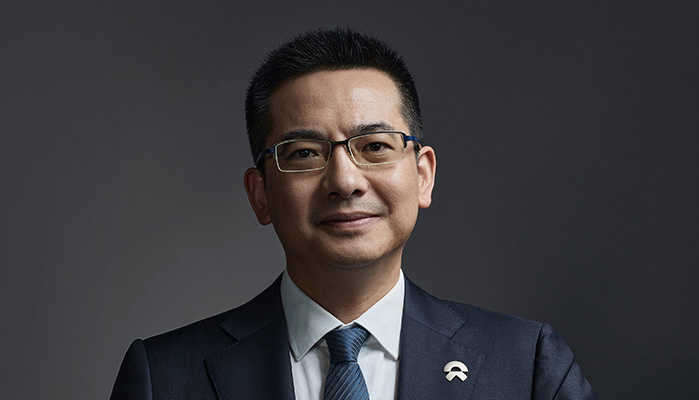
受访者:蔚来联合创始人、总裁 秦力洪
访谈者:麦肯锡全球董事合伙人 管鸣宇;麦肯锡全球副董事合伙人 周冠嵩
摘要:作为中国电动汽车造车新势力中的领军企业,蔚来以其独特的“用户运营”理念赢得了市场广泛瞩目,但也催生了关于该模式盈利性、可持续性等的讨论。在与麦肯锡全球董事合伙人管鸣宇及全球副董事合伙人周冠嵩的对话中,蔚来联合创始人、总裁秦力洪从用户运营的底层逻辑、投入与回报以及蔚来的实践对全行业提供的借鉴等角度,分享了蔚来对用户运营理念的思考,以及宝贵的实践经验。CXO UNION-CXO联盟(cxounion.cn)
Chapter 1: 用户运营的底层逻辑
麦肯锡:用户运营是蔚来的一大特色。蔚来为什么要做用户运营?它的底层逻辑是什么?核心竞争力又体现在哪些地方?
秦力洪:商业模式上,企业是否和用户有天然的长周期触点,是能否开展用户运营的大前提。以我在创办蔚来之前曾从事的房产及物业行业为例:物业天然适合用户运营,因为业主在你的小区里一住就是十年;但房地产则不然,买卖双方在房产交易后基本就终止接触了。
以此来简单分析一下今天的汽车行业,会发现大部分车企事实上并不拥有用户触点。不妨看一下典型传统车企的交易流:售前阶段,主要是通过各类营销手段来接触潜客;成交阶段,把车卖给经销商,对车企而言,整个交易至此实际上就结束了;售后阶段,除了发生召回,车企与购车者之间更是鲜有联系。所以在车辆的整个生命周期中,传统车企几乎不拥有用户触点,也就没有任何用户运营的空间可言。CXO UNION-CXO联盟(cxounion.cn)
而在蔚来,我们通过直销和直接服务拥有长周期的用户触点,满足用户运营的前提条件。至于我们为什么要做用户运营,主要有两个方面的出发点。
首先,我们跟用户有这么长的接触面,这么深的交道,用户生命周期的价值潜力显而易见,那么我们能否通过用户运营,把这部分价值释放出来?其次,我们希望自己的整车品牌能享有一定溢价。CXO UNION-CXO联盟(cxounion.cn)
上面这两点就是我们构建一系列用户运营商业实践的前提。消费者的支付意愿,永远都受理性与感性双重因素的驱动。一方面,我们在产品本身的研发、采购、制造上精益求精,满足消费者的理性追求;另一方面,我们也通过用户运营来创造长期的高满意度,并以此作为品牌附加值的重要支撑。不妨做个假设:如果蔚来不做直销,也不做用户运营,就单纯模仿传统主机厂的分销体系,我们的车能卖多少钱?我个人的直觉是,可能要在今天的售价上减掉20%。很长时间里,中国车企的定价是存在“天花板”的:同样的产品,甚至中国车可能还更好一点,但约定俗成地就比韩国车便宜2万,比日本车便宜3万,比德国车便宜更多,似乎只有这样才能打开销路。在这个大环境中,车企敢不敢对这样的定价说“不”?甚至于将价格定得比德国品牌还贵几万?你又凭什么比德系还贵?这虽是一个假设的问题,但却是我们创业之初的重要讨论议题。
通过包括用户运营在内的诸多努力,蔚来得到一个非常直观的成果,那就是一个相对较高的品牌溢价。蔚来目前的平均开票价高于某些传统德系豪车品牌,且高出较大一截。如果传统策略上要比德系豪华品牌便宜几万,那我们定价比它们贵几万,这两个定价之差就可以说是我们的增值。这就是我们做用户运营带来的一个最直观的成果。CXO UNION-CXO联盟(cxounion.cn)
麦肯锡:除了溢价外,您也提到了车辆全生命周期内的价值挖掘,能就这个方面介绍一下吗?另外,也有人说,所谓的“用户运营”,就是销售要搞好客户关系。对此您怎么看?
秦力洪:不能简单地把用户运营等同于关系打造,或者一些表面上的互动。用户运营是需要完整的体系能力来支撑的。蔚来从一开始就着力于构建一套自己的体系,如APP、NIO House、服务无忧、NIO Life等。这些举措不仅帮助我们提升了用户满意度,保证了品牌溢价,同时用户全生命周期的价值挖掘也让我们获益匪浅。以NIO Life为例,目前的渗透率在用户存量的50%以上,平均每个用户的年花费是两千元,当然有些是通过积分来兑换的。
用户运营这个事儿难不难呢?既难,也不难。不难在哪里呢?一个花四五十万买车且注定要跟蔚来绑定至少五六年的用户,只要体验良好,很大概率能再催生一些其他消费。还是拿物业来举例:买了豪宅的业主,对物业的素质及服务又挺满意,现在物业推出一些其他增值业务,如家电维修、接送孩子等,比外面价格公道,又知根知底,业主当然是更放心的。
那为什么又说用户运营难呢?首先,经销体系的车企就做不了,怎么实现绕过经销商去卖这些增值服务呢?其次,传统汽车行业的运行逻辑及企业架构也不支持用户运营。传统主机厂的部门KPI可能无法完全照顾到企业的长远利益:比如,市场部门要推任何事情,都必须首先证明当年的投资回报水平。但在蔚来,我们做的这些事情,具体的财务回报可能要在若干年后才能实现。所以,用户运营决策只有对公司有绝对掌控力,且发自内心认同这个理念的人,才能推动得起来。也就是做事的和拍板的,必须是同一拨人。CXO UNION-CXO联盟(cxounion.cn)
Chapter 2: 用户运营的投入及回报
麦肯锡:用户运营需要真金白银的投入。从用户角度出发,我会乐见蔚来在我身上多花钱。但从投资者的角度出发,自然会关心用户运营模式到底能不能给公司赚钱?
秦力洪:关于财务回报,我们有自己的单车全生命周期商业模型,里面有两个最重要的项目:单车销售成本,以及车辆全生命周期内的单车服务成本。CXO UNION-CXO联盟(cxounion.cn)
单车销售成本包括广告、新车发布会的费用等。如果遵循传统模式,蔚来在这一块的成本不可能比传统豪华品牌低,反而会高很多。比如同样都去买30秒电视广告,支出是相近的,但传统豪华品牌的广告投放能触发近百万台的年销量,单车的广告支出会显著低于蔚来。这样巨大的差距,即便我们将效率提升、精准投放等做到极致,也不可能扳回来。所以,要和有规模优势的传统车企竞争,我们的打法必须差异化。CXO UNION-CXO联盟(cxounion.cn)
这个差异化如何体现?我们觉得只能在一个变量上下功夫,那就是用户推荐。这样一来,蔚来唯一可行的战略抓手就是如何系统性提高老用户推荐新用户的占比。这就又回到了高满意度,因为高推荐率源自高满意度。但是,单有高满意度,也未必能产生高推荐率,必须要有一定的转化机制来配合。这就需要我们增加活动,尤其是线下活动的频次,并把推荐场景做得尽可能自然,让用户可以高高兴兴地带着朋友来,而不觉得生硬或有推销感。这种打法迥异于行业常见的、目的性极强的销售推介活动。CXO UNION-CXO联盟(cxounion.cn)
除了用户推荐,举办效果火爆的大型活动则是我们另一个重要的举措。以2017年底的第一次NIO Day为例,在活动结束24小时内收到的订单量,按照后面的交付量来算,足以满足一年半的交付。当然彼时新工厂产能受到诸多限制,交付时间太长,导致部分订单流失,最终实际情况是交付了一年。开一次发布会得到的订单量,就够交付一年,这意味着接下来这一年的大广告就不用投入了,实现了系统性的降本;而节省下的资源又能投去做已有兴趣用户的维护,这一成本会远小于通过投大广告来获取新的潜客。CXO UNION-CXO联盟(cxounion.cn)
除了单车销售成本外,商业模型中的另一个重要项目是单车服务成本。在最初几年整车销量较小的时候,单位成本可能很夸张;但随着销量及保有量的提升,单位成本会逐渐回归正常水平。以道路服务小哥为例。前两年销量还较有限的时候,如2018年,一位道服小哥的日均用户服务平均只有1单左右。但到2021年已经接近日均近六单,增幅巨大,达到了8小时工作制下的极限。再看换电站,最初当然也花费不菲,但这完全取决于看待这个事情的视角。我跟NIO Power的负责人就说过,如果蔚来不是直接运营换电服务,而是通过外部购买服务的方式,要在补能上达到同样的满意度,这个采购成本肯定比今天的自营模式要高得多。体现在报表上的可能是服务用户造成的亏损,但也完全可以解读为购买客户满意度的投入,而这个角度可能更准确。
总结来说, 在销售成本优化方面,蔚来依靠的是差异点;在服务成本方面,我们通过先期投入做到最好,然后靠规模的提升优化单车服务成本,最终实现盈亏平衡。
除了支出外,蔚来也能从车辆的全生命周期里获取服务收入。我们的经营范围比一般汽车公司要广。除常规业务外,蔚来还覆盖了周边产品、二手车等业务。传统的打法下,整个价值链会由七八个行业的十几家公司来完成;但在蔚来这里则不同,比如贴膜、卡钳改装等,都能自己完成。而且由于流通环节的简化,这些服务项目可以比4S店的定价低,在让消费者获益的同时,自己仍能保有合理的利润。CXO UNION-CXO联盟(cxounion.cn)
蔚来还有一些智能汽车的选装项目,如NIO Pilot、NOMI Mate等,受益于产品本身的体验以及良好的用户关系,选装率非常高,在50%~60%之间。
同时,越来越多的用户开始习惯于在NIO House里接受付费服务,如饮品、场地租用等。当然,这里面的部分支付是通过积分来完成的。
当然,我们目前处于“攒人品”的阶段,所以会把部分服务收入再次投入到用户服务里。
为了确保所有这些举措在兼顾财务表现的同时,能尽可能维护用户利益,我们设立了一个建制完备的用户关系部门。传统主机厂没有这样的部门,但在蔚来的体系里,用户关系部非常重要,我们需要这个部门给用户社区制定规则,其角色堪比古罗马的元老院。有些情况下,哪怕斌哥和我做了判断,用户关系部门仍会站出来说“不,这会伤害用户利益”。
麦肯锡:NIO Life是蔚来比较有特色的一块业务。但有人评论说,作为一个汽车公司,投入NIO Life多少显得有些不务正业。对此蔚来是怎么看的?
秦力洪:NIO Life主要负责蔚来周边产品的开发及销售。从一开始的3名员工,已一路发展到如今百人左右的团队规模。我们会自己定义和设计产品,然后找供应链实现。由于我们在人员聘用、供应链建设、质量标准等都力争精益求精,可以不夸张地说,我们这个部门,即便拉出去和对应行业的拔尖企业比,能力也毫不逊色。比如,我们从2021年开始涉足红酒,实现了与法国酒庄的直接合作,共同打造蔚来专属葡萄园。再比如,我们有一款热销的保温杯,杯子是我们设计的,质量标准也是我们定义的,生产商是我们选定的,最后由我们的质检员完成出厂检查;每半年都会开发新款、新颜色、新概念等。我们希望通过给用户提供好的服务和产品,让用户觉得物超所值,与此同时,蔚来也能通过体系化效率的优化来取得合理利润。
关于您提到的外界的不解,甚至是批评,我们可以理解。但我们觉得,不应该把NIO Life的能力建设和汽车主业对立起来。今天NIO Life的用户渗透率已经超过50%了,而且随着各方面能力的到位,渗透率还会进一步提升。伴随着交付规模的扩大,这一块的投入不但不会给我们造成压力,反而会成为新的价值增长点。CXO UNION-CXO联盟(cxounion.cn)
再引申一下,今天投入把能力建好,把“人品”长好,从长周期来看是更合算的。我们做个纯假设,如果第一年一共交付1万台车,平均每台车亏损1万元,亏损额就是一个亿;等到有100万用户的时候,只要平均每台车赚100元,一个亿就回来了;如果那时能力已经培养好了,假设平均每台车能赚1000元,那十个亿就回来了。所以说,我们现在做的一切都是为了当基数够大的时候,能有合理的、可持续的利润。因此要反推回来看,在当前可能需要怎样的投入水平。
麦肯锡:蔚来的Fellow是很特殊的一个群体。您之前也提到,蔚来要通过客户基数的扩大,来优化单车的各类成本。Fellow模式能否帮助蔚来实现这种优化?每一个Fellow能够维系的客户关系数量总归会是有上限的,您怎么看待Fellow模式的规模化问题?
秦力洪:Fellow的纯度,以及人均服务用户的上限,是我们接下来极其重要的课题。
关于Fellow纯度,在我们发展的初期,由于用户基数小,老用户推荐与其他较传统的营销模式并举,但以后老用户推荐比例会越来越高。所以我们要提高Fellow模式的纯度,通过分配机制的调整让Fellow们更多地通过服务用户来获得个人收益。CXO UNION-CXO联盟(cxounion.cn)
关于人均服务用户的上限,这个问题没有标准答案,需要在过程中不断地试,比如通过更好的数字化赋能以及体系化的团队分工来提高服务上限。在创业之初,我曾跟某银行高端个人理财的高管交流过,他们打造了一个粘性非常高的运营模式,值得我们尊重。举个例子,他们理财产品的用户要搬家时,第一时间想到的不是去找搬家公司,而是找理财顾问寻求建议。这家银行是如何做到客户粘性如此之高的呢?就是通过合理的分工,各司其职。他们团队里有一个人是专门负责家长里短的“大姐型”角色,可能不需要特别深厚的金融知识,但情商一定要高;还有一个人可能是专门去帮客户处理投诉的,等等。通过合理分工,7个单兵组成1个步兵班的战斗力,肯定要超过单兵乘以7,这是一个显而易见的道理。数字化和组织化双管齐下,蔚来Fellow的潜力是巨大的。当然今天我们还远远没做到,但这让我们很兴奋,说明成长空间还很大。
麦肯锡:蔚来正在进入挪威等欧洲国家,且打算将用户运营的体系也引入欧洲市场。请问相关的进展如何?
秦力洪:我们在挪威才刚刚开始。从定性的角度来说,我们收获的用户满意度和热情跟在中国是一样的。以前总说挪威人高冷、不喜社交,这是不对的。社交是人类共同的需求!我们在挪威卖车前招募当地的用户顾问团,有八百多人报名,最后我们挑选了两百多人,来给我们提各种意见,包括APP、NIO House、试用试驾的流程等。我们在挪威已经开始交车,但短期内来自物流的压力较大。CXO UNION-CXO联盟(cxounion.cn)
Chapter 3: 蔚来用户运营的实践对行业的借鉴意义
麦肯锡:蔚来的客户运营模式显然已成为行业的标杆。很多车企也在纷纷试水类似蔚来的模式,或者采用代理模式。您对同行们的这些尝试有什么评价或者忠告吗?
秦力洪:代理模式历史上也出现过很多次,当然最后还是要靠时间来检验。理论上的美好与世俗商业关系间的磨合,会带来很大挑战,毕竟一线销售服务人员都不是车企的员工。
当然每个企业的实际情况都不一样。蔚来的均价达到了四十多万,所以我们会基于这个定价对车辆全生命周期的价值有一定规划,然后以这个远期价值实现来反推今天的投入水平。的确现在很多公司都在参考蔚来,这些公司大都是行业前辈,比我们的能力更强。我的看法是,在执行层面看起来跟蔚来很像,可能未必是一件好事;但如果跟蔚来有相似的思考过程和底层逻辑,但最后实际的执行方案看起来并不类似,却反而可能是好事。就像我们中国人,不论收入如何,过年总要全家团聚,这家人可能是全家一起吃饺子,那家人可能是去南极探险。团聚的形式可能不同,但本质其实是一样的,我们应该学的是全家团聚的本质,而非南极探险的形式。
麦肯锡:如果大家的底层逻辑都一样的话,蔚来不就失去自己最大的特色之一了吗?
秦力洪:我并不这么认为。我不相信大家采取同样的底层逻辑,蔚来的业务就会变得不好。反而,这会加速智能电动汽车对传统燃油车份额的获取,蔚来可能会因此变得更好。汽车行业不属于赢者通吃,而是百花齐放。即便做到极致,一家车企最多也就10%~15%的份额。我从来都没有觉得别人过得不好是蔚来活得好的前提,而且别人过得不好蔚来也未必就能活得好。我觉得汽车行业里,更重要的是逻辑自洽,以及能力建设。我们发自内心地觉得新的电动汽车公司都应该做得更好。燃油车还有70~80%的市占率呢!这么大的市场不去争取,咱们这20~30%就彼此干起来了?CXO UNION-CXO联盟(cxounion.cn)
麦肯锡:最后一个问题。汽车是非常复杂的工业品。可能有些人会说,只要产品好,所谓的用户运营其实是可有可无的。您是如何看待的?
秦力洪:产品好很重要,但光有产品好是不够的。历史上不乏产品表现优秀但最后破产垮台的公司。而且,什么叫产品好?不同的时代,对好产品的定义是不同的。在同一代际里可能是不停地量变,而在智能电动汽车取代燃油车的大背景下,好产品的定义则可能发生质变。有人说,车企产品好就是碰撞安全好、5星评分等。这些我们当然具备,但并不刻意去宣传,因为这些已经属于门槛级的要求了。有很多媒体拆过我们的车,发现蔚来的质量、用料等,比之传统大牌车企毫不逊色,有过之而无不及。所以我们对好产品的追求应该有前瞻性,而非刻舟求剑。
“打移动靶”,是斌哥经常会说的一个词,也是我们的自我要求。指的是对目标和标准的定义要超前,就好比打飞碟靶,一定要瞄准它的延长线,而不是当前位置。所以我们目前很大的课题就是如何定义下一代的好产品,并从这个好产品与好服务的定义来反推我们今天的做法及投入。
麦肯锡:感谢力洪总的宝贵时间及精彩分享!祝您身体健康,工作顺利!
结语:
在传统燃油车时代,车企对短期销量目标的关注会远高于对长期客户满意度的追求,类似的实践也符合燃油车时代的竞争规律。但智能电动汽车的兴起却对此提出了挑战:由于智能电动汽车本身的产品特点,以及新生代消费者对传统汽车零售及服务模式的厌倦,曾经的“金科玉律”在智能电动汽车时代已举步维艰。蔚来的用户运营模式则在维系长期客户满意度方面蹚出了一条新路。对于这样的新生事物,很多传统车企经历了从“看不起”,到“看不懂”,再到“做不到”,甚至“追不上”的心路历程。对此,我们认为:CXO UNION-CXO联盟(cxounion.cn)
- 长线思维是用户运营的基石;任何有志于通过用户运营提升长期客户满意度的车企,都须在短期财务指标与长期满意度之间寻得平衡。
- 打造用户企业不能仅仅停留于口号或是“对用户好”的表象,而应走出往昔的“舒适区”,从整体愿景、企业文化、机构设置、考核指标、日常运营抓手等方方面面做出大刀阔斧的改变。
- 赢得用户才能赢得未来,但在具体实践上,车企应结合自身实际及能力边界,制定有针对性的用户运营体系及打法,切忌盲从,力求避免“淮南为橘,淮北为枳”的尴尬。
翻译:
Interviewee: Qin Lihong, co-founder and president of NIO
Interviewer: Guan Mingyu, Global Managing Partner, McKinsey; Zhou Guansong, McKinsey’s global associate managing partner
Abstract: As a leading enterprise in the new power of electric vehicle manufacturing in China, NIO has won wide attention in the market with its unique “user operation” concept, but it has also spawned discussions on the profitability and sustainability of this model. In the dialogue with McKinsey Global Director partner Guan Mingyu and global associate Director partner Zhou Guansong, Qin Lihong, co-founder and president of NIO, shared NIO’s thinking on user operation concept and valuable practical experience from the perspective of the underlying logic of user operation, investment and return, and the reference provided by NIO’s practice to the whole industry.
Chapter 1: The underlying logic of user operation
McKinsey: User operation is a big feature of NIO. Why does NIO want to do user operations? What’s the underlying logic? Where is the core competitiveness reflected?
Qin Lihong: In terms of business model, whether the enterprise has a natural long-term contact with the user is a major prerequisite for the development of user operations. Take the real estate and property industry I was engaged in before founding NIO as an example: Property is naturally suitable for user operation, because the owner has lived in your community for ten years; But real estate is not, buyers and sellers after the sale of the property basically cut off contact.
A brief analysis of today’s automotive industry reveals that most car companies do not actually own user contact points. Take a look at the transaction flow of typical traditional car companies: the pre-sale stage is mainly to contact potential customers through various marketing means; The transaction stage, the car is sold to the dealer, for the car company, the whole transaction is actually over; In the after-sales stage, in addition to recalls, there is little contact between car companies and car buyers. Therefore, in the entire life cycle of the vehicle, the traditional car companies almost do not have user contact points, and there is no room for any user operation.
At NIO, we have a long cycle of user contacts through direct sales and direct services to meet the prerequisites for user operations.
As for why we want to do user operations, there are two main starting points.
First of all, we have such a long contact with the user, so deep dealings, the value potential of the user’s life cycle is obvious, so can we release this part of the value through user operations? Secondly, we hope that our vehicle brand can enjoy a certain premium.
These two points are the premise for us to build a series of user operations business practices. Consumers’ willingness to pay is always driven by both rational and perceptual factors. On the one hand, we strive for excellence in the research and development, procurement and manufacturing of the product itself to meet the rational pursuit of consumers. On the other hand, we also create long-term high satisfaction through user operations. And as an important support for brand added value.
May wish to make a hypothesis: If NiO does not do direct sales, do not do user operations, simply imitate the traditional OEM distribution system. How much can our car sell? My personal hunch is that it might take 20% off today’s selling price. For a long time, the pricing of Chinese car companies is there is a “ceiling” : the same product. Even Chinese cars may be a little better, but by convention it is 20,000 cheaper than Korean cars, 30,000 cheaper than Japanese cars. More cheaper than German cars, it seems that only in this way can open sales. In this environment, car companies dare to say “no” to such pricing? Even set the price tens of thousands more than the German brand? Why are you more expensive than German? This is a hypothetical question, but it was an important discussion when we started our business.
Through many efforts, including user operations, WEilai has obtained a very intuitive result, that is, a relatively high brand premium.
The current average ticket price of NIO is higher than that of some traditional German luxury car brands. And it is much higher. If the traditional strategy is tens of thousands cheaper than the German luxury brand. Then our pricing is tens of thousands more expensive than them. The difference between the two pricing can be said to be our value-added. This is one of the most intuitive results of our user operations.
McKinsey: In addition to the premium, you also mentioned the value extraction throughout the life cycle of the vehicle, can you talk about that? In addition, some people say that the so-called “user operation” is to do a good job of customer relations. What do you think about that?
Qin Lihong: You can’t simply equate user operation with relationship building, or some superficial interaction. The user operation needs the complete system ability to support. From the very beginning, NIO has focused on building its own system. Such as APP, NIO House, worry-free service, NIO Life, etc. These initiatives not only help us improve user satisfaction and guarantee brand premium. But also benefit from the value discovery of the user’s full life cycle. Taking NIO Life as an example, the current penetration rate is more than 50% of the user stock. And the average annual cost of each user is two thousand yuan, of course, some are redeemed through points.
How hard is it for users to operate?
It is neither difficult nor difficult. Where is it not difficult? A user who spends four or five million yuan to buy a car and is destined to be bound to NiO for at least five or six years. As long as the experience is good, there is a high probability that some other consumption can be spawned. Or take property as an example:. Owners who have bought luxury properties are quite satisfied with the quality and service of the properties. And now the properties have launched some other value-added services. Such as home appliance maintenance, picking up children, etc., which are more reasonable than outside prices and know well, owners are of course more assured.
Then why say user operation is difficult? First of all, the distribution system of the car companies can not do. How to achieve bypass dealers to sell these value-added services? Secondly, the operation logic and enterprise architecture of the traditional automotive industry do not support user operations. The department KPI of traditional Oems may not fully take into account the long-term interests of the enterprise: for example. The Marketing Department must first prove the level of return on investment in the current year before pushing anything. But at NIO, we do these things, the specific financial return may not be realized until several years later. Therefore, user operations decisions can only be promoted by people who have absolute control over the company and identify with this concept from the heart. That is, the people who do things and make decisions must be the same people.
Chapter 2: Input and return of user operation
McKinsey: User operations require real money. From the user point of view, I will be happy to see NIO spend more money on me. But from the perspective of investors, they will naturally be concerned about whether the user operation model can make money for the company.
Qin Lihong: In terms of financial return, we have our own business model for the full life cycle of bicycles, which has two most important items:. The cost of bicycle sales and the cost of bicycle service during the full life cycle of the vehicle.
Bicycle sales costs include advertising, new car launch costs, etc. If the traditional model is followed, the cost of NIO in this area is unlikely to be lower than that of traditional luxury brands. But it will be much higher. For example, the same people buy 30-second TV ads, and the expenditure is similar. But the advertising of traditional luxury brands can trigger nearly a million annual sales, and the advertising expenditure of bicycles will be significantly lower than that of Weilai. Such a huge gap, even if we improve efficiency, precision delivery and so on to the extreme, it is impossible to recover. Therefore, in order to compete with traditional car companies with scale advantages, our playing method must be differentiated.
How does this difference manifest itself?
We felt there was only one variable we could work on, and that was user recommendations. In this way, the only viable strategic starting point for NIO is how to systematically increase the proportion of old users recommending new users. This comes back to high satisfaction, because high referral rates come from high satisfaction. However, high satisfaction alone may not produce a high recommendation rate. And there must be a certain transformation mechanism to cooperate. This requires us to increase the frequency of activities, especially offline activities, and make the recommendation scene as natural as possible, so that users can happily bring friends, without feeling stiff or sales. This approach is very different from the industry’s common, highly purposeful sales promotion activities.
In addition to user recommendations, holding large-scale activities with popular effects is another important measure for us. In the case of the first NIO Day at the end of 2017, the number of orders received within 24 hours of the end of the event, based on subsequent deliveries, was enough to cover a year and a half of deliveries. Of course, at that time. The capacity of the new factory was limited by many, and the delivery time was too long, resulting in the loss of some orders. And the actual situation was delivered for one year.
The amount of orders received by a press conference is enough to deliver for a year, which means that there is no need to invest in big advertising in the following year, achieving systematic cost reduction. The saved resources can be invested in the maintenance of existing interested users. And the cost will be far less than that of acquiring new potential customers by investing in large advertisements.
In addition to the cost of bike sales, another important item in the business model is the cost of bike service.
In the first few years, when vehicle sales were small, unit costs could be exaggerated. However, with the increase of sales and ownership, unit costs will gradually return to normal levels. Take the road service guy, for example. When sales were more limited in the previous two years. Such as 2018, the average daily user service of a Tao service brother was only about 1 single. However, by 2021, it has been close to nearly six per day, with a huge increase, reaching the limit under the 8-hour work system. Looking at the replacement of the power station, of course, the initial cost is also expensive. But it all depends on the perspective of the matter.
I told the person in charge of NIO Power that if NIO does not directly operate the power change service. But purchases the service through external means, in order to achieve the same satisfaction in replenishment. The procurement cost is definitely much higher than today’s self-operated model. Reflected in the report may be a loss caused by service users. But it can also be fully interpreted as the purchase of customer satisfaction input, and this Angle may be more accurate.
In summary, in terms of cost of sales optimization, NIO relies on the point of difference. In terms of service costs, we do the best by upfront investment. And then rely on scale to optimize the cost of bicycle service, and finally achieve breakeven.
In addition to spending, NIO can also obtain service revenue from the full life cycle of the vehicle.
Our business scope is wider than that of other car companies. In addition to conventional business, NIO also covers peripheral products, used cars and other businesses. Under the traditional approach, the entire value chain will be completed by a dozen companies in seven or eight industries. But here in Weilai is different, such as film, caliper modification, etc., can be completed by themselves. Moreover, due to the simplification of the circulation links. These service items can be lower than the 4S store pricing, while benefiting consumers. They can still maintain reasonable profits.
NIO also has some smart car selection projects, such as NIO Pilot, NOMI Mate, etc., which benefit from the experience of the product itself and good user relations, and the selection rate is very high, between 50% and 60%.
At the same time, more and more users began to get used to receiving paid services in NIO House, such as drinks, venue rental, etc. Of course, part of this payment is done through points.
Of course, we are currently in the “saving character” stage, so we will reinvest part of the service revenue into user services.
To ensure that all of these initiatives are in the best interests of our users while balancing financial performance, we have established a well-structured user Relations department.
Traditional Ovens do not have such a department, but in the NIO system, the user relations department is very important, we need this department to set rules for the user community, its role is comparable to the Senate in ancient Rome. In some cases, even if Brother Bin and I make a judgment. The user relations department will still stand up and say “no, this will hurt the interests of the user.”
McKinsey: NIO Life is a distinctive part of NIO’s business. But some have commented that NIO Life seems a bit quixotic for a car company. What does NIO think about this?
Qin Lihong: NIO Life is mainly responsible for the development and sales of peripheral products of NIO.
From the beginning of three employees, has grown all the way to today’s team size of about 100 people. We will define and design the product ourselves and then find the supply chain to implement it. Since we strive for excellence in personnel recruitment, supply chain construction, quality standards, etc., it is not an exaggeration to say that our department, even if it pulls out and the corresponding industry’s top enterprises, the ability is not inferior.
For example, we have been involved in red wine since 2021, and have achieved direct cooperation with French wineries to jointly create exclusive vineyards for NIO. Another example, we have a hot thermos cup, the cup is designed by us, the quality standard is also defined by us, the manufacturer is selected by us, and finally our quality inspector completes the factory inspection; Every six months will develop new models, new colors, new concepts, etc. We hope that by providing users with good services and products, so that users feel more value for money, at the same time, WEilai can also achieve reasonable profits through the optimization of systematic efficiency.
We can understand the confusion and even criticism you mentioned.
However, we feel that NIO Life’s capacity building should not be opposed to the main automotive industry. Today, NIO Life has a user penetration rate of more than 50 percent, and the penetration rate will increase further as various capabilities are put in place. With the expansion of delivery scale, this piece of investment will not cause us pressure, but will become a new value growth point.
By extension, today’s investment in the ability to build, the “character” long, from the long-term perspective is more cost-effective. Let’s make a pure assumption, if a total of 10,000 vehicles are delivered in the first year, the average loss of 10,000 yuan per vehicle, the loss is 100 million yuan; When there are 1 million users, as long as the average car earns 100 yuan, 100 million will come back; If the capacity has been developed by then, assuming that the average car can earn 1,000 yuan, the billion will come back. So everything we do now is to make a reasonable, sustainable profit when the base is large enough. So you have to go back and look at what level of investment might be needed at the moment.
McKinsey: NIO’s Fellow is a very special group.
You also mentioned earlier that NIO needs to optimize various costs of bicycles through the expansion of its customer base. Can Fellow mode help NIO achieve this optimization? There is always a limit to the number of customer relationships that each Fellow can maintain. What do you think about the scale of the Fellow model?
Qin Lihong: The purity of Fellow and the upper limit of per capita service users are our next extremely important topics.
As for the purity of Fellow, in the early stage of our development, due to the small user base, old user recommendation and other more traditional marketing models, but in the future, the proportion of old user recommendation will be higher and higher. Therefore, we need to improve the purity of Fellow mode and make Fellow obtain personal benefits by serving users more through the adjustment of distribution mechanism.
There is no standard answer to the question of the maximum number of service users per capita, and it will require trial and error along the way
There is no standard answer to the question of the maximum number of service users per capita, and it will require trial and error along the way, such as increasing the service ceiling through better digital empowerment and systematic team division. At the beginning of the business, I once talked to a senior personal finance executive at a bank, and they created a very sticky business model, which deserves our respect. For example, when users of their financial products want to move, the first thing they think of is not to find a moving company, but to find a financial adviser for advice.
How did the bank manage such high customer engagement? It is through reasonable division of labor, each performs his own duties. One person on their team is a “big sister” who is in charge of parental matters. They may not need to have deep financial knowledge, but they must have high emotional intelligence. Another person might specialize in handling customer complaints, and so on. Through a reasonable division of labor, the combat effectiveness of 7 individual soldiers to form an infantry squad must exceed that of a single soldier multiplied by 7, which is an obvious truth. Under the combination of digitalization and organization, the potential of WEilai Fellow is huge. Of course, today we are far from there, but this makes us excited and shows that there is still a lot of room for growth.
McKinsey: NIO is entering European countries such as Norway, and intends to introduce the user-operated system into the European market. What is the progress?
Qin Lihong: We are just getting started in Norway. From a qualitative point of view, the user satisfaction and enthusiasm we get is the same as in China. Norwegians are often said to be cold and antisocial, which is not true. Socializing is a common human need! Before we sold the car in Norway, we recruited a local user advisory group, more than 800 people signed up, and finally we selected more than 200 people to give us a variety of opinions, including the APP, NIO House, trial drive process, etc. We have started to deliver cars in Norway, but there is a lot of pressure from logistics in the short term.
Chapter 3: The reference significance of NIO user operation practice to the industry
McKinsey: NIO’s customer operation model has clearly become a benchmark in the industry. Many car companies are also testing the water similar to the Weilai model, or using the agent model. Do you have any comments or advice on these attempts of your peers?
Qin Lihong: The agency model has also appeared many times in history, of course, in the end, it depends on time to test. The blending of theoretical beauty with secular business relationships can be a big challenge, after all, the front-line sales and service staff are not employees of car companies.
Of course, the reality of every business is different. The average price of NIO has reached more than 400,000 yuan, so we will have a certain plan for the value of the whole life cycle of the vehicle based on this pricing, and then use this long-term value realization to reverse today’s investment level. Indeed, many companies are now referring to NIO, most of these companies are industry predecessors, and their capabilities are stronger than ours.
My view is that looking similar to Weilai at the execution level may not necessarily be a good thing; However, if there is a similar thinking process and underlying logic with NIO, but the actual execution plan in the end does not look similar, it may be a good thing. Just like we Chinese, regardless of income, we always have a family reunion during the New Year, this family may eat dumplings together, the family may go to the Antarctic expedition. The form of the reunion may be different, but the essence is the same, and we should learn the nature of the family reunion, not the form of the Antarctic expedition.
McKinsey: If everyone’s underlying logic is the same, won’t NIO lose one of its biggest features?
Qin Lihong: I don’t think so. I do not believe that if everyone adopts the same underlying logic, NIO’s business will become bad. On the contrary, it will accelerate the acquisition of smart electric vehicles’ share of traditional fuel vehicles, and NIO may become better as a result. The auto industry does not belong to winner-takes-all, but to a hundred flowers.
Even if it is to the extreme, a car company will have a maximum share of 10% to 15%. I have never felt that other people’s bad life is the premise of a good life, and other people’s bad life may not be able to live well. I think in the automotive industry, it’s more about logical consistency and capacity building. We really feel that the new electric car companies should do better. Fuel vehicles still have 70~80% of the market share! If we do not fight for such a large market, we will work with each other 20 to 30%?
McKinsey: Last question. Cars are very complex industrial goods. Some people may say that as long as the product is good, the so-called user operation is actually dispensable. What do you think?
Qin Lihong: A good product is important, but a good product is not enough.
History is full of companies with excellent products that eventually went bankrupt. And what does a good product mean? Different times, the definition of a good product is different. In the same generation may be constantly quantitative change, and in the context of intelligent electric vehicles replacing fuel vehicles, the definition of good products may change qualitatively. Some people say that good car products are good collision safety, 5-star rating and so on. We certainly have these, but do not deliberately advertise, because these are already threshold level requirements. Many media have dismantled our cars and found that the quality and materials of NIO are no less impressive than those of traditional big-name car companies. Therefore, our pursuit of good products should be forward-looking, rather than seeking swords.
“Hitting the moving target” is a word that Bin brother often says, and it is also our self-requirements. It refers to the definition of the target and criteria to be ahead of time, just like shooting a UFO target, be sure to aim at its extension line, rather than the current position. Therefore, our current big topic is how to define the next generation of good products, and from this definition of good products and good services to reverse our practice and investment today.
McKinsey: Thank you Mr. Li Hong for your valuable time and wonderful sharing! I wish you good health and success in your work!
Conclusion:
In the era of traditional fuel vehicles, car companies’ attention to short-term sales targets will be much higher than the pursuit of long-term customer satisfaction, and similar practices are also in line with the competition law in the era of fuel vehicles. However, the rise of intelligent electric vehicles has posed a challenge to this: due to the product characteristics of intelligent electric vehicles themselves, and the new generation of consumers are tired of the traditional car retail and service model, the once “golden rule” has been difficult in the era of intelligent electric vehicles. Nio’s user operation model has waded a new way to maintain long-term customer satisfaction. For such new things, many traditional car companies have experienced a mental journey from “looking down” to “not understanding”, to “not being able to do”, and even “not being able to catch up”. In this regard, we believe that:
Long-term thinking is the cornerstone of user operation; Any car company that wants to improve long-term customer satisfaction through user operations must balance short-term financial metrics with long-term satisfaction.
Building a user enterprise can not only stay in the slogan or the appearance of “good for users”, but should go out of the past “comfort zone”, from the overall vision, corporate culture, institutional Settings, assessment indicators, daily operations and other aspects to make drastic changes.
To win the user to win the future, but in specific practice, car companies should be combined with their own actual and ability boundaries, develop a targeted user operation system and play, avoid blindly, and strive to avoid the embarrassment of “Huainan is orange, Huaibei is orange”.
如需加入CXO UNION(CXO联盟)高管社群,请联系社群小伙伴哦~
本文由CXO UNION-CXO联盟(cxounion.cn)转载而成,来源于McKinsey&Company;编辑/翻译:CXO UNIONCXO联盟小宁檬。
免责声明: 本网站(http://www.cxounion.cn/)内容主要来自原创、合作媒体供稿和第三方投稿,凡在本网站出现的信息,均仅供参考。本网站将尽力确保所提供信息的准确性及可靠性,但不保证有关资料的准确性及可靠性,读者在使用前请进一步核实,并对任何自主决定的行为负责。本网站对有关资料所引致的错误、不确或遗漏,概不负任何法律责任。
本网站刊载的所有内容(包括但不仅限文字、图片、LOGO、音频、视频、软件、程序等) 版权归原作者所有。任何单位或个人认为本网站中的内容可能涉嫌侵犯其知识产权或存在不实内容时,请及时通知本站,予以删除。
如需加入CXO UNION(CXO联盟)高管社群,请联系社群小伙伴哦~

免责声明: 本网站(http://www.cxounion.cn/)内容主要来自原创、合作媒体供稿和第三方投稿,凡在本网站出现的信息,均仅供参考。本网站将尽力确保所提供信息的准确性及可靠性,但不保证有关资料的准确性及可靠性,读者在使用前请进一步核实,并对任何自主决定的行为负责。本网站对有关资料所引致的错误、不确或遗漏,概不负任何法律责任。
本网站刊载的所有内容(包括但不仅限文字、图片、LOGO、音频、视频、软件、程序等) 版权归原作者所有。任何单位或个人认为本网站中的内容可能涉嫌侵犯其知识产权或存在不实内容时,请及时通知本站,予以删除。
Search
Popular Posts
-

2024数字化灯塔案例评选申报开启!
“2024数字化灯塔案例评选”于3月正式启动,诚挚欢迎业界同仁自荐和推荐,一起推动产业数字化进程,助力赋能企业…
-

2024 X-Award星盘奖申报通道已开启!
X-Award星盘奖是数字化转型服务、IT服务行业重要的商业奖项,旨在表彰行业里提供杰出数字化转型服务与IT服…
-

2024 N-Award星云奖申报通道已开启!
N-Award是数字化转型领域重要的商业奖项,旨在表彰那些以非凡的远见、超群的领导才能和卓越的成就来激励他人的…