引言
20 多年前,Torstein Hagen(托尔斯泰•哈根)创立的维京游轮还是一家只有 4 艘小船的内河游轮运营商,只有一条游览航线——把游客从莫斯科送往圣彼得堡。在 Hagen 的领导下,维京游轮逐渐发展成为全球第一大内河游轮品牌,航线远至尼罗河和长江,麾下拥有船只 70 余艘,其中包括 6 艘远洋邮轮。
21 世纪初,这位挪威人敏锐地发现欧洲高端邮轮服务在美国市场还是一片空白。他据此推断,既然美国的游客无法从传统巴士旅行运营商那里获得优质服务,那么他们必将青睐以更舒适的方式游览古老的欧洲大陆——只需下榻一处,不必在酒店之间辗转;而且只要不下船,旅行的全程就都充满家乡的熟悉与温暖。CXO UNION-CXO联盟(cxounion.cn)
目前,赴欧旅行的美国邮轮乘客当中约有一半会选择维京。维京旗下的船只不设赌场和赛车跑道,也不提供紧张刺激的活动项目,而是以极简主义装潢、现场演奏古典音乐、目的地人文景点游览、特邀讲座和烹饪课程为特色,为游客带来低调的优雅。
为了开发全球最大的出境游市场,维京游轮于 2016 年在中国开设了第一家办事处,起初仅推广一条航线,后来随着服务逐步拓展,乘客规模实现了年均三位数的增长。维京游轮低调的优雅令客户赞誉有加,目前的净推荐值已达到业内领先的 78%。2019 年,维京推出了5 条欧洲内河游轮航线,为超过 2万名中国宾客提供了服务,船上的员工和活动项目均为讲中文的游客所量身打造。该公司还在去年宣布了一项合资计划,计划开辟公司第一条专为中国市场定制的远洋邮轮航线。CXO UNION-CXO联盟(cxounion.cn)
然而,新冠疫情的暴发给整个邮轮行业蒙上一层阴影。随着多国拒绝邮轮靠岸的消息见诸媒体,邮轮预订量开始下滑。亚洲市场遭受的冲击尤为严重,往年一般有 400 多万名亚洲乘客搭乘近 40 个品牌的邮轮出行。目前,维京游轮已暂停了旗下所有市场的航行计划。
值此艰难时刻,Hagen先生以维京游轮首席执行官的身份接受了麦肯锡全球董事合伙人 Steve Saxon(沈思文)以及麦肯锡全球副董事合伙人余子建的访谈,就维京游轮的发展战略进行了探讨。Hagen 表示,疫情期间维京将继续推进中国市场的营销计划,他还解释了维京如何为中国宾客量身定制欧洲项目,以及维京如何凭借价格和产品完整性优势在中国市场脱颖而出。
麦肯锡:维京在中国市场推出欧洲内河游轮服务以来,出境游业务发展得怎么样?
Torstein Hagen:我们在 2016 年推出了第一艘游轮,当时只有16 名乘客,而去年我们服务了 2 万名赴欧洲旅行的中国乘客。我们的目标是到 2025 年服务 15 万人次。中国乘客单次出游平均住宿 10 晚左右——比常规邮轮游客多 3~4 晚。每位游客每晚的平均费用约为 3000 元人民币。此外,我们也大幅提高了收益水平,3~4 年间的客户留存率即将超过 30%,而中国市场的行业均值还不足 5%。CXO UNION-CXO联盟(cxounion.cn)
麦肯锡:你们推出了专门面向中国游客的欧洲游服务,这一决策背后的逻辑是什么?
Hagen:中国拥有全世界最大的旅游市场,这是不容错过的机会。而且我们对自己的产品有信心;中国游客越来越愿意为良好的旅行体验付费,因此定价机制也将逐渐完善。中国游客和美国游客其实没有什么差别,所以关键不是针对中国市场改造维京游轮,而是把维京现有的想法——在异国为游客全程提供充满家乡的熟悉与温暖的旅行——移植到中国,再根据中国消费者的习惯和喜好调整服务语言、餐饮和游玩体验。CXO UNION-CXO联盟(cxounion.cn)
我们针对中国市场,去年在莱茵河和多瑙河上定制5 艘游轮,每艘可以容纳174 位客人。它们就像原汁原味的中国酒店,所有的标识和导览都是中文的,食物也全部由中国厨师烹饪。我们还做出了独特的承诺:酒店方面跟乘客直接对接的人员必须讲中文,他们都是从中国最好的酒店招来的。
麦肯锡:你们为什么要推出这种纯中文服务的产品?
Hagen:20 年前,我们收购了德国的 KD 内河游轮公司。他们的服务遍布欧洲和全球市场,乘客来自世界各地。我们的经验表明,多语言服务环境对消费者并无吸引力;针对单一人群设计的产品效果反而更好。而且多语种菜单和导览服务也会给运营造成一些困难。我们对英语市场加倍投入,主要是为了服务美国游客,后来我们又把同样的理念应用到中国市场。中国市场仍然有一片空白,因为中国消费者对优质旅游产品有需求,但从国内的旅行社得不到满足,而国际旅游市场又往往不懂得迎合他们的口味。CXO UNION-CXO联盟(cxounion.cn)
麦肯锡:您认为这种模式适用于载客量 1000 人的远洋邮轮吗?
Hagen:我们决定逐步扩大内河游轮的规模,然后等到规模合适的时候再增加远洋邮轮。中国消费者目前未必认可吕德斯海姆、海德堡等欧洲内河游轮目的地,所以在这方面确实存在挑战。几年后我们提供远洋邮轮服务时,将会在挪威北部推出“追寻极光”之旅,相信届时将获得中国游客的认可和喜爱。
麦肯锡:您如何从战略角度看待中国出境游市场的增长?
Hagen:我们的战略与当年进军美国市场时很像:我们当时的竞争对手是巴士旅行运营商。内河游轮比巴士旅游更好、更轻松适意,也更容易管理。为中国客户提供服务时,我们可以利用在欧洲各大都市现有的优质码头,以及自 1997 年以来在该地区运营中积累的其他基础优势。大多数巴士旅行公司和我们的竞争对手只能做到每 40 位客人配备 1 名说中文的员工,而维京游轮每 3 位宾客就配备 1 名说中文的员工。我们还有自己的导游,每 16~20 位客人配备 1 名导游,而且会配合当地的导游办公室为游客提供更好的服务。我们为游客提供的服务和关注在业内是无与伦比的。CXO UNION-CXO联盟(cxounion.cn)
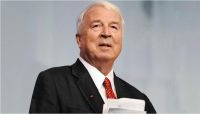
Torstein Hagen
托尔斯泰•哈根年龄:
77 岁(出生于1943 年)
教育经历:
拥有挪威理工学院物理学学位,硕士论文方向与人工智能和机器学习相关。
获得哈佛大学工商管理硕士学位。
获得富布赖特奖学金,就读卫斯理大学修习计算机。CXO UNION-CXO联盟(cxounion.cn)
职业亮点:
以董事长身份执掌全球最成功的内河游轮公司,管理着由 6 艘船只组成的远洋船队。
与招商蛇口集团签署合作谅解备忘录,计划推出一条为中国游客量身打造的远洋邮轮航线。
2016 年针对中国市场推出欧洲内河游轮产品,2019 年客户规模已达每年 2 万人次。
2000 年收购德国 KD 内河游轮公司,扩充了维京的欧洲内河游轮产品组合,随后进军美国市场。
1997 年从俄罗斯购入 4 条内河游轮,创办维京游轮。
1980—1984 年担任 Royal Viking Line 首席执行官,随后该公司由挪威 Caribbean Lines 控股。
曾担任荷美邮轮 (Holland America Line) 和 Kloster Cruise 董事会成员。
从 1976 年开始领导 Bergen Steamship ,担任首席执行官。
作为麦肯锡常驻欧洲的全球董事合伙人,为邮轮品牌提供战略咨询。CXO UNION-CXO联盟cxounion.cn
麦肯锡:中国游客群体有什么特别之处?
Hagen:最大的差别在于中国游客习惯使用微信,这款软件功能非常强大,但营销人员使用起来却面临一些挑战,而且中国的社交媒体环境自有其复杂和独特之处。从客户角度来看,中美两国市场基本相同,只有一个重要差异:中国消费者对出境游的兴趣比美国游客大得多,本地市场的旅游产品与用户预期之间的差距也更大。
麦肯锡:你们如何运用独特的社交媒体和营销工具与中国客户打交道?
Hagen:与美国游客相比,中国游客的信任缺口更显著:你必须让他们知道,维京不是虚假品牌,何况一个舱位的售价可能高达 5~6 万元人民币。我们的营销战略很明确:在社交媒体上广泛宣传,确保人们知道我们是谁,并且要让尽可能多的消费者提供真实反馈。能否成功,取决于游客的口碑,这一点和美国市场并无不同。如果你的产品的净推荐值超过 70%,那就表示消费者正在口口相传。此外也要配合中国独特的社交生态,社交媒体是很强大的工具。
麦肯锡:旅游企业普遍觉得在中国市场开展直销业务难度颇高,但维京取得了巨大成功。有什么秘诀吗?
Hagen:我们有优秀的合作伙伴,因此得以发展一对一的客户关系,他们会把我们的产品作为宣传工具,而不会强推他们的品牌。我们的成功也有赖于中国游客对本土旅行社信任度的下降。尽管我们会进行监督,但旅行社仍然有返还佣金的行为,并且试图独立管理他们的产品。如果你到在线旅行社平台上看看我们竞争对手的产品,会发现他们通常会出售“12 晚 10 天”的产品。怎么会是 12 晚 10 天?你要在飞机上过夜,所以虽然宣传的是“10 天”,其实你在欧洲的时间只有 10 天 9 晚。对我们来说,构建长期品牌价值的秘诀是价格透明、产品透明、诚信经营,这种理念也得到了合作伙伴的支持。CXO UNION-CXO联盟(cxounion.cn)
麦肯锡:进入中国市场是一个独立的决策,还是对英美市场业已成功的直销模式的效仿?
Hagen:我们并不直接销售,但会直接营销。我们必须直接对接客户,所以在套餐内容和定价方面不会有第三方介入。我们需要与客户直接沟通,并且直接负责产品开发、交付、定价以及拥有收益。我们并不在意客户是不是从旅行社下单,旅行社的渠道一直是我们业务的重要组成部分,但我们关心客户买不买维京的产品。我们不允许旅行社或其他中介机构将我们的产品打包在他们品牌的产品下。

麦肯锡:关于外企与中国本土企业之间的合作,您有什么建议?
Hagen:理解需求、明确预期、确保双赢。不要因为短期成本而忽视长期收益。如果太纠结短期问题,你在中国市场就会举步维艰。CXO UNION-CXO联盟(cxounion.cn)
麦肯锡:维京如何在推动中国市场发展的同时,在总部的监督管控和本地团队的灵活性之间取得平衡?
Hagen:开发中国市场是维京游轮未来 10 年内最重要的战略计划。我们将据此制定运营战略,并在选择合作伙伴和分配资金时接受总部的监督。与此同时,我们必然会为中国团队灌输我们的品牌价值观,让中国员工理解我们的品牌。因此,只要符合品牌要求,我们就会允许中国团队拥有一定的自主性,对业务进行本地化调整,自主负责中国市场的宣传和创意工作。如果出现与品牌要求相左的情况,我们就会开诚布公地展开沟通,共同分析如何从错误中汲取教训。
麦肯锡:在中国市场设计宣传内容,需要一定的自由度,但维京的销售部门和品牌团队又设在美国。如何平衡二者之间的关系?
Hagen:在中国市场规模扩大到一定程度之前,美国团队将一直负责维京品牌形象的基本决策。但我们也允许中国团队进行灵活解读。举个例子:我们在美国市场规定乘客必须年满 18 岁;但中国游客往往希望在七、八月份携孙辈一同旅行。所以我们做了一些调整,把最低年龄限制放宽到 8 岁,并且专门为孩子们设计了一些文娱艺术项目。CXO UNION-CXO联盟(cxounion.cn)
麦肯锡:您认为保持中国出境游市场增长势头的最大挑战是什么?
Hagen:从全球来看,最大的挑战在于中国游客受到的待遇普遍不佳,而缺乏尊重的感受最终将影响他们的消费意愿。还有一个风险在于,维京的品牌存在感越强,旅行社、旅行运营商和其他公司就越有动力自行购置船只、运营同类产品,导致最终大家可能以价格战来争夺市场份额。但我相信维京的消费者都很聪明,他们会分得清原创和山寨的区别。10 年之前,我们在美国的市场份额只有 25%,但在困难时期投资宣传之后,现在已经达到了 50%。未来我们有信心在中国赴欧游的市场中拿下 50% 的份额。
麦肯锡:疫情过后,维京在中国市场的发展计划如何?
Hagen:我们已经宣布与招商局集团合作,打下在中国市场打造大型国内游轮航线的基础。这是我们未来发展的一个重点。CXO UNION-CXO联盟(cxounion.cn)
麦肯锡:您认为疫情危机对邮轮市场将产生什么影响?
Hagen:很难说,整个市场都很艰难,但好在维京采取了防范措施,而且我们的船只比较小,所以感染的概率也小得多。
麦肯锡:您是否认为在其他邮轮上暴发的疫情损害了邮轮行业的整体形象?如果是这样,未来有没有修复的可能?
Hagen:是的,邮轮行业的形象确实受到了一定程度的损害,但未来或许能够得到修复。邮轮行业最近的负面新闻报道的确不少,在危机管理方面存在严峻挑战,但纵观历史,我相信这只是一时的低谷。那些暴发疫情的邮轮在封闭环境中很难有效管理病人,而且隔离的决定是由政府直接下达的,这些都会对中国邮轮市场明年的发展产生直接的影响。
麦肯锡:新冠肺炎疫情期间,你们如何保证已经预订的中国客户的权益?
Hagen:我们2020年的航季还未启航,所以没有已经登船的中国旅客。疫情暴发后,我们做的第一件事就是给宾客发信息,让他们放心,我们会保障其权益。我们取消了上半年的航行计划,退还了所有费用。此外还推出了一个项目,如果客户不提取预付款,就可以获得忠诚奖金。宾客和员工的安全和健康对我们是至关重要的,所以我们会在疫情受到控制、风险降到最低时,才有可能重新为中国游客提供欧洲游服务。操之过急只会适得其反。幸运的是,我们的财务状况仍然良好,所以可以集中精力关怀客户。CXO UNION-CXO联盟(cxounion.cn)
翻译:
Introduction
More than 20 years ago, Viking Cruises, founded by Torstein Hagen, was a river cruise operator with only four small boats and a single cruise route – taking tourists from Moscow to St Petersburg. Under Hagen’s leadership, Viking Cruises has grown to become the world’s largest river cruise brand, sailing as far as the Nile and Yangtze rivers, with a fleet of more than 70 ships, including six ocean liners.
In the early 2000s, the Norwegian was keenly aware that high-end European cruise services were nowhere to be found in the U.S. market. He reasoned that since American tourists could not get good service from traditional bus tour operators, they would prefer a more comfortable way to see the old continent — by staying in one place instead of hopping between hotels; And as long as you don’t get off the boat, the whole journey is filled with the familiarity and warmth of home.
Currently, about half of all U.S. cruise passengers traveling to Europe choose Viking. Instead of a casino, a racing track, or an action-packed program, Viking ships feature minimalist decor, live classical music, Tours of the destination’s cultural attractions, invited lectures, and cooking classes that bring understated elegance to visitors.CXO UNION-CXO联盟(cxounion.cn)
Aiming to tap into the world’s largest outbound travel market, Victoria Cruises opened its first office in China in 2016, initially promoting just one route and later achieving triple-digit annual passenger growth as the service gradually expanded. The understated elegance of Viking Cruises has won customers praise, and currently has an industry-leading net recommendation of 78%. In 2019, Viking launched five European river cruises, serving more than 20,000 Chinese guests, with staff and activities tailored to Chinese-speaking visitors. It also announced a joint venture last year to launch its first ocean-going cruise line tailored specifically for the Chinese market.CXO UNION-CXO联盟(cxounion.cn)
However, the coronavirus outbreak has cast a shadow over the entire cruise industry.
As news of many countries refusing to dock cruise ships appeared in the media, cruise bookings began to decline. The Asian market has been particularly hard hit, with more than 4 million Asian passengers travelling on nearly 40 brands in a typical year. Viking Cruises has suspended voyages to all of its markets.
At this difficult time, Mr. Hagen, as CEO of Viking Cruises, accepted an interview with McKinsey Global Managing Partner Steve Saxon and McKinsey Global Associate Managing Partner Zijian Yu to discuss the development strategy of Viking Cruises. Hagen said that Viking will continue to promote its marketing plans in the Chinese market during the pandemic, and explained how Viking tailors its European programs for Chinese guests and how Viking stands out in the Chinese market with its price and product integrity advantages.CXO UNION-CXO联盟(cxounion.cn)
McKinsey: How has the outbound travel business developed since Viking launched its European river cruise service in the Chinese market?
Torstein Hagen: We launched our first cruise ship in 2016 with 16 passengers, and last year we served 20,000 Chinese passengers traveling to Europe. Our goal is to serve 150,000 passengers by 2025. The average Chinese passenger stays around 10 nights per trip – three to four nights more than regular cruise passengers. The average cost per visitor per night is about Rmb3,000. In addition, we have significantly improved our revenue level, and our customer retention rate in three to four years is about to exceed 30%, while the industry average in China is less than 5%.CXO UNION-CXO联盟(cxounion.cn)
McKinsey: What was the logic behind your decision to launch a European tour service specifically for Chinese tourists?
Hagen: China has the largest tourism market in the world, and it’s an opportunity not to be missed. And we have confidence in our products; Chinese tourists are increasingly willing to pay for a good travel experience, so the pricing mechanism will gradually improve. There is no difference between Chinese tourists and American tourists, so the key is not to reinvent Viking Cruises for the Chinese market, but to take Viking’s existing idea of providing travelers in a foreign country with the familiarity and warmth of home throughout the journey and transplant it to China, then adapt the service language, dining and experience to the habits and preferences of Chinese consumers.
For the Chinese market, last year we commissioned five cruise ships on the Rhine and Danube rivers, each with a capacity of 174 guests. They are like authentic Chinese hotels, all the signs and guides are in Chinese, and the food is all cooked by Chinese chefs. We also made a unique commitment: The people who interact directly with passengers on the hotel side must speak Chinese, and they are recruited from the best hotels in China.CXO UNION-CXO联盟(cxounion.cn)
McKinsey: Why did you launch this Chinese-only service?
Hagen: Twenty years ago, we bought KD River Cruises in Germany. They serve European and global markets with passengers coming from all over the world. Our experience shows that multilingual service environments are not attractive to consumers; Products designed for a single population work better. And multilingual menus and guided Tours can cause some operational difficulties. We doubled down on the English language market, mainly to serve American tourists, and later we applied the same philosophy to the Chinese market. There is still a gap in the Chinese market because Chinese consumers have a demand for quality travel products that cannot be satisfied from domestic travel agencies, and the international travel market often does not know how to cater to their tastes.CXO UNION-CXO联盟(cxounion.cn)
McKinsey: Do you think this model would work for a 1,000-passenger ocean liner?
Hagen: We decided to gradually expand the scale of river cruises and then add ocean cruises when the scale is right. Chinese consumers currently do not necessarily recognize European river cruise destinations such as Ludesheim and Heidelberg, so there are real challenges in this regard. In a few years’ time, when we offer our ocean cruise service, we will launch a “Search for the Aurora” tour in northern Norway, which will be recognized and loved by Chinese tourists.
McKinsey: How do you view the growth of China’s outbound tourism market from a strategic perspective?
Hagen: Our strategy is very similar to when we entered the U.S. market: our competitors were bus tour operators. River cruises are better, more relaxed and easier to manage than bus Tours. When serving our customers in China, we can leverage our existing quality terminals in major European cities, as well as other fundamental strengths built up in our operations in the region since 1997. While most bus tour companies and our competitors can only manage one Chinese-speaking employee for every 40 guests, Viking has one Chinese-speaking employee for every three guests. We also have our own tour guide, one for every 16 to 20 guests, and work with the local tour guide office to provide better service for visitors. The service and attention we provide to our visitors is unmatched in the industry.
Torstein Hagen/Tolstoy Hagen
Age:
77 years old (born 1943)
Educational experience:
He holds a degree in physics from the Norwegian Institute of Technology with a master’s thesis related to artificial intelligence and machine learning.
He received an MBA from Harvard University.
He received a Fulbright scholarship to study computer science at Wesleyan University.CXO UNION-CXO联盟(cxounion.cn)
Career Highlights:
As chairman of the world’s most successful river cruise line, he manages an ocean-going fleet of six vessels.
Signed a memorandum of understanding with China Merchants Shekou Group to launch an ocean cruise line tailored for Chinese tourists.
In 2016, European inland cruise products were launched for the Chinese market, and the customer scale has reached 20,000 passengers per year in 2019.
Viking expanded its European river cruise portfolio with the acquisition of KD River Cruises in Germany in 2000, followed by an expansion into the US market.
In 1997, Viking Cruises purchased four river cruise ships from Russia and founded Viking Cruises.CXO UNION-CXO联盟(cxounion.cn)
From 1980 to 1984 he was Chief Executive Officer of Royal Viking Line, which was subsequently controlled by Norwegian Caribbean Lines.
He has served on the board of directors of Holland America Line and Kloster Cruise.
He has led Bergen Steamship as Chief Executive Officer since 1976.
As a global Managing partner of McKinsey based in Europe, he provides strategic advice to cruise brands.
McKinsey: What is so special about the Chinese tourist community?
Hagen: The biggest difference is that Chinese tourists are used to using wechat, which is very powerful but there are challenges for marketers to use, and the social media environment in China is complex and unique in its own way. From a customer perspective, the Chinese and U.S. markets are basically the same, with one important difference: Chinese consumers are much more interested in outbound travel than U.S. travelers, and the gap between tourism products and user expectations in the local market is also larger.CXO UNION-CXO联盟(cxounion.cn)
McKinsey: How do you use your unique social media and marketing tools to engage with Chinese customers?
Hagen: The trust gap is even more pronounced for Chinese tourists than it is for American tourists: you have to let them know that Viking is not a fake brand, and a cabin can cost as much as 50,000 to 60,000 yuan. Our marketing strategy is clear: spread the word on social media, make sure people know who we are, and get as many consumers as possible to provide honest feedback. Success depends on word of mouth from tourists, which is no different from the US market. If your product has a net recommendation of more than 70%, it means consumers are spreading word of mouth. It also has to work with China’s unique social ecosystem, where social media is a powerful tool.CXO UNION-CXO联盟(cxounion.cn)
McKinsey: Travel companies generally find it difficult to do direct sales in the Chinese market, but Viking has been a huge success. What’s the secret?
Hagen: We have great partners, so we can develop one-to-one relationships with customers who use our products as a promotional tool rather than pushing their brand. Our success also depends on a decline in Chinese tourists’ trust in local travel agencies. Despite our oversight, travel agencies continue to return commissions and attempt to manage their products independently. If you go to the online travel agency platform and look at our competitors’ products. They usually sell “12 nights and 10 days.” How could it be 12 nights and 10 days? You’ll be on the plane overnight. So while it’s advertised as “10 days,” you’ll only be in Europe for 10 days and 9 nights. For us, the secret to building long-term brand value is price transparency, product transparency and integrity. And this philosophy is also supported by our partners.CXO UNION-CXO联盟(cxounion.cn)
McKinsey: Was it an independent decision to enter the Chinese market, or was it a copy of the successful direct sales model in the US and UK?
Hagen: We don’t sell directly, but we market directly. We have to deal directly with the customer. So there is no third party involvement in the content and pricing of the package. We communicate directly with our customers and are directly responsible for product development, delivery, pricing and revenue ownership. We don’t care if the customer orders from the travel agency. The travel agency channel has always been an important part of our business. But we care if the customer buys Viking products. We do not allow travel agencies or other intermediaries to package our products under their branded products.CXO UNION-CXO联盟(cxounion.cn)
McKinsey: What are your suggestions for cooperation between foreign companies and local Chinese companies?
Hagen: Understand the needs, clarify expectations, and ensure a win-win situation. Don’t let short-term costs overshadow long-term benefits. If you focus too much on short-term issues, you will struggle in the Chinese market.
McKinsey: How does Viking drive growth in China while balancing oversight at headquarters with the flexibility of local teams?
Hagen: Developing the Chinese market is the most important strategic plan for Viking Cruises in the next 10 years. We will develop our operational strategy accordingly and will be supervised by headquarters when selecting partners and allocating funds. At the same time, we will inevitably instill our brand values in the Chinese team and let the Chinese employees understand our brand. Therefore, as long as the brand requirements are met. We will allow the China team to have a certain degree of autonomy, to make local adjustments to the business. And to be independently responsible for the publicity and creative work in the Chinese market. If something goes against the brand’s requirements, we communicate openly and analyze together how we can learn from our mistakes.CXO UNION-CXO联盟(cxounion.cn)
McKinsey: Designing content for the Chinese market requires a certain degree of freedom, but Viking’s sales department and brand team are based in the United States. How to balance the relationship between the two?
Hagen: Until the size of the Chinese market reaches a certain level. The US team will be responsible for the basic decisions on Viking’s brand image. But we also allow the Chinese team to be flexible in their interpretation. For example, in the US market, we stipulate that passengers must be at least 18 years old. But Chinese tourists tend to want to travel with their grandchildren in July and August. So we made some adjustments, relaxed the minimum age limit to 8 years old. And designed some arts and entertainment programs specifically for children.
McKinsey: What do you see as the biggest challenge in maintaining the growth momentum of China’s outbound tourism market?
Hagen: Globally, the biggest challenge is that Chinese tourists are generally treated badly. And this lack of respect will eventually affect their willingness to spend. There is also a risk that the stronger the Viking brand is, the more incentive travel agencies, tour operators and others will have to buy and operate their own vessels, leading to an eventual price war for market share. But I’m sure Viking consumers are smart enough to know the difference between an original and a copycat. Ten years ago, our market share in the United States was only 25%. But after investing in publicity during difficult times, it is now 50%. In the future, we are confident that we will win 50% of the market share of Chinese travel to Europe.CXO UNION-CXO联盟(cxounion.cn)
McKinsey: After the outbreak, what is Viking’s development plan in the Chinese market?
Hagen: We have announced a partnership with China Merchants Group to lay the foundation for a large domestic cruise line in the Chinese market. This is a key focus for our future development.
McKinsey: What impact do you think the pandemic crisis will have on the cruise market?
Hagen: It’s hard to say, the whole market is tough, but the good thing is that Viking has taken precautions and our ships are smaller. So the chances of infection are much smaller.CXO UNION-CXO联盟(cxounion.cn)
McKinsey: Do you think that outbreaks on other cruise ships have damaged the overall image of the cruise industry? If so, is it possible to fix it in the future?
Hagen: Yes, the image of the cruise industry has been somewhat damaged. But it may be able to be repaired in the future. It’s true that the cruise industry has had a lot of negative press lately and there are serious challenges in crisis management. But if we look at history, I believe this is just a low point. It is difficult for cruise ships with outbreaks to effectively manage patients in a closed environment. And the decision to quarantine is directly issued by the government, which will have a direct impact on the development of the Chinese cruise market next year.
McKinsey: During the COVID-19 pandemic, how do you guarantee the rights of Chinese customers who have already booked?
Hagen: We haven’t set sail yet for the 2020 season, so we don’t have any Chinese passengers on board. The first thing we did after the outbreak was to send a message to our guests to reassure them that we would protect their rights. We cancelled the cruise for the first half of the year and refunded all expenses. A program has also been launched where customers receive loyalty bonuses if they do not withdraw upfront payments. The safety and health of our guests and employees is of Paramount importance to us. So we will only be able to resume our European Tours for Chinese tourists when the outbreak is under control and the risk is minimised. Rushing things is counterproductive. Fortunately, we are still in good financial shape, so we can focus on caring for our customers.
本文由CXO UNION-CXO联盟(cxounion.cn)转载而成,来源于McKinsey Greater China;编辑/翻译:CXO UNIONCXO联盟小宁檬。
如需加入CXO UNION(CXO联盟)高管社群,请联系社群小伙伴哦~
免责声明: 本网站(http://www.cxounion.cn/)内容主要来自原创、合作媒体供稿和第三方投稿,凡在本网站出现的信息,均仅供参考。本网站将尽力确保所提供信息的准确性及可靠性,但不保证有关资料的准确性及可靠性,读者在使用前请进一步核实,并对任何自主决定的行为负责。本网站对有关资料所引致的错误、不确或遗漏,概不负任何法律责任。
本网站刊载的所有内容(包括但不仅限文字、图片、LOGO、音频、视频、软件、程序等) 版权归原作者所有。任何单位或个人认为本网站中的内容可能涉嫌侵犯其知识产权或存在不实内容时,请及时通知本站,予以删除。
如需加入CXO UNION(CXO联盟)高管社群,请联系社群小伙伴哦~

免责声明: 本网站(http://www.cxounion.cn/)内容主要来自原创、合作媒体供稿和第三方投稿,凡在本网站出现的信息,均仅供参考。本网站将尽力确保所提供信息的准确性及可靠性,但不保证有关资料的准确性及可靠性,读者在使用前请进一步核实,并对任何自主决定的行为负责。本网站对有关资料所引致的错误、不确或遗漏,概不负任何法律责任。
本网站刊载的所有内容(包括但不仅限文字、图片、LOGO、音频、视频、软件、程序等) 版权归原作者所有。任何单位或个人认为本网站中的内容可能涉嫌侵犯其知识产权或存在不实内容时,请及时通知本站,予以删除。
Search
Popular Posts
-

2024数字化灯塔案例评选申报开启!
“2024数字化灯塔案例评选”于3月正式启动,诚挚欢迎业界同仁自荐和推荐,一起推动产业数字化进程,助力赋能企业…
-

2024 X-Award星盘奖申报通道已开启!
X-Award星盘奖是数字化转型服务、IT服务行业重要的商业奖项,旨在表彰行业里提供杰出数字化转型服务与IT服…
-

2024 N-Award星云奖申报通道已开启!
N-Award是数字化转型领域重要的商业奖项,旨在表彰那些以非凡的远见、超群的领导才能和卓越的成就来激励他人的…