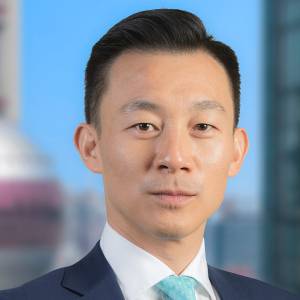
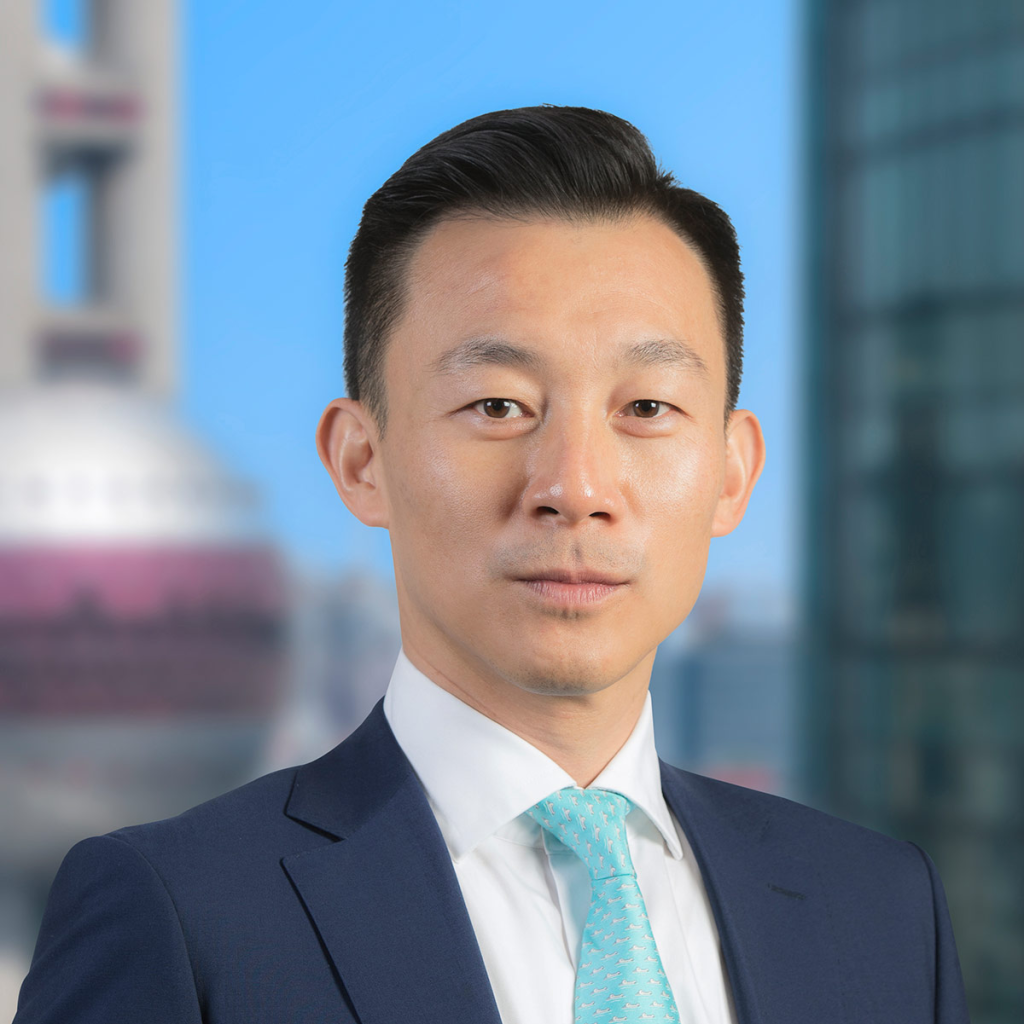
拥有超过20年金融服务业经验,曾任职于多家顶尖金融机构。在加入摩根资产管理中国之前,他曾担任摩根投信董事长及台湾地区负责人,以及摩根资产管理香港地区及中国基金业务总监。
麦肯锡:展望2030,您认为能为中国资管机构贡献显著净流入、或对行业商业模式带来根本转变的重大发展机遇有哪些?其中,哪些机遇特别值得外资机构关注?
王大智:全球视角下的中国资产管理行业大有可为,在我看来,最关键的机遇呈现在以下三大方面:
第一,居民财富从储蓄向投资的结构性转型。
随着“净值化”全面实施,投资者的投资理念及投资逻辑越来越清晰,尤其是经历了2022年市场波动,客户对投资的认知逐渐成熟。未来个人金融资产配置或将发生结构性转变,从现金、存款等储蓄型配置,不断向投资转化,进而有望为公募基金创造显著净流入机会。但能否真正把握机遇,最终还是由基金公司投研能力、产品线、服务能力等因素决定。
第二,养老金市场前景广阔,待系统化布局。
去年11月底个人养老金制度启动成为一桩标志性事件,但实际来看中国养老体系还有很长一段路要走。根据《中国养老金第三支柱研究报告》预测,未来5-10 年,中国预计会有8-10 万亿养老金缺口。如何以客户需求为导向不断优化养老产品体系及服务,与投资者建立长期信任与陪伴关系,将成为资管机构重点探索方向。目前整个行业来看,截至2023年1月底,养老目标基金规模在1000亿元左右,与公募基金总体超27万亿元的规模相比,所占份额微乎其微。并且,虽然至2022年底全国有近2000万人开通个人养老金账户,但参与人数仍有较大提升空间。公募基金作为养老体系的重要参与者,需充分发挥在投资端建立的优势,围绕客户需求进行更长期、系统化部署。
第三,以更多元的资产配置方案构建差异化优势。
本土市场资产类别及策略尚不够丰富多元,整体呈现较为单一且拥挤的特点。未来如果能在中国更好推行多资产解决方案,将帮助资管机构有效分散风险降低波动,更好服务国内投资人,同时这也是外资机构具备一定优势及成熟经验的领域。
麦肯锡:成熟养老市场发展有两大推动因素,一是买方投顾,二是401K和IRA的交互模式,都是B2B2C,但在中国,这些要素尚未成熟。您对中国养老市场的发展,以及如何推动养老投教有什么看法?
王大智:养老业务是公司战略重点之一,我们会从产品、策略、人才等方面做全面部署。但从当前发展进程来说,海外资管机构在中国养老业务的布局整体上还处于刚起步阶段。摩根资产管理在养老板块上虽不缺国际资源和能力,但若想在中国本土发展养老业务,就必须培养本地人才,理解机构和个人的需求,将海外经验和本土适合C端的产品有机结合起来。因此,目前我们将更多地致力于不断完善自身在养老目标基金的布局,积累管理经验,同时也积极为不同风险偏好和退休场景的投资人提供更加完善的解决方案。此外,围绕养老投教,我们也会坚持不懈地与投资人沟通,做好养老投教在不同年龄群体投资者的普及。
麦肯锡:中国过去5年在ETF方面发展十分迅速,对此,您如何看待中国的被动投资发展机遇?
王大智:被动和主动,两种策略并不存在冲突,主要取决于资管机构战略资源的聚焦与投入。从我们自身角度,还是会把主动策略作为重点发展方向,原因有二:
一是摩根资产管理在主动管理方面更具优势。
在海外市场,摩根资产管理在被动方面起步稍晚,仍在追赶阶段,但主动策略ETF在行业内比较有影响力。而在国内,A股市场较海外市场仍有超额收益可以挖掘,我们也在近19年的深耕中积累了丰富的主动管理经验。因此,我们相信能够依托我们在主动管理上长年积累的经验和全球资源更好帮助客户创造价值;
二是被动在国内发展上马太效应更加明显(头部机构可能要占到市场份额的80%)。
在这样的竞争格局下,如何留住资金是资管机构非常大的挑战。在纯被动赛道之外,未来可能会出现更多增强型或是创新型产品。在这些领域,我们也将积极利用好摩根资产管理在海外的资源和先进经验以争取发展。CXO UNION-CXO联盟(cxounion.cn)
麦肯锡:您如何看待中国资管市场的跨境投资机遇?应如何进一步发挥外资机构的优势以抓住机遇?
王大智:跨境业务对外资机构来说特别关键,也是外资机构的优势之一。要抓住跨境投资机遇,资管机构有三点核心关注事项:
一是做好跨境和本土资源间的平衡。
作为外资背景的本地机构,本土市场也是重要机会,需要根据市场表现在跨境和本土间进行灵活安排,为客户提供适应市场环境的投资解决方案。
二是把握基金互认机会。
QDII、QDLP、互认基金等都是摩根资产管理中国常态化和具备优势的跨境业务,并且未来北上和南下均会有更多机会出现。北上方面,允许摩根资产管理在香港注册的基金在内地销售,将有助于把摩根资产管理海外丰富的产品和策略带给内地投资人,进而更好地实现多元化的资产配置;南下方面,允许摩根资产管理中国在内地成立的 A股基金在香港销售,将能发挥摩根资产管理在国际上的品牌优势和投资人信任度,把内地好的策略和产品推向其它地区,帮助其它地区投资人更好把握A股投资机遇。CXO UNION-CXO联盟(cxounion.cn)
三是本土人才培养及海外交流。
强化本土人才培养,推动本土与海外机构经验交流(包括投资、产品、运营、IT等各方面),将本地各类投资机会引荐至海外,实现“China for World”的布局。
麦肯锡:对于外资机构在华发展,您看到当前行业正面临哪些结构性挑战?
王大智:无论是外资还是本地资管机构,当前都面临一系列共性挑战,我认为最突出的问题在于以下两个方面:
“基金赚钱,基民不赚钱”现象带来的投资者获得感不足问题。
在我看来,无论是理财还是投资,帮助投资者践行理性的投资行为是营造良好的投资者体验和提升投资收益的关键所在。以我们公司为例,我们去年借助线上线下各类平台及媒体进行了大量投教工作,包括定期深度沟通(特别是在市场大幅波动及谷底阶段)、市场资讯推送等(如宏观/微观市场分析、策略调整等)。除此以外,资管机构需注重投研框架的专业化细分,以构建更加清晰、稳定的投资风格,系统化提升投资者获得感。
智能技术及人机结合模式带来的颠覆式变革。
随着科技的快速迭代发展,例如最近推出的ChatGPT等智能技术正在改写过往认知及商业模式。我相信未来资管行业将全面步入数据驱动的智能化时代。数字技术的大规模应用也将对行业产生颠覆性影响,例如实时市场信息的大数据分析、机器学习算法赋能投资组合优化等。在我看来,数字智能技术最大的用途将是赋能投资决策,正如“AI无法替代人,但不利用AI的人将被取代”,最终需要构建的是一套人机结合、且适应自身发展的技术体系。
麦肯锡:为直面挑战、把握机遇,从摩根资产管理的角度来说,您认为需要建立哪些关键能力或采取哪些关键行动?
王大智:立足长远,我将其概括为三个关键词:CXO UNION-CXO联盟(cxounion.cn)
融合与发展。
2023年1月,我们正式获批由合资公司转为外商独资公募基金公司,为摩根资产管理翻开新篇章,融合与发展将成为我们未来一段时间的主旋律。“融合”不仅是制度的统一贯彻,更是在业务流程、客户沟通、风险控制等方面进行全方位协同与本地化部署;“发展”意味着紧跟市场步伐,坚持为投资人创造价值。
全球与本土。
展望未来发展,全球化与本土化的平衡仍是我们需要关注的重点议题,例如在投研框架方面,引进海外投资逻辑还是沿用当前投资框架;在产品方面,如何围绕本地投资者需求不断精进权益、固收、ETF、养老等各业务条线;在制度方面,如何构建更适用国内发展阶段及环境的管理模式。
决策与审慎。
相对而言,外资机构更追求有序、稳健的发展模式,对创新机遇的研究分析更为谨慎与全面。但国内在很多方面需要在风险可控的基础上提升决策效率,以有效跟上市场。CXO UNION-CXO联盟(cxounion.cn)
麦肯锡:应对2023年经济和市场复苏,您最关注哪些核心发展事项?
王大智:2023的发展上,有四点核心关注事项:
一是要稳。
一直以来,追求团队稳定性和建立稳健且富有韧性的内控框架是我们的目标。此外,在产品业绩和风格上,我们也需要力争保持稳定;
二是要有增长。
公司需要找到对的赛道以及擅长的领域,继续保持活力和增长,使客户了解我们在投研、风控、产品等各方面的实力;
三是要有业绩。
业绩是投资人最终感知到的结果,如何把业绩做得比同类更优、更符合投资人的需求是我们发展重点之一;
四是品牌推广。
利用摩根资产管理全球品牌声誉,在投资人中树立更专业化和国际化的形象,使公司产品和能力,观点和想法更好触达到投资人,也是公司能更好发展的关键因素。CXO UNION-CXO联盟(cxounion.cn)

翻译:
He has more than 20 years of experience in the financial services industry and has worked for several leading financial institutions. Prior to joining Morgan Asset Management China. He was Chairman and Head of Taiwan for Morgan Investment Trust and head of Hong Kong. And China fund business for Morgan Asset Management.
Wang Dazhi is managing director of Morgan Asset Management China
McKinsey: Looking ahead to 2030, what do you think are the major development opportunities that could contribute to significant net inflows to Chinese asset management institutions or bring about a fundamental shift in the industry’s business model? Which of these opportunities are particularly worthy of the attention of foreign institutions?
Wang Dazhi: From a global perspective, China’s asset management industry has great potential. In my opinion, the most critical opportunities are presented in the following three aspects:CXO UNION-CXO联盟(cxounion.cn)
First, the structural transformation of household wealth from savings to investment.
With the full implementation of “net worth”, investors’ investment philosophy and investment logic are becoming clearer, especially after experiencing market fluctuations in 2022, customers’ cognition of investment is gradually maturing.
In the future, the allocation of personal financial assets may undergo structural changes, from the allocation of cash, deposits and other savings to investment, which is expected to create significant net inflow opportunities for public funds.
However, whether we can truly grasp the opportunity is ultimately determined by the fund company’s investment research ability. Product line, service ability and other factors.
Second, the pension market has broad prospects and needs to be systematically distributed.
The launch of the personal pension system at the end of November last year became a landmark event. But in reality, China’s pension system still has a long way to go. According to the Third Pillar of China’s Pension Research Report. China is expected to have a pension gap of 8-10 trillion yuan in the next 5-10 years.
How to continuously optimize the pension product system and services guided by customer needs. And establish long-term trust and companionship with investors will become the key exploration direction of asset management institutions. At present, as of the end of January 2023, the size of the pension target fund is about 100 billion yuan, which is very small compared with the overall size of the public fund of more than 27 trillion yuan. CXO UNION-CXO联盟(cxounion.cn)
And, although nearly 20 million people nationwide will have opened personal pension accounts by the end of 2022, there is still much room for improvement in the number of participants. As an important participant in the pension system, public funds need to give full play to the advantages established in the investment side, and carry out more long-term and systematic deployment around customer needs.
Third, build differentiated advantages with more diversified asset allocation schemes.
The asset classes and strategies of the local market are not rich and diversified, and the overall characteristics are relatively simple and crowded. In the future, if multi-asset solutions can be better implemented in China, it will help asset management institutions effectively disperse risks and reduce volatility, and better serve domestic investors, and this is also an area where foreign institutions have certain advantages and mature experience.
McKinsey: There are two major driving factors for the development of mature pension market, one is buyer investment, and the other is the interaction mode of 401K and IRA, both B2B2C, but in China, these factors are not yet mature. What is your opinion on the development of China’s pension market and how to promote pension investment and education?
Wang Dazhi: The elderly care business is one of the strategic priorities of the company. And we will make a comprehensive deployment from the aspects of products, strategies, talents and so on. However, from the perspective of the current development process, the overall layout of overseas foreign investment management institutions in China’s elderly care business is still in its infancy.
Although Morgan Asset Management does not lack international resources and capabilities in the elderly care sector.
If it wants to develop its elderly care business in China, it must cultivate local talents, understand the needs of institutions and individuals. And organically combine overseas experience with local products suitable for C-end.
Therefore, at present, we will devote more efforts to continuously improve our layout in pension target funds, accumulate management experience, and actively provide more perfect solutions for investors with different risk preferences and retirement scenarios.
In addition, around pension investment and education, we will continue to communicate with investors. And do a good job in the popularization of pension investment and education in different age groups of investors.
McKinsey: China has developed very rapidly in the past five years in terms of ETFs. How do you see the opportunity for passive investment in China?CXO UNION-CXO联盟(cxounion.cn)
Wang Dazhi: There is no conflict between passive and active strategies, which mainly depend on the focus and investment of strategic resources of asset management institutions. From our own point of view, we will still focus on the active strategy as the development direction, for two reasons:
One is that Morgan Asset Management has an advantage in active management.
In overseas markets, Morgan Asset Management started a little late in the passive side and is still catching up, but active strategy ETFs are more influential in the industry. In China, the A-share market still has excess returns to tap compared with overseas markets, and we have accumulated rich active management experience in nearly 19 years of deep cultivation.
Therefore, we believe that we can rely on our years of experience in active management and global resources to better help customers create value;CXO UNION-CXO联盟(cxounion.cn)
Second, the passive Matthew effect is more obvious in domestic development (head institutions may account for 80% of the market share).
In such a competitive landscape, how to retain funds is a very big challenge for asset management institutions. Beyond the purely passive track, there may be more enhanced or innovative products in the future. In these areas, we will also actively utilize Morgan Asset Management’s overseas resources and advanced experience to strive for development.
McKinsey: How do you see the cross-border investment opportunities in China’s asset management market? How to further leverage the advantages of foreign institutions to seize opportunities?
Wang Dazhi: Cross-border business is particularly critical and one of the strengths of foreign institutions. To seize cross-border investment opportunities, EMAs have three core concerns:
First, strike a balance between cross-border and local resources.
As a local institution with foreign background, the local market is also an important opportunity, and it is necessary to make flexible arrangements between cross-border and domestic according to the market performance, and provide clients with investment solutions that adapt to the market environment.
Second, seize opportunities for mutual recognition of funds.
QDII, QDLP, mutual recognition funds, etc., are the normal and advantageous cross-border businesses of Morgan Asset Management in China, and there will be more opportunities to go north and south in the future. In terms of going north, allowing Morgan Asset Management’s Hong Kong-registered funds to be sold in the mainland will help bring Morgan Asset Management’s rich overseas products and strategies to mainland investors, so as to better achieve diversified asset allocation.CXO UNION-CXO联盟(cxounion.cn)
In terms of going south, allowing Morgan Asset Management China’s A-share funds established in the mainland to be sold in Hong Kong will give full play to Morgan Asset Management’s international brand advantages and investor trust, promote the mainland’s good strategies and products to other regions, and help investors in other regions better grasp the A-share investment opportunities.
Third, local personnel training and overseas exchanges.
Strengthen the training of local talents, promote the exchange of experience between local and overseas institutions (including investment, product, operation, IT, etc.), introduce various local investment opportunities to overseas countries, and realize the layout of “China for World”.
McKinsey: What structural challenges do you see foreign companies facing in China?
Wang Dazhi: Both foreign and local asset management institutions are facing a series of common challenges. I think the most prominent problems lie in the following two aspects:CXO UNION-CXO联盟(cxounion.cn)
The lack of investors’ sense of gain caused by the phenomenon of “fund makes money, base people do not make money”.
In my opinion, whether it is financial management or investment, helping investors to practice rational investment behavior is the key to creating a good investor experience and improving investment returns. Take our company as an example, we have carried out a lot of investment and education work last year with the help of online and offline platforms and media.
Including regular in-depth communication (especially in the market fluctuations and the bottom stage), market information push (such as macro/micro market analysis, strategy adjustment, etc.).
In addition, asset management institutions need to pay attention to the professional segmentation of investment research frameworks, in order to build a clearer and more stable investment style, and systematically enhance investors’ sense of gain.
The subversive change brought by intelligent technology and man-machine combination mode.
With the rapid iteration of technology, smart technologies such as the recently launched ChatGPT are rewriting past cognitive and business models. I believe that the future asset management industry will fully enter the era of data-driven intelligence. The large-scale application of digital technologies will also have a disruptive impact on the industry, such as big data analysis of real-time market information. And machine learning algorithms enabling portfolio optimization.
In my opinion, the biggest use of digital intelligence technology will be to empower investment decisions, as “AI cannot replace people.
But people who do not use AI will be replaced”, and ultimately need to build a set of human-computer integration, and adapt to their own development of the technology system.CXO UNION-CXO联盟(cxounion.cn)
McKinsey: From a Morgan Asset Management perspective, what key capabilities or actions do you think need to be built to meet the challenges and opportunities?
Wang Dazhi: Based on the long-term, I will summarize it into three key words:
Integration and development.
In January 2023, we were officially approved to change from a joint venture company to a wholly foreign-owned public fund company, opening a new chapter for Morgan Asset Management, and integration and development will become our main theme for some time in the future. “Integration” is not only the unified implementation of the system, but also in the business process, customer communication, risk control and other aspects of all-round coordination and localized deployment; “Development” means keeping up with the pace of the market and insisting on creating value for investors.CXO UNION-CXO联盟(cxounion.cn)
Global and local.
Looking forward to the future development, the balance between globalization and localization is still a key issue that we need to pay attention to. For example, in terms of investment and research framework, the logic of introducing overseas investment or keeping the current investment framework.
In terms of products, how to focus on the needs of local investors to continuously improve the equity, fixed income, ETF, pension and other business lines; In terms of system, how to build a management model that is more suitable for domestic development stage and environment?
Decision-making and prudence.
Relatively speaking, foreign institutions are more in pursuit of orderly and stable development mode, and their research and analysis of innovation opportunities are more cautious and comprehensive. However, in many aspects, China needs to improve decision-making efficiency on the basis of controllable risks to effectively keep up with the market.
McKinsey: What are the core developments you are most concerned about in response to the economic and market recovery in 2023?
Wang Dazhi: In the development of 2023, there are four core concerns:
One is stability.
The pursuit of team stability and the establishment of a robust and resilient internal control framework has always been our goal. In addition, in the product performance and style, we also need to strive to maintain stability;CXO UNION-CXO联盟(cxounion.cn)
Second, we need growth.
The company needs to find the right track and areas of excellence, continue to maintain vitality and growth, so that customers understand our strength in investment research, risk control, products and other aspects;
The third is to have performance.
Performance is the final perceived result of investors, how to make performance better than similar, more in line with the needs of investors is one of our development priorities;
Fourth, brand promotion.
Using the global brand reputation of Morgan Asset Management to establish a more professional and international image among investors, so that the company’s products, capabilities, views and ideas can better reach investors, which is also a key factor for better development of the company.
本文由CXO UNION-CXO联盟(cxounion.cn)转载而成,来源于CEO訪談网;编辑/翻译:CXO UNIONCXO联盟小U。
如需加入CXO UNION(CXO联盟)高管社群,请联系社群小伙伴哦~
免责声明: 本网站(http://www.cxounion.cn/)内容主要来自原创、合作媒体供稿和第三方投稿,凡在本网站出现的信息,均仅供参考。本网站将尽力确保所提供信息的准确性及可靠性,但不保证有关资料的准确性及可靠性,读者在使用前请进一步核实,并对任何自主决定的行为负责。本网站对有关资料所引致的错误、不确或遗漏,概不负任何法律责任。
本网站刊载的所有内容(包括但不仅限文字、图片、LOGO、音频、视频、软件、程序等) 版权归原作者所有。任何单位或个人认为本网站中的内容可能涉嫌侵犯其知识产权或存在不实内容时,请及时通知本站,予以删除。
如需加入CXO UNION(CXO联盟)高管社群,请联系社群小伙伴哦~

免责声明: 本网站(http://www.cxounion.cn/)内容主要来自原创、合作媒体供稿和第三方投稿,凡在本网站出现的信息,均仅供参考。本网站将尽力确保所提供信息的准确性及可靠性,但不保证有关资料的准确性及可靠性,读者在使用前请进一步核实,并对任何自主决定的行为负责。本网站对有关资料所引致的错误、不确或遗漏,概不负任何法律责任。
本网站刊载的所有内容(包括但不仅限文字、图片、LOGO、音频、视频、软件、程序等) 版权归原作者所有。任何单位或个人认为本网站中的内容可能涉嫌侵犯其知识产权或存在不实内容时,请及时通知本站,予以删除。
Search
Popular Posts
-

2024数字化灯塔案例评选申报开启!
“2024数字化灯塔案例评选”于3月正式启动,诚挚欢迎业界同仁自荐和推荐,一起推动产业数字化进程,助力赋能企业…
-

2024 X-Award星盘奖申报通道已开启!
X-Award星盘奖是数字化转型服务、IT服务行业重要的商业奖项,旨在表彰行业里提供杰出数字化转型服务与IT服…
-

2024 N-Award星云奖申报通道已开启!
N-Award是数字化转型领域重要的商业奖项,旨在表彰那些以非凡的远见、超群的领导才能和卓越的成就来激励他人的…