未来一百年,气候变化都会是投资主题
“大多数情况下,牛市和熊市之间存在着良好的平衡,每隔20年左右,就会遇到一个拐点,到那时会有足够多的人变得看涨,并不再考虑基本面。”传奇投资人杰里米·格兰瑟姆(Jeremy Grantham)说道。
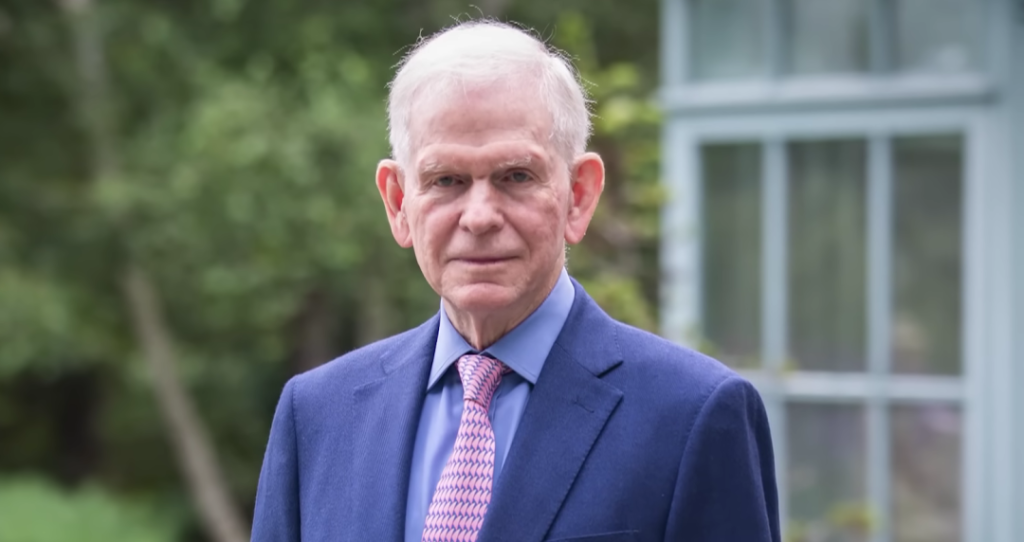
格兰瑟姆是资产管理公司GMO联合创始人,更是一位传奇投资者,以预见1989年日本资产价格泡沫、2000年互联网科技泡沫和2008年房地产泡沫破裂而闻名。近日,他与另一位投资人大卫·鲁宾斯坦(David Rubenstein)在美国波士顿展开了一场对话。两位亿万富豪就科技泡沫和绿色投资问题发表了精彩观点。
格兰瑟姆表示,自己是坚定的价值投资者,比起研究和探讨股市,他更愿意把时间和精力放在那些对人类更重要的问题上,比如气候问题、资源问题等。早在气候领域成为投资热门之前,格兰瑟姆就成立了绿色基金,专门投资绿色科技,他认为,至少在接下来的一百年里,气候变化都会是主要的投资问题。
对话的精彩观点如下:
1.我们已经进入了通胀程度较高、利率较高的时期,体现在生活中就是低利率推高资产价格,高利率则降低我们的资产价格。我们现在所处的时代,平均利率高于过去十年。
2.大多数情况下,牛市和熊市之间存在着良好的平衡,每隔20年左右,就会遇到一个拐点,到那时会有足够多的人变得看涨,并不再考虑基本面。
3.我一生都在研究相对琐碎的问题,无论好坏,我都花了很多精力去思考那些有意义的泡沫。
4.电动汽车绿色公司的收入增长将完全主导老式汽油动力汽车的收入增长,我们现在介入这些还不算太晚。至少在接下来的一百年里,气候变化都会是主要的投资问题。
5.我认为自己是一个现实主义者,试图看到世界本来的面目,而不是我想要的样子。
对话如下(有删改):
一、擅长预测泡沫的投资人
大卫·鲁宾斯坦:你在投资界以总能预见经济泡沫而闻名。你认为美国现在正处于一个巨大的泡沫之中吗?你发现的科技泡沫已经破裂到足以结束的程度了吗?
杰里米·格兰瑟姆:我们正在经历2021年发现的科技泡沫,现阶段处于通货紧缩期,经济衰退可能会持续到明年,伴随着股价下跌。 CXO UNION-CXO联盟(cxounion.cn)
大卫·鲁宾斯坦:所以你预测的经济衰退是从2023年开始是吗?美联储最近表示,他们已经扫清了经济衰退的障碍,并认为2023年会开始的经济衰退不再存在。怎么看这件事?
杰里米·格兰瑟姆:美联储在这些事情上的判断肯定是错误的。他们从未承认过经济衰退,尤其承认他们一手刺激的泡沫破裂后引发的经济衰退。他们将资产价格上涨对经济的有利影响归功于自己。但从来没有将资产价格暴跌带来的通货紧缩效应归咎于自己。
大卫·鲁宾斯坦:不久前曾表示不太喜欢杰·鲍威尔以及他处理通胀的方式是吗?
杰里米·格兰瑟姆:是的,我认为这很大程度上不在他的掌控之中了。通胀水平超过了过去十年的平均水平。我们已经进入了通胀程度较高、利率较高的时期,体现在生活中就是低利率推高资产价格,高利率则降低我们的资产价格。我们现在所处的时代,平均利率高于过去十年。
大卫·鲁宾斯坦:人性中的什么驱使人们参与泡沫呢?即使是著名的艾萨克·牛顿爵士,当时也参与了泡沫,他把房子抵押了,所有的钱都投入了南海公司,结果就亏了所有的钱。即使是像他这样聪明的人也无法抵制泡沫。为什么人类无法抗拒身处泡沫之中?
杰里米·格兰瑟姆:没有什么比看着你的邻居致富更令人恼火的了。当有足够多的人时,尝试加入是不可抗拒的,当股价上涨并达到拐点时,它会吸引每个人,其实这些投资者才是最大的泡沫。大多数情况下,牛市和熊市之间存在着良好的平衡,每隔20年左右,就会遇到一个拐点,到那时会有足够多的人变得看涨,并不再考虑基本面。
大卫·鲁宾斯坦:你的大部分职业生涯都是在波士顿度过的。你在英国上大学,后来又为什么去美国哈佛商学院进修?
杰里米·格兰瑟姆:大学毕业后我申请了一份咨询公司的工作,那里的客户主要是牛津和剑桥的绅士。有一次,我在拜访客户时遇到了挫折,他说当你拥有了35年的丰富经验或者已经就读过哈佛商学院时,再来见我吧。所以后来我就申请去了哈佛商学院学习。 CXO UNION-CXO联盟(cxounion.cn)
大卫·鲁宾斯坦:那你结束哈佛商学院的学习之后,来波士顿后打算做什么?
杰里米·格兰瑟姆:我当时还是继续找了一份咨询公司的工作,但经过尝试还是觉得这份工作不适合我。工作了九个月后,我离开了公司,并向我的老板Dean LeBaron提议,一起创办一家新公司,这家公司就是Battery March。
大卫·鲁宾斯坦:所以你是Battery March的联合创始人之一。那家公司在20世纪60年代因何而闻名?
杰里米·格兰瑟姆:按照今天的标准,那是一家超值商店。我们也拥有少量股票,不过小股票在当时并不流行,那是Nifty Fifty时代(美国股票投资史上特定阶段出现的一个非正式术语,用来指20世纪元60和70年代在纽约证券交易所交易的50只备受追捧的大盘股),每个人都拥有雅芳(Avon)和埃克森美孚(ExxonMobil)的股票,而廉价的小公司是不受重视的。当然从长远来看,选择这些廉价的小公司,其实收获更高。
大卫·鲁宾斯坦:你是最早开发指数基金的,你当时建立了一只指数基金后,进展如何?
杰里米·格兰瑟姆:非常慢,头两年有人给我们颁发了最受关注但没有业务的产品奖。
大卫·鲁宾斯坦:所以你决定创办自己的公司?GMO现在是一个非常大的资产管理公司。你是否因为预测泡沫而闻名?
杰里米·格兰瑟姆:不,其实我们专注于价值管理。我很高兴连续赢得了前九年的胜利,这是创办公司的好方法,是我们传统选股价值的演示。 CXO UNION-CXO联盟(cxounion.cn)
大卫·鲁宾斯坦:但你什么时候因预测泡沫而变得如此出名呢?是因为你的著作、选股方式,还是公开演讲?
杰里米·格兰瑟姆:我从1998年开始写季度研究报告,1999年一个巨大的泡沫在不断上升,我们一直在与泡沫做斗争,所以我们来得很早,那是残酷的两年,但收入也在增长。于是市场做出了华丽的举动,从1998年初的历史最高点直线上升到2008年3月,我们的客户不同意我们提前撤出,并在很大程度上解雇了我们。
大卫·鲁宾斯坦:于是人们把钱提出来了,后面所谓的互联网泡沫破裂时,人们有打电话给你,想把钱重新交给你们管理吗?
杰里米·格兰瑟姆:没有一个解雇我们的人会因为我们的同一个产品而回来。2000~2002年我们都没有亏钱,所以当标普指数下跌50%时,公司的资产没有增长,我们的风险激增。
二、“未来一百年,气候变化都是投资主题”
投资者竞相将资金投入气候解决方案,全球专注于气候投资的共同基金和ETF数量,较2021年增长了27%。这1200只基金总共管理着超过4000亿美元,2023年第一季度,气候主题ETF占所有新开基金的40%。但早在它成为时尚之前,亿万富翁投资者杰里米·格兰瑟姆就热衷于解决气候危机。1997年,他和妻子创立了格兰瑟姆环境保护基金会。现在,格兰瑟姆承诺将他大部分财产捐给该基金会,以应对气候变化,他称这种努力是我们生命中的竞赛,对他来说,流入绿色投资的资本反映了他多年来一直发出的警告。洪水和火灾等灾害为碳税等政策创造了动力,这将改变全球投资。目前来看,他的说法似乎是正确的。去年的《通货膨胀削减法案》包括大约3700亿美元的气候激励措施。到2022年底,全球能源转型投资将突破万亿美元。 CXO UNION-CXO联盟(cxounion.cn)
大卫·鲁宾斯坦:你每天醒来看股市和经济时,最担心的是什么?
杰里米·格兰瑟姆:我觉得股市与一系列更重要的长期问题相比,是次要的。这些天我在关塔那摩大厦的工作描述是解决长期被低估的问题,现在是这样做的好时机,因为我们面临着气候变化,这是未来几十年投资界最重要的问题。我们面临着资源短缺、人力短缺的问题,这对于世界上大多数国家的影响都是巨大的。我们的不平等现象以指数速度增长,这是政治体系中的毒药。我觉得在这个星球上,我们已经创造出了对一切生命都不利的问题。我们希望能把所有的时间和精力都花在讨论这些问题上。我一生都在研究相对琐碎的问题,无论好坏,我都花了很多精力去思考那些有意义的泡沫。
大卫·鲁宾斯坦:当你去参加鸡尾酒会或其他活动时,人们问你世界状况如何,你告诉他们一切都在崩溃,他们会厌倦听到你这样说吗?你有没有告诉过人们,实际上有一些好事正在发生?
杰里米·格兰瑟姆:你必须以一种更有趣的方式来构建它。幸运的是,大家在应对气候变化等问题上所做的努力令人印象深刻。我们吸引了如此多优秀的科学家参与探讨解决方案。你可以回顾一下人们对风能、太阳能、储能和电动汽车的看法,我们做得比20年前人们想象的要好得多。其实,好消息的传播速度远比我们想象的要快。所以我们更多地应该关注坏消息和面临的问题,让大多数人都能意识到发生了什么可怕的事,需要做出准备和行动。
大卫·鲁宾斯坦:谁管理你的钱? CXO UNION-CXO联盟(cxounion.cn)
杰里米·格兰瑟姆:我95%的钱都投入了基金会。我是该基金会的共同管理人,我们将75%的资金用于早期风险投资。我觉得美国的风险投资业在风险投资界里算做得不错的,吸引了来自世界各地的人们。
大卫·鲁宾斯坦:你显然非常关心气候变化,并且你的基金会着重关注与气候变化相关的事情。那么你会采取哪些措施来应对气候变化呢?你经常走路或者骑自行车吗?
杰里米·格兰瑟姆:当我乘坐飞机时会感到内疚,但我们用钱做的事情更重要,基金会的50%投资于绿色技术,其中25%是我们自己投资的,我们大约有6人的团队,已经直接完成了大约60笔交易。
大卫·鲁宾斯坦:人们认为,绿色投资可能存在泡沫,因为有些人说太多资金投入绿色投资,这可能是泡沫,你担心这个吗?
杰里米·格兰瑟姆:我对此很担心,但好消息是世界各国终于意识到这是一个严重的问题。他们正在改变税收结构,改变补贴方式,正在研究资金转向绿色投资。例如,电动汽车绿色公司的收入增长将完全主导老式汽油动力汽车的收入增长,我们现在介入这些还不算太晚。至少在接下来的一百年里,气候变化都会是主要的投资问题。
三、给普通投资者的建议
大卫·鲁宾斯坦:你觉得普通投资者犯得最严重的错误是什么?
杰里米·格兰瑟姆:他们太热情了,我能理解,当人们介绍新交易、初创企业时,我会对它们非常感兴趣。我喜欢把这些决定留给纪律更好的同事。所以我理解得意忘形的感觉,我投资了1968年的第一个泡沫,赚了一笔小钱,后来又都赔光了。从那以后我就成为了一名彻底的价值投资者。
大卫·鲁宾斯坦:如果我有百万资产,我想把它放在不会失去它的地方,你会给我推荐理财顾问还是一只指数基金或者其他的? CXO UNION-CXO联盟(cxounion.cn)
杰里米·格兰瑟姆:我认为全球指数基金的大部分资金都在美国境外,如果你愿意的话,我会说暂时只在美国境外投资,因为美国市场的定价过高,美国以外的市场价格并不是特别高,更适合投资一些。
大卫·鲁宾斯坦:那么对于今天的年轻人来说,您认为进入资金管理领域是个好主意吗?你会向年轻人推荐什么工作?
杰里米·格兰瑟姆:资产管理依然还是一门赚钱的生意。不过我觉得尝试将赚钱和做有用的人良好地结合起来再进入风险投资世界会更好。要么自己经营一家初创公司,要么为初创公司提供资金,挑选并帮助获胜者。如果你能专注于我们谈论过的真正问题,比如气候变化,那么你就算真的把赚大钱的机会和做好事结合起来了。
大卫·鲁宾斯坦:你认为自己是乐观主义者还是悲观主义者?悲观主义者是你总认为市场被高估,我们会遇到问题;乐观主义者是因为在生活中看到了很多伟大的事情发生在你身上。
杰里米·格兰瑟姆:我认为自己是一个现实主义者,试图看到世界本来的面目,而不是我想要的样子。有时我会成功,有时会失败,当我专注于新的事业时,我必须说,乐观是不可抗拒的,这能真正带动你前进。

翻译:
The bubble prognosticator Grantham’s new predictions |
Climate change will be an investment theme for the next 100 years.
“For the most part, there’s a good balance between bull and bear markets, and every 20 years or so, you hit an inflection point where enough people become bullish and stop thinking about fundamentals.” Says legendary investor Jeremy Grantham. CXO UNION-CXO联盟(cxounion.cn)
Mr Grantham, co-founder of asset management firm GMO, is also a legendary investor known for foreseeing the Japanese asset price bubble in 1989, the dotcom technology bubble in 2000 and the bursting of the property bubble in 2008. He recently held a conversation with another investor, David Rubenstein, in Boston, USA. The two billionaires gave fascinating views on the tech bubble and green investing.
Grantham says he is a committed value investor and prefers to spend his time and energy on issues that are more important to humanity, such as climate and resources, than researching and discussing the stock market. Long before the climate sector became a hot investment, Grantham set up the Green Fund to invest in green technology, and he believes that climate change will be a major investment issue for at least the next 100 years.
Highlights of the conversation are as follows:
- We have entered a period of higher inflation and higher interest rates, reflected in life by low interest rates pushing up asset prices and high interest rates lowering our asset prices. We are now in an era where average interest rates are higher than in the past decade.
- For the most part, there is a good balance between bull and bear markets, and every 20 years or so, there is an inflection point where enough people become bullish and stop thinking about fundamentals.
- I’ve spent my life studying relatively trivial questions, good and bad, and I’ve spent a lot of energy thinking about bubbles that make sense.
- The revenue growth of green companies will completely dominate the revenue growth of older gasoline-powered vehicles, and it’s not too late for us to step in. Climate change will be a major investment issue for at least the next 100 years.
- I consider myself a realist who tries to see the world as it is, not as I want it to be.
The conversation is as follows (with redactions) :
First, investors who are good at predicting bubbles
David Rubenstein: You’re known in the investment community for always seeing bubbles. Do you think the United States is in the midst of a giant bubble right now? Has the tech bubble you found burst enough to end? CXO UNION-CXO联盟(cxounion.cn)
Jeremy Grantham: We are experiencing a tech bubble that we discovered in 2021, and we are currently in a period of deflation, and the recession is likely to continue into next year, with falling stock prices.
David Rubenstein: So the recession you’re predicting is going to start in 2023? The Federal Reserve recently said it has cleared the way for a recession and believes it no longer exists for a recession that would begin in 2023. What do you think about this?
Jeremy Grantham: The Fed is definitely wrong about these things. They have never acknowledged a recession, especially one caused by the bursting of the bubble they helped stimulate. They take credit for the beneficial effects of rising asset prices on the economy. But it has never blamed itself for the deflationary effects of plunging asset prices.
David Rubenstein: Did you say not too long ago that you didn’t like Jay Powell and his handling of inflation?
Jeremy Grantham: Yeah, I think it’s largely out of his hands. Inflation is above the average of the past decade. We have entered a period of higher inflation and higher interest rates, reflected in life by low interest rates pushing up asset prices and high interest rates lowering our asset prices. We are now in an era where average interest rates are higher than in the past decade.
David Rubenstein: What is it about human nature that drives people to participate in bubbles? Even the famous Sir Isaac Newton, who was involved in the bubble at the time, mortgaged his house, put all his money into the South Sea Company and lost all his money as a result. Even someone as smart as him can’t resist bubbles. Why can’t humans resist being in a bubble?
Jeremy Grantham: There’s nothing more irritating than watching your neighbor get rich. When there are enough people, it is irresistible to try to join, and when the stock price rises and reaches an inflection point, it attracts everyone, in fact, these investors are the biggest bubble. For the most part, there is a good balance between bull and bear markets, and every 20 years or so, an inflection point is reached where enough people become bullish and stop thinking about fundamentals.
David Rubenstein: You’ve spent most of your career in Boston. Why did you go to university in the UK and then Harvard Business School in the US?
Jeremy Grantham: After university I applied for a job at a consultancy whose clients were mainly gentlemen from Oxford and Cambridge. I was once frustrated when I visited a client and he said come see me when you have 35 years of experience or have gone to Harvard Business School. So I applied to Harvard Business School. CXO UNION-CXO联盟(cxounion.cn)
David Rubenstein: So what are you going to do when you come to Boston after Harvard Business School?
Jeremy Grantham: I went ahead and got a consultancy job, but after trying it I decided it wasn’t right for me. After nine months, I left the company and proposed to my boss, Dean LeBaron, that we start a new company together, Battery March.
David Rubenstein: So you’re one of the co-founders of Battery March. What was that company famous for in the 1960s?
Jeremy Grantham: It was a value store by today’s standards. We also owned a small number of stocks, but small stocks were not in vogue at the time, they were the Nifty Fifty (an informal term that emerged during a specific period in the history of US stock investing to refer to the 50 highly sought after large-cap stocks that traded on the New York Stock Exchange in the 1960s and 1970s), Everyone owns shares of Avon and ExxonMobil, and cheap, small companies are not valued. Of course, in the long run, choosing these cheap small companies is actually more rewarding.
David Rubenstein: You were the first to develop index funds, and how did it go when you set up an index fund?
Jeremy Grantham: Very slowly, and for the first two years someone gave us an award for the product that got the most attention but had no business. CXO UNION-CXO联盟(cxounion.cn)
David Rubenstein: So you decided to start your own company? GMO is now a very big asset manager. Are you famous for predicting bubbles?
Jeremy Grantham: No, actually we focus on value management. I’m happy to have won the first nine years in a row, it’s a great way to start a company and a demonstration of the value of our traditional stock picking.
David Rubenstein: But when did you become so famous for predicting bubbles? Is it your writing, your stock selection, or your public speaking?
Jeremy Grantham: I started writing quarterly research in 1998, and 1999 was a huge bubble that was going up and up, and we were fighting that bubble all the time, so we came in early, and it was a brutal two years, but revenue was also growing. So the market made a magnificent move, skyrocketing from its all-time high in early 1998 to March 2008, when our clients disagreed with our early withdrawal and largely fired us.
David Rubenstein: So people took their money out, and when the so-called dot-com bubble burst, did people call you and want to put their money back in your hands?
Jeremy Grantham: None of the people who fired us are going to come back because of our same product. We didn’t lose money from 2000 to 2002, so when the S&P fell 50%, the company’s assets didn’t grow and our risk ballooned. CXO UNION-CXO联盟(cxounion.cn)
Second, “climate Change is an investment theme for the next 100 years”
Investors are racing to put their money into climate solutions, with the number of mutual funds and ETFs focused on climate investments globally up 27 percent from 2021. Together, these 1,200 funds manage more than $400 billion, with climate-themed ETFs accounting for 40% of all new fund openings in the first quarter of 2023. But long before it became fashionable, billionaire investor Jeremy Grantham was passionate about solving the climate crisis. In 1997, he and his wife founded the Grantham Foundation for the Protection of the Environment.
Now, Grantham has pledged to give most of his fortune to the foundation to fight climate change, an effort he calls the race of our lives, and for him, the capital flowing into green investments reflects what he’s been warning about for years. Disasters such as floods and fires create momentum for policies such as carbon taxes, which will transform global investment. So far, he seems to be right. Last year’s Inflation Reduction Act included about $370 billion in climate incentives. By the end of 2022, global investment in energy transformation will exceed one trillion US dollars.
David Rubenstein: When you wake up every day and look at the stock market and the economy, what is your biggest concern?
Jeremy Grantham: I think the stock market is secondary to a more important set of long-term issues. My job description at Guantanamo these days is to address long-underappreciated issues, and now is a good time to do so as we face climate change, the most important issue for the investment community in the coming decades. We are faced with a shortage of resources and manpower, which has a huge impact on most countries in the world. We have inequality growing at an exponential rate, which is poison in the political system. I think we’ve created problems on this planet that are bad for all life. We want to devote all our time and energy to discussing these issues. I’ve spent my life studying relatively trivial questions, good and bad, and I’ve spent a lot of energy thinking about bubbles that make sense.
David Rubenstein: When you go to a cocktail party or something and people ask you how the world is and you tell them everything is falling apart, do they ever get tired of hearing you say that? Have you ever told people that there are actually some good things happening?
Jeremy Grantham: You have to structure it in a more interesting way. Fortunately, our efforts to address issues like climate change are impressive. We’ve got so many great scientists working on solutions. You can look back at what people are saying about wind, solar, storage and electric vehicles, and we’re doing a lot better than people thought 20 years ago. In fact, good news travels much faster than we think. So we should focus more on the bad news and the problems facing us, so that most people can realize that something terrible has happened and need to prepare and act.
David Rubenstein: Who manages your money?
Jeremy Grantham: Ninety-five percent of my money goes into the foundation. I’m a co-administrator of the foundation, and we invest 75% of our money in early-stage ventures. I think the venture capital industry in the United States is doing pretty well in the venture capital world, attracting people from all over the world. CXO UNION-CXO联盟(cxounion.cn)
David Rubenstein: You’re obviously very concerned about climate change, and your foundation focuses heavily on things related to climate change. So what are you doing to combat climate change? Do you often walk or ride a bike?
Jeremy Grantham: I feel guilty when I fly, but what we do with our money is more important, 50% of the foundation is invested in green technology, 25% of which we invest ourselves, and we have a team of about six people that have done about 60 deals directly.
David Rubenstein: People think there might be a bubble in green investment because some people say there’s too much money going into green investment and it might be a bubble, are you worried about that?
Jeremy Grantham: I’m worried about it, but the good news is that countries around the world are finally realising that this is a serious problem. They are changing the tax structure, they are changing the way they subsidize, they are looking at shifting money to green investment. For example, the revenue growth of electric vehicle green companies will completely dominate the revenue growth of older gasoline-powered vehicles, and it’s not too late for us to step in. Climate change will be a major investment issue for at least the next 100 years. CXO UNION-CXO联盟(cxounion.cn)
Third, suggestions for ordinary investors
David Rubenstein: What do you think is the biggest mistake the average investor makes?
Jeremy Grantham: They are so enthusiastic and I can understand that when people introduce new deals, start-ups, I get very interested in them. I like to leave those decisions to colleagues with better discipline. So I understand what it’s like to get carried away. I invested in the first bubble in 1968, made a small fortune, and then lost it all. I’ve been a total value investor ever since.
David Rubenstein: If I had a million dollars and I wanted to put it in a place where I couldn’t lose it. Would you recommend an advisor or an index fund or something?
Jeremy Grantham: I think most of the money in global index funds is outside the U.S.. If you will, I would say only outside the U.S., for the time being, because the U.S. market is overpriced. And markets outside the U.S. are not particularly overpriced and are more suitable for investment.
David Rubenstein: So for young people today, do you think it’s a good idea to go into money management? What job would you recommend to a young person?
Jeremy Grantham: Asset management is still a profitable business. But I think it’s better to try to get into the venture capital world with a good mix of making money and being useful. Either run a startup on your own or fund a startup, pick and help the winner. If you can focus on the real issues that we talked about, like climate change. Then you’re really combining the opportunity to make a lot of money with the opportunity to do good.
David Rubenstein: Do you consider yourself an optimist or a pessimist? A pessimist is someone who thinks the market is overvalued and we’re going to have a problem. An optimist is someone who sees great things happen to you in life. CXO UNION-CXO联盟(cxounion.cn)
Jeremy Grantham: I consider myself a realist who tries to see the world as it is. Not as I want it to be. Sometimes I will succeed, sometimes I will fail, and when I focus on my new career. I must say that optimism is irresistible and can really carry you forward.
本文由CXO UNION-CXO联盟(cxounion.cn)转载而成,来源于中国企业家杂志;编辑/翻译:CXO UNIONCXO联盟小O。
如需加入CXO UNION(CXO联盟)高管社群,请联系社群小伙伴哦~
免责声明: 本网站(http://www.cxounion.cn/)内容主要来自原创、合作媒体供稿和第三方投稿,凡在本网站出现的信息,均仅供参考。本网站将尽力确保所提供信息的准确性及可靠性,但不保证有关资料的准确性及可靠性,读者在使用前请进一步核实,并对任何自主决定的行为负责。本网站对有关资料所引致的错误、不确或遗漏,概不负任何法律责任。
本网站刊载的所有内容(包括但不仅限文字、图片、LOGO、音频、视频、软件、程序等) 版权归原作者所有。任何单位或个人认为本网站中的内容可能涉嫌侵犯其知识产权或存在不实内容时,请及时通知本站,予以删除。
如需加入CXO UNION(CXO联盟)高管社群,请联系社群小伙伴哦~

免责声明: 本网站(http://www.cxounion.cn/)内容主要来自原创、合作媒体供稿和第三方投稿,凡在本网站出现的信息,均仅供参考。本网站将尽力确保所提供信息的准确性及可靠性,但不保证有关资料的准确性及可靠性,读者在使用前请进一步核实,并对任何自主决定的行为负责。本网站对有关资料所引致的错误、不确或遗漏,概不负任何法律责任。
本网站刊载的所有内容(包括但不仅限文字、图片、LOGO、音频、视频、软件、程序等) 版权归原作者所有。任何单位或个人认为本网站中的内容可能涉嫌侵犯其知识产权或存在不实内容时,请及时通知本站,予以删除。
Search
Popular Posts
-

2024数字化灯塔案例评选申报开启!
“2024数字化灯塔案例评选”于3月正式启动,诚挚欢迎业界同仁自荐和推荐,一起推动产业数字化进程,助力赋能企业…
-

2024 X-Award星盘奖申报通道已开启!
X-Award星盘奖是数字化转型服务、IT服务行业重要的商业奖项,旨在表彰行业里提供杰出数字化转型服务与IT服…
-

2024 N-Award星云奖申报通道已开启!
N-Award是数字化转型领域重要的商业奖项,旨在表彰那些以非凡的远见、超群的领导才能和卓越的成就来激励他人的…