对于制造业来说,数据堪称“神经系统”,扮演着信息收集、处理和反馈的关键角色。
首先,数据提供了制造业管理和决策的基础。通过分析数据,企业能更好地理解市场需求、产品性能、生产效率和成本结构,从而做出更合理的业务决策。
其次,制造业中的数据可以帮助企业优化生产流程,减少浪费,提高生产效率。例如,通过实时监控生产线上的数据,企业可以快速识别并解决生产过程中的问题。
第三,数据分析可以用来监控产品质量,确保产品符合标准。通过持续收集和分析生产数据,企业能够及时发现质量问题,并采取措施以防止问题扩大。 CXO UNION-CXO联盟(cxounion.cn)
第四,在供应链管理中,数据的重要性体现在优化库存管理、预测需求、减少供应链中断风险等方面。通过数据分析,企业可以更有效地管理供应链,减少成本。
最后,对于需要遵守特定规定和标准的制造业,数据可以帮助企业确保合规性,同时分析潜在的业务风险,采取预防措施。 CXO UNION-CXO联盟(cxounion.cn)
当今,随着越来越多的制造企业走向出海的道路,数据安全也越来越受到重视。
“近年来中国的供应链能力、抗压能力和生态圈合作能力已远超欧美。在这样的背景下,外企也在学习中国的先进做法,希望将这些经验应用于海外市场。” 凯傲集团(林德叉车母公司)亚太区IT及数字化副总裁张犇表示。
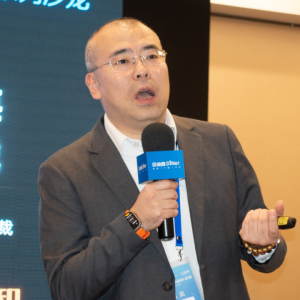
在“福建(厦门)制造业CIO沙龙”上,张犇分享了制造业数据出海带来的机遇和挑战。

一、制造业出海面临的机遇和挑战
张犇认为,制造业出海的挑战主要有两方面:一是国外市场本身的挑战,二是国内对本土企业的监管和规范化要求。同时,外企也面临着如何更高效地与海外市场协同、应对客户需求的问题。地缘政治也给信息资产安全和信息作战带来了风险。
“我过去三年一直在做出海工作,尤其是将中国的先进供应链经验带到东南亚、巴西和阿根廷等地,同时也找到了一些解决方案。但这些解决方案具有时效性,企业仍需关注国家法律法规的变化。”张犇表示。
2022年6月发布的《中国企业上云出海趋势洞察》显示,在已经布局全球业务的受访企业中,大型企业依然占据主导地位。近年来,中国企业出海足迹从欧美等传统区域扩展到东南亚、北美洲、非洲等新兴区域,超过60% 的受访出海企业的全球业务布局,都覆盖超过了3 个以上的海外地区。 CXO UNION-CXO联盟(cxounion.cn)
中国制造业在数据出海过程中,既面临着巨大的市场机遇,也需要应对诸多挑战。企业需要在合规、数据安全、跨文化沟通等方面做好准备,以实现可持续的国际化发展。
出海面临的机遇首先表现在市场拓展。依托大数据,出海为中国制造业提供了更广阔的市场机会,有助于提高产品的国际知名度和竞争力。面对全球市场的需求,中国制造业可以借机通过数据推动技术创新,提高产品质量和附加值,从而实现产业升级。同时,数据出海使企业能够更好地了解国际市场和消费者需求,利用大数据分析进行精细化运营和决策,提高市场响应速度。最后,数据出海有助于中国制造业与国际企业建立合作关系,共享资源和技术,实现互利共赢。
关于挑战,在张犇看来,制造业出海面临的核心问题是产能、质量和供应链。海外供应链的不稳定是一个主要问题,因为在中国,企业可以快速找到替代供应商,但在海外,这一点并不容易实现。运输也是供应链的一个重要环节,但企业不能简单地将中国的生产线复制到海外。 CXO UNION-CXO联盟(cxounion.cn)
在法律法规方面,欧盟的GDPR法律极为严苛,特别是在个人数据保护方面。例如,在欧盟,面部识别技术受到限制,而在中国则已成为日常生活的一部分。因此,在出海时,必须深入了解和遵守当地的数据安全和企业信息化相关法律法规。
中国的网络安全法、个人信息保护法和数据安全法限制了数据的跨境传输。企业出海时,需要注意不超过法律规定的数据传输量和内容。凯傲集团目前正在努力通过这些法律的等级保护认证,希望能成为中国第一家在国内获得网络安全和数据安全法等级保护认证的外企。
二、三大手段应对出海挑战
张犇认为,这些挑战并非不可逾越,可以通过提高管理能力、加强协同能力和增强网络安全等手段来应对。
首先,管理能力的提升在整个出海过程中至关重要。特别是适应当地国家的管理能力,需要有显著提高。张犇建议,与当地的人和数据打交道,不能仅依赖流程。在海外招聘当地管理层是关键,因为这些人员了解当地的法律行为和潜在风险。 CXO UNION-CXO联盟(cxounion.cn)
其次,协同能力的加强是另一个关键因素。在当前算力爆炸的时代背景下,尤其是欧美的中小企业对公有云的依赖程度极高,张犇指出,要学会接受和适应公有云的商务流程和运营机制。同时,考虑到中国企业可能使用的一些特定云服务(如阿里云或腾讯云),在海外构建相应的公有云架构时,需要考虑与国内系统的协同和数据传输问题。
关于网络安全和数据安全,这是在全球化过程中必须高度重视的领域。张犇特别指出,欧盟的GDPR法律非常严格,尤其是在个人数据保护方面。因此,公司在海外的操作必须遵守当地的法律法规,尤其是在数据保护和员工权益方面。此外,信息安全的预警机制和组织结构也非常关键,特别是在应对网络勒索等信息安全风险时。
三、制造业出海更多宝贵经验
最后,结合凯傲集团的一系列实践,张犇分享了更多制造业企业出海的经验。首先他指出,跨文化沟通是另一个不容忽视的问题。凯傲集团的经验表明,即便在多元化的德国,当遇到问题时,德国人也倾向于使用母语而非英语进行沟通。这说明,解决语言问题和理解不同国家文化的重要性。张犇强调,AI在跨语言沟通方面的作用不容小觑,但最有效的沟通方式仍然是使用当地母语。即使是通过文字交流,使用母语的效率往往高于使用第二语言。这一点在跨文化沟通中尤为关键,因为母语能够更直接、更准确地传达信息。
张犇还指出,中国企业在执行力方面具有天生优势。中国团队在追求共同目标时展现出强烈的主动性和执行力。与之相比,外国员工通常将家庭和休息放在工作之上,这种文化差异意味着在国外迅速推进项目可能较为困难。因此,他建议企业应该调整期望,接受国外市场在时间效率上可能不如中国市场的现实。也正是因为这样,在监控和优化方面,企业应专注于监控流程和结果,而不是个人。国外的工作文化与中国存在显著差异,特别是在工作时间和私人生活的界限方面。例如,在欧美国家,工作和私人生活的界限更加明确,而中国员工往往愿意在非工作时间处理紧急工作事务。因此,企业需要适应这种文化差异,并采取适当的监控和优化策略。
在供应链管理方面,张犇提到东南亚国家的供应链能力仍有待提升。因此,企业在出海时不应仅依赖当地供应链,而应考虑带着核心供应链合作伙伴一起出海。他分享了一些具体的经验,例如与当地供应链合作伙伴进行资本运作,共同确保足够的产能和质量标准。 CXO UNION-CXO联盟(cxounion.cn)
在ERP系统的部署方面,张犇则强调了财务和内控模块的重要性,特别是在进行海外投资和合作时。他指出,确保当地供应商能够满足质量和产能要求,并防止资金被挪用,对于保证投资回报至关重要。
在跨文化管理方面,张犇强调了与当地文化融合的重要性。他提出,虽然中国企业在执行力方面可能占优势,但在国外市场,尤其是欧美和东南亚国家,需要理解当地的工作习惯和文化特性。他建议企业应该适应当地的工作文化,同时也要准备好接受在效率和执行力方面可能与中国市场不同的现实。
张犇强调,对于黑客攻击、IPS和IDS以及DDoS攻击的检测,企业必须建立起基本的防御机制。这些机制虽然可能不如大型跨国公司那样“高端”,但至少要能够有效地保护企业免受常见网络威胁。
在谈及数据流程部署时,张犇特别提到了等级保护(简称等保)的重要性。对于中国企业来说,等保相当于是国家提供的一种“护身符”,这不仅允许企业数据流程部署到海外,同时也确保了企业遵守国家的法律法规。未获得等保认证的企业可能在出海前会受到国家的限制,尤其是在敏感信息处理方面。
张犇提出,边界安全是一个关键因素,即明确哪些数据可以传输,哪些不行。随后,他举例说明了如何通过数据的部分脱敏处理(如对姓名和电话号码的部分隐藏),在不更改CRM系统架构的同时,避免敏感信息泄露。他强调,这种方法既合规又有效,且不需要昂贵的加密措施。 CXO UNION-CXO联盟(cxounion.cn)
最后,张犇详细讲述了等级保护中的主要考察点,包括主机安全、访问权限、日志备份、身份认证、安全设备、弱口令处理、用户管理以及应用系统安全。他建议企业使用多因素认证方法来增强账户安全,并关注服务账户的管理,确保没有未使用或僵尸用户账户存在。

翻译:
Kion Group Zhang: Opportunities and challenges brought by manufacturing data to the sea
For manufacturing, data is the “nervous system” that plays a key role in information collection, processing and feedback. CXO UNION-CXO联盟(cxounion.cn)
First, data provides the basis for manufacturing management and decision-making. By analyzing data, companies can better understand market demand, product performance, production efficiency and cost structure to make better business decisions.
Second, data in manufacturing can help companies optimize production processes, reduce waste, and improve production efficiency. For example, by monitoring data on the production line in real time, companies can quickly identify and resolve problems in the production process.
Third, data analysis can be used to monitor product quality and ensure that products meet standards. By continuously collecting and analyzing production data, companies are able to detect quality problems in time and take measures to prevent them from expanding.
Fourth, in supply chain management, the importance of data is reflected in optimizing inventory management, forecasting demand, and reducing the risk of supply chain disruption. Through data analytics, companies can manage their supply chains more efficiently and reduce costs.
Finally, for manufacturing industries that need to comply with specific regulations and standards, data can help companies ensure compliance while analyzing potential business risks and taking preventive measures. CXO UNION-CXO联盟(cxounion.cn)
Today, as more and more manufacturing companies go to sea, data security is also a growing concern.
“In recent years, China’s supply chain capacity, pressure resistance and ecosystem cooperation ability has far exceeded Europe and the United States. Against this backdrop, foreign companies are also learning from China’s advanced practices and want to apply these experiences to overseas markets.” Ben Zhang, Vice President of IT and Digital Asia Pacific of Kion Group, the parent company of Linde Forklift Trucks.
At the “Fujian (Xiamen) Manufacturing CIO Salon”, Mr. Zhang shared the opportunities and challenges brought by manufacturing data going to sea. CXO UNION-CXO联盟(cxounion.cn)
Ben Zhang, Vice President, IT and Digital, Asia Pacific, KION Group (Linde Forklift parent company)
First, the opportunities and challenges faced by the manufacturing industry
Ben Zhang believes that the challenges of manufacturing in the sea are mainly in two aspects: one is the challenge of the foreign market itself, and the other is the supervision and standardization requirements of domestic enterprises. At the same time, foreign companies also face the problem of how to more efficiently collaborate with overseas markets and respond to customer needs. Geopolitics also poses risks to the security of information assets and information operations.
“I have been working on the sea for the past three years, especially bringing China’s advanced supply chain experience to places like Southeast Asia, Brazil and Argentina, while also finding some solutions. But these solutions are time-sensitive, and companies still need to pay attention to changes in national laws and regulations.” “Zhang Ben”.
The “Chinese Enterprises on the Cloud to the Sea Trend Insight” released in June 2022 shows that among the surveyed enterprises that have already laid out their global business, large enterprises still dominate. In recent years, Chinese enterprises’ overseas footprint has expanded from traditional regions such as Europe and the United States to emerging regions such as Southeast Asia, North America and Africa, and more than 60% of the surveyed overseas enterprises’ global business layout covers more than 3 overseas regions. CXO UNION-CXO联盟(cxounion.cn)
In the process of data going to sea, China’s manufacturing industry is faced with both huge market opportunities and many challenges. Companies need to be prepared in terms of compliance, data security, cross-cultural communication and more to achieve sustainable international growth.
The opportunities facing the sea are first manifested in market expansion. Relying on big data, going to sea provides a broader market opportunity for China’s manufacturing industry and helps improve the international visibility and competitiveness of products. In the face of global market demand, China’s manufacturing industry can take the opportunity to promote technological innovation through data, improve product quality and added value, so as to achieve industrial upgrading. At the same time, data sailing enables enterprises to better understand the international market and consumer demand, use big data analysis for fine operations and decision-making, and improve market response speed. Finally, data sailing helps China’s manufacturing industry and international enterprises to establish cooperative relations, share resources and technology, and achieve mutual benefit and win-win results.
In Zhang’s view, the core issues facing the manufacturing industry are production capacity, quality and supply chain. Instability in overseas supply chains is a major concern because in China, companies can quickly find alternative suppliers, but overseas, this is not easy to achieve. Transportation is also an important link in the supply chain, but companies cannot simply copy production lines from China overseas.
In terms of laws and regulations, the EU’s GDPR law is extremely stringent, especially when it comes to personal data protection. In the European Union, for example, facial recognition technology is restricted, while in China it has become part of everyday life. Therefore, when going to sea, it is necessary to deeply understand and comply with local laws and regulations related to data security and enterprise informatization. CXO UNION-CXO联盟(cxounion.cn)
China’s cybersecurity law, personal Information Protection Law and data security law restrict the cross-border transfer of data. When companies go to sea, they need to be careful not to exceed the amount and content of data transmission stipulated by law. Kion Group is currently working to pass the grade protection certification of these laws, hoping to become the first foreign company in China to obtain the grade protection certification of cybersecurity and data security law in China.
Second, three major measures to address challenges to the sea
According to Zhang, these challenges are not insurmountable and can be addressed by improving management capabilities, enhancing coordination and enhancing cyber security.
First of all, the improvement of management ability is crucial in the entire process of going to sea. In particular, management capacity adapted to local countries needs to be significantly improved. When dealing with local people and data, we should not rely on processes alone, Zhang advised. Recruiting local management overseas is key because these personnel understand local legal practices and potential risks.
Second, enhanced synergy is another key factor. In the context of the current era of explosive computing power, especially small and medium-sized enterprises in Europe and the United States are highly dependent on public cloud, Zhang pointed out that Ben should learn to accept and adapt to the business process and operation mechanism of public cloud. At the same time, considering some of the specific cloud services that Chinese enterprises may use (such as Alibaba Cloud or Tencent Cloud), when building the corresponding public cloud architecture overseas, it is necessary to consider the coordination and data transmission issues with domestic systems. CXO UNION-CXO联盟(cxounion.cn)
Regarding cybersecurity and data security, this is an area that must be highly valued in the process of globalization. In particular, Zhang pointed out that the EU’s GDPR law is very strict, especially in terms of personal data protection. As a result, companies operating overseas must comply with local laws and regulations, especially when it comes to data protection and employee rights. In addition, early warning mechanisms and organizational structures for information security are also critical, especially when dealing with information security risks such as cyber extortion.
Third, more valuable experience in the manufacturing industry
Finally, combined with a series of practices of Kion Group, Mr. Zhang shared more experience of manufacturing enterprises going to sea. First of all, he pointed out that cross-cultural communication is another problem that cannot be ignored. Kion’s experience shows that even in diverse Germany, when faced with a problem, Germans tend to communicate in their mother tongue rather than English. This shows the importance of solving language problems and understanding different cultures. Zhang stressed that AI plays an important role in cross-language communication, but the most effective way of communication is still to use the local mother tongue. Even with written communication, it is often more efficient to use your mother tongue than your second language. This is especially important in cross-cultural communication, where the mother tongue conveys information more directly and accurately.
Zhang also pointed out that Chinese companies have a natural advantage in execution. The Chinese team showed strong initiative and execution in pursuit of a common goal. By contrast, foreign workers often prioritize family and rest over work, a cultural difference that means it can be difficult to move projects quickly abroad. Therefore, he suggests that companies should adjust their expectations and accept that foreign markets may not be as time efficient as the Chinese market. This is why, when it comes to monitoring and optimization, companies should focus on monitoring processes and results, rather than individuals. There are significant differences between working culture abroad and China, especially when it comes to the boundaries between working hours and private life. For example, in the United States and Europe, the boundaries between work and private life are clearer, while Chinese employees are often willing to deal with urgent work matters during non-working hours. Therefore, companies need to adapt to this cultural difference and adopt appropriate monitoring and optimization strategies.
On supply chain management, Zhang said that Ben’s supply chain capability in Southeast Asia needs to be improved. Therefore, companies should not rely solely on local supply chains when they go to sea, but should consider taking core supply chain partners with them. He shared some specific experiences, such as capital operations with local supply chain partners to ensure adequate capacity and quality standards.
On the deployment of ERP system, Zhang stressed the importance of financial and internal control modules, especially when carrying out overseas investment and cooperation. He noted that ensuring that local suppliers can meet quality and capacity requirements, and preventing funds from being misappropriated, is critical to guaranteeing a return on investment. CXO UNION-CXO联盟(cxounion.cn)
In terms of cross-cultural management, Zhang stressed the importance of integrating with local cultures. He argues that while Chinese companies may have an edge in execution, in foreign markets, especially in Europe, the United States and Southeast Asia, they need to understand local working habits and cultural characteristics. He suggested that companies should adapt to the local work culture, while also being prepared to accept the reality that it may be different from the Chinese market in terms of efficiency and execution.
“Enterprises must establish a basic defense mechanism to detect hacker attacks, IPS and IDS attacks, and DDoS attacks,” Zhang said. While these mechanisms may not be as “high-end” as those of large multinational corporations, they must at least be effective in protecting organizations from common cyber threats. CXO UNION-CXO联盟(cxounion.cn)
When talking about the deployment of data processes, Zhang in particular mentioned the importance of grade protection (equal protection). For Chinese companies, equiguarantee is equivalent to a kind of “talisman” provided by the state, which not only allows corporate data processes to be deployed overseas, but also ensures that the company complies with the country’s laws and regulations. Companies that do not obtain such certification may be subject to state restrictions before going overseas, especially when it comes to handling sensitive information.
Border security is a key factor, Zhang said, to clarify what data can and cannot be transferred. He then gave an example of how partial desensitization of data, such as partial hiding of names and phone numbers, can prevent sensitive information from leaking without changing the architecture of the CRM system. He stressed that this approach is both compliant and effective, and does not require expensive encryption measures. CXO UNION-CXO联盟(cxounion.cn)
Finally, Ben Zhang talks about the main issues of hierarchical protection, including host security, access rights, log backup, identity authentication, security devices, weak password processing, user management, and application system security. He recommends that businesses use a multi-factor authentication approach to enhance account security and pay attention to the mana
由CXO UNION-CXO联盟(cxounion.cn)转载而成,来源于企业网D1Net;编辑/翻译:CXO UNIONCXO联盟小U。
如需加入CXO UNION(CXO联盟)高管社群,请联系社群小伙伴哦~
免责声明: 本网站(http://www.cxounion.cn/)内容主要来自原创、合作媒体供稿和第三方投稿,凡在本网站出现的信息,均仅供参考。本网站将尽力确保所提供信息的准确性及可靠性,但不保证有关资料的准确性及可靠性,读者在使用前请进一步核实,并对任何自主决定的行为负责。本网站对有关资料所引致的错误、不确或遗漏,概不负任何法律责任。
本网站刊载的所有内容(包括但不仅限文字、图片、LOGO、音频、视频、软件、程序等) 版权归原作者所有。任何单位或个人认为本网站中的内容可能涉嫌侵犯其知识产权或存在不实内容时,请及时通知本站,予以删除。
如需加入CXO UNION(CXO联盟)高管社群,请联系社群小伙伴哦~

免责声明: 本网站(http://www.cxounion.cn/)内容主要来自原创、合作媒体供稿和第三方投稿,凡在本网站出现的信息,均仅供参考。本网站将尽力确保所提供信息的准确性及可靠性,但不保证有关资料的准确性及可靠性,读者在使用前请进一步核实,并对任何自主决定的行为负责。本网站对有关资料所引致的错误、不确或遗漏,概不负任何法律责任。
本网站刊载的所有内容(包括但不仅限文字、图片、LOGO、音频、视频、软件、程序等) 版权归原作者所有。任何单位或个人认为本网站中的内容可能涉嫌侵犯其知识产权或存在不实内容时,请及时通知本站,予以删除。
Search
Popular Posts
-

2024数字化灯塔案例评选申报开启!
“2024数字化灯塔案例评选”于3月正式启动,诚挚欢迎业界同仁自荐和推荐,一起推动产业数字化进程,助力赋能企业…
-

2024 X-Award星盘奖申报通道已开启!
X-Award星盘奖是数字化转型服务、IT服务行业重要的商业奖项,旨在表彰行业里提供杰出数字化转型服务与IT服…
-

2024 N-Award星云奖申报通道已开启!
N-Award是数字化转型领域重要的商业奖项,旨在表彰那些以非凡的远见、超群的领导才能和卓越的成就来激励他人的…