Norman Roth相信“相信”的力量。
他相信人要保持谦卑。他酷爱马拉松,6年来已绕苏州金鸡湖跑了1000圈左右,只因为比赛中总有人跑得更快;他秉持一种信念,“宽以待人,严以待事”。
他相信企业要挑战现状。当他认为企业需要创造“问题文化”,企业永远会遇到问题,而一流和普通企业之间的区别在于如何解决问题。
他相信持续精进的力量。他坚持做走动管理(Gemba Walk),走到一线与员工交流,了解情况,不断提升解决问题的能力。
他对中国和数字化充满信心。他认为,中国不仅是一个领先的市场,更是技术革新的前沿阵地;而数字化是卓越运营的重要推动力,也是推动精益发展的动力。 CXO UNION-CXO联盟(cxounion.cn)
承诺是扎根的承诺。来自德国的博世于1909年扎根中国,目前在华已有三座灯塔工厂,分别位于苏州、无锡和长沙。在AI赋能下,三座工厂的生产力都实现了飞跃,生产成本也在不断降低。
追求是深耕的追求。他坚定不移的信心与博世集团对中国市场和先进工业制造的承诺与追求不谋而合。博世集团持续看好中国市场,将中国视为全球最大市场之一及创新和研发基地。在过去的一年中,博世高层多次强调,博世将继续扎根中国,加大在华投资,增强本土制造和研发能力,拓展本土合作,以更高效地服务中国客户和市场。
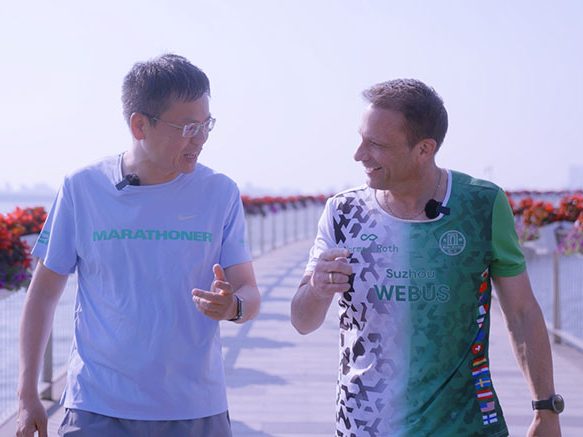
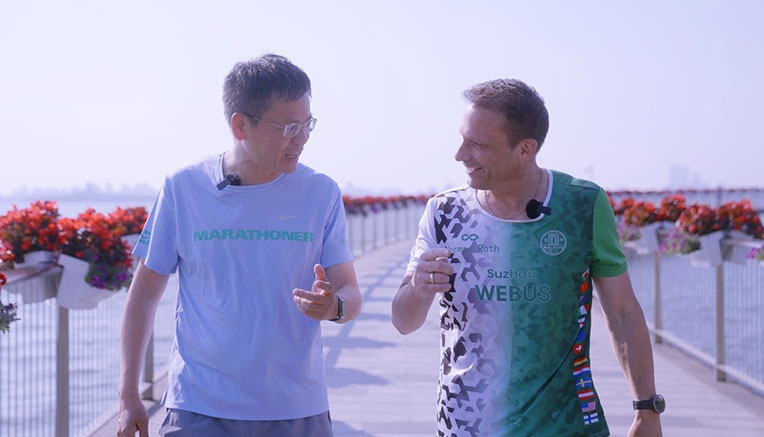
在本期“灯塔企业高层访谈实录”中,麦肯锡全球董事合伙人侯文皓与Norman一道,围绕金鸡湖畔酣畅共跑,并在博世苏州灯塔工厂围绕中国市场、数字化精益、生成式AI、员工赋能等话题,进行了深入探讨。
有些事业值得用一辈子去追求。对他们而言,制造便是那份一生一“事”,而他们的言语之间,也无不展现坚定的力量。
以下为编辑后的访谈实录。
一、中国是技术变革的领跑者——“我们为什么要分裂世界?这违背了自然规律”
侯文皓:麦肯锡中国区总裁倪以理曾说过,“下一个中国,在中国。”中国仍是博世最大的市场。您怎么看待中国市场?接下来3~5年制胜中国市场的战略是什么? CXO UNION-CXO联盟(cxounion.cn)
Norman Roth:先说一组数据,全球每年汽车产量约为8500万~8700万辆,而其中有3000万辆都产自中国。对博世而言,中国区贡献了博世全球销售额的约20%,近年已成为博世全球除德国之外最大的市场。其重要性可见一斑。
我们在中国拥有深厚的历史根基。1909年,自博世首次踏上中国这片热土起,我们在中国市场的发展历程已跨越了115个春秋。我们期望在中国市场躬身入局,大展宏图。中国不仅是一个领先的市场,更是技术革新的前沿阵地。以动力总成的电气化为例,中国无疑是这一变革的领跑者,我们热切期望融入这片市场。
博世集团董事会主席史蒂凡•哈通先生最近在采访中表示,我们将持续加大对中国的投资,增强本土制造和研发能力。通过强化在中国的产品开发力度,我们希望能够提供真正符合本土市场和消费者需求的解决方案。
另外说到“脱钩”的问题。可能受到地缘政治因素的推动,这个词屡见报端。而博世的立场也很明确,正如我们董事会主席哈通先生近期的发声:原则上,脱钩是不明智的想法。我们为什么要分裂世界?这违背了自然规律。而博世致力于与各方合作,旨在为各地市场的具体需求,提供定制化的服务和产品。
博世内部已经形成了一个广泛的共识:我们期望在中国加强平台开发能力,以实现最高本土化水平。其次,我们将继续在各个层面与本地合作伙伴深化合作。在中国,我们已经建立了一些非常成功的合资企业,我们将继续探索更多的合作机会。
侯文皓:在中国,运营的节奏可能是按天计,甚至按小时计。博世如何提高运营的速度?
Norman Roth:首先,当客户提出需求时,如果你需要完全从零开始设计研发,速度肯定快不了。所以我们采用了标准化开发流程,我们称之为“模块”,涉及产品设计、组件以及零部件。此外,我们还对现有生产设备和工艺进行标准化,尽可能重复使用生产设备或避免不断开发新的工艺。比如,利用现有的焊接工艺。所以,这种“模块”是提速的良方。
另一点是如何更好地利用时间。与世界其他地方相比,中国同事和本地行业在时间的利用上表现地更为高效。有关这种模式从长远来看是否可持续,大家可能会各执己见,但在当前VUCA时代,速度有助于企业争取更多商机。
侯文皓:电气化和去碳化正在塑造未来的出行市场。能否跟我们分享一下博世的战略?尤其是数字化和工业4.0所扮演的角色。 CXO UNION-CXO联盟(cxounion.cn)
Norman Roth:早在2018年,博世就明确了六个目标愿景维度,并采取了一种全面的方法来推进可持续发展。我们关注的议题包括气候行动、循环经济以及人权等。我们采取了一种全方位的可持续发展策略,即“从摇篮到坟墓”(cradle-to-grave)的方法。一些汽车制造商,尤其是那些精益制造商,都认为这是一种360°的全方位方法。
博世自2020年便开始致力于实现范围1和范围2*的净零排放。首先大力提升能效,利用大数据和AI对生产流程进行优化。你现在所在的苏州公司的建筑屋顶或入口,就能看到大量的太阳能电池板,以及遮阳装置。此外,博世还安装地热能系统等节能装置。
博世也在积极采购绿电。绿电的使用也能助力我们实现可持续发展目标。我们还在采取措施抵消剩余的二氧化碳排放。依托AI技术,我们分析了所有机械设备的使用模式和效率。基于这些数据,我们可以智能地控制设备的开关;而基于能源管理系统的预测能力,我们能够预测未来的能源需求,并据此进行能源采购的合同谈判。这大幅提高了我们的能源使用效率。
这个案例充分展示了工业4.0和AI技术在能耗优化方面的贡献。我们还设定了长远的目标:到2030年,在整个价值链的上下游(范围3)减少15%的碳排放(以2018年为基准年)。
注: *范围1、2、3依据《温室气体核算体系:企业核算与报告标准》界定
二、一枚硬币的两面——“精益是基础,且在未来几十年里仍将是基础”
侯文皓: 博世在精益制造方面颇有建树,也是工业4.0的先锋军。您认为精益和工业4.0之间是什么关系?如何合理利用这两者,推动业务持续增长? CXO UNION-CXO联盟(cxounion.cn)
Norman Roth:对我们而言,精益和工业4.0就好比一枚硬币的两面,而其核心在于构建透明度。要看到问题、解决问题、预测问题,并针对问题做好预案。比如在预测性维护中,全面生产维护(Total Productive Maintenance,简称TPM)便是一个很好的体系。
比如在焊接工艺中,电极的使用不可或缺。然而,这些电极在使用过程中会逐渐磨损。借助过往的历史数据,我们能够训练算法,使之具备智能的预测能力,从而精确判断电极的磨损时机。这实则也展现了AI在提升生产效率、优化设备整体效能以及改善重点KPI方面的巨大潜力与贡献。
侯文皓:就像精益思维,是在用更少的投入撬动更多的产出(doing more with less)。
Norman Roth:我坚信,精益是基础,且在未来几十年里仍将是基础,它是从价值流中消除浪费的最佳武器。
侯文皓:您有着一段从学界到业界的独特转型经历。纵观最近工业4.0的变化,您认为我们该如何应对这些纷繁复杂的环境和挑战? CXO UNION-CXO联盟(cxounion.cn)
Norman Roth:我一直秉持“宽以待人,严以待事”的理念。谦逊、朴素、礼貌的领导风格,加上能够激发员工工作激情的环境,可以让员工发挥出自己的最佳表现。另外,深入事实,严控流程,并勇于挑战流程,将有助于深入理解情况并制定合适的应对措施。
另一点与“丰田生产方式”创始人大野耐一的理念不谋而合,他对浪费“零容忍”。在企业的价值流中,时常存在严重的浪费,即便是现在,仍有高达90%的非增值环节,因此我们需要积极投身其中,尽可能地消除浪费。这也印证了那句话:“管理层只有深入了解细节,才能提供真正有价值的建议。”我们必须对相关领域有深刻的理解,掌握技术、熟悉流程、了解生产设备。这些知识将帮助我们精准识别浪费所在。
侯文皓:您有没有尝试过其他方法来深入了解情况?能否分享一些您的最佳实践?
Norman Roth:有两个方法我经常用。一是反复追问“为什么”。通过连续五次甚至更多次地问“为什么”,我能深入挖掘问题的核心,并理解其根本原因。我相信,只有真正理解问题的根因,我们才能制定出可持续的正确对策,防止失败再次发生。二是观察车间。有时我会像岩石一样,在车间站立不动,仔细观察周围的一切。在一家优秀的精益工厂里,流程应当是稳定的。 CXO UNION-CXO联盟(cxounion.cn)
我还有一个有效的工具可以分享给大家,即“黄金四问”。一问工作标准。让车间工人展示工作流程和作业图;二问标准偏离。警示在哪里?有没有一套机制能在偏离标准时进行提醒?三问偏离标准后的恢复情况,以及纠正措施的部署情况;四问标准的改善情况,员工有没有持续提升其工作标准。
侯文皓:这是典型的PDCA闭环。很多人都知道PDCA,但您的“黄金四问”在推动PDCA的落地上具有独特价值。
Norman Roth:还有一点是鼓励团队始终挑战现状。一位精益创始人曾言,永远不要满足于现状,要始终挑战现状,始终寻找问题,不断精进。交通灯有黄灯、绿灯、红灯,而车间应经常能“亮黄灯”,这样你才会时刻保持警惕,并有意识地去反思下一步该做什么。
三、生成式AI为车间一键赋能——“如果你对这些新技术不碰、不学,将在未来错失很多机会”
侯文皓:本次探访博世苏州灯塔工厂,也想请您分享一些最佳实践。与四年前相比,博世的工厂发生了哪些变化?
Norman Roth:博世长沙、无锡和苏州工厂皆有十分优秀的用例。苏州工厂在工业4.0应用及渗透率上较为突出。不仅用例数量较多,而且实现了技术的深度应用。 CXO UNION-CXO联盟(cxounion.cn)
比如我们在SMT(表面贴装技术)工作区部署了最为前沿的技术。我们依托结合了先进卷积神经网络的光学检测技术来观察印刷电路板,并识别潜在的产品失效点。该技术应用已在业界广为人知。如今,苏州工厂已经实现了100%的覆盖率。这项名为“AI@AOI”,即集成了AI的自动光学检测技术的项目,已将我们目检的生产效率大幅提升。
苏州工厂另一个引以为傲的案例,便是同步工程的发展。您可能听说过知识图谱和实体模型。我们在苏州工厂建立了非常完整的数字模型。有了知识图谱,我们便能为整条生产线建模,并通过运用大量仿真模型来支持工厂发展、提高产量、改进生产线,并运用虚拟调试来进行故障排除,进而以更快的速度提高产量。
侯文皓:你们最近有没有部署生成式AI?
Norman Roth:我们身处的车间广泛部署了生成式AI。举例而言,车间现场需要操作指南、质控矩阵、控制规划及质量报告表。我们在车间使用了大量的生成式AI模型,它们会基于历史数据生成相应的文件。我们能够在此为欧洲、印度、泰国、墨西哥等地的工厂提供支持。得益于生成式AI模型,现在只需单击鼠标,便能将我们中文的操作指南和质控文档,轻松翻译成五种语言。
侯文皓:您能否再跟我们详细说一说,博世是如何为员工赋能的?
Norman Roth:世界正在朝着数字化与AI的新世界发展。我们要积极拥抱新时代,掌握一些基本知识。如果你对这些新技术不碰、不学,将在未来错失很多机会。因此,博世汽车电子中国区建立了一个人才学院,在过去的几年中我们培养了100多名数字化人才。 CXO UNION-CXO联盟(cxounion.cn)
我们应该创造一个让员工真正受到赋能的环境。这也是一种精益思维:“把指挥权交给一线”。这种赋能也将转化为速度和动力,给员工的自主权是一种有效的激励。
最后就是创造一种“问题文化”(Problem Welcome Culture)。企业永远会遇到问题,而一流和普通企业之间的区别在于他们如何对待问题。所以企业应该欢迎问题,没有问题才是最大的问题。
四、一生一“事”的马拉松——“保持谦卑,因为比赛中总有比你跑得更快的人”
侯文皓:据说您在过去6年中绕着金鸡湖跑了1000多圈。我听说绕金鸡湖跑一圈大概是13.14公里。在中文里,1314谐音一生一“事”,意味着一生恪守一个承诺。您一生的承诺是什么?又是什么样的动力支撑着您坚守这份承诺?
Norman Roth:我很喜欢跑马拉松,也确实绕金鸡湖跑了1000圈上下了。马拉松是一项直接且纯粹的运动。穿鞋,迈步,出发。它还带点竞技性质,因此也是一次挑战自我的绝佳机会。马拉松还会让你保持谦卑,因为比赛中总有比你跑得更快的人。 CXO UNION-CXO联盟(cxounion.cn)
侯文皓:拥抱数字化转型,迈向一个更加美好的未来。在这方面,能否请您送几句寄语给大家?
Norman Roth:我坚信数字化将引领精益制造的新浪潮,并极大地助力我们提升生产效率;我们还需要持续深化精益理念,因为它是我们消除浪费、优化流程的强有力工具。总体而言,我们可将精益与数字化相结合,用数字化推动精益转型。
侯文皓:让我们为了这一目标努力奔跑,携手启程。
受访嘉宾
Norman Roth,博世智能出行集团中国区董事会高级执行副总裁,汽车电子事业部中国区总裁

翻译:
Norman Roth, COO of Bosch Smart Mobility China: “Looking to achieve the highest level of localization in China”
Norman Roth believed in the power of “believing.”
He believed in humility. He loves marathons and has run about 1,000 laps around Jinji Lake in Suzhou in the past six years, simply because there is always someone who runs faster. He holds the belief that “be lenient to others and strict with others”.
He believes in companies challenging the status quo. When he argues that companies need to create a “problem culture”, companies will always have problems, and the difference between a first-class and an average company is how to solve them.
He believes in the power of continuous improvement. He insisted on doing the Gemba Walk, going to the front line to communicate with employees, understand the situation, and constantly improve the ability to solve problems.
He has great faith in China and digitalization. He believes that China is not only a leading market, but also the forefront of technological innovation; Digital is an important driver of operational excellence and a driving force for lean development.
A commitment is a commitment to take root. Bosch, from Germany, took root in China in 1909 and now has three lighthouse factories in China, located in Suzhou, Wuxi and Changsha. With the help of AI, the productivity of the three factories has jumped, and the production cost has been continuously reduced.
Pursuit is the pursuit of deep cultivation. His unwavering confidence coincides with the Bosch Group’s commitment and pursuit of the Chinese market and advanced industrial manufacturing. The Bosch Group continues to be bullish on the Chinese market as one of the world’s largest markets and a base for innovation and research and development. In the past year, Bosch executives have repeatedly stressed that Bosch will continue to take root in China, increase investment in China, enhance local manufacturing and research and development capabilities, and expand local cooperation to serve Chinese customers and markets more efficiently. CXO UNION-CXO联盟(cxounion.cn)
In this issue of the “Lighthouse Business Executive Interview Record”, McKinsey Global Managing partner Hou Wenhao and Norman together, around the Jindji Lake, and Bosch Suzhou Lighthouse factory around the Chinese market, digital lean, generative AI, employee empowerment and other topics, conducted in-depth discussions.
Some careers are worth a lifetime. For them, making is the “thing” of a lifetime, and their words all show firm power.
The following is an edited transcript of the interview.
1. China is the leader in technological change – “Why do we want to divide the world?” It’s against the laws of nature.”
Mr. Hou: Eli Nee, the head of McKinsey China, once said, “The next China is in China.” China remains Bosch’s biggest market. What do you think of the Chinese market? What is your strategy for winning the Chinese market in the next 3-5 years?
Norman Roth: Let’s start with a set of figures, about 85 million to 87 million cars are produced in the world every year, and 30 million of them are produced in China. For Bosch, China contributes about 20% of Bosch’s global sales and in recent years has become Bosch’s largest market outside Germany. Its importance is evident.
We have deep historical roots in China. Since Bosch first set foot in China in 1909, our development in the Chinese market has spaned 115 years. We look forward to participating in the Chinese market and making great achievements. China is not only a leading market, but also at the forefront of technological innovation. Taking the electrification of powertrains as an example, China is the clear leader in this revolution, and we are eager to be part of this market.
Stefan Hartung, Chairman of the Board of Directors of Bosch Group, said in a recent interview that we will continue to increase investment in China and strengthen local manufacturing and research and development capabilities. By strengthening our product development efforts in China, we hope to be able to provide solutions that truly meet the needs of the local market and consumers. CXO UNION-CXO联盟(cxounion.cn)
Then there is the question of decoupling. Perhaps driven by geopolitical factors, the word is in the headlines. And Bosch’s position is clear, as our Chairman, Mr. Hartung, recently stated: Decoupling is, in principle, an unwise idea. Why do we want to divide the world? It goes against the laws of nature. Bosch is committed to working with all parties to provide customized services and products for the specific needs of local markets.
There is a broad consensus within Bosch that we expect to strengthen our platform development capabilities in China in order to achieve the highest level of localization. Second, we will continue to deepen cooperation with our local partners at all levels. In China, we have established a number of very successful joint ventures and we will continue to explore more opportunities for collaboration.
Hou Wenhao: In China, the pace of operations may be daily, or even hourly. How can Bosch improve the speed of its operations? CXO UNION-CXO联盟(cxounion.cn)
Norman Roth: First of all, if you need to design and develop completely from scratch when the customer asks for it, you can’t do it fast enough. So we use a standardized development process, which we call “modules,” which involve product design, components, and components. In addition, we standardize existing production equipment and processes, reusing production equipment whenever possible or avoiding the constant development of new processes. For example, using existing welding processes. So, this “module” is a good way to speed up.
Another point is how to make better use of time. Compared to the rest of the world, Chinese colleagues and local industries are more efficient at using their time. Opinions may differ as to whether this model is sustainable in the long run, but in the current era of VUCA, speed helps companies capture more business opportunities.
Hou Wenhao: Electrification and decarbonization are shaping the future mobility market. Can you share with us Bosch’s strategy? In particular, the role of digitization and Industry 4.0. CXO UNION-CXO联盟(cxounion.cn)
Norman Roth: Back in 2018, Bosch identified six target vision dimensions and adopted a holistic approach to advancing sustainability. We focus on issues such as climate action, circular economy and human rights. We have adopted a holistic approach to sustainability, a cradle-to-grave approach. Some automakers, especially lean ones, see this as a 360° approach.
Bosch has been working towards net zero emissions in Scope 1 and Scope 2* since 2020. The first step is to improve energy efficiency and optimize production processes using big data and AI. The roof or entrance of the building where you are now working in Suzhou can be seen with a large number of solar panels, as well as shading devices. In addition, Bosch installs energy saving devices such as geothermal energy systems.
Bosch is also actively buying green electricity. The use of green electricity can also help us achieve the Sustainable Development Goals. We are also taking steps to offset the remaining CO2 emissions. Relying on AI technology, we analyzed the usage patterns and efficiency of all mechanical equipment. Based on these data, we can intelligently control the switch of the device; Based on the predictive capabilities of the energy management system, we are able to predict future energy demand and negotiate energy procurement contracts accordingly. This has dramatically improved our energy efficiency.
This case fully demonstrates the contribution of Industry 4.0 and AI technology in energy consumption optimization. We have also set a long-term goal to reduce carbon emissions by 15% (with 2018 as the base year) across the entire value chain (scope 3) by 2030.
Note: * Scope 1, 2 and 3 are defined in accordance with the Greenhouse Gas Accounting System: Standards for Enterprise Accounting and Reporting
2. Two sides of the same coin – “Lean is the foundation and will remain the foundation for decades to come”
Hou Wenhao: Bosch has made considerable achievements in lean manufacturing and is also a pioneer of Industry 4.0. What do you think is the relationship between Lean and Industry 4.0? How to make the best use of both to drive continued business growth? CXO UNION-CXO联盟(cxounion.cn)
Norman Roth: For us, Lean and Industry 4.0 are like two sides of the same coin, and the core is building transparency. To see the problem, solve the problem, predict the problem, and make plans for the problem. For example, in predictive Maintenance, Total Productive Maintenance (TPM) is a good system.
For example, in the welding process, the use of electrodes is indispensable. However, these electrodes gradually wear out during use. Using historical data from the past, we were able to train the algorithm to have intelligent predictive capabilities to accurately determine the timing of electrode wear. This also shows the great potential and contribution of AI in improving production efficiency, optimizing the overall performance of equipment, and improving key KPIs.
Hou Wenhao: Just like lean thinking, it is doing more with less.
Norman Roth: I firmly believe that Lean is the foundation and will remain the foundation for decades to come, and it is the best weapon to remove waste from the value stream.
Hou Wenhao: You have a unique transition experience from academia to industry. Looking at the recent changes in Industry 4.0, how do you think we should deal with these complex environments and challenges?
Norman Roth: I’ve always had a philosophy of “be lenient, be strict.” A humble, plain, polite leadership style, coupled with an environment that inspires employees to work passionately, allows employees to bring out their best. In addition, digging into the facts, strictly controlling the process, and daring to challenge the process will help to understand the situation deeply and develop appropriate responses. CXO UNION-CXO联盟(cxounion.cn)
Another point coincides with the philosophy of the founder of the “Toyota Way of production”, Ohno, who has “zero tolerance” for waste. There is often significant waste in the value stream of the enterprise, and even now, up to 90% of the value is not added, so we need to actively engage in eliminating waste as much as possible. This is also true of the saying: “Management can only provide valuable advice if they understand the details deeply.” We must have a deep understanding of the relevant fields, master the technology, familiar with the process, understand the production equipment. This knowledge will help us pinpoint where the waste is.
Hou Wenhao: Have you tried other ways to get a deeper understanding of the situation? Can you share some of your best practices? CXO UNION-CXO联盟(cxounion.cn)
Norman Roth: There are two methods that I use a lot. The first is to repeatedly ask “why”. By asking “why” five or more times in a row, I was able to get to the heart of the problem and understand its root cause. I believe that only by truly understanding the root causes of the problem can we develop the right sustainable responses to prevent failure from happening again. The second is to observe the workshop. Sometimes I would stand still like a rock in the workshop, carefully observing everything around me. In a good lean factory, the process should be stable.
I also have an effective tool that I can share with you, namely the “golden four questions”. Ask about job standards. Allow workshop workers to show work flow and operation drawings; Second question standard deviation. Where are the warnings? Is there a mechanism to alert you when you deviate from the standard? Three questions about the recovery after deviation from the standard, and the deployment of corrective measures; Fourth, ask about the improvement of standards, and whether employees continue to improve their work standards.
Hou Wenhao: This is a typical PDCA closed loop. Many people know about PDCA, but your “golden four questions” have unique value in promoting the landing of PDCA.
Norman Roth: The other thing is to encourage the team to always challenge the status quo. A Lean founder once said, never be satisfied with the status quo, always challenge the status quo, always look for problems, and constantly improve. Traffic lights have yellow, green, and red lights, and the workshop should often be able to “light yellow”, so that you will always be alert and consciously reflect on what to do next.
3. Generative AI enables the workshop with one click – “If you do not touch and learn these new technologies, you will miss many opportunities in the future”
Hou Wenhao: During this visit to Bosch Suzhou Lighthouse Factory, I would also like to ask you to share some best practices. How has Bosch’s factory changed compared to four years ago?
Norman Roth: The Bosch plants in Changsha, Wuxi and Suzhou all have excellent use cases. The Suzhou plant is more prominent in Industry 4.0 applications and penetration. Not only the number of use cases is large, but also the deep application of the technology is realized. CXO UNION-CXO联盟(cxounion.cn)
For example, we deploy the most cutting-edge technology in the SMT (surface Mount Technology) workspace. We rely on optical inspection technology combined with advanced convolutional neural networks to observe printed circuit boards and identify potential product failure points. The application of this technology is well known in the industry. Today, the Suzhou plant has achieved 100% coverage. The “AI@AOI” project, an AI-integrated automated optical inspection technology, has significantly improved our visual inspection productivity.
Another proud example of the Suzhou plant is the development of synchronous engineering. You may have heard of knowledge graphs and entity models. We built a very complete digital model in our Suzhou factory. With the knowledge graph, we can model the entire production line and increase production faster by using a large number of simulation models to support plant development, increase production, improve production lines, and use virtual debugging for troubleshooting.
Hou Wenhao: Have you deployed generative AI recently?
Norman Roth: We’re in a workshop where generative AI is widely deployed. For example, the workshop site requires an operation guide, a quality control matrix, a control plan, and a quality report form. We use a lot of generative AI models on the shop floor that generate files based on historical data. From here we are able to support factories in Europe, India, Thailand, Mexico and elsewhere. Thanks to the generative AI model, our Chinese operating instructions and quality control documents can now be easily translated into five languages at the click of a mouse.
Hou Wenhao: Can you tell us more about how Bosch empowers its employees?
Norman Roth: The world is moving towards a new world of digitalization and AI. We should actively embrace the new era and master some basic knowledge. If you don’t touch and learn these new technologies, you will miss many opportunities in the future. Therefore, Bosch Automotive Electronics China has established a talent academy, and in the past few years we have trained more than 100 digital talents.
We need to create an environment where employees are truly empowered. This is also lean thinking: “Give command to the front line”. This empowerment will also translate into speed and motivation, and the autonomy given to employees is an effective incentive. CXO UNION-CXO联盟(cxounion.cn)
The last is to create a “Problem Welcome Culture”. Companies will always have problems, and the difference between a top and average company is how they treat them. So companies should welcome problems, no problems is the biggest problem.
4. The Marathon of a lifetime – “Be humble, because there will always be someone faster than you in the race.”
Hou Wenhao: It is said that you have run around Jinji Lake more than 1,000 times in the past six years. I heard that one lap around Jinji Lake is about 13.14 kilometers. In Chinese, 1314 homonyms one “thing” for a lifetime, meaning a commitment to keep for a lifetime. What is your life commitment? What kind of motivation supports you to keep this commitment?
Norman Roth: I love running marathons, and I did run around Jinji Lake a thousand times. Marathon is a straightforward and pure sport. Put your shoes on, walk, go. It’s also a bit competitive, so it’s a great opportunity to challenge yourself. A marathon also keeps you humble, because there’s always someone faster than you in the race.
Hou Wenhao: Embrace digital transformation and move towards a better future. In this connection, could you please send us a few words? CXO UNION-CXO联盟(cxounion.cn)
Norman Roth: I firmly believe that digitalization will lead to a new wave of lean manufacturing and greatly improve our productivity. We also need to continue to deepen the Lean concept, because it is a powerful tool for us to eliminate waste and optimize processes. In general, we can combine lean and digital, and use digital to drive lean transformation.
Hou Wenhao: Let’s run hard for this goal and start hand in hand.
interviewee
Norman Roth is Senior Executive Vice President of the Board of Directors of Bosch Intelligent Mobility Group in China and President of the Automotive Electronics Division in China
本文由CXO UNION-CXO联盟(cxounion.cn)转载而成,来源于MeKinsey;编辑/翻译:CXO UNIONCXO联盟小U。
如需加入CXO UNION(CXO联盟)高管社群,请联系社群小伙伴哦~
免责声明: 本网站(http://www.cxounion.cn/)内容主要来自原创、合作媒体供稿和第三方投稿,凡在本网站出现的信息,均仅供参考。本网站将尽力确保所提供信息的准确性及可靠性,但不保证有关资料的准确性及可靠性,读者在使用前请进一步核实,并对任何自主决定的行为负责。本网站对有关资料所引致的错误、不确或遗漏,概不负任何法律责任。
本网站刊载的所有内容(包括但不仅限文字、图片、LOGO、音频、视频、软件、程序等) 版权归原作者所有。任何单位或个人认为本网站中的内容可能涉嫌侵犯其知识产权或存在不实内容时,请及时通知本站,予以删除。
如需加入CXO UNION(CXO联盟)高管社群,请联系社群小伙伴哦~

免责声明: 本网站(http://www.cxounion.cn/)内容主要来自原创、合作媒体供稿和第三方投稿,凡在本网站出现的信息,均仅供参考。本网站将尽力确保所提供信息的准确性及可靠性,但不保证有关资料的准确性及可靠性,读者在使用前请进一步核实,并对任何自主决定的行为负责。本网站对有关资料所引致的错误、不确或遗漏,概不负任何法律责任。
本网站刊载的所有内容(包括但不仅限文字、图片、LOGO、音频、视频、软件、程序等) 版权归原作者所有。任何单位或个人认为本网站中的内容可能涉嫌侵犯其知识产权或存在不实内容时,请及时通知本站,予以删除。
Search
Popular Posts
-

2024数字化灯塔案例评选申报开启!
“2024数字化灯塔案例评选”于3月正式启动,诚挚欢迎业界同仁自荐和推荐,一起推动产业数字化进程,助力赋能企业…
-

2024 X-Award星盘奖申报通道已开启!
X-Award星盘奖是数字化转型服务、IT服务行业重要的商业奖项,旨在表彰行业里提供杰出数字化转型服务与IT服…
-

2024 N-Award星云奖申报通道已开启!
N-Award是数字化转型领域重要的商业奖项,旨在表彰那些以非凡的远见、超群的领导才能和卓越的成就来激励他人的…