新时代新征程,以中国式现代化全面推进强国建设、民族复兴伟业,实现新型工业化是关键任务。中国的新型工业化之路要怎么走?制造强国、网络强国、数字中国战略,今年推进的究竟如何?日前,总台央视记者专访了工业和信息化部部长金壮龙。
一、工业经济形势,整体向好成绩来之不易
工业是一个国家综合国力的体现,是国民经济的主体和增长引擎,起到了“压舱石”和“稳定器”关键性作用。金壮龙先是从“量”“质”“势”三个维度,为记者介绍了当前我国工业的发展情况。
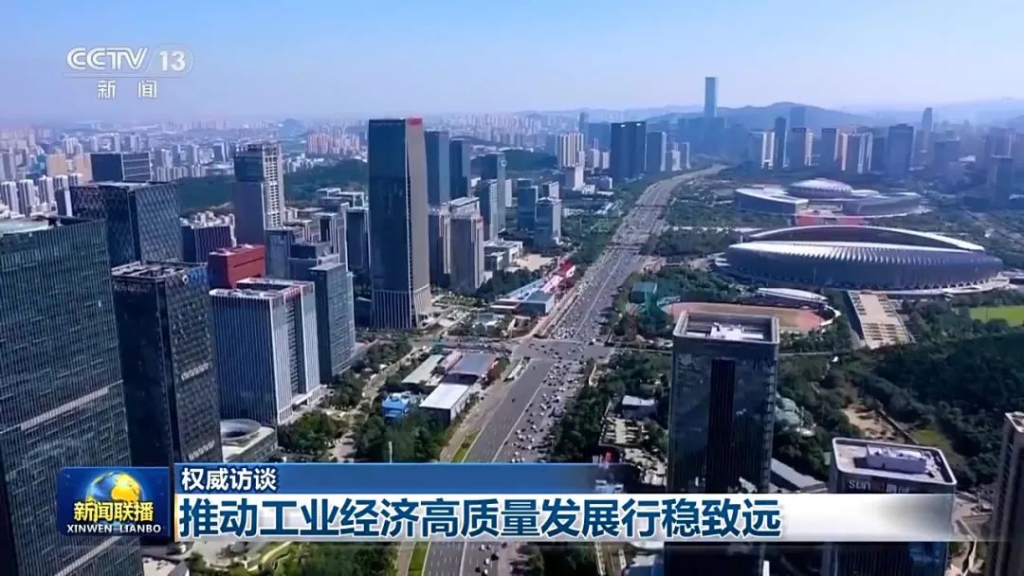
从量来看,我国工业体系齐全、品种多、规模大,产业韧性强,升级发展潜力巨大。2022年全部工业增加值突破40万亿元大关,在500种主要工业产品中,四成以上产品产量位居全球第一,制造业规模连续13年位居世界首位。拥有4亿多中等收入群体,具有超大规模的市场优势。新能源汽车、锂电池、光伏产品等实现高速增长,造船业三大指标持续全球领跑。截至目前,规模以上工业企业数量达47.8万家,比2022年底增加2.6万家。前三季度,规模以上工业增加值同比增长4%,9月同比增长4.5%,工业生产稳定增长。
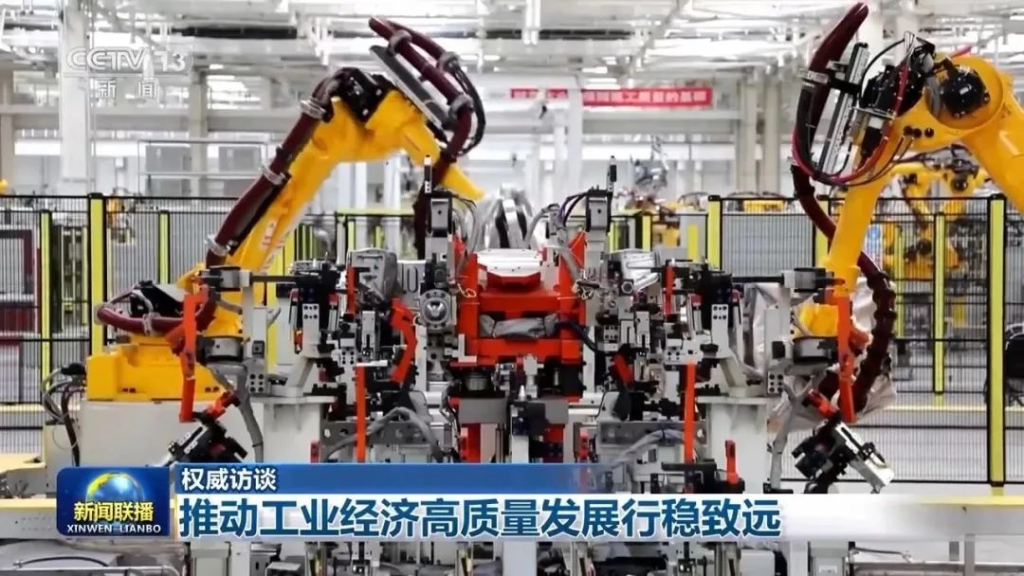
从质来看,我国产业结构持续优化。金壮龙表示:“今年以来,我们突出抓了钢铁、有色、石化、化工、建材、机械、汽车、电力装备、轻工业、电子信息制造业等10个重点行业稳增长工作。这十个行业,占GDP比重均在1%以上,合计增加值占规模以上工业的七成左右,可以说,产值规模大、产业链带动性强,稳住这些行业对稳住工业经济大盘十分关键。”
据记者了解,前三季度,我国高技术制造业占规模以上工业增加值比重达到15.3%、装备制造业占比达到32.9%。特别值得注意的是,我们一直引以为傲的C919大型客机已经实现了商业运营并进入产业化发展阶段。金壮龙曾参与C919从立项到首飞的全过程,并担任过项目总指挥,背后的辛勤付出,终于开花结果。此外,首艘国产大型邮轮完成研制正式交付,可见,“中国制造”的标签正在无数科研工作者夜以继日的“锤炼”中,变得熠熠生辉。
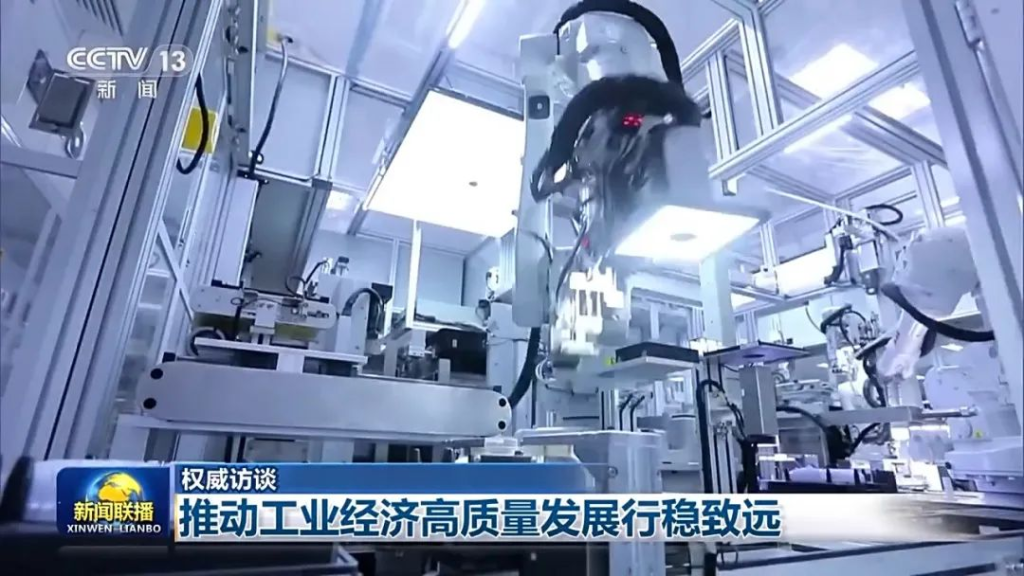
从势来看,积极因素不断累积。目前工业经济主要指标呈现向好态势,9月份,六成以上工业行业保持增长,高技术制造业投资连续保持两位数增长;十个工业大省规模以上工业增加值增速均超全国平均水平。这些数据都在说明,制造业企业的信心和预期都在逐步增强。
在回答过程中,金壮龙连说了三个“不容易”,语气从感慨到坚定,看着数据表:“我国工业经济仍处于恢复增长和转型升级的关键期,机遇和挑战并存,只要我们坚定信心、精准施策、沉着应对,我们有条件、有能力实现全年目标任务。”
二、制造业转型升级成效显著,信息通信业不断做优做强
今年以来,习近平总书记就发展制造业做出了一系列重要指示,强调制造业必须筑牢,加快构建以先进制造业为骨干的现代化产业体系,把建设制造强国同发展数字经济、产业信息化等有机结合。金壮龙表示:“我们将牢牢把握推进新型工业化这一关键任务,锚定制造强国建设目标,着力补齐短板、拉长长板、锻造新板,提高先进制造业水平,为建设现代化产业体系提供坚实支撑。”
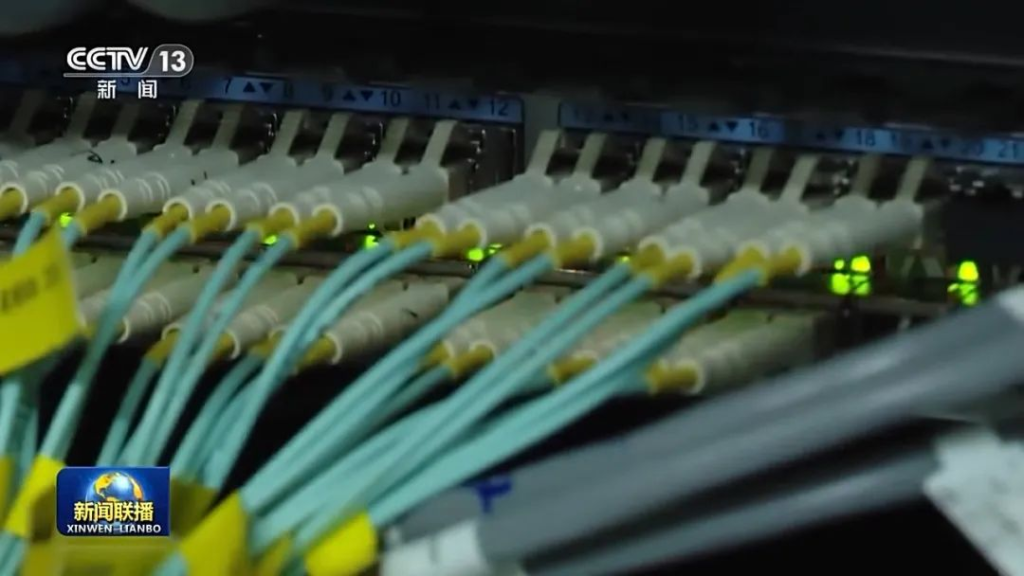
数字化、智能化、绿色化是新型工业化的鲜明时代特征,也是制造业转型升级的重要方向,蕴含着巨大有效投资需求。
“我国已经建成全球规模最大、技术领先的信息通信网络,5G基站达到318.9万个,占全球60%以上,实现了‘市市通千兆’‘县县通5G’‘村村通宽带’。算力总规模全球排名第二,工业机器人、工业软件广泛普及,工业互联网应用覆盖85%以上工业大类,较大型工业互联网平台超过270家。全国已建设近万家数字化车间和智能工厂,具有世界先进水平的智能制造示范工厂达到209家。绿色化方面,累计建设国家级绿色工厂3616家、绿色工业园区267家、绿色供应链管理企业403家,绿色工业园区平均固废处置利用率超过95%。培育196家绿色数据中心,5G基站的单站址能耗比商用初期降低20%以上。”金壮龙如数家珍般介绍着这些数据。
对于下一步如何加快推进制造业数字化智能化,金壮龙认为,要着重抓好以下四个方面的工作:
一是夯实数字底座。继续适度超前建设5G、千兆光网、算力、移动物联网、工业互联网等新型信息基础设施,扩大工业感知网络覆盖,打造海量物联接入能力。聚焦芯片、高端服务器、智能传感器、通用人工智能、工业控制系统等重点环节,增强源头技术供给。
二是强化应用牵引。实施智能制造工程,支持探索智能应用场景,推进人工智能全方位、深层次赋能新型工业化。开展数字化车间、智能工厂、智慧供应链和园区试点示范,加快“5G+工业互联网”创新发展,打造一批5G工厂和数字化转型企业标杆。
三是健全服务体系。通过揭榜挂帅等方式,推动装备、软件、网络等成组连线创新突破,培育一批优质系统解决方案提供商。开展智能制造专家行、工业互联网一体化进园区活动,促进工业园区和先进制造业集群数字化应用。
四是营造良好生态。加快关键标准研制推广,建设数字化转型开源生态。推动工业大数据分类分级开发利用,支持重点行业建设大数据应用创新中心。深化工业互联网安全管理,发展壮大网络和数据安全产业。
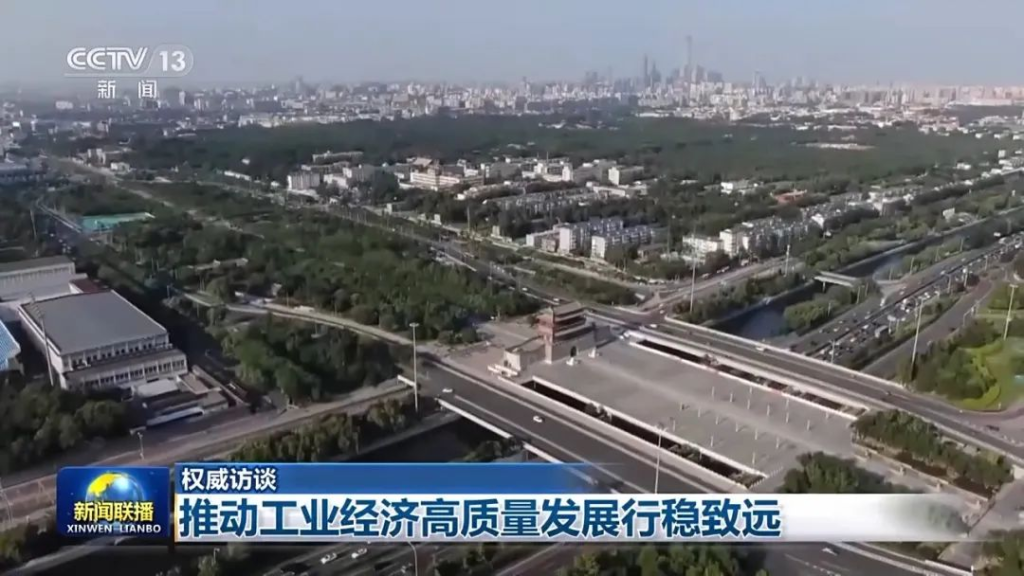
“绿色低碳是新型工业化的生态底色。”金壮龙表示,“要加快传统产业绿色化改造,实现绿色低碳发展,落实碳达峰碳中和目标任务,深入实施绿色制造工程,打造绿色工厂、绿色园区和绿色供应链,完善绿色制造和服务体系。”
记者了解到,工业和信息化部将制定出台加快制造业绿色化发展的政策措施,促进数字化和绿色化、现代服务业和绿色制造、绿色消费需求和绿色产品供给等深度融合,支持新材料、新能源汽车、绿色智能船舶、绿色航空制造、节能环保等产业发展壮大,努力在推动绿色低碳转型的过程中锻造新的产业竞争优势。
三、紧抓固本兴新,抢占未来产业发展先机
近年来,科技创新成了世界各国产业竞争的关键。近日,习近平总书记提出要“固本兴新”,加快传统产业改造升级,加速推进战略性新兴产业发展,提前部署未来产业。

对于如何才能将固本兴新政策落到实处,金壮龙认为,只有加快推进新型工业化,实现高水平科技自立自强,提升产业链供应链韧性和安全水平,才能构筑我国的竞争优势,因此,下一步将重点抓好以下五个方面的工作:
一是改造升级传统产业。金壮龙强调:“传统产业是现代化产业体系的基底,不能当成‘低端产业’简单退出。要瞄准高端、智能、绿色等方向,实施制造业技术改造工程,落实税收优惠和专项再贷款政策,支持企业设备更新、工艺升级、数字赋能、管理创新,让传统产业‘老树发新芽’”。
二是巩固提升优势产业。我国轨道交通装备、船舶与海洋工程装备、电力装备、新能源汽车、太阳能光伏、通信设备、锂电池等领域已形成规模和技术优势,要继续推进强链延链补链,提升全产业链竞争优势。深入实施产业基础再造工程和重大技术装备攻关工程,提高产业链供应链韧性和安全水平。高水平建设国家制造业创新中心,打造一批中试和应用验证平台,加速科技成果工程化和产业化。大力实施标准提档升级,树立中国制造“优质高端”形象。
三是培育壮大新兴产业。聚焦5G、先进计算、智能网联汽车、新能源、新材料、消费电子、生物医药、高端医疗装备等领域,系统推进技术创新、规模化发展和产业生态建设,激发涌现更多技术含量高、品牌影响大、国际竞争力强的“中国制造”名片。
四是前瞻布局未来产业。制定实施未来产业发展行动计划等政策文件,瞄准人工智能、人形机器人、元宇宙、6G、量子信息、生物制造等领域,加快技术、材料研发应用,统筹推进标准研制,促进形成新质生产力。支持地方立足各自优势,在应用场景构建、人才引育、产融合作等方面积极探索,培育一批未来产业高地。
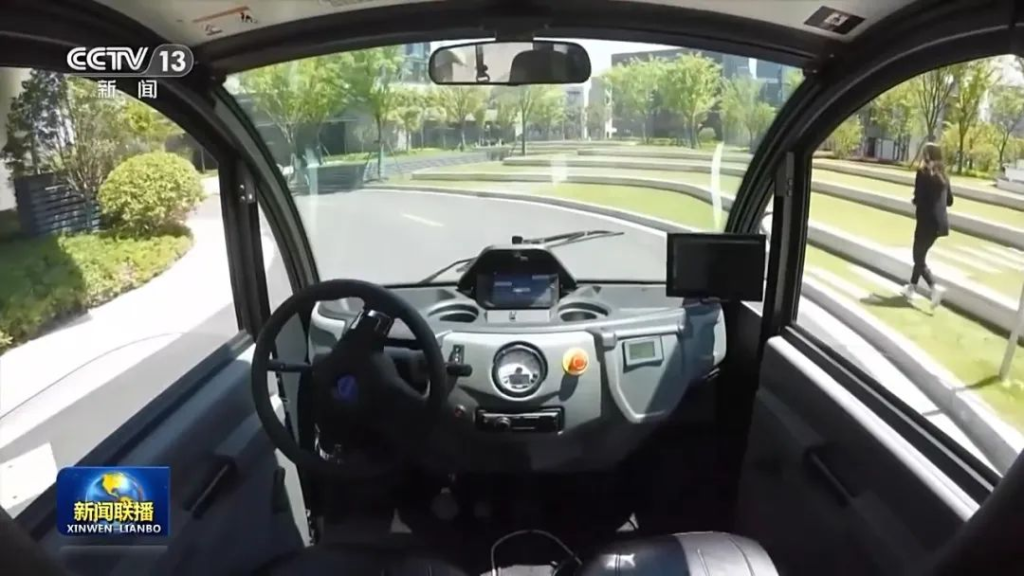
“数字化浪潮是一种变革性力量。”金壮龙向记者表示,“我们将针对重点行业、重点领域制定数字化转型行动方案,突出人工智能这个关键变量,以智能制造为主攻方向,以数字基础设施为关键底座,以‘智改数转’为重要抓手,加快制造业质量变革、效率变革、动力变革。”
五是推进产业集群化发展。围绕国家区域重大战略和重点产业链创新发展,优化国家高新区布局,加强管理服务,打造开放创新的世界一流高科技产业园区。实施先进制造业集群发展专项行动,引导各地发挥比较优势,形成更多专业化、差异化、特色化产业集群。支持国家先进制造业集群强化协同创新,提升先进制造能力,壮大优质企业群体,加快向世界级水平提升。
此外,为建设现代化产业体系,金壮龙还提出:“我们将坚持开放发展理念,支持更多优势企业‘走出去’,更大力度引导外资投向先进制造业和高新技术产业,持续做好项目服务保障,支持外资企业在华设立研发中心,在新型工业化进程中收获更多发展成果。”
四、激发中小企业发展潜能,释放活力
在专访的最后,金壮龙特别向记者指出:“中小企业联系千家万户,是推动创新、促进就业、改善民生的重要力量,我们深入贯彻落实习近平总书记关于支持中小企业发展的重要指示精神,坚持‘两个毫不动摇’,坚持管理和服务并重,坚持帮扶和发展并举,如同我年初所说的,要激发和‘释放’中小企业活力,推动企业加快复苏,实现平稳健康发展。”
工业和信息化部数据显示,截至2022年底,全国中小企业数量达5200万户,规模以上工业中小企业经营收入超过80万亿元。专精特新发展方面,累计培育专精特新中小企业10.3万家、“小巨人”企业1.2万家,形成200个中小企业特色产业集群。截至9月底,A股上市的专精特新中小企业总数达到1700多家,前三季度新上市企业中专精特新中小企业占比超七成,成效显著。
总体来看,前三季度,中小企业经济运行多项关键指标回升向好。规模以上工业中小企业营业收入、利润总额均实现由降转增。9月,小微企业用电量同比增长9.4%,环比上升11.5个百分点;中小企业采购指数为50.6%,连续2个月回升,企业预期持续改善。
金壮龙表示,工业和信息化部将认真落实党中央、国务院决策部署,会同有关部门、地方加大工作力度,重点抓好以下四个方面的工作:
一是营造公平竞争环境。深入贯彻《中共中央国务院关于促进民营经济发展壮大的意见》,全面落实《中小企业促进法》。严格执行《保障中小企业款项支付条例》,集中化解一批拖欠企业账款。开展促进中小企业发展工作综合督查和中小企业发展环境第三方评估,推动各类惠企政策落地生效。
二是支持专精特新发展。研究出台促进专精特新中小企业高质量发展的若干措施。开展促进大中小企业融通创新携手行动和中央企业产业链融通发展共链行动,带动专精特新企业参与国家重大工程项目。支持一批专精特新中小企业成长为独角兽企业。抓实首批30个中小企业数字化转型城市试点,打造一批制造业中小企业转型样板。
三是强化精准高效服务。出台健全中小企业公共服务体系的指导意见,深入开展“一起益企”行动,搭建全国中小企业服务“一张网”,帮助企业找订单、降成本、育人才、解难题。实施专精特新中小企业上市培育工程,发挥国家中小企业发展基金引导作用,不断提高中小企业融资覆盖面、可得性。继续实施“科技成果赋智”“质量标准品牌赋值”“数字化赋能”中小企业专项行动,促进中小企业向价值链中高端迈进。
四是加强国际交流合作。加大中小企业“走出去”“引进来”工作力度,发挥双多边中小企业合作机制作用,共建“一带一路”合作服务平台,办好中国国际中小企业博览会和APEC中小企业技展会,支持中小企业用好两个市场、两种资源,实现高质量发展。
对于2023年的最后一个季度,金壮龙向记者表示:“困难依旧存在,任重而道远。我国有产业体系、市场规模、体制机制等方面的显著优势,第四季度,我们有信心促进工业经济进一步回升向好,推动工业经济在高质量发展轨道上行稳致远。”
翻译:
Minister of Industry and Information Technology Jin Zhuanglong: How to develop new industrialization?
In the new era and on a new journey, it is a key task to comprehensively advance the building of a strong country and the great cause of national rejuvenation with Chinese-style modernization and realize a new type of industrialization. What is China’s path to a new type of industrialization? Manufacturing power, network power, digital China strategy, how to promote this year? Recently, CCTV reporter interviewed the Minister of Industry and Information Technology Jin Zhuanglong.
First, the overall positive performance of the industrial economy has not come easily
Industry is the embodiment of a country’s comprehensive national strength, the main body and growth engine of the national economy, and has played a key role in “ballast stone” and “stabilizer”. Jin Zhuanglong first introduced the current development of China’s industry from the three dimensions of “quantity”, “quality” and “potential”.
From the volume point of view, China’s industrial system is complete, many varieties, large scale, strong industrial resilience, and huge potential for upgrading and development. In 2022, the total industrial added value exceeded 40 trillion yuan, the output of more than 40% of the 500 major industrial products ranked first in the world, and the scale of the manufacturing industry ranked first in the world for 13 consecutive years. With more than 400 million middle-income groups, it has a large scale market advantage.
New energy vehicles, lithium batteries, photovoltaic products, etc. have achieved rapid growth, and the three major indicators of the shipbuilding industry continue to lead the world. Up to now, the number of industrial enterprises above designated size has reached 478,000, an increase of 26,000 over the end of 2022. In the first three quarters of this year, the added value of industrial enterprises above designated size increased by 4% year-on-year, and in September it increased by 4.5% year-on-year, and industrial production grew steadily.
From a qualitative point of view, China’s industrial structure continues to optimize.
Jin Zhuanglong said: “Since the beginning of this year, we have highlighted the steady growth of 10 key industries such as steel, nonferrous metals, petrochemicals, chemicals, building materials, machinery, automobiles, electric power equipment, light industry and electronic information manufacturing. These ten industries account for more than 1% of GDP. And the total added value accounts for about 70% of the industries above designated size. It can be said that the output value is large and the industrial chain is strongly driven. And stabilizing these industries is very key to stabilizing the industrial economy.”
According to the reporter, in the first three quarters, China’s high-tech manufacturing industry accounted for 15.3% of the industrial added value above designated size, and the equipment manufacturing industry accounted for 32.9%. It is particularly noteworthy that the C919 large passenger aircraft that we have been proud of has achieved commercial operation and entered the stage of industrial development. Jin Zhuanglong has participated in the whole process of C919 from the establishment of the project to the first flight, and served as the project commander, and the hard work behind it has finally come to fruition. In addition, the first domestic large cruise ship completed the development and official delivery, it can be seen that the label of “made in China” is being “tempered” by countless scientific research workers day and night, becoming shining.
From a potential perspective, the positives are piling up.
At present, the main indicators of the industrial economy are showing a good trend. In September, more than 60% of industrial sectors maintained growth, and investment in high-tech manufacturing continued to maintain double-digit growth. The growth rate of industrial added value above designated size in ten large industrial provinces exceeded the national average. These data show that the confidence and expectations of manufacturing companies are gradually increasing.
In the process of answering, Jin Zhuanglong even said three “not easy”, the tone from emotion to firm, looking at the data table: “China’s industrial economy is still in the critical period of restoring growth and transformation and upgrading, opportunities and challenges coexist. As long as we are firm confidence, accurate policy, calm response. We have the conditions and ability to achieve the annual target task.”
Second, the transformation and upgrading of the manufacturing industry has achieved remarkable results, and the information and communication industry has continued to become better and stronger
“We will firmly grasp the key task of promoting a new type of industrialization, anchor the goal of building a strong manufacturing country, focus on shoring up the weak board, elongating the long board, forging a new board, raising the level of advanced manufacturing. And providing solid support for building a modern industrial system,” Jin said.
Digital, intelligent, green is the distinctive characteristics of the new industrialization. But also an important direction of the transformation and upgrading of the manufacturing industry, contains a huge effective investment demand.
“China has built the world’s largest and leading technology information and communication network. 5G base stations reached 3.189 million, accounting for more than 60% of the world. And achieved ‘gigabit’, ‘5G’ and ‘broadband’ in cities and villages.” The total scale of computing power ranks second in the world, industrial robots and industrial software are widely used, industrial Internet applications cover more than 85% of industrial categories, and more than 270 large-scale industrial Internet platforms. Nearly 10,000 digital workshops and smart factories have been built across the country. And 209 smart manufacturing demonstration factories have reached the world’s advanced level.
In terms of greening, a total of 3,616 state-level green factories, 267 green industrial parks. And 403 green supply chain management enterprises have been built. And the average utilization rate of solid waste disposal in green industrial parks has exceeded 95%. Cultivate 196 green data centers, and reduce the energy consumption of a single 5G base station by more than 20% compared with the initial commercial phase.” Jin Zhuanglong described the data like a treasure.
For the next step on how to accelerate the promotion of digital intelligence in the manufacturing industry, Jin Zhuanglong believes that we should focus on the following four aspects of work:
One is to tamp the digital base.
We will continue to appropriately advance the construction of new information infrastructure such as 5G, gigabit optical networks, computing power, the mobile Internet of Things. And the industrial Internet, expand the coverage of industrial perception networks, and create massive iot connectivity capabilities. Focus on key links such as chips, high-end servers, smart sensors, general artificial intelligence. And industrial control systems to enhance the supply of source technology.
The second is to strengthen application traction.
Implement intelligent manufacturing projects, support the exploration of intelligent application scenarios, and promote all-round and deep-level AI empowering new industrialization. We will carry out pilot demonstrations of digital workshops, smart factories. Smart supply chains and parks, accelerate the innovative development of “5G+ Industrial Internet”. And create a number of 5G factories and benchmarks for digital transformation enterprises.
Third, improve the service system.
Through the unveiling of the list, we will promote the innovation and breakthrough of equipment, software, network, etc. And cultivate a number of high-quality system solution providers. Carry out the activities of integrating intelligent manufacturing experts and industrial Internet into the park. And promote the digital application of industrial parks and advanced manufacturing clusters.
Fourth, we will foster a sound ecological environment.
We will accelerate the development and promotion of key standards and build an open source ecosystem for digital transformation. We will promote the classified and tiered development and utilization of industrial big data. And support key industries in building big data application innovation centers. We will deepen the management of industrial Internet security, and develop and strengthen the network and data security industries.
“Green and low-carbon is the ecological background of new industrialization.” “We should speed up the green transformation of traditional industries, achieve green and low-carbon development, implement the goal of reaching the peak of carbon neutrality, carry out green manufacturing projects, build green factories, green parks and green supply chains, and improve green manufacturing and service systems,” Jin said.
The reporter learned that the Ministry of Industry and Information Technology will formulate and introduce policies and measures to accelerate the green development of the manufacturing industry, promote the deep integration of digitalization and green development, modern service industry and green manufacturing, green consumer demand and green product supply, and support the development and growth of new materials, new energy vehicles, green intelligent ships, green aviation manufacturing, energy conservation and environmental protection industries. Strive to forge new industrial competitive advantages in the process of promoting green and low-carbon transformation.
Third, firmly grasp the Gubenxing new, seize the future industrial development opportunities
In recent years, scientific and technological innovation has become the key to industrial competition in the world.
For how to implement the new policy of Gubenxing, Jin Zhuanglong believes that only by accelerating the promotion of new industrialization, achieving high-level scientific and technological self-reliance, and improving the resilience and safety level of industrial chain and supply chain, can we build our competitive advantage. Therefore, the next step will focus on the following five aspects of work:
First, we will transform and upgrade traditional industries.
Jin Zhuanglong stressed: “The traditional industry is the basis of the modern industrial system, can not be regarded as a ‘low-end industry’ simple exit.” It is necessary to aim at high-end, intelligent, green and other directions, implement manufacturing technology transformation projects, implement tax incentives and special re-loan policies, support enterprise equipment updating, process upgrading, digital empowerment, management innovation, and let traditional industries’ old trees grow new buds’.”
Second, we will consolidate and upgrade industries with competitive advantages.
China’s rail transit equipment, Marine and Marine engineering equipment, electric power equipment, new energy vehicles, solar photovoltaic, communications equipment, lithium batteries and other fields have formed scale and technological advantages, we should continue to promote strong chain extension chain reinforcement chain, enhance the competitive advantage of the whole industrial chain. We will carry out projects to rebuild the industrial base and tackle major technological and equipment problems. And improve the resilience and safety of industrial and supply chains. We will build a national manufacturing innovation center at a high level, build a number of pilot and application verification platforms. And accelerate the engineering and industrialization of scientific and technological achievements. Vigorously implement the upgrading of standards and establish a “high-quality and high-end” image of Chinese manufacturing.
Third, we will foster and strengthen emerging industries.
Focusing on 5G, advanced computing, intelligent connected vehicles, new energy, new materials, consumer electronics, biomedicine, high-end medical equipment and other fields. We will systematically promote technological innovation, large-scale development. And industrial ecological construction, and stimulate the emergence of more “Made in China” business cards with high technology content, great brand influence, and strong international competitiveness.
Fourth, forward-looking layout of future industries.
We will formulate and implement policy documents such as the Action Plan for future industrial development, target artificial intelligence, humanoid robots, meta-universe, 6G, quantum information, and biofuturing, accelerate the research and development and application of technologies and materials, coordinate the development of standards. And promote the formation of new quality productivity. We will support local governments to build on their respective advantages. Actively explore application scenarios, talent introduction and education. And industry-finance cooperation, and cultivate a number of future industrial highlands.
“The digital wave is a transformative force.” Jin Zhuanglong told reporters, “We will formulate digital transformation action plans for key industries and key areas, highlight the key variable of artificial intelligence, take intelligent manufacturing as the main direction, take digital infrastructure as the key base, take ‘smart change number turn’ as an important starting point, and accelerate the quality change, efficiency change and power change of the manufacturing industry.”
Fifth, promote the development of industrial clusters.
Focusing on the innovation and development of major national regional strategies and key industrial chains. We will optimize the layout of national high-tech zones, strengthen management services. And build world-class high-tech industrial parks that are open and innovative. We will implement a special action to develop advanced manufacturing clusters, guide local governments to give full play to their comparative advantages, and form more specialized, differentiated, and distinctive industrial clusters. We will support national advanced manufacturing clusters in strengthening collaborative innovation, upgrading advanced manufacturing capabilities, expanding quality enterprises, and accelerating their progress to world-class level.
In addition, in order to build a modern industrial system, Jin Zhuanglong also put forward:. “We will adhere to the concept of open development, support more advantageous enterprises to ‘go global’, make greater efforts to guide foreign investment in advanced manufacturing and high-tech industries, continue to do a good job in project service guarantee, support foreign enterprises to set up research and development centers in China, and reap more development achievements in the process of new industrialization.”
Fifth, unleash the development potential and vitality of smes
At the end of the interview, Jin Zhuanglong specifically pointed out to reporters:. We will accelerate the recovery of enterprises and achieve steady and healthy development.”
Data from the Ministry of Industry and Information Technology show that by the end of 2022. The number of small and medium-sized enterprises in China reached 52 million. And the operating income of industrial small and medium-sized enterprises above designated size exceeded 80 trillion yuan. In terms of specialized and special new development. A total of 103,000 specialized and special new small and medium-sized enterprises and 12,000 “small giant” enterprises have been cultivated, forming 200 characteristic industrial clusters of smes. As of the end of September, the total number of specialized and special new small and medium-sized enterprises listed on the A-share market reached more than 1,700, and the proportion of specialized and special new small and medium-sized enterprises in the first three quarters of the newly listed enterprises accounted for more than 70%, and the results were remarkable.
Overall, in the first three quarters, a number of key indicators of the economic operation of small and medium-sized enterprises have rebounded. The total operating income and profits of small and medium-sized industrial enterprises above designated size increased from a decline. In September, the electricity consumption of small and micro enterprises increased by 9.4% year-on-year, up 11.5 percentage points from the previous month. The purchasing index of small and medium-sized enterprises was 50.6%, rising for two consecutive months, and business expectations continued to improve.
Jin Zhuanglong said that the Ministry of Industry and Information Technology will earnestly implement the decision-making and deployment of the Party Central Committee and The State Council. And increase work together with relevant departments and localities, focusing on the following four aspects of work:
First, we need to create a level playing field.
We will thoroughly implement the Opinions of the CPC Central Committee and The State Council on Promoting the Development and Growth of the Private Economy. And fully implement the Law on the Promotion of Small and Medium-sized Enterprises. Strictly implement the Regulations on the Protection of Payment for Small and Medium-sized Enterprises. And focus on resolving a number of overdue enterprise accounts. We will carry out comprehensive supervision of the work to promote the development of small and medium-sized enterprises and third-party assessment of the development environment of small and medium-sized enterprises. And promote the implementation and effectiveness of various preferential policies for enterprises.
Second, we will support specialized and innovative development.
We will study and introduce measures to promote the high-quality development of specialized and new small and medium-sized enterprises. We will carry out joint actions to promote the integration and innovation of large. Small and medium-sized enterprises and the joint chain action to integrate and develop the industrial chain of central enterprises. And encourage specialized and special new enterprises to participate in major national projects. Support a group of specialized and new small and medium-sized enterprises to grow into unicorn enterprises. We will implement the first batch of 30 pilot cities for the digital transformation of smes. And create a number of models for the transformation of smes in manufacturing.
Third, we will strengthen precise and efficient services.
We issued guidelines on improving the public service system for small and medium-sized enterprises, carried out in-depth actions to “benefit enterprises together”, and built a “network” of services for small and medium-sized enterprises across the country to help enterprises find orders, reduce costs, educate talents, and solve problems. We will implement specialized and innovative SME listing training projects, give full play to the guiding role of the national SME Development Fund. And continuously improve the coverage and availability of financing for smes. Continue to implement the “scientific and technological achievements intelligent”, “quality standards brand value”, “digital empowerment” of small and medium-sized enterprises special actions, to promote small and medium-sized enterprises to move up the value chain.
Fourth, strengthen international exchanges and cooperation.
We will intensify efforts to “go global” and “bring in” small and medium-sized enterprises, give full play to the role of bilateral and multilateral cooperation mechanisms for small and medium-sized enterprises, jointly build a service platform for cooperation under the Belt and Road Initiative, successfully host the China International Small and Medium-sized Enterprises Expo and the APEC Small and Medium-sized Enterprises Technology Exhibition, and support small and medium-sized enterprises in making good use of both markets and resources to achieve high-quality development.
For the last quarter of 2023, Jin Zhuanglong told reporters: “Difficulties still exist, there is a long way to go.” China has significant advantages in the industrial system, market size, institutional mechanisms and so on. In the fourth quarter, we are confident to promote further recovery of the industrial economy and promote the industrial economy on the track of high-quality development.”
本文由CXO UNION-CXO联盟(cxounion.cn)转载而成,来源于工业互联网世界;编辑/翻译:CXO UNIONCXO联盟小U。
如需加入CXO UNION(CXO联盟)高管社群,请联系社群小伙伴哦~

免责声明: 本网站(http://www.cxounion.cn/)内容主要来自原创、合作媒体供稿和第三方投稿,凡在本网站出现的信息,均仅供参考。本网站将尽力确保所提供信息的准确性及可靠性,但不保证有关资料的准确性及可靠性,读者在使用前请进一步核实,并对任何自主决定的行为负责。本网站对有关资料所引致的错误、不确或遗漏,概不负任何法律责任。
本网站刊载的所有内容(包括但不仅限文字、图片、LOGO、音频、视频、软件、程序等) 版权归原作者所有。任何单位或个人认为本网站中的内容可能涉嫌侵犯其知识产权或存在不实内容时,请及时通知本站,予以删除。
如需加入CXO UNION(CXO联盟)高管社群,请联系社群小伙伴哦~

免责声明: 本网站(http://www.cxounion.cn/)内容主要来自原创、合作媒体供稿和第三方投稿,凡在本网站出现的信息,均仅供参考。本网站将尽力确保所提供信息的准确性及可靠性,但不保证有关资料的准确性及可靠性,读者在使用前请进一步核实,并对任何自主决定的行为负责。本网站对有关资料所引致的错误、不确或遗漏,概不负任何法律责任。
本网站刊载的所有内容(包括但不仅限文字、图片、LOGO、音频、视频、软件、程序等) 版权归原作者所有。任何单位或个人认为本网站中的内容可能涉嫌侵犯其知识产权或存在不实内容时,请及时通知本站,予以删除。
Search
Popular Posts
-

2024数字化灯塔案例评选申报开启!
“2024数字化灯塔案例评选”于3月正式启动,诚挚欢迎业界同仁自荐和推荐,一起推动产业数字化进程,助力赋能企业…
-

2024 X-Award星盘奖申报通道已开启!
X-Award星盘奖是数字化转型服务、IT服务行业重要的商业奖项,旨在表彰行业里提供杰出数字化转型服务与IT服…
-

2024 N-Award星云奖申报通道已开启!
N-Award是数字化转型领域重要的商业奖项,旨在表彰那些以非凡的远见、超群的领导才能和卓越的成就来激励他人的…