

随着数字技术的飞速发展与广泛应用,数字经济与实体经济的深度融合步入快车道,数字化转型浪潮进一步扩展到国内的中小企业。转型中的国内企业最关注哪些细分领域?人工智能席卷千行百业是否会影响企业数字化转型的抉择?近日,在2024亚布力中国企业家论坛期间,德勤中国管理咨询首席执行官戴耀华接受了《每日经济新闻》记者(以下简称“NBD”)的独家专访。
戴耀华介绍,疫情前,中国企业已逐渐迎来数字化转型热潮,如今这一趋势已成为企业普遍接受的发展方向。其中,大型制造业及与消费者相关度更高的行业如消费品、零售、保险等,被视为国内数字化转型的先行者。国内企业进行数字化转型时,最关注的话题是人工智能(AI)和云计算。同时,数据资产、ESG等话题的讨论度也相对较高。
更为重要的是,去年以来,人工智能快速发展迭代,在戴耀华看来,无论是大模型还是Sora的诞生,都会给正在考虑数字化转型的企业带来更多思考,为企业数字化转型提供了巨大的机遇。未来,AI对企业运营管理和商业模式的改变,或不亚于彼时互联网刚刚兴起时掀起的“革命”。在此过程中,企业是否具备运用AI的能力也成为一个重要问题。 CXO UNION-CXO联盟(cxounion.cn)
一、人工智能、数据资产、ESG是企业数字化转型时的关注重点
Q:近年来,中国企业数字化转型需求增长情况如何?是否有相对清晰的时间节点?哪些领域的企业需求会更多一些?
戴耀华:其实,在疫情之前,中国企业实际上已经迎来了数字化转型的热潮,如今这一趋势更是成为企业普遍接受的发展方向。从德勤中国接到的企业咨询需求来看,大概60%以上都是数字化转型的相关业务。
从不同领域来看,大型制造业及与消费者相关度更高的行业,如消费品、零售、保险等领域的公司是目前国内数字化转型的“先行者”,对数字化转型的需求最为迫切。但传统领域如能源等,其实也有转型需要,例如在开采或炼油等生产环节接入智能化技术。
Q:国内大多数企业在数字化转型中愿意投入多大规模的预算?在数字化转型过程中,企业会重点关注哪些细分技术或项目?
戴耀华:从目前情况来看,相对于发达国家,大部分国内企业在信息化和数字化方面的投入在整个营收中的占比并不高,通常在1%到3%之间。很多数字化转型并不只是运用一项技术,而是整体商业模式的重塑。从实现路径来看,有企业选择重新建立一个数字化部门,实现端到端地再造,还有一些会更细一点,将某一业务拿出来做信息化和数字化,最终还是要看企业希望通过数字化实现什么样的目的。 CXO UNION-CXO联盟(cxounion.cn)
很多大型企业做数字化转型其实并不简单,要从信息技术、流程、管理模式、人员技能等各个角度去做转变。更重要的是,这些调整不见得立刻就能给企业带来很大的利益,需要时间、资源的长期投入。
至于关注重点,在进行数字化转型的过程中,国内企业的关注焦点与其自身的信息化水平密切相关。如果没有完备的信息化基础设施,数字技术与生产经营的融合就无从谈起。不过,细分领域的倾向性还是存在,以数字技术为例,最受关注的是人工智能(AI)和云计算。同时,数据资产、ESG等话题的讨论度也相对较高。
Q:你刚刚提到,在数字化转型的过程中,数据资产也被关注,请问随着数据交易体量的增长,以及相关政策的完善,是否会增强企业的数字化转型倾向?
戴耀华:近期企业对数据资产入表、数据交易的讨论确实不少,但想要完全发挥数据资产的价值,还是有比较长的路要走。以数据确权为例,值得商榷的点还有很多,如数据交易之后的持有权、数据再加工之后的使用权等,都需要进一步研究,希望会有更多的相关政策来进行指引。如果数据资产未来能够在整个行业甚至世界范围内进行流通和交易的话,对全行业的信息化发展将会起到很大的促进作用。
随着数实融合的广度和深度持续拓展,数据资产成为数实融合的关键。未来企业要用好数据,肯定不能简单粗暴地进行原始数据的买卖,而是要以“数据”为核心,对商业模式进行全新设计:充分挖掘数据的应用场景,挖掘数据可利用的价值,探索实现这些价值的创新途径,并持续拓展和推广商业模式;或者通过这些价值模式的创新,优化甚至颠覆企业原有的、产生这些数据的业务模式。而企业为了实现这些模式,首先需要夯实数据规范、数据采集、数据清洗、数据集成等维度的基础工作,从而大幅有效地提升数据资产的质量,这对于数字经济的发展、人工智能能力的打造,也是有力的保障和支持。 CXO UNION-CXO联盟(cxounion.cn)
二、AI对企业运营管理和商业模式的改变,或不亚于互联网推出时引发的革命
Q:当下的AI热潮是否能成为企业数字化转型的下一个风口?Sora推出之后,正在考虑转型的企业是否会拥有更多的选择方向?
戴耀华:人工智能浪潮会不会成为企业数字化转型的风口,我认为这是必然的。但企业是否具备运用AI的能力也是一个重要的问题。在引入AI之前,企业必须在技术、管理、应用等多个层面做好与AI适配的准备。确实,现在大家讲得最多的就是AI,此前是上云,但要注意,还有很多企业本身的信息化水平并不高,如果都把它(人工智能)当成一个统一的数字化转型目标来完成,只能是套概念。
很显然,AI时代已经来临,如果没有一个很好的信息化和数字化基础,在市场上的竞争力会被慢慢削弱,这是必然现实。但对于还在初级阶段的企业,还是要把本身的基础设施以及内部系统先搭建起来,才有可能形成完整数据链,基于这些数据去做决策指导和分析,然后才有可能去做AI相关的运用。
Sora的诞生再次向我们证明了AI的强大,它具备了AI认知世界的初始能力,未来的发展一定能够创造全新的世界,这是一件非常振奋人心的事情。我相信,它一定会给正在考虑数字化转型的企业带来更多思考。在未来,AI对企业运营管理和商业模式的改变,很可能不亚于互联网刚推出时所带来的革命。企业应认真思考如何适应这一前所未有的技术趋势,创造出更加适应时代发展的商业模式。
Q:近年来,国内企业在实现数字化转型过程中,对“双碳”、节能减排的诉求有明显提升吗?通常企业会针对这一目标实施哪些举措?
戴耀华:关注是有明显提升的,我们的很多客户已经在考虑ESG的应用和未来了。在数字化转型过程中,每一个企业都应该努力达到“双碳”目标,从而实现可持续发展。目前,很多国内企业在数字化转型过程中都会设置对应的战略部门,进行“双碳”引领,或者对产业线做出一定调整。 CXO UNION-CXO联盟(cxounion.cn)
尤其是像一些煤矿、钢铁企业,它们可能也没有制定出很好的转型思路。对它们来说,目前的任务是先在生产过程中降碳,但降碳实际上也需要数字化转型。比如智能矿山,现在煤矿企业会在矿下设置传感器,监控部门、生产中心可随时监测矿井情况,根据湿度、温度等做出安全性判断,以及生产调度。这些传统行业在ESG上能操作的空间还是很大的。
Q:随着算力、数据、超级芯片成为新的生产工具,未来数字经济领域是否会出现垄断现象?中小企业该如何应对这种情况?对国内企业而言,数字化转型还需要打通哪些关键节点?
戴耀华:在这个行业里,创新是最为关键的能力。只要中小企业能够持续创新,就可以保持强大的竞争力,不一定会落后于大公司。在AI时代,每一家企业、每一个行业都有实现弯道超车的可能。
至于转型还需打通的阻碍,我认为,目前国内企业数字化转型正面临着两个关键节点。一个是新技术的应用,如前面提到的人工智能等;另一个是思维的转型。现在很多企业还是把数字化转型当成一个简单的工具,这其实是一种非常落后的思维,应该将数字化转型看作企业整体水平的提升,包括商业模式、运营模式、管理模式等多个方面。
我们判断,未来数字化转型还将是全社会长期致力的方向。目前来看,国内大部分企业还处于数字化转型的初始阶段。随着技术的不断发展以及AI的不断更新迭代,我国企业数字化转型将大有可为。

翻译:
Dai Yaohua, CEO of Deloitte China Management Consulting: AI is the next outlet of the digital transformation of Chinese enterprises no less influential than the emergence of the Internet
With the rapid development and wide application of digital technology, the deep integration of digital economy and real economy has entered the fast lane, and the wave of digital transformation has further extended to domestic small and medium-sized enterprises. What segments are domestic enterprises in transition most concerned about? Will the sweeping of artificial intelligence affect the choice of digital transformation of enterprises? Recently, during the 2024 Yabuli China Entrepreneur Forum, Dai Yaohua, CEO of Deloitte China Management Consulting, accepted an exclusive interview with a reporter from the National Business News (hereinafter referred to as “NBD”).
Dai Yaohua introduced that before the epidemic, Chinese enterprises have gradually ushered in a boom in digital transformation, and now this trend has become a generally accepted development direction for enterprises. Among them, large-scale manufacturing and industries with higher relevance to consumers, such as consumer goods, retail, and insurance, are regarded as the pioneers of domestic digital transformation. When domestic enterprises undertake digital transformation, the most concerned topics are artificial intelligence (AI) and cloud computing. At the same time, data assets, ESG and other topics are also relatively high. CXO UNION-CXO联盟(cxounion.cn)
More importantly, since last year, the rapid development of artificial intelligence iteration, in Dai Yaohua’s view, whether it is the birth of a large model or Sora, will bring more thinking to enterprises that are considering digital transformation, providing huge opportunities for enterprise digital transformation. In the future, AI will change the operation management and business model of enterprises, or no less than the “revolution” set off when the Internet just rose. In this process, whether enterprises have the ability to use AI has also become an important issue.
Artificial intelligence, data assets, ESG is the focus of enterprise digital transformation
Q: How has the demand for digital transformation grown in China in recent years? Is there a relatively clear time node? In which areas will there be more business demand?
Dai Yaohua: In fact, before the epidemic, Chinese enterprises have actually ushered in a boom of digital transformation, and now this trend has become a generally accepted development direction for enterprises. From the perspective of the consulting demand received by Deloitte China, about 60% are related to digital transformation. CXO UNION-CXO联盟(cxounion.cn)
From the perspective of different fields, large manufacturing industries and industries with higher relevance to consumers, such as consumer goods, retail, insurance and other fields are currently the “pioneers” of domestic digital transformation, and the demand for digital transformation is the most urgent. However, in traditional fields such as energy, there is also a need for transformation, such as access to intelligent technology in production links such as mining or oil refining.
Q: How much budget are most domestic enterprises willing to invest in digital transformation? What niche technologies or projects will companies focus on in their digital transformation process?
Dai Yaohua: From the current situation, compared with developed countries, the proportion of investment in informatization and digitalization in the total revenue of most domestic enterprises is not high, usually between 1% and 3%. Many digital transformations are not just the application of a technology, but the reinvention of an entire business model. From the perspective of the realization path, some enterprises choose to re-establish a digital department to achieve end-to-end reconstruction, and some will be more detailed, and take a certain business out to do information and digitalization, and ultimately it depends on what purpose the enterprise hopes to achieve through digitalization.
Many large enterprises to do digital transformation is not simple, from the information technology, process, management mode, personnel skills and other perspectives to do the transformation. More importantly, these adjustments may not bring great benefits to the enterprise immediately, and require long-term investment of time and resources.
As for the focus of attention, in the process of digital transformation, the focus of domestic enterprises is closely related to their own informatization level. If there is no complete information infrastructure, the integration of digital technology and production and management is impossible to talk about. However, there is a tendency to segment the field, taking digital technology as an example, the most attention is artificial intelligence (AI) and cloud computing. At the same time, data assets, ESG and other topics are also relatively high. CXO UNION-CXO联盟(cxounion.cn)
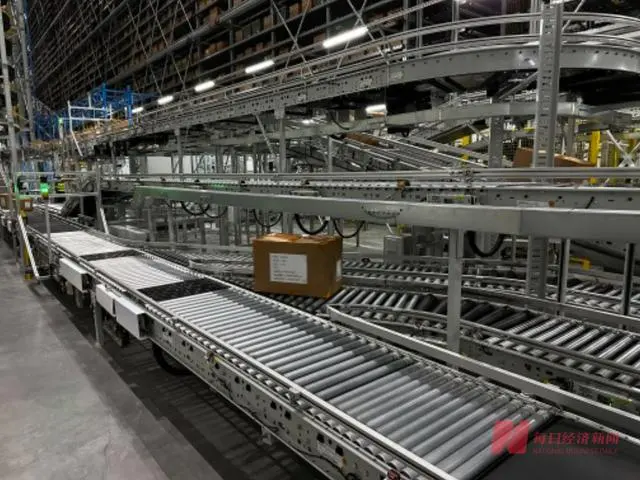
Smart factory
Q: You just mentioned that in the process of digital transformation, data assets are also paid attention to. Will the increase in the volume of data transactions and the improvement of relevant policies enhance the tendency of enterprises to digital transformation?
Dai Yaohua: Recently, there has been a lot of discussion about data assets entering the table and data transactions, but there is still a long way to go before the value of data assets can be fully utilized. Taking data confirmation rights as an example, there are still many points worth discussing, such as the right to hold data after data transaction, the right to use data after data reprocessing, etc., which need further research, hoping that there will be more relevant policies to guide. If data assets can be circulated and traded in the entire industry or even worldwide in the future, it will play a great role in promoting the development of informatization in the whole industry.
As the breadth and depth of digital real fusion continue to expand, data assets become the key to digital real fusion. In order to make good use of data in the future, enterprises must not simply and roughly buy and sell original data, but to take “data” as the core, and carry out a new design of business models: fully tap the application scenarios of data, tap the value available to data, explore innovative ways to realize these values, and continue to expand and promote business models; Or through the innovation of these value models, optimize or even subvert the original business model of the enterprise that generates these data. In order to realize these models, enterprises first need to consolidate the basic work of data specification, data collection, data cleaning, data integration and other dimensions, so as to significantly and effectively improve the quality of data assets, which is also a strong guarantee and support for the development of the digital economy and the creation of artificial intelligence capabilities.
The change of AI to enterprise operation management and business model is no less than the revolution caused by the launch of the Internet
Q: Can the current AI craze become the next frontier in the digital transformation of enterprises? With Sora’s launch, will companies considering transformation have more options?
Dai Yaohua: Will the wave of artificial intelligence become the wind of digital transformation of enterprises? I think it is inevitable. But whether companies have the ability to use AI is also an important question. Before the introduction of AI, enterprises must be prepared to adapt to AI at multiple levels such as technology, management, and application. Indeed, now we talk about the most is AI, previously on the cloud, but it should be noted that there are many enterprises themselves, the level of information is not high, if it (artificial intelligence) as a unified digital transformation goal to complete, can only be a set of concepts. CXO UNION-CXO联盟(cxounion.cn)
Obviously, the AI era has come, if there is not a good information and digital foundation, the competitiveness in the market will be slowly weakened, which is an inevitable reality. However, for enterprises that are still in the initial stage, it is still necessary to build their own infrastructure and internal systems first, so that it is possible to form a complete data chain, based on these data to make decision guidance and analysis, and then it is possible to do AI-related applications.
The birth of Sora once again proves to us the power of AI, it has the initial ability of AI to recognize the world, and the future development will certainly create a new world, which is a very exciting thing. I believe it will definitely bring more thinking to businesses that are considering digital transformation. In the future, AI is likely to change the operation management and business model of enterprises as much as the revolution brought by the Internet when it was just launched. Enterprises should seriously think about how to adapt to this unprecedented technology trend and create a business model that is more adaptable to the development of The Times.
Q: In recent years, in the process of realizing digital transformation, domestic enterprises have significantly increased their demands for “dual carbon”, energy conservation and emission reduction? What do companies usually do to achieve this goal?
Dai Yaohua: There is a significant increase in attention, and many of our customers are already thinking about the application and future of ESG. In the process of digital transformation, every company should strive to achieve the goal of “dual carbon”, so as to achieve sustainable development. At present, many domestic enterprises will set up corresponding strategic departments in the process of digital transformation, carry out “dual carbon” leadership, or make certain adjustments to the industrial line.
Especially like some coal mines, steel companies, they may not have developed a good transformation idea. For them, the current task is to decarbonize the production process first, but decarbonization actually requires digital transformation. For example, smart mines, now coal mining enterprises will set up sensors under the mine, monitoring departments, production centers can monitor the mine situation at any time, according to humidity, temperature, etc., to make safety judgments, as well as production scheduling. There is still a lot of room for these traditional industries to operate on ESG.
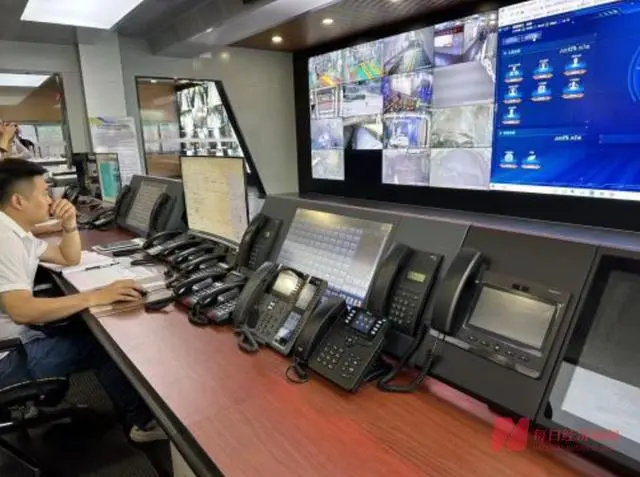
Smart mine
Q: As computing power, data, and superchips become new production tools, will there be monopolies in the digital economy in the future? How can smes deal with this situation? For domestic enterprises, what key nodes do digital transformation still need to open up?
Dai Yaohua: In this industry, innovation is the most critical ability. As long as smes can continue to innovate, they can maintain strong competitiveness and will not necessarily lag behind large companies. In the era of AI, every enterprise and every industry has the possibility of achieving corner overtaking.
As for the obstacles that need to be overcome in the transformation, I believe that the digital transformation of domestic enterprises is facing two key nodes. One is the application of new technologies, such as artificial intelligence mentioned earlier; The other is a shift in thinking. At present, many enterprises still regard digital transformation as a simple tool, which is actually a very backward thinking, and digital transformation should be regarded as the improvement of the overall level of enterprises, including business model, operation model, management model and many other aspects.
We judge that in the future, digital transformation will also be the direction of long-term commitment of the whole society. At present, most domestic enterprises are still in the initial stage of digital transformation. With the continuous development of technology and the continuous update and iteration of AI, the digital transformation of Chinese enterprises will be promising.
由CXO UNION-CXO联盟(cxounion.cn)转载而成,来源于每日经济新闻;编辑/翻译:CXO UNIONCXO联盟小U。
如需加入CXO UNION(CXO联盟)高管社群,请联系社群小伙伴哦~
免责声明: 本网站(http://www.cxounion.cn/)内容主要来自原创、合作媒体供稿和第三方投稿,凡在本网站出现的信息,均仅供参考。本网站将尽力确保所提供信息的准确性及可靠性,但不保证有关资料的准确性及可靠性,读者在使用前请进一步核实,并对任何自主决定的行为负责。本网站对有关资料所引致的错误、不确或遗漏,概不负任何法律责任。
本网站刊载的所有内容(包括但不仅限文字、图片、LOGO、音频、视频、软件、程序等) 版权归原作者所有。任何单位或个人认为本网站中的内容可能涉嫌侵犯其知识产权或存在不实内容时,请及时通知本站,予以删除。
如需加入CXO UNION(CXO联盟)高管社群,请联系社群小伙伴哦~

免责声明: 本网站(http://www.cxounion.cn/)内容主要来自原创、合作媒体供稿和第三方投稿,凡在本网站出现的信息,均仅供参考。本网站将尽力确保所提供信息的准确性及可靠性,但不保证有关资料的准确性及可靠性,读者在使用前请进一步核实,并对任何自主决定的行为负责。本网站对有关资料所引致的错误、不确或遗漏,概不负任何法律责任。
本网站刊载的所有内容(包括但不仅限文字、图片、LOGO、音频、视频、软件、程序等) 版权归原作者所有。任何单位或个人认为本网站中的内容可能涉嫌侵犯其知识产权或存在不实内容时,请及时通知本站,予以删除。
Search
Popular Posts
-

2024数字化灯塔案例评选申报开启!
“2024数字化灯塔案例评选”于3月正式启动,诚挚欢迎业界同仁自荐和推荐,一起推动产业数字化进程,助力赋能企业…
-

2024 X-Award星盘奖申报通道已开启!
X-Award星盘奖是数字化转型服务、IT服务行业重要的商业奖项,旨在表彰行业里提供杰出数字化转型服务与IT服…
-

2024 N-Award星云奖申报通道已开启!
N-Award是数字化转型领域重要的商业奖项,旨在表彰那些以非凡的远见、超群的领导才能和卓越的成就来激励他人的…