作为咨询顾问工作的一部分,我们有幸与许多前沿创新者交心畅谈。尽管商界通常把目光放在公司、营销和估值上——而非创新者本身——但我们认为,多了解一些医疗创新背后的灵魂人物将是一件有意义的事。本文我们以六问六答的形式与您分享一位创新者的成长经历和他的所思所想。
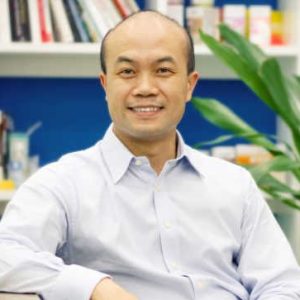
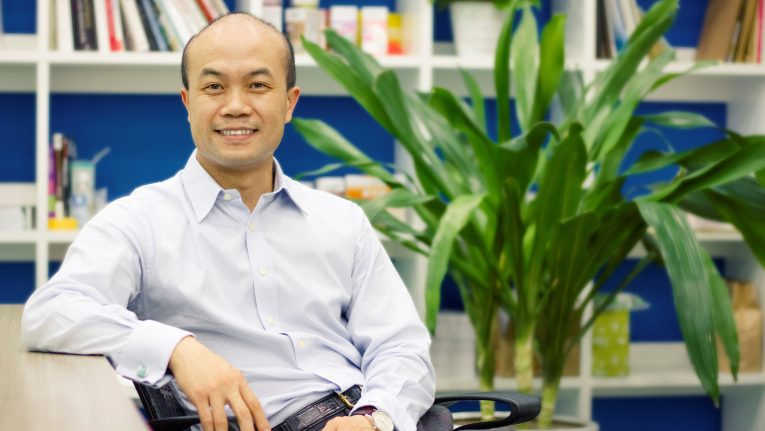
本次访谈中,麦肯锡全球副董事合伙人田运莹对话尚医科技(术康app是尚医的产品)创始人兼CEO雷震。尚医致力于研发数字疗法产品,旨在帮助患者治疗冠心病、心衰、高血压、糖尿病、肥胖、慢阻肺等慢性病,提高患者的日常生活能力,让他们享受更美好的生活。2020年11月,该公司自主研发的术康app获得国家药品监督管理局(NMPA)认证,成为中国首个数字疗法产品之一。
田运莹: 说说您的故事吧,您是如何走上医疗创新之路的?
雷震:我们的核心团队成员来自不同国家,是共同的愿景把我和负责术康美国业务的Tim Bilbrey和Peter Niemi凝聚在一起。我们共同致力于为最需要的人提供高效、可负担、个性化的生活方式来干预医疗,无论人们身处何地,无论他们的背景或经济状况如何。
我在缺医少药的偏远乡村长大。当我成为肝脏外科医生以后,才逐渐认识到发病率更高、影响更多人的其实是各种慢性病。我领导博慧斯生物历时七年开发了A1cEZ,当时(注:2014年)是全球唯一可以在室温下储存的糖化血红蛋白即时检测仪,成本不到上一代产品的5%,产品一经推出就迅速打入全球市场。
2014年,我的家人因为慢性病并发症反复入院治疗。上世纪90年代医学院教科书上就明确指出,慢性病主要采用生活方式干预(如恰当的运动、做好营养管理等),但这种治疗需要医护人员1对1指导,每周三次,通常持续12周,费用十分昂贵,在中国几乎无人开展,相关的专业人才也几近于无。美国有超过10万家康复中心提供这种服务,但仍然受困于执行成本,完成标准疗程的心衰患者不超过15%,再入院率和医疗支出居高不下。
这段经历促使我创立了尚医科技,当时国内还没有相关法规,数字疗法这个概念在欧美也还不成熟。所幸遇到了不少有类似经历的伙伴,我们怀着对这项事业的坚定信念,开发了术康app,在中美医疗界很多大咖的帮助下,经过十几项临床研究不断验证和改进,最终术康app获得了NMPA的认证及美国权威医生的认可。
Tim Bilbrey在美国德克萨斯州的农村长大。少年时代他常常陪着爷爷去接受运动治疗(心肺康复)。他看到心肺康复给家人带来的益处,于是立志利用这一疗法帮助更多的人。过去15年里,他帮助很多患者从心脏疾病和外科手术的损伤中得以康复,提高了他们的生活质量。2019年他从著名的Baylor医学中心辞去心康中心主任一职,创办NextGen RPM,为患者提供远程心肺康复指导。2021年,NextGen RPM与术康美国公司合并,Tim出任术康美国首席医疗官。
Peter Niemi是术康美国公司CEO。在纽约市长大,毕业于哥伦比亚大学,从事医疗行业30余年。相比为富人提供健康服务,他更希望把真正有价值的医疗服务带给最需要的人。2006年,我们在哥伦比亚大学相识。共同的愿景促使我们携起手来推动术康的发展。随着术康app 2020年开始进军美国市场,Peter成为术康美国最理想的领导人。
田运莹: 您认为数字医疗在未来十年将走向何方?
雷震:新冠疫情爆发以来,安全地提供医疗服务成为迫切需求,数字医疗技术的应用进一步提速,并且得以在全球范围内有序推进。对于承担新冠肺炎患者治疗和康复重任的一线医护人员,如何保障他们的安全,成为全球医疗系统的重中之重。
为应对这一危机,监管迅速出台支持远程医疗发展的政策。如今,随着这类服务的价值获得明确认可,数字医疗正从边缘走向主流。随着资本的不断涌入,相关技术也在迅速发展。政府正大力支持数字医疗的发展,医疗机构有望在实践中接受并采用数字疗法,患者将获得更高效的医疗服务,最终塑造我们每个人的日常健康旅程。
未来10年,我们将看到数字医疗通过提升医疗保健、疾病预防、护理协调、健康管理,同时降低患者、国家医保和保险公司的支出,促进国家医疗保健水平的提高。数字医疗产品可以大幅减轻医疗人员的工作量,提高医疗效率,降低入院率、再入院率和减少不必要的急诊就诊。数字医疗可以让我们在提高医疗质量、扩大覆盖范围的同时控制、降低医疗支出,这一点对于中国及其他医疗资源相对匮乏的发展中国家尤其重要。
田运莹:您认为医疗环境创新的最大机遇和障碍是什么?
雷震:创新的最大障碍也是最大的机遇。医疗行业传统上比较保守。新冠疫情点燃了数字医疗的模式转变,医疗机构、保险公司、医护人员和普通大众对数字医疗的接受度都在逐渐提高。数字医疗现在被视为医疗实践的延伸,它很好地补上了传统医疗的短板,而不是传统医疗的竞争对手。
田运莹:当您将整个医疗卫生系统(医疗服务提供方、支付方、医生、患者)视为一个整体时,您认为谁是创新的最大推动者?
雷震:卫生系统的每一方都是医疗服务演变的关键参与者,都有自己的立场和动机。支付方、提供方和患者都是医疗卫生系统的积极参与者,也是推广并采用新技术的必要条件。然而,根据我们的经验,一线医护人员是产生变革最关键的催化剂。他们见证了普及数字医疗的必要性。临床上,时有患者由于经济、地理和医疗资源缺乏等因素拖延了治疗和康复,最终导致健康状况恶化。有爱心、有远见的医疗专家一直在倡导和推动医疗机构、保险机构、患者接受和支持创新。
田运莹: 在您看来,能够更好地推动卫生系统数字化转型最关键的变化是什么?
雷震:在早期阶段,各国监管支持力度不够是远程医疗发展的主要障碍,如今政府的支持迅速成为最大的助推因素。2020年,改革监管审批和报销模式的需求开始显现,全球各地政府均紧锣密鼓地进行了相应的筹措安排。
随着报销模式的持续发展,医疗系统应用数字医疗的动力更大,而不必担心可能对其核心业务产生负面影响。特别是在美国,政府和商业保险的迅速发展涵盖了更多的数字医疗服务。对于存在“社会化医疗”的欧洲国家,监管提出了“全或无”原则,其中政府对数字医疗的支持是数字医疗项目存在的必要条件。患者和医疗服务提供方很清楚;有了政府的支持,支付方系统将能够更好地支持这些需求。
田运莹: 有哪些是您刚开始踏上创新、创业之路时应该想到,却没有想到的?
雷震:一场席卷全球的新冠肺炎疫情,在人们最需要医疗服务的时候,大多数医疗系统不得不暂停服务,我们付出了巨大代价来真正直面现实,来真正对数字医疗进行充分思考。
麦肯锡公司版权所有©2021年。未经许可,不得做任何形式的转载和出版。
翻译:
As part of our work as consultants, we have had the privilege of talking to many leading edge innovators. While the business world often focuses on companies, marketing and valuations – rather than the innovators themselves – we thought it would be useful to learn more about the people behind healthcare innovation. In this article, we share with you six questions and answers about the growth of an innovator and what he thinks.
In this interview, Tian Yunying, associate managing partner of McKinsey Global, talks with Lei Zhen, founder and CEO of Shang Medical Technology (Shukang app is a product of Shang Medical). Shang Medical is committed to developing digital therapy products, aiming to help patients treat coronary heart disease, heart failure, hypertension, diabetes, obesity, COPD and other chronic diseases, improve patients’ daily life ability, so that they can enjoy a better life. In November 2020, the company’s self-developed Zhukang app was certified by the National Medical Products Administration (NMPA), becoming one of the first digital therapy products in China.
Tian Yunying: Tell me your story, how did you get started on the road of medical innovation?
Lei Zhen: Our core team members come from different countries, and it is a common vision that unites me with Tim Bilbrey and Peter Niemi, who are in charge of the US business. Together, we are committed to delivering efficient, affordable, personalized lifestyle interventions to those who need them most, wherever people live, regardless of their background or financial status.
I grew up in a remote village with no medical care. When I became a liver surgeon, I gradually realized that it was a variety of chronic diseases that had a higher incidence and affected more people. I led the development of A1cEZ for seven years, which at that time (note: 2014) was the world’s only real-time HBA1C detector that could be stored at room temperature, cost less than 5% of the previous generation of products, and quickly hit the global market once the product was launched.
In 2014, my family was hospitalized repeatedly due to chronic complications. In the 1990s, medical school textbooks clearly pointed out that chronic diseases mainly use lifestyle interventions (such as proper exercise, good nutrition management, etc.), but this treatment requires one-to-one guidance from medical staff, three times a week, usually lasting 12 weeks, the cost is very expensive, almost no one in China, and the relevant professional talent is almost no. More than 100,000 rehabilitation centers in the United States offer such services, but they remain Mired in implementation costs, with no more than 15 percent of heart failure patients completing the standard course of treatment, and high readmission rates and medical expenditures.
This experience led me to start Shangmedical Technology at a time when there were no regulations in China and the concept of digital therapy was still immature in Europe and the United States.
Fortunately, we met many partners with similar experiences. With firm faith in this cause, we developed the app. With the help of many big names in the Chinese and American medical circles, we have continuously verified and improved the app through more than ten clinical studies, and finally obtained the certification of NMPA and the recognition of authoritative doctors in the United States.
Tim Bilbrey grew up in rural Texas. As a teenager, he often accompanied his grandfather to exercise therapy (cardiopulmonary rehabilitation). He saw the benefits of cardiopulmonary rehabilitation for his family and decided to use it to help more people. Over the past 15 years, he has helped many patients recover from heart disease and surgical injuries and improve their quality of life. In 2019, he left his position as director of the Wellness Center at the prestigious Baylor Medical Center to start NextGen RPM, which provides remote cardiopulmonary rehabilitation instruction to patients. In 2021, NextGen RPM merged with Techno USA, and Tim became the Chief Medical Officer of Techno USA.
Peter Niemi is CEO of Techno USA. He grew up in New York City, graduated from Columbia University. And has been in the medical industry for more than 30 years. Rather than providing health services to the rich. He wants to bring truly valuable health services to those who need them most. We met at Columbia University in 2006. Our shared vision motivates us to join hands to promote the development of Techno Health. With the launch of the US market in 2020, Peter is the ideal leader for the US.
Tian Yunying: Where do you think digital health will go in the next decade?
Lei Zhen: Since the outbreak of the novel coronavirus. The safe provision of medical services has become an urgent need. And the application of digital medical technology has further accelerated and been promoted in an orderly manner on a global scale. How to ensure the safety of front-line medical workers who are responsible for the treatment and recovery of COVID-19 patients has become a top priority for the global medical system.
In response to this crisis, the regulator quickly introduced policies to support the development of telemedicine. Now, with the value of such services clearly recognized, digital health is moving from the margins to the mainstream. With the continuous influx of capital, the relevant technology is also rapidly developing. The government is strongly supporting the development of digital health. Healthcare institutions are expected to accept and adopt digital therapies in practice. Patients will receive more efficient care, and ultimately shape the daily health journey of each of us.
Over the next 10 years, we will see digital health drive improvements in national health care by improving health care, disease prevention, care coordination, and health management while reducing costs to patients, national Medicare, and insurance companies. Digital health products can significantly reduce the workload of medical personnel, improve medical efficiency, reduce hospital admission and readmission rates, and reduce unnecessary emergency room visits. Digital health will allow us to improve the quality of health care and expand coverage while controlling and reducing health care costs, which is especially important for China and other developing countries with relatively poor health care resources.
Tian Yunying: What do you think are the biggest opportunities and obstacles for innovation in the healthcare environment?
Lei Zhen: The biggest obstacle to innovation is also the biggest opportunity. The medical industry is traditionally conservative. The COVID-19 pandemic has ignited a paradigm shift in digital healthcare. With increasing acceptance among healthcare institutions, insurance companies, healthcare professionals and the general public. Digital health is now seen as an extension of medical practice. A good complement to traditional medicine, rather than a competitor to it.
Tian Yunying: When you look at the entire healthcare system (providers, payers, doctors, patients) as a whole, who do you think is the biggest driver of innovation?
Lei Zhen: Each side of the health system is a key player in the evolution of healthcare delivery. With its own positions and motivations. Payers, providers, and patients are all active participants in the healthcare system and are necessary for the rollout and adoption of new technologies. However, in our experience, frontline healthcare workers are the most critical catalysts for change. They have witnessed the need for universal digital health. Clinically, some patients delay treatment and rehabilitation due to factors. Such as economy, geography and lack of medical resources, and eventually lead to deterioration of health status. Caring, visionary healthcare professionals have been advocating and pushing healthcare organizations, insurers, and patients to embrace and support innovation.
Tian Yunying: In your opinion, what are the most critical changes that can better drive the digital transformation of health systems?
Lei Zhen: In the early stage, insufficient regulatory support in various countries was a major obstacle to the development of telemedicine. And now government support has quickly become the biggest boost factor. In 2020, the need to reform the regulatory approval and reimbursement model began to emerge. And governments around the world have made corresponding financing arrangements.
As reimbursement models continue to evolve. There is more incentive for healthcare systems to apply digital health without fear of possible negative impacts on their core business. In the United States in particular, the rapid development of government and commercial insurance covers more digital health services. For European countries where “socialized medicine” exists. The regulation proposes an “all or nothing” principle. In which government support for digital health is a necessary condition for the existence of digital health projects. Patients and providers know it; With government support, the payer system will be better able to support these needs.
Tian Yunying: What should you have thought of when you first embarked on the road of innovation and entrepreneurship, but did not think of?
Lei Zhen: With the COVID-19 epidemic sweeping the world. Most medical systems have to suspend services at a time when people most need medical services. And we have paid a huge price to truly face the reality and fully think about digital health care.
Copyright ©2021, McKinsey & Company. Without permission, shall not do any form of reproduction and publication.
如需加入CXO UNION(CXO联盟)高管社群,请联系社群小伙伴哦~
本文由CXO UNION-CXO联盟(cxounion.cn)转载而成,来源于McKinsey Greater China;编辑/翻译:CXO UNIONCXO联盟小O。

免责声明: 本网站(http://www.cxounion.cn/)内容主要来自原创、合作媒体供稿和第三方投稿,凡在本网站出现的信息,均仅供参考。本网站将尽力确保所提供信息的准确性及可靠性,但不保证有关资料的准确性及可靠性,读者在使用前请进一步核实,并对任何自主决定的行为负责。本网站对有关资料所引致的错误、不确或遗漏,概不负任何法律责任。
本网站刊载的所有内容(包括但不仅限文字、图片、LOGO、音频、视频、软件、程序等) 版权归原作者所有。任何单位或个人认为本网站中的内容可能涉嫌侵犯其知识产权或存在不实内容时,请及时通知本站,予以删除。
如需加入CXO UNION(CXO联盟)高管社群,请联系社群小伙伴哦~

免责声明: 本网站(http://www.cxounion.cn/)内容主要来自原创、合作媒体供稿和第三方投稿,凡在本网站出现的信息,均仅供参考。本网站将尽力确保所提供信息的准确性及可靠性,但不保证有关资料的准确性及可靠性,读者在使用前请进一步核实,并对任何自主决定的行为负责。本网站对有关资料所引致的错误、不确或遗漏,概不负任何法律责任。
本网站刊载的所有内容(包括但不仅限文字、图片、LOGO、音频、视频、软件、程序等) 版权归原作者所有。任何单位或个人认为本网站中的内容可能涉嫌侵犯其知识产权或存在不实内容时,请及时通知本站,予以删除。
Search
Popular Posts
-

2024数字化灯塔案例评选申报开启!
“2024数字化灯塔案例评选”于3月正式启动,诚挚欢迎业界同仁自荐和推荐,一起推动产业数字化进程,助力赋能企业…
-

2024 X-Award星盘奖申报通道已开启!
X-Award星盘奖是数字化转型服务、IT服务行业重要的商业奖项,旨在表彰行业里提供杰出数字化转型服务与IT服…
-

2024 N-Award星云奖申报通道已开启!
N-Award是数字化转型领域重要的商业奖项,旨在表彰那些以非凡的远见、超群的领导才能和卓越的成就来激励他人的…
