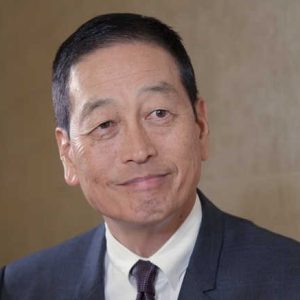
2014年,鱼谷雅彦临危受命,出任资生堂首席执行官。在该公司近150年的历史中,他是第一位外部空降的首席执行官。上任后,鱼谷雅彦很快就表态,承诺会让资生堂在未来10年保持自身的国际领先地位。
年轻人购买护肤品和化妆品的方式日新月异,资生堂显得有些力不从心。身负活化这家传统企业的重任,鱼谷雅彦决定大刀阔斧进行改革,优化组织结构,以便更好地与消费者开展互动。
出任CEO第一年,他就拜访了一万多名员工,考察公司全球各地的业务,以开放心态悉心听取各方意见——其招牌式的微笑和挺直的腰板给所有人留下了深刻印象。深入评估后,他制定了一项历时6年的转型计划——愿景2020(Vision 2020)。如今计划推出四年有余,资生堂取得了令人瞩目的成就。在最近一次财报会议上,资生堂宣布,基于日本、中国市场以及免税渠道表现亮眼,2018财年前9个月营收同比增长10%,达8058亿日元,且各品类销售额皆有提升。
鱼谷雅彦在全球化营销方面经验丰富,这点在资生堂发挥得淋漓尽致。他先是在东京设立了研发中心,接着又在北京和上海做出同样举措。对技术研发的重视源于鱼谷雅彦的一个愿景:将资生堂打造成消费者眼中极具创新力的化妆品公司。CXO UNION-CXO联盟(cxounion.cn)
鱼谷雅彦
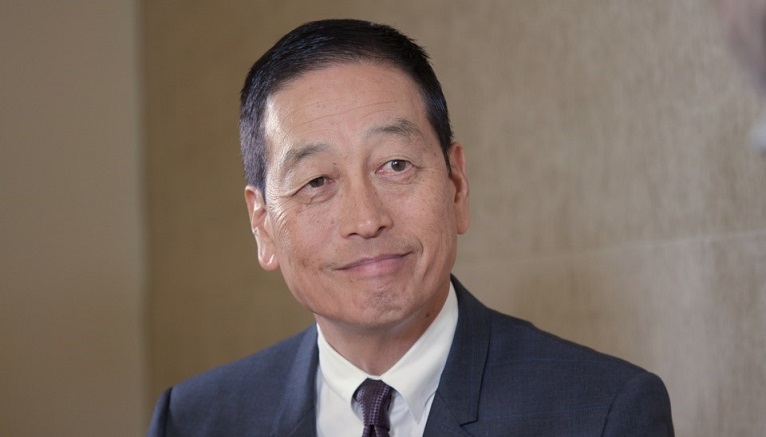
| 出生年月: 1954年6月出生于日本关西地区 家庭状况: 已婚,有两个女儿 教育经历: 哥伦比亚大学MBA,京都同志社大学英语学士学位。 职业亮点: 在卡夫日本、花旗银行和狮王担任过多个高级管理职位。 重组可口可乐(日本),并成立了新的供应链管理部门。负责推出广受欢迎的新饮料“酷儿”(Qoo)。 | 创办BrandVision,旨在帮助日本企业走向全球;帮助NTT Docomo调整营销战略。 2014年出任资生堂首席执行官,大力提升公司业绩;启动“愿景2020”,计划到 2020年让销售额突破90亿美元。领导了对Gurwitch Products的收购,进一步推动资生堂走向全球。 |
2018年11月,鱼谷雅彦与麦肯锡全球资深董事合伙人Daniel Zipser(泽沛达)进行了一场对话,他们围绕着资生堂在中国的创新探索,探讨了中国消费者在资生堂发展历程中的角色、资生堂如何以数字化营销策略加强与中国消费者的互动,以及与阿里巴巴的战略合作。以下为编辑后的访谈实录。CXO UNION-CXO联盟(cxounion.cn)
Daniel Zipser:资生堂已有147年历史。从最初的一家日本本土公司,到如今的国际化大企业,而今资生堂超过一半的业务都在日本以外地区。作为首席执行官兼总裁,您如何看待日本市场之外的业务?
鱼谷雅彦:确实,资生堂是名副其实的一家老牌日本公司。2014年我出任首席执行官后,给自己定下两个任务:一是让资生堂迈出国门,走向世界;二是让这个品牌在下一个世纪屹立不倒。
所谓走向世界,并不只是在海外市场销售产品,因为资生堂已有60%的销售额来自海外市场。要想公司真正变得国际化,其人员、组织和思维方式需要更多元化。
我们正致力于成为一家真正的国际化公司,但离目标还相距甚远。我试图在组织内改变思维和行为方式,鼓励不同思维碰撞出创新火花。我认为,多元化思维能激发创新,而创新是推动公司未来增长的引擎。我们一直在变革,但转型之路还很漫长。CXO UNION-CXO联盟(cxounion.cn)
Daniel Zipser:中国消费者在资生堂发展历程中扮演什么角色?
鱼谷雅彦:非常重要的角色。中国的业务2018年增长已经超过了30%,业务量已超过美国,成为我们的第二大市场。另外,中国消费者热衷于出国旅行。2018年,中国出境旅游人次近1.5亿,其中访日人次超过800万。他们喜欢逛街购物,尤其喜欢买化妆品。他们会在各大商场和机场免税店买很多东西。CXO UNION-CXO联盟(cxounion.cn)
过去三年,中国消费者为我们的业务贡献了60%以上的新增。中国和日本地理位置相近,同属亚洲国家,两个国家的人民也有很多相似之处。比如,皮肤状况较为接近。如果一个品牌在日本卖得不错,我们基本上可以认为中国消费者的反响也会不错。中国消费者对我们的成功至关重要。
Daniel Zipser:您刚刚提到一个很有意思的观点。一亿多中国人出国旅行,因此境外购物十分重要。那化妆品公司应该怎么做,才能在国内外吸引中国消费者呢?
鱼谷雅彦:现在人们旅行不再只是为了观光,而是追求一种体验。原先中国人来日本,大多只是去富士山这样的景点观光,或去银座购物。但是,现在很多人会去连我都没去过的偏远地区旅行。CXO UNION-CXO联盟(cxounion.cn)
中国游客热衷于参观文物和历史遗迹,体验日本茶道和插花等活动。中日两国都在不断发展,我也很开心看到两国人民在增进理解。
当中国消费者来日旅行时,我们应当为他们提供最好的体验。与此同时,保持与消费者紧密的沟通和联系,毕竟这是经商的基础。
当消费者回国后,可以持续追踪他们是否继续使用我们的产品。之前的研究结果显示,大约60%的中国消费者在日本购买我们的产品后,回国后还会继续购买使用。消费者的行为和忠诚是无界限的,这也为跨境营销带来了新商机。CXO UNION-CXO联盟(cxounion.cn)
Daniel Zipser:面对在国外第一次接触新品牌的消费者,营销方面有何挑战?这对全球的品牌定位又意味着什么?
鱼谷雅彦:当消费者第一次接触我们的产品,我们应想方设法充分展示产品的质量。我们需要赢得消费者信任,这样他们才愿意尝试。CXO UNION-CXO联盟(cxounion.cn)
中国经济正在蓬勃发展,回国后的消费者能感受到各式各样的品牌体验。资生堂若想脱颖而出,就要超越“来店试用”的老办法,将更多精力放在品牌传播上,让消费者真正意识到产品的过人之处。我们传递的信息必须深入人心,比如品牌背后有什么故事,为何选择这样的配方,以及产品效果为什么好。无论是护肤还是彩妆,我们都要致力于满足客户需求。随着品牌传播的改善,营销策略也要升级,让消费者更愿意与我们互动。我们知道中国消费者和日本消费者存在差异,因此也在不断调整营销方式,以期提升多元性,且更具针对性。
Daniel Zipser:对,我们都知道中国现已成为全世界数字化程度最高的国家了。
鱼谷雅彦:确实如此。前一次我在上海打车时,司机师傅都不愿意收现金。日本出租车司机还是更愿意收取现金的。CXO UNION-CXO联盟(cxounion.cn)
Daniel Zipser:像阿里巴巴和腾讯这样的互联网巨头,推动着中国整个互联网生态圈的发展。这对化妆品行业意味着什么?
鱼谷雅彦:很大的商机。比如发展电商平台的业务。我们正在跟阿里巴巴谈战略合作,希望可以分享阿里在美容产品、活动和内容等方面收集的消费者数据,以提升我们的业务。
消费者今天已经在这些电商平台上购买我们的产品,分享经验和感受。我们可以利用这些数据进行消费群细分,并针对他们的需求提供定制化产品。我们正在上海扩大研发业务,这样一来,就能更加有效地利用这些信息,借助消费者洞察快速开发并测试新产品,以及尝试新的促销方案。这些平台是测试新概念的绝佳地方。CXO UNION-CXO联盟(cxounion.cn)
在传统零售模式下,产品测试可能会比较复杂,并且成本很高。首先你要生产很多产品,然后摆到货架上,还要做推广和宣传,再看看消费者到店后的反应。但有了这些电商平台,我们就能不断试验新想法。好想法可以继续,无效的想法随时喊停。
这更多体现了一种协作态度,而我说的协作是指集思广益,戮力同心的态度。我记得第一次见到马云是在杭州。会议结束时他说,“我们这个合作的想法是好的,但想法要落到实处才行……”在日本,我们管这个叫“PDCA”——计划 (Plan)、执行 (Do)、评估 (Check)、行动(Action)。简而言之,就是分析数据、执行方案、获取反馈、进行评估,改良后继续部署。这就是我们跟阿里巴巴的合作方式。CXO UNION-CXO联盟(cxounion.cn)
我非常期待这个合作将带来的成果。最近,我们成立了一个20人的团队,他们将搬去杭州,专门负责这次合作。
Daniel Zipser:这是中日合作的绝佳范例,无论是对化妆品行业,还是对中国科技公司来说都是好事。
鱼谷雅彦:确实,不过这种模式不仅适用于中国,我们还会将其推广到亚洲、印度、中东和欧洲。CXO UNION-CXO联盟(cxounion.cn)
Daniel Zipser:我们来做个小小预言吧,您觉得10年后,中国和中国消费者在化妆品行业将扮演什么角色?
鱼谷雅彦:40年前,中国开始改革开放。它先是成为了“世界工厂”,随后又发展成为“世界市场”。在我看来,未来中国还会成为“世界创新之源”。
我在中国认识了很多企业家,也参观了很多创业公司,我觉得杭州这样的城市已经变得越来越像硅谷。我在上海成立了一支商业创新团队,他们直接向我汇报。我在上海也有一个办公室。这支团队的主要任务是与创业者和创业公司打交道,寻觅创新的想法。事实上,我们能从中国传统价值观上汲取很多灵感,例如中医之道对我们新产品创新就有很好的参考价值。我深信,中国在未来将帮助我们更具创新力。CXO UNION-CXO联盟(cxounion.cn)
鱼谷雅彦是资生堂首席执行官。此次采访由Daniel Zipser(泽沛达)完成,他是麦肯锡全球资深董事合伙人,常驻深圳分公司。
翻译:
In 2014, Masahiko Uotani was appointed chief executive of Shiseido. In the company’s nearly 150-year history, he is the first CEO to be parachuted in from outside. Soon after taking office, Mr Uotani pledged to keep Shiseido’s position as an international leader for the next decade.
The way young people shop for skincare and cosmetics is changing rapidly, and Shiseido is struggling to keep up. Tasked with revitalizing the traditional company, Uotani decided to make drastic changes and optimize its organizational structure to better interact with consumers.CXO UNION-CXO联盟(cxounion.cn)
In his first year as CEO, he visited more than 10,000 employees, toured the company’s operations around the world, listened to all sides with an open mind – and impressed everyone with his trademark smile and straight back. After an in-depth evaluation, he developed a six-year transformation plan, Vision 2020. Now, more than four years after its launch, Shiseido’s achievements are impressive. In the latest earnings conference, Shiseido announced that based on the outstanding performance of the Japanese and Chinese markets and duty-free channels, revenue in the first nine months of the 2018 fiscal year increased by 10% year-on-year to 805.8 billion yen, and sales in all categories increased.
Uotani has extensive experience in global marketing, which Shiseido has brought to the forefront. He first set up research and development centers in Tokyo, then did the same in Beijing and Shanghai. The emphasis on research and development stems from Mr Uotani’s vision to make Shiseido a highly innovative cosmetics company in the eyes of consumers.CXO UNION-CXO联盟(cxounion.cn)
Masahiko Uotani
Date of birth: June 1954, Kansai region, Japan
Family status: Married with two daughters
Education: MBA from Columbia University, Bachelor’s degree in English from Doshisha University, Kyoto.
Career Highlights:
He held various senior management positions at Kraft Japan, Citibank and Lion.
Reorganized Coca-Cola (Japan) and established a new supply chain management department. Responsible for the launch of the popular new drink Qoo.
BrandVision, which helps Japanese companies go global; Helped NTT Docomo adjust its marketing strategy.
In 2014, he became the chief executive Officer of Shiseido and greatly improved the company’s performance. Launched “Vision 2020,” aiming to reach $9 billion in sales by 2020. Led the acquisition of Gurwitch Products, furthering Shiseido’s global reach.CXO UNION-CXO联盟(cxounion.cn)
In November 2018, Masahiko Uotani and Daniel Zipser, McKinsey’s global Senior Managing Partner, had a conversation about Shiseido’s innovation exploration in China, the role of Chinese consumers in Shiseido’s development, and how Shiseido can enhance its interaction with Chinese consumers through digital marketing strategies. And a strategic partnership with Alibaba. The following is an edited transcript of the interview.
Daniel Zipser: Shiseido is 147 years old. From its origins as a Japanese company to its current status as an international powerhouse, Shiseido now does more than half of its business outside Japan. As CEO and President, how do you see your business outside of the Japanese market?
Mr. Uotani: Yes, Shiseido is truly an old Japanese company. When I became CEO in 2014, I set myself two tasks: First, to make Shiseido go abroad and go global; The second is to make the brand stand for the next century.
Going global is not just about selling products in overseas markets, as Shiseido already gets 60% of its sales from overseas markets. For a company to become truly international, its people, organization, and mindset need to be more diverse.
We are working towards becoming a truly international company, but we are far from that goal. I try to change the way people think and behave within the organization, and encourage the clash of ideas to spark innovation. I believe that diverse thinking stimulates innovation, and innovation is the engine that will drive the company’s future growth. We are changing all the time, but we still have a long way to go.CXO UNION-CXO联盟(cxounion.cn)
Daniel Zipser: What role have Chinese consumers played in Shiseido’s development?
Masahiko Uotani: Very important role. China’s business has grown by more than 30% in 2018, and the volume of business has surpassed the United States to become our second largest market. In addition, Chinese consumers are keen to travel abroad. In 2018, Chinese tourists made nearly 150 million outbound trips, including more than 8 million visits to Japan. They like to go shopping, especially cosmetics. They buy a lot of things in malls and duty-free shops at airports.
Over the past three years, Chinese consumers have contributed more than 60% of the growth in our business. China and Japan are geographically close, both Asian countries, and the people of the two countries have a lot in common. For example, the skin conditions are more similar. If a brand sells well in Japan, we can basically assume that Chinese consumers will respond well. The Chinese consumer is critical to our success.CXO UNION-CXO联盟(cxounion.cn)
Daniel Zipser: You just made an interesting point. More than 100 million Chinese travel abroad, so overseas shopping is very important. So what should cosmetics companies do to appeal to Chinese consumers at home and abroad?
Uotani: Now people travel not just for sightseeing, but for an experience. In the past, most Chinese came to Japan for sightseeing at places like Mount Fuji or shopping in Ginza. However, many people now travel to remote areas that even I haven’t been to.
Chinese tourists are keen to visit cultural relics and historical sites and experience activities such as Japanese tea ceremonies and flower arrangements. Both China and Japan are developing, and I am glad to see that our two peoples are increasing understanding.CXO UNION-CXO联盟(cxounion.cn)
When Chinese consumers travel to Japan, we should provide them with the best experience. At the same time, maintain close communication and contact with consumers, after all, this is the basis of doing business.
When consumers return home, we can continuously track whether they continue to use our products. Previous research has shown that about 60% of Chinese consumers who buy our products in Japan continue to buy and use them after returning home. Consumer behavior and loyalty know no boundaries, which also brings new business opportunities for cross-border marketing.
Daniel Zipser: What are the marketing challenges for consumers who are exposed to a new brand for the first time abroad? What does this mean for global brand positioning?
Masahiko Uotani: When consumers first encounter our products, we should find ways to fully demonstrate the quality of our products. We need to earn the trust of consumers so that they are willing to give it a try.CXO UNION-CXO联盟(cxounion.cn)
China’s economy is booming, and returning consumers can enjoy a wide range of brand experiences. If Shiseido wants to stand out from the crowd, it needs to go beyond the old “try in store” approach and focus more on communicating its brand so that consumers are truly aware of what makes its products exceptional. Our message has to be deeply embedded, such as the story behind the brand, why the formula was chosen, and why the product works well. Whether it is skin care or makeup, we are committed to meeting the needs of our customers. With the improvement of brand communication, marketing strategies should also be upgraded to make consumers more willing to interact with us. We know that Chinese consumers and Japanese consumers are different, so we are constantly adjusting our marketing methods to increase diversity and be more targeted.CXO UNION-CXO联盟(cxounion.cn)
Daniel Zipser: Yes, we all know that China is now the most digitized country in the world.
Masahiko Uotani: That’s true. The last time I took a taxi in Shanghai, the driver wouldn’t accept cash. Japanese taxi drivers still prefer to take cash.
Daniel Zipser: Internet giants like Alibaba and Tencent drive the entire Internet ecosystem in China. What does this mean for the cosmetics industry?
Masahiko Uotani: Big business opportunity. For example, the development of e-commerce platform business. We are in strategic discussions with Alibaba to share the consumer data that Alibaba collects on beauty products, events and content to enhance our business.CXO UNION-CXO联盟(cxounion.cn)
Consumers are already buying our products on these e-commerce platforms today, sharing their experiences and feelings. We can use this data to segment our customers and provide products tailored to their needs. We are expanding our research and development operations in Shanghai so that we can use this information more effectively to quickly develop and test new products and try out new promotions with consumer insights. These platforms are great places to test new concepts.
In the traditional retail model, product testing can be complex and costly. First of all, you have to produce a lot of products, and then put them on the shelves, but also do promotion and publicity, and then see the reaction of consumers after the store. But with these e-commerce platforms, we can constantly experiment with new ideas. Good ideas can continue, ineffective ideas at any time stop.
It’s more of a collaborative attitude, and by collaborative I mean a collective, hard working attitude. I remember the first time I met Jack Ma was in Hangzhou. At the end of the meeting, he said, “Our idea of cooperation is good, but it needs to be put into practice…” In Japan, we call this “PDCA” – Plan, Do, Check, Action. In short, analyze the data, execute the plan, get feedback, evaluate, improve and continue to deploy. That’s how we work with Alibaba.
I am very much looking forward to the results this partnership will bring. We recently formed a team of 20 people who will move to Hangzhou to work exclusively on this collaboration.CXO UNION-CXO联盟(cxounion.cn)
Daniel Zipser: It’s a great example of Sino-Japanese cooperation, both for the cosmetics industry and for Chinese tech companies.
Mr. Uotani: Yes, but this model is not only for China, we will also extend it to Asia, India, the Middle East and Europe.
Daniel Zipser: Let’s make a little prediction, what role do you think China and Chinese consumers will play in the cosmetics industry in 10 years?
Uotani Masahiko: Forty years ago, China began its reform and opening-up. It became first the “world factory” and then the “world market”. In my opinion, China will also become the “source of innovation in the world” in the future.
I’ve met a lot of entrepreneurs and visited a lot of startups in China, and I think cities like Hangzhou have become more and more like Silicon Valley. I set up a business innovation team in Shanghai that reports directly to me. I also have an office in Shanghai. The team’s main task is to work with entrepreneurs and startups to find innovative ideas. In fact, we can draw a lot of inspiration from traditional Chinese values, such as the way of traditional Chinese medicine, which is a good reference value for our new product innovation. I am convinced that China will help us be more innovative in the future.CXO UNION-CXO联盟(cxounion.cn)
Masahiko Uotani is chief executive of Shiseido. This interview was conducted by Daniel Zipser, a McKinsey Global Senior Managing Partner based in Shenzhen.
本文由CXO UNION-CXO联盟(cxounion.cn)转载而成,来源于McKinsey Greater China;编辑/翻译:CXO UNIONCXO联盟小宁檬。
如需加入CXO UNION(CXO联盟)高管社群,请联系社群小伙伴哦~

免责声明: 本网站(http://www.cxounion.cn/)内容主要来自原创、合作媒体供稿和第三方投稿,凡在本网站出现的信息,均仅供参考。本网站将尽力确保所提供信息的准确性及可靠性,但不保证有关资料的准确性及可靠性,读者在使用前请进一步核实,并对任何自主决定的行为负责。本网站对有关资料所引致的错误、不确或遗漏,概不负任何法律责任。
本网站刊载的所有内容(包括但不仅限文字、图片、LOGO、音频、视频、软件、程序等) 版权归原作者所有。任何单位或个人认为本网站中的内容可能涉嫌侵犯其知识产权或存在不实内容时,请及时通知本站,予以删除。
如需加入CXO UNION(CXO联盟)高管社群,请联系社群小伙伴哦~

免责声明: 本网站(http://www.cxounion.cn/)内容主要来自原创、合作媒体供稿和第三方投稿,凡在本网站出现的信息,均仅供参考。本网站将尽力确保所提供信息的准确性及可靠性,但不保证有关资料的准确性及可靠性,读者在使用前请进一步核实,并对任何自主决定的行为负责。本网站对有关资料所引致的错误、不确或遗漏,概不负任何法律责任。
本网站刊载的所有内容(包括但不仅限文字、图片、LOGO、音频、视频、软件、程序等) 版权归原作者所有。任何单位或个人认为本网站中的内容可能涉嫌侵犯其知识产权或存在不实内容时,请及时通知本站,予以删除。
Search
Popular Posts
-

2024数字化灯塔案例评选申报开启!
“2024数字化灯塔案例评选”于3月正式启动,诚挚欢迎业界同仁自荐和推荐,一起推动产业数字化进程,助力赋能企业…
-

2024 X-Award星盘奖申报通道已开启!
X-Award星盘奖是数字化转型服务、IT服务行业重要的商业奖项,旨在表彰行业里提供杰出数字化转型服务与IT服…
-

2024 N-Award星云奖申报通道已开启!
N-Award是数字化转型领域重要的商业奖项,旨在表彰那些以非凡的远见、超群的领导才能和卓越的成就来激励他人的…