一、AIGC背后是一个新时代的加速到来
你有没有发现,AIGC来了以后,你的生活、工作都在发生且必然将继续发生越来越快的新变化,时代变了,我们必须去面对,没有其他选择。
企业靠人工内卷到极致时,是倔强的人们终于向AI等技术手段所带来的变化屈服之日。
下一代优秀的大型企业会出现一个强大的数据平台、丰富的AI应用,以及汇聚业内优秀的稀缺人才,这个时代对于平庸与屡次贻误战机没有耐心。
企业同样要必须面对变化。CXO UNION CXO联盟 cxounion.cn
更重要的是:对于我国而言,这是一个必然的国家着力发展趋势,企业须顺应人工智能发展大势。
我国于2017年就发布了《新一代人工智能发展规划的通知》。
该规划明确了我国在人工智能领域的雄心壮志,包括了研发、工业化、人才发展、教育和技能获取、标准制定和法规、道德规范和安全等各方面的举措和目标。
战略三步走:
- 首先是到2020年在人工智能产业方面与竞争对手保持同步;
- 其次是到2025年在某些人工智能领域达到世界领先;
- 最后是到2030年实现全面领先,成为人工智能创新的主要中心。
据预测,到2030年,我国人工智能产业规模将达到1万亿元。
《中央企业高质量发展报告(2023)》显示,加大新一代信息技术、人工智能等领域投入力度,强化航空航天、轨道交通、海洋工程、智能装备、芯片等高端制造业布局,3年来中央企业在战略性新兴产业领域年均投资增速超过20%。
国外一些专家也认为我国将培育10万亿元人民币价值的人工智能产业。
2022年,人工智能继续向我们展示无限的想象力,产品形式的多样性和发展已经达到了新的高度。例如,大疆无人机、小马智行的批量生产级自动驾驶域控制器、商汤的下棋机器人、以及百度的文心超大型模型等,AI产品层出不穷。
尽管AI技术创新进入了更深的水域,技术本身的探索更加艰深,但是在应用层面上,它却越来越像我们生活中不可或缺的水、电和煤。人工智能以细微而静默的形式深入到大众生活的每一个角落。
这一趋势背后得到了越来越成熟的平台化解决方案的重要推动力。例如,路特斯机器人、腾讯数智人、蘑菇车联的车路运一体化等等。CXO UNION CXO联盟 cxounion.cn
二、企业AI转型的战略考量
面对人工智能市场大潮扑面而来以及相关Policy的明确Plan任务要求,对于相关企业而言,必须考虑未来AI的转型方向和要点。
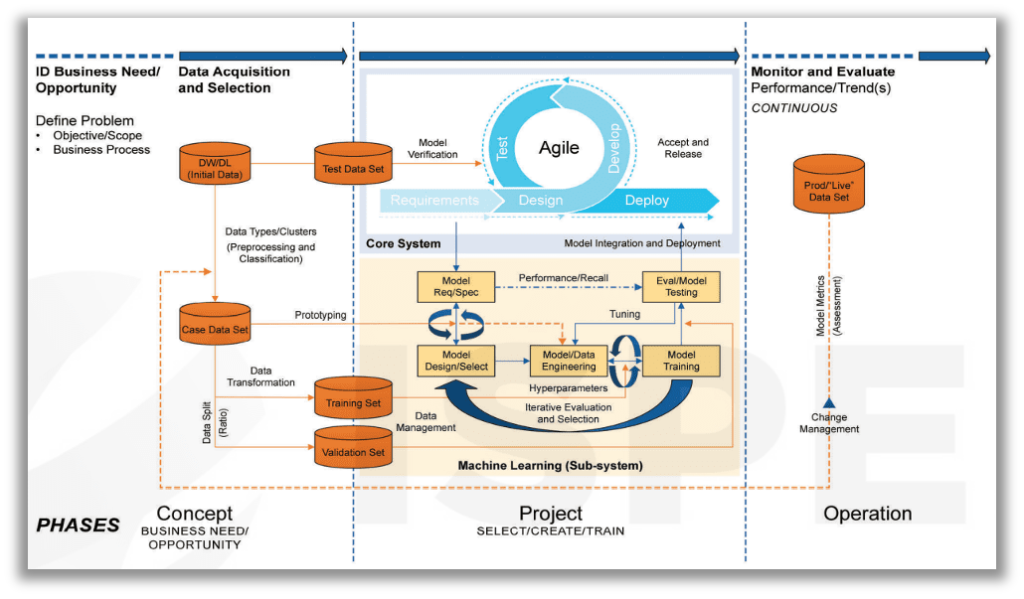
以下指南要点供结合企业实际参考:
要想办法成功将生成性人工智能(GenAI)融入业务并实现持续价值,需要制定合理、全面、可实施的人工智能战略,重点可考虑以下四个要素:
1、设定总体目标,定位自身优势聚焦和成功衡量指标,以满足业务需求。
2、衡量GenAI对业务的影响,深入分析和优化流程。
3、评估并采取措施规避主要人工智能风险,包括数据隐私和安全问题。
4、积极地考虑GenAI倡议,并确定可行解决方案,以快速实现价值。
企业构建人工智能战略,需要一个严谨而科学的方法。从业务驱动的愿景出发,动态规划方案措施以及反复迭代论证为什么要采用它们。
以下为欧美企业的一些战略设定参考:
1、某车型制造商:该企业以改善其生产线的效率和质量控制为核心开展业务的AI应用布局。他们计划利用机器学习和计算机视觉来自动检测生产过程中的缺陷,并优化零部件供应链管理。
2、某医疗保健公司:该企业正在开发人工智能解决方案,旨在通过分析患者数据和临床指标,提供更准确的诊断和治疗建议。他们希望借助这一技术来改善医疗结果,并提高患者满意度。
3、某银行机构:该银行以增强客户体验和风险管理能力。他们规划运用自然语言处理和机器学习技术,提供更个性化的金融服务,并改进反欺诈措施。CXO UNION CXO联盟 cxounion.cn
4、某零售巨头:该零售巨头正在利用人工智能技术,以优化供应链管理和预测消费者需求。他们希望通过数据分析和预测模型,准确预测销售趋势,提高库存管理效率。
5、某航空公司:该航空公司围绕提高客户服务和运营效率设定AI战略。他们计划利用自动化机器人和自然语言处理技术,为旅客提供更快捷的预订、登机和行李处理服务,同时优化航班调度和维护计划。
三、人工智能的战略机遇把握
“要抓住人工智能带来的战略机遇,必须愿意以指数级的速度适应和学习。” ——翼龙.马斯克(是的,翻译成翼龙更酷)
GenAI突然间成为大家瞩目的焦点,但只有10%的组织已成功地在多个业务单位和流程中部署了成熟的人工智能技术。尽管可参考经验有限,但星星之火可以燎原,你是等到整个草原都开始燃烧再进入,还是此刻即闻风起舞。或许企业可以从这些已经有经验的组织中汲取许多宝贵的反思、甚至包括教训。
GenAI有潜力彻底改变现有的经济和社会框架,就像早期的互联网和电力一样。如今企业所面临的问题是,如何利用人工智能来支持企业的战略雄心,并推动更强大的业务成果。
如果能够正确部署,GenAI将成为企业获得竞争优势和差异化的关键。它拥有预测分析、机器学习(ML)和其他人工智能技术的能力,可以自动化重复和繁琐的任务,并不断创新。
GenAI可以通过创造颠覆性的新机会来推动企业目标,从而对股东价值产生显著影响,例如:
1、增加收入:人工智能将帮助企业更快地创造新产品。制药、医疗保健和制造业等领域将成为人工智能的重点行业,因为它们致力于开发新药、低毒性家用清洁剂、新型香精和香料、新合金以及更快、更好的医疗诊断。
2、提高客户参与度:通过打破现有的价值链和商业模式,生成性人工智能可以绕过传统的中间商,如出版商和分销商,并直接创建和分发内容,从而提高客户参与度。
3、降本提效:GenAI的功能可以简化流程、加快结果,无论是通过提高人类工作者的效率(例如对内容进行总结、简化和分类)、生成软件代码还是优化聊天机器人的性能。此外,GenAI还可以利用以前未使用的数据,实现成本降低和生产力提升。CXO UNION CXO联盟 cxounion.cn
四、衡量人工智能成功的参考方法
那些拥有广泛、深入、长期人工智能经验的组织并非忙着内卷、互卷,不以项目数量、任务完成或产出量来衡量成功。
相反,他们更注重业务健康指标而非财务实现指标,并采用特定的归因模型和措施,将其与每个具体案例绑定在一起,组织扁平化、敏捷化,大家聚焦客户的业务场景,听客户的而不是听办公室幕僚的。
业务指标包括但不限于以下方面:
1、企业增长:Cross selling or service portfolio 的潜力、价格上涨、需求评估、新资产货币化等。
“新资产货币化”是指将企业创造的新型资产转化为收入和价值的过程。这些新型资产可以是虚拟、非物质性的,通常基于知识、技术、数据和网络资源。
我们以数据资产货币化为例,许多企业拥有丰富的数据资源,可以将这些数据资产转化为收入和价值。例如,一家互联网公司可以将其服务分析数据出售给广告商,辅助其改善营销效果从而获得广告收入。
2、客户成功:保留率、客户满意度、客户钱包份额等。CXO UNION CXO联盟 cxounion.cn
3、成本效益:库存减少、生产成本、员工生产力、资产优化等。
那些让人工智能团队和资深顾问共同参与定义成功指标的企业比以幕僚参与为主制定成功指标的企业更有可能战略性地成功使用人工智能,是尊重市场、技术与知识还是俯首听令,这对于很多大型组织转型而言是个艰难的抉择。
企业可以成立一个被充分授权、不要被过渡干预的、给与充分耐心的优秀团队甚至独立运行的小公司去操盘更切实际,总而言之,远离机械化的复杂幕僚式的管理越远,创新战略越容易成功。
在选择指标时,AI战略创新团队应充分尊重数据管理专家、业务分析专家、领域专家、风险管理专家、数据科学家、IT和开发团队的多维度反馈,并应与上述角色达成虚拟形式的长期合作组织、且逐步向稳定的合作团队过渡。
五、铲除有效获取人工智能价值的障碍
根据Gartner的研究判断:到2026年,有超过1亿人将与机器人共事一起为企业工作。到2033年,引入人工智能解决方案将进一步以自动化等手段增强交付任务、活动或工作,并将产生超过5亿个新的人类工作岗位。这一个振奋人心的结论,人类不是被AI取代,而是要升级自身知识体系与能力以适应与AI共存的环境。
对于GenAI项目阻碍问题,企业可以指派一位执行负责人来支持所需的组织变革,管理风格应以开放性、有一定包容度为主。
譬如,让首席数据官(CDO)负责推动该计划,确保其他高管也参与其中并充分支持。如果您的组织缺乏推动人工智能项目所需的数据素养,请将高管(不仅仅是员工)纳入数据素养培训,并在实践中练习。
六、要认识到并屏蔽掉人工智能风险
以下是AI带来的相关风险案例:
1、某市公安局电信网络犯罪侦查局发布一起使用智能AI技术进行电信诈骗的案件,某科技公司法人代表郭先生10分钟内被骗430万元。来源:中国青年报
2、由Knightscope平台制造的一款打击犯罪的机器人在硅谷购物中心撞倒并打伤了一名16个月大的男孩..
针对人工智能风险问题,需要进行充分评估。随着行业法规和框架关于人工智能的出现,了解具体司法管辖区域的法规变得至关重要。同时,人工智能的使用也可能引发了关于道德和责任的问题,新的监管必然会持续出台,这可能会响应公众对其使用的看法变化。
总体而言,需要做好以下主要类型风险的准备:
1、监管风险:企业应用人工智能可能导致组织因侵犯版权或受保护的内容、信息和数据而面临诉讼风险。法规变化迅速,因此要了解当地和管辖区的人工智能法规,确保遵守监管政策。同时还要关注特定行业的法规,如生命科学服务、金融服务、地理服务。
2、声誉风险:人工智能可能放大偏见,并创造一个用户无法看到输入和操作的“黑匣子”。供应商若不提供训练数据集的透明度,就会面临有害输出的风险。未经充分测试和审计的人工智能服务可能会带来糟糕的决策、甚至是社会商用风险。组织需要建立强大的保护措施,以防止在构建或购买生成性人工智能服务时丢失知识产权或客户数据。
3、能力风险:短期而言,企业对敏捷工程和人工智能等领域的技能需求将越来越大。人工智能需要独特的技能,快速引入AI可能会对现有组织和人员带来直接冲击,要提高现有人才的能力,并同时从学术界和初创公司吸纳新的人才。
4、错误输出风险:GenAI在推理方面可能不稳定或不准确,无法充分理解上下文,具有有限的可解释性和可追踪性,甚至存在偏见。CXO UNION CXO联盟 cxounion.cn
5、安全风险:一旦任何输入到公共应用程序中的机密信息都被存储下来,并可用于训练新版本的模型。这就意味着敏感数据和知识产权有可能被组织外部的用户获取,包括恶意行为者。
面对AI应用,企业的合规部门、法务部门、运营部门等将承担更重要的责任,对于人工智能的治理、可信度、公平性、可靠性、健壮性、有效性和隐私性,需要制定相关原则和政策,以应对企业持续演化中的潜在安全威胁。
否则,企业可能遭遇负面的人工智能结果和违规行为,如模型无法如预期执行、安全和隐私问题、财务和声誉损失以及对个人的伤害。
建议企业建立跨职能的专门团队或任务组,包括法律、合规、安全、IT、数据分析和业务代表,以获得人工智能风险评估和规划的最佳结果。
七、可从以下几个方面进行GenAI的联合评估
1、数据隐私保护评估:在处理和存储个人数据方面的合规性,确保不违反隐私法规。
2、偏见和歧视评估:是否存在偏见和歧视,包括基于种族、性别、年龄或其他特征的歧视。
3、透明度评估:是否提供足够的透明度和可理解性,使用户能够了解其决策和推荐的依据。
4、安全性评估:GEN AI的系统和网络安全性,确保对外界攻击有足够的防护措施,防止数据泄露或被篡改。
5、公平性评估:GEN AI在分配资源、提供服务或做出决策时是否公平,不对特定人群产生不当的影响。
6、规范一致性评估:GEN AI是否符合法律、法规和行业规范的要求,确保合规性。CXO UNION CXO联盟 cxounion.cn
7、可解释性评估:GEN AI的输出结果是否可解释,能够提供透明的解释和解决方案。
8、用户权益保护评估:GEN AI是否保护用户权益,包括用户数据的安全性和私密性。
9、机器辅助决策评估:GEN AI在支持决策过程中的正确性和可靠性,包括对风险和不确定性的处理能力。
10、社会影响评估:GEN AI可能对社会带来的影响,包括就业、经济、道德和文化方面的影响。
八、企业应着力解决人工智能的用例选择问题
人工智能的用例选择应该基于业务影响和可行性的优先排序,包括使用GenAI的行业案例。
业务相关方应该通过以下问题明确表达他们对有形业务优势的期望:
1、企业到底要解决什么问题?
2、谁才是主要的用户或客户?
3、哪些业务流程最需要应用人工智能技术?
4、业务线中的哪位专家可以指导解决方案的开发而不是全甩交给IT或者由管理盲目决策?
5、如何衡量实施应用后的效果和影响?
6、如何监控和运营AI价值?业务负责什么?IT负责什么?还有哪些相关人…?
科技方应衔接业务并回答需求定义、项目实现以及长期支持的问题:
1、业务需求的科技侧定义、业务用例的概念设计、辅助机会评估?
2、项目管理中应如何设定优先级、创建团队、项目管控?
3、上线后如何持续运营?
九、正式应用AI前务必经过检验
在引入人工智能技术时,应先进行试点检验,而不是盲目从事全面的人工智能策略。以下是引入人工智能技术的五个参考步骤:
1、用例:构建一组有实际影响、可衡量且能够快速解决的用例。
2、技能:聚集与用例相关的专业人才。CXO UNION CXO联盟 cxounion.cn
3、数据:收集与所选用例相关的适当数据。
4、技术:选择与用例、技能和数据相关的人工智能技术。
5、组织:建立专业知识和经验积累的人工智能团队。
这五步法是一种战术性的暂时引入人工智能技术的方法,有助于迅速实现价值。但需要注意,这不是战略性的长期规划,它需要不断迭代,从长线的角度来看成为动态的战略,犹如多个灵活的游击战、大小规模不同的运动战最终完成了全国解放。
在用例选择中,可行性和商业价值同等重要,甚至可行性更为重要。
识别有价值的用例应该以具体的试点项目检验为目标,并伴随着有形的业务成果。通常情况下,当风险高而可行性低时,或许会有偶然成功以及有可能会反常理的投入回报更高,但无论表面的商业价值如何,那些无法使用现有技术和数据实现的项目都应谨慎追求。
十、可行性标准的统筹考虑
一个有着显著商业价值且看起来容易实现的用例,就一定会被普及么?也不一定。
有时候,一种具有突破性创新的想法,确实能够创造新的市场或改进现有市场,从而引起巨大变革,但囿于企业组织庞大、管理风格陈旧、行动缓慢等客观因素,亦可能错过最佳时机,甚至客观上变革本身就是被深层次抵触的;或者不仅是这一家,而是整个区域市场错过了一个本就很好的一闪而过的机会,这也可能发生,这种因素就更为复杂。
对于可行性的问题,企业要考虑三方面:
1、技术可行:能够将业务用例提升到先进水平的可能性。
2、内部可行:文化、领导风格与能力、认同、技能和职业环境等因素。
3、外部可行:法规、社会接受度和外部基础设施等因素。CXO UNION CXO联盟 cxounion.cn
4、数据可行:人工智能是高度依赖数据的技术,如果没有一个支撑的数据战略,企业将无法充分利用人工智能。只有明确清晰的数据治理和管理要求,才可能降低数据获取的成本,并帮助用户利用人工智能所需的数据。

英文翻译:
Behind AIGC is the accelerated arrival of a new era
Have you noticed that after the arrival of AIGC, your life and work are taking place and will inevitably continue to take place faster and faster new changes, times have changed, we must face it, there is no other choice.
When companies rely on manual internalization to the extreme, it is the day when stubborn people finally succumb to the changes brought about by technological means such as AI.
The next generation of great large enterprises will emerge with a powerful data platform, rich AI applications, and a gathering of the industry’s best scarce talent in an era that has no patience for mediocrity and repeated miscarriages.
Businesses also have to face change.
More importantly, for our country, this is an inevitable national development trend, and enterprises must comply with the general trend of artificial intelligence development.
In 2017, China issued the “Notice on the Development Plan of the New Generation of Artificial Intelligence”.CXO UNION CXO联盟 cxounion.cn
The plan clarifies the country’s ambitions in the field of AI, including initiatives and targets in research and development, industrialization, talent development, education and skills acquisition, standard-setting and regulations, ethics and safety.
Strategy three steps:
The first is to keep pace with competitors in the AI industry by 2020;
The second is to become a world leader in certain AI fields by 2025;
Finally, by 2030, we will achieve full leadership and become a major hub for AI innovation.
It is predicted that by 2030, China’s artificial intelligence industry will reach 1 trillion yuan.
The “High-quality Development Report of Central Enterprises (2023)” shows that investment in new generation information technology, artificial intelligence and other fields will be increased, and the layout of high-end manufacturing industries such as aerospace, rail transit, Marine engineering, intelligent equipment, and chips will be strengthened. In the past three years, the average annual investment growth rate of central enterprises in strategic emerging industries has exceeded 20%.
Some foreign experts also believe that China will cultivate an artificial intelligence industry worth 10 trillion yuan.
In 2022, artificial intelligence continues to show us unlimited imagination, and the diversity and development of product forms has reached new heights. For example, DJI drones, Pony Wisdom’s mass-production automatic driving domain controller, Shang Tang’s chess robot, and Baidu’s Wenxin super-large model, AI products emerge in endlessly.
Although AI technological innovation has entered deeper waters and the exploration of the technology itself is more difficult, at the application level, it is increasingly like water, electricity and coal, which are indispensable in our lives. In subtle and silent forms, artificial intelligence has penetrated into every corner of public life.CXO UNION CXO联盟 cxounion.cn
This trend is being driven by increasingly sophisticated platform-based solutions. For example, Lotus robot, Tencent number sapiens, mushroom car car integration and so on.
Second, strategic considerations for enterprise AI transformation
In the face of the tide of the artificial intelligence market and the clear Plan task requirements of relevant policies, relevant enterprises must consider the direction and key points of future AI transformation.
The following guide points are for the actual reference of enterprises:
Finding a way to successfully integrate generative artificial intelligence (GenAI) into the business and achieve sustained value requires a sound, comprehensive, and implementable AI strategy that focuses on the following four elements:
1.set the overall goal, positioning their own strengths focus and success measurement indicators to meet business needs.
2.Measure the impact of GenAI on the business, in-depth analysis and optimization process.
3.Assess and take steps to mitigate key AI risks, including data privacy and security concerns.
4.Actively consider GenAI initiatives and identify viable solutions to quickly realize value.
Building an AI strategy requires a rigorous and scientific approach. Start with a business-driven vision, dynamically plan program initiatives and iterate to justify why they should be adopted.
The following are some strategic setting references for European and American enterprises:
1.a model manufacturer: the AI application layout of the enterprise to improve the efficiency and quality control of its production line as the core of its business. They plan to use machine learning and computer vision to automatically detect defects in the production process and optimize component supply chain management.
2.A healthcare company: The company is developing an AI solution designed to provide more accurate diagnosis and treatment recommendations by analyzing patient data and clinical indicators. They hope to use this technology to improve medical outcomes and increase patient satisfaction.
3. a banking institution: the bank to enhance customer experience and risk management capabilities. They plan to use natural language processing and machine learning to provide more personalized financial services and improve anti-fraud measures.
4. a retail giant: The retail giant is using artificial intelligence technology to optimize supply chain management and predict consumer demand. Through data analysis and predictive models, they hope to accurately predict sales trends and improve inventory management efficiency.
5. an airline: The airline set an AI strategy around improving customer service and operational efficiency. They plan to use automated robots and natural language processing technology to provide travelers with faster booking, boarding and baggage handling services, while optimizing flight scheduling and maintenance schedules.
Third, Grasp the strategic opportunities of artificial intelligence
“To seize the strategic opportunities presented by AI, one must be willing to adapt and learn at an exponential rate.” — Elon Musk (Yes, it’s cooler translated as Pterosaur)
GenAI is suddenly in the spotlight, but only 10% of organizations have successfully deployed mature AI technologies across multiple business units and processes. Although the experience is limited, a single spark can start a prairie fire, and you can wait until the whole prairie is burning before entering, or you can dance right now. Perhaps there are many valuable reflections, and even lessons, that companies can draw from these already experienced organizations.
GenAI has the potential to revolutionize existing economic and social frameworks, just as the Internet and electricity did in the early days. The question for businesses today is how to leverage AI to support their strategic ambitions and drive stronger business outcomes.
If deployed correctly, GenAI will be the key to gaining competitive advantage and differentiation. It has the capabilities of predictive analytics, machine learning (ML), and other AI technologies to automate repetitive and tedious tasks and constantly innovate.
GenAI can have a significant impact on shareholder value by creating disruptive new opportunities to drive corporate goals, such as:
1.Increase revenue: AI will help businesses create new products faster. Sectors such as pharmaceuticals, healthcare, and manufacturing will be key industries for AI as they work to develop new drugs, low-toxicity household cleaners, new flavors and fragrances, new alloys, and faster and better medical diagnostics.CXO UNION CXO联盟 cxounion.cn
2.By disrupting existing value chains and business models, generative AI can bypass traditional middlemen, such as publishers and distributors, and create and distribute content directly, thereby increasing customer engagement.
Reduce costs and improve performance: GenAI’s capabilities simplify processes and speed results, whether by improving the efficiency of human workers (such as summarizing, simplifying, and classifying content), generating software code, or optimizing chatbot performance. In addition, GenAI can leverage previously unused data to achieve cost reductions and productivity gains.
Reference methods for measuring the success of artificial intelligence
Organizations with broad, deep, long-term AI experience aren’t busy inrolling, cross-rolling, measuring success in terms of project numbers, task completions, or output.
Instead, they focus more on business health metrics rather than financial fulfillment metrics, use specific attribution models and measures tied to each specific case, organize flat and agile, focus on the client’s business scenario, and listen to the client rather than the office staff.
Business indicators include, but are not limited to, the following:
Business growth: potential for Cross selling or service portfolio, price increase, demand assessment, monetization of new assets, etc.
“New asset monetization” refers to the process of converting new assets created by a business into revenue and value. These new assets can be virtual, non-physical, and are often based on knowledge, technology, data, and network resources.
Taking the example of monetizing data assets, many businesses have rich data resources that they can turn into revenue and value. For example, an Internet company can sell its service analytics data to advertisers to help it improve marketing and thus generate advertising revenue.
Customer success: retention rate, customer satisfaction, customer wallet share, etc.CXO UNION CXO联盟 cxounion.cn
3, cost effectiveness: inventory reduction, production costs, employee productivity, asset optimization, etc.
Organizations that involve an AI team and senior advisors in defining success metrics are more likely to use AI strategically and successfully than those that rely on staff involvement to determine success metrics. The choice between respecting the market, technology, and knowledge or deference is a difficult one for many large organizational transitions.
Enterprises can set up an excellent team that is fully authorized, does not allow excessive intervention, and gives sufficient patience or even a small company that runs independently. In short, the farther away from mechanized complex staff management, the easier the innovation strategy is to succeed.
In selecting metrics, the AI strategic innovation team should fully respect the multidimensional feedback of data management experts, business analysts, domain experts, risk management experts, data scientists, IT and development teams, and should reach a virtual form of long-term cooperation organization with the above roles, and gradually transition to a stable collaborative team.
Remove barriers to effectively capturing the value of AI
According to Gartner research, by 2026, more than 100 million people will work alongside robots for businesses. By 2033, the introduction of AI solutions will further enhance the delivery of tasks, activities or jobs by means of automation and will generate more than 500 million new human jobs. This is an exciting conclusion, humans are not replaced by AI, but to upgrade their knowledge and capabilities to adapt to the environment with AI.
For the GenAI project obstruction problem, the enterprise can appoint an executive leader to support the required organizational change, and the management style should be open and inclusive.
For example, put the chief Data Officer (CDO) in charge of driving the initiative and make sure other executives are involved and fully supportive. If your organization lacks the data literacy needed to drive AI projects, include executives (not just employees) in data literacy training and practice in practice.
Sixth, to recognize and shield artificial intelligence risks
Here are some examples of the risks associated with AI:
1.The Telecommunications network crime Investigation Bureau of a municipal Public Security Bureau released a case of telecommunications fraud using intelligent AI technology, and Mr. Guo, the legal representative of a technology company, was cheated of 4.3 million yuan within 10 minutes. Source: China Youth Daily
2.a crime-fighting robot made by the Knightscope platform knocked down and injured a 16-month-old boy in a Silicon Valley mall…CXO UNION CXO联盟 cxounion.cn
The risks of artificial intelligence need to be adequately assessed. With the emergence of industry regulations and frameworks regarding AI, understanding the regulations in specific jurisdictions has become critical. At the same time, the use of AI may also raise questions about ethics and accountability, and new regulations are bound to continue to be introduced, which may respond to changing public perceptions of its use.
In general, you need to be prepared for the following main types of risks:
1.Regulatory risks:
The application of AI by enterprises may expose organizations to the risk of litigation for infringement of copyright or protected content, information, and data. Regulations change rapidly, so be aware of local and jurisdictional AI regulations to ensure compliance with regulatory policies. Also focus on industry-specific regulations, such as life science services, financial services, geographic services.
2.Reputational risk:
AI can amplify bias and create a “black box” where users cannot see inputs and actions. Suppliers that do not provide transparency into training datasets risk harmful output. Ai services that are not adequately tested and audited can lead to poor decisions and even social business risks. Organizations need to build strong protections to prevent the loss of intellectual property or customer data when building or purchasing generative AI services.
3.Capability risk:
In the short term, there will be increasing demand for skills in areas such as agile engineering and artificial intelligence. AI requires unique skills, and the rapid introduction of AI could have a direct impact on existing organizations and people, increasing the capabilities of existing talent while simultaneously absorbing new talent from academia and startups.
4.error output risk:
GenAI may be unstable or inaccurate in reasoning, unable to fully understand the context, with limited interpretability and traceability, and even biased.
5.Security risks:
Once any confidential information entered into the public application is stored, it can be used to train new versions of the model. This means that sensitive data and intellectual property can be accessed by users outside the organization, including malicious actors.
In the face of AI applications, compliance departments, legal departments, and operations departments of enterprises will assume more important responsibilities, and relevant principles and policies need to be formulated for the governance, credibility, fairness, reliability, robustness, effectiveness, and privacy of artificial intelligence to deal with potential security threats in the continuous evolution of enterprises.
Otherwise, businesses may experience negative AI outcomes and breaches, such as models not performing as expected, security and privacy concerns, financial and reputational damage, and harm to individuals.
Organizations are advised to establish cross-functional dedicated teams or task groups, including legal, compliance, security, IT, data analytics, and business representatives, to get the best results for AI risk assessment and planning.
Joint evaluation of GenAI can be carried out from the following aspects
1.Data privacy protection assessment: compliance with the processing and storage of personal data to ensure that privacy regulations are not violated.
2.Bias and discrimination assessment: whether there is bias and discrimination, including discrimination based on race, sex, age or other characteristics.
3.Transparency assessment: whether to provide sufficient transparency and understandability, so that users can understand the basis for their decisions and recommendations.
4. Security assessment: GEN AI’s system and network security, to ensure that there are sufficient protection measures against external attacks, to prevent data leakage or tampering.
5.Fairness assessment: Whether GEN AI is fair in allocating resources, providing services or making decisions without undue impact on specific groups of people.
6.Specification conformance assessment: Whether GEN AI meets the requirements of laws, regulations and industry norms to ensure compliance.
7.Interpretability assessment: whether the output results of GEN AI are interpretable and can provide transparent explanations and solutions.CXO UNION CXO联盟 cxounion.cn
8.User rights protection assessment: Whether GEN AI protects user rights, including the security and privacy of user data.
9.Machine-aided decision evaluation: GEN AI’s correctness and reliability in supporting the decision process, including the ability to deal with risk and uncertainty.
10.Social Impact Assessment: The impact GEN AI may have on society, including employment, economic, ethical and cultural impacts.
Enterprises should focus on solving the problem of use case selection of AI
Use case selection for AI should be based on prioritization of business impact and feasibility, including industry cases using GenAI.
Business stakeholders should clearly express their expectations for tangible business advantages by asking:
1.What problem should the enterprise solve?
2.Who is the main user or customer?
3.Which business processes are most in need of AI?
4.Which expert in the line of business can guide the development of the solution rather than leaving IT to IT or letting management make blind decisions?
5.How to measure the effect and impact after implementation?
6.How to monitor and operate AI value? What is the business responsible for? What is IT responsible for? Who else is involved… ?
The technology side should link the business and answer the questions of requirements definition, project implementation and long-term support:
1.Technical definition of business requirements, conceptual design of business use cases, auxiliary opportunity assessment?
2.How to set priorities, create teams, and control projects in project management?CXO UNION CXO联盟 cxounion.cn
3.How to continue operation after the launch?
4.It must be tested before the formal application of AI
When introducing AI technology, pilot tests should be carried out first, rather than blindly engaging in comprehensive AI strategies.
Here are five reference steps for introducing AI technology:
1.Use Cases: Build a set of use cases that have real impact, are measurable, and can be resolved quickly.
2.Skills: Gather professionals related to use cases.
3.Data: Collect appropriate data related to the selected example.
4.Technology: Select AI technologies related to use cases, skills, and data.
5.Organization: Establish an artificial intelligence team with professional knowledge and experience.
This five-step approach is a tactical, temporary approach to introducing AI technology that helps deliver value quickly. However, it should be noted that this is not a strategic long-term plan, it needs to be iterated constantly, and become a dynamic strategy from a long-term perspective, just as multiple flexible guerrilla wars, mobile wars of different sizes and sizes finally completed the national liberation.
In use case selection, feasibility is as important as business value, if not more important.
Identifying valuable use cases should be targeted at specific pilot project tests and accompanied by tangible business outcomes. In general, when the risk is high and the feasibility is low, there may be a higher return on accidental success and potentially counterintuitive investment, but regardless of the apparent business value, projects that cannot be realized using existing technology and data should be pursued with caution.
Overall consideration of feasibility standards
Is a use case that has significant business value and seems easy to implement necessarily going to be popular?Not necessarily.
Sometimes, a breakthrough and innovative idea can indeed create a new market or improve the existing market, thus causing great changes, but due to objective factors such as large enterprise organization, outdated management style, slow action, etc., it may also miss the best opportunity, and even objectively the change itself is deeply contradicted. Or it could be that not just this one company, but the entire regional market misses an opportunity that was already a good flash, which can also happen, which is more complicated.
For the question of feasibility, enterprises should consider three aspects:
1.Technical feasibility: the possibility of being able to advance business use cases to the advanced level.CXO UNION CXO联盟 cxounion.cn
2.Internal feasibility: culture, leadership style and ability, identity, skills and professional environment and other factors.
3.External feasibility: Factors such as regulations, social acceptance and external infrastructure.
4.Data feasible: Artificial intelligence is highly dependent on data technology, without a supporting data strategy, enterprises will not be able to make full use of artificial intelligence. Only clear data governance and management requirements are likely to reduce the cost of data acquisition and help users leverage the data they need for AI.
本文由CXO UNION-CXO联盟(cxounion.cn)转载而成,来源于 数字化转型战略指南;编辑/翻译:CXO UNIONCXO联盟小汤圆。
如需加入CXO UNION(CXO联盟)高管社群,请联系社群小伙伴哦~

免责声明: 本网站(http://www.cxounion.cn/)内容主要来自原创、合作媒体供稿和第三方投稿,凡在本网站出现的信息,均仅供参考。本网站将尽力确保所提供信息的准确性及可靠性,但不保证有关资料的准确性及可靠性,读者在使用前请进一步核实,并对任何自主决定的行为负责。本网站对有关资料所引致的错误、不确或遗漏,概不负任何法律责任。
本网站刊载的所有内容(包括但不仅限文字、图片、LOGO、音频、视频、软件、程序等) 版权归原作者所有。任何单位或个人认为本网站中的内容可能涉嫌侵犯其知识产权或存在不实内容时,请及时通知本站,予以删除。
如需加入CXO UNION(CXO联盟)高管社群,请联系社群小伙伴哦~
免责声明: 本网站(http://www.cxounion.cn/)内容主要来自原创、合作媒体供稿和第三方投稿,凡在本网站出现的信息,均仅供参考。本网站将尽力确保所提供信息的准确性及可靠性,但不保证有关资料的准确性及可靠性,读者在使用前请进一步核实,并对任何自主决定的行为负责。本网站对有关资料所引致的错误、不确或遗漏,概不负任何法律责任。
本网站刊载的所有内容(包括但不仅限文字、图片、LOGO、音频、视频、软件、程序等) 版权归原作者所有。任何单位或个人认为本网站中的内容可能涉嫌侵犯其知识产权或存在不实内容时,请及时通知本站,予以删除。
Search
Popular Posts
-

2024数字化灯塔案例评选申报开启!
“2024数字化灯塔案例评选”于3月正式启动,诚挚欢迎业界同仁自荐和推荐,一起推动产业数字化进程,助力赋能企业…
-

2024 X-Award星盘奖申报通道已开启!
X-Award星盘奖是数字化转型服务、IT服务行业重要的商业奖项,旨在表彰行业里提供杰出数字化转型服务与IT服…
-

2024 N-Award星云奖申报通道已开启!
N-Award是数字化转型领域重要的商业奖项,旨在表彰那些以非凡的远见、超群的领导才能和卓越的成就来激励他人的…