2023中国计算机大会(CNCC2023)于近日在沈阳举办。期间举办了涵盖人工智能、安全、计算+、软件工程等30个热门专业领域的技术论坛,由国际知名学者、两院院士、产学研各界代表在内的700余位报告嘉宾就计算技术与未来发展趋势展开探讨。
近年来,计算机科学与技术正以空前的规模和速度渗透到社会生活的各个方面。在发挥巨大作用的同时,隐私泄露、权利侵犯、甚至虚拟行为真实影响的法律界定等安全伦理问题层出不穷。计算机行业的从业者承担着重要的社会责任。技术伦理风险主要体现在哪些方面?如何看待技术伦理风险?……围绕相关问题,CNCC2023大会论坛讲者、CCF职业伦理与学术道德委员会主席、中国数字经济50人论坛委员、复旦大学教授王国豫接受了新华网专访。
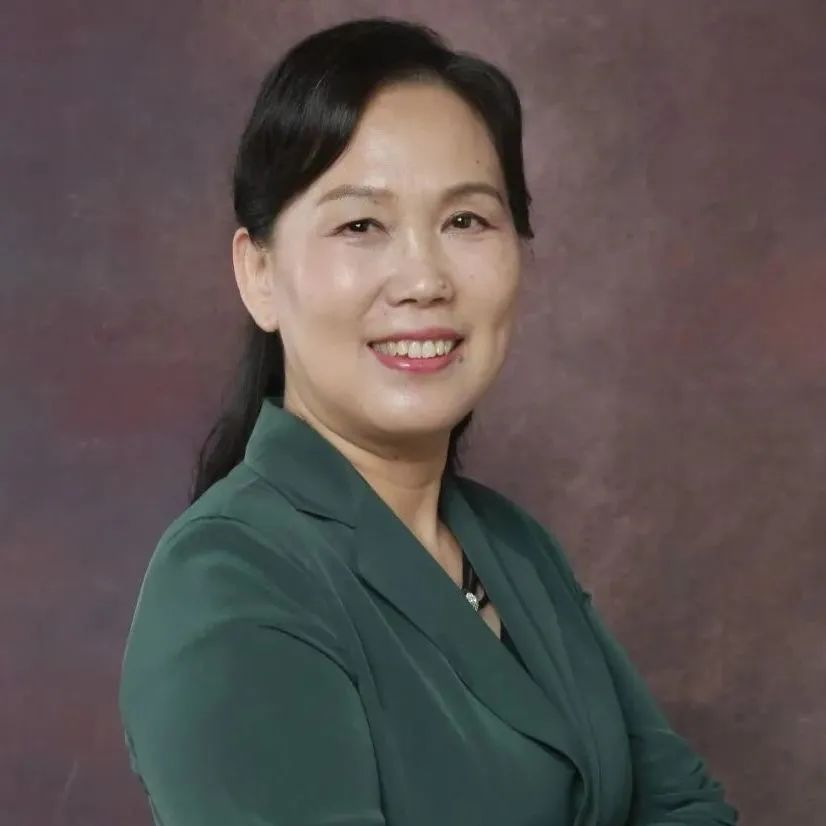
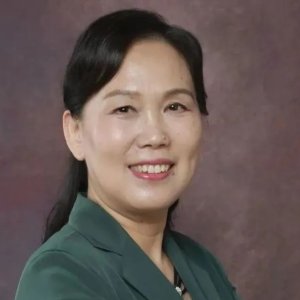
王国豫个人简介
王国豫,复旦大学哲学学院教授、博士生导师,中国科协-复旦大学科技伦理与人类未来研究院院长,复旦大学应用伦理学研究中心/复旦大学生命医学伦理研究中心主任,入选国家级人才项目。兼任国家科技伦理委员会医学伦理分委员会委员,上海市自然辩证法研究会理事长,上海国际人类表型组计划伦理委员会主任,中国数字经济50人论坛委员。
长期从事科技哲学和科技伦理学的基础理论和应用对策研究。代表性作品包括:Energy Justice Across Borders、《德国技术伦理的理论与作用机制》等。在Nanoethics, Neuron, Science and Public Policy等国际顶级 刊以及中国社会科学、哲学研究、哲学动态、自然辩证法研究等国内外核心期刊上发表文章近百篇。
Q1 作为2023CNCC特邀嘉宾,请您介绍一下近几年主要进行的研究,您今年带来的报告将会聚焦哪些核心议题?
近几年,我主要关注作为一种新的技术形态的数字技术的伦理维度。我们将在论坛上探讨我们如何打造、迎接和拥抱数字文明。”
我长期从事科技伦理的研究,近几年主要关注的是作为一种新的技术形态的数字技术的伦理维度,特别是数字技术在医学和健康场景上的应用,如辅助诊断技术、可穿戴设备、基因检测技术和人工智能医学影像等数字健康技术涉及的伦理问题,包括数据隐私和共享的问题,人类与机器互动中的主体性问题与道德责任分配问题,大模型的价值对齐问题等。 CXO UNION-CXO联盟(cxounion.cn)
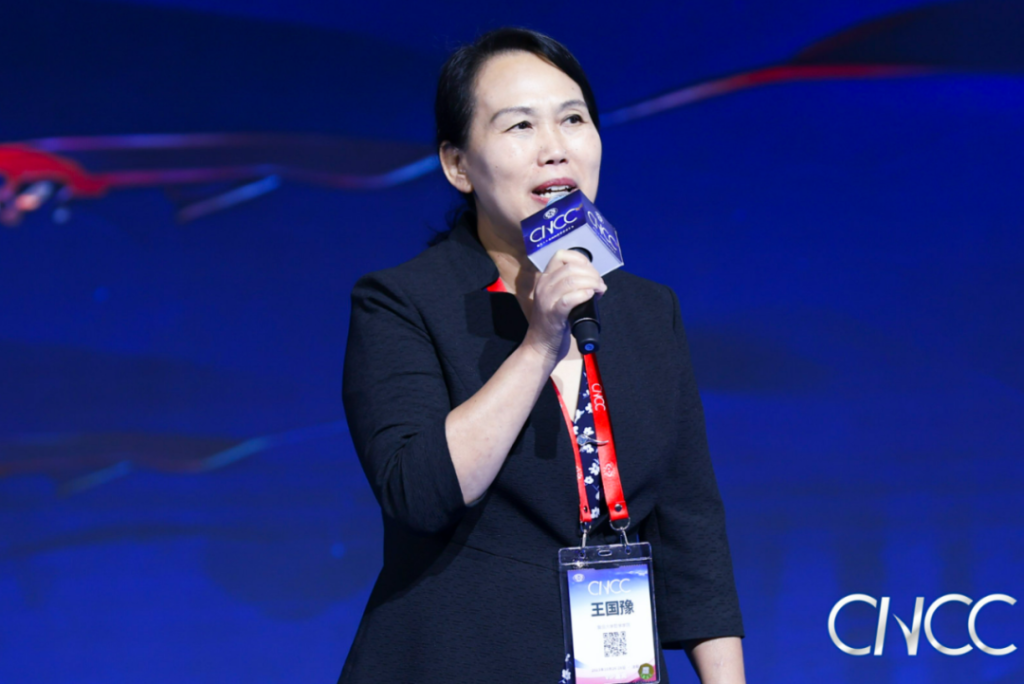
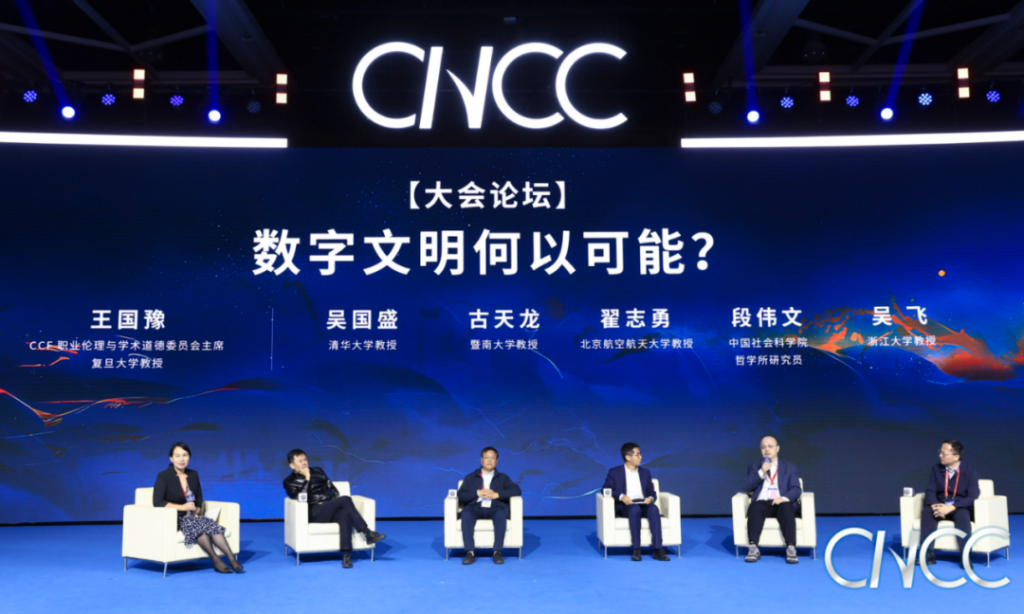
今年,根据大会组委会所确立的主题,我们将在论坛上探讨一个比较宏观的问题,即“数字文明何以可能?”数字技术不仅带来了物质生产方式、知识生产方式和社会生活方式的改变,也给现有的观念、制度、社会组织形式和文化带来了挑战。如何应对这些挑战,是当前我们必须回答的问题,这是一个跨学科的问题,需要多学科的专家从不同的视角来回答。为此,我们邀请了国内知名的技术史、技术哲学、法学专家与人工智能专家一起开展跨学科对话,从技术、历史和法律、伦理的视角对数字技术进行审视,追问数字文明的可能性与条件,探讨我们如何打造、迎接和拥抱数字文明。
Q2 多年来您一直从事有关高科技伦理学的研究究,近些年这一领域发生了什么样的变化?
对科技伦理问题的探讨越来越多,科技伦理已经引起广泛关注。”
近年来,国际国内对高科技伦理问题越来越重视。我国也高度重视科技伦理问题。2019年10月,中共中央办公厅、国务院办公厅印发通知,成立国家科技伦理委员会。2022年,中共中央办公厅、国务院办公厅印发了《关于加强科技伦理治理的意见》。今年10月,科技部、教育部、工信部等十部委联合印发《科技伦理审查办法(试行)》,通过对科学研究、技术开发等科技活动中的科技伦理审查主体、审查程序、监督管理等方面进行规范,强化科技伦理风险防控,确保科技创新活动的正确方向。科技伦理已经引起了我国广泛关注。 CXO UNION-CXO联盟(cxounion.cn)
Q3 如今技术伦理风险主要体现在哪些方面?您如何看待人工智能可能存在的风险问题?
技术伦理涉及的面很广,从数字技术方面来看,主要涉及数据和算法相关的伦理问题。”
技术伦理涉及的面很广,从数字技术方面来看,主要涉及数据和算法相关的伦理问题。以人工智能为例,作为数据推动的人工智能,首先涉及数据伦理问题。特别是医学健康大数据,我们知道,这些数据相当于患者的“身份证”,它涉及患者的安全和隐私。因此,这些数据谁在用?干什么用?在哪里保存?是否安全?都会对个人的权利和自由构成影响。其次是算法问题。AI算法的可靠性和可信性与数据的可靠性与可信性同等重要。在当前算法还存在着不可解释性和“黑箱”的情况下,应该如何防止算法带来的偏见和幻觉。再比如人机互动中,人对机器的信任、信赖会不会走向依赖等,这些都是技术伦理需要考量的问题。
希望大家都能保持对人工智能技术的伦理或道德敏感度。人工智能技术和纳米科技、合成生物学等新兴技术一样,是一把“双刃剑”,既造福人类,也可能存在风险。完全没有风险的技术在我看来是不存在的,完全摆脱技术也是不可能的。面对人工智能的技术风险和伦理挑战,我们很难完全取得共识。要在合规合法的原则下,平衡各方,选择一个可以接受的风险水平。 CXO UNION-CXO联盟(cxounion.cn)
Q4 您认为CNCC大会对推动人工智能健康发展有怎样的现实意义?
CNCC大会提供了一个很好的平台,我们邀请不同专业的专家和我们的行业精英、企业代表面对面,直面数字技术的机遇和挑战,共同商议共同谋划如何从数字技术走向数字文明,在我看来是非常重要也是非常有意义的一件事。大会的举办不仅有利于我国人工智能的健康发展,而且对于科技伦理的制度化建设也将具有一定重要的意义。

翻译:
Wang Guoyu, Professor of Fudan School of Philosophy and member of the 50 Forum: How is digital civilization possible?
China Computer Conference 2023 (CNCC2023) was recently held in Shenyang. During the period, 30 technical forums covering artificial intelligence, security, computing +, software engineering and other popular professional fields were held, and more than 700 guest speakers, including internationally renowned scholars, academicians of the two houses of Congress, representatives of industry, university and research sectors, discussed computing technology and future development trends.
In recent years, computer science and technology are penetrating into all aspects of social life at an unprecedented scale and speed. While playing a huge role, security ethical issues such as privacy disclosure, rights violation, and even legal definition of the real impact of virtual behavior emerge in endlessly. People in the computer industry have important social responsibilities. What are the main aspects of technological ethical risks? How to view the ethical risks of technology? … Around the relevant issues, CNCC2023 conference forum speaker, CCF professional ethics and academic ethics Committee chairman, China Digital Economy 50 forum member, Fudan University professor Wang Guoyu accepted an interview with Xinhuanet. CXO UNION-CXO联盟(cxounion.cn)
Wang Guoyu personal introduction
Wang Guoyu, professor and doctoral supervisor of the School of Philosophy of Fudan University, Dean of the Institute of Ethics of Science and Technology and Future of Humanity of China Association for Science and Technology, Director of the Center for Applied Ethics of Fudan University/Center for Biomedical Ethics of Fudan University, was selected as a national talent project. He is also a member of the Medical Ethics Sub-Committee of the National Science and Technology Ethics Commission, the chairman of the Shanghai Society of Dialectics of Nature, the director of the Ethics Committee of the Shanghai International Human Phenotome Project, and the member of the China Digital Economy 50 Forum.
He has long been engaged in the research of basic theories and applied countermeasures of philosophy and ethics of science and technology. Representative works include: Energy Justice Across Borders, Theory and Mechanism of German Technological Ethics, etc. He has published nearly 100 articles in top international journals such as Nanoethics, Neuron, Science and Public Policy, as well as core journals at home and abroad such as Chinese social science, philosophical research, philosophical dynamics, and Dialectics of Nature research. CXO UNION-CXO联盟(cxounion.cn)
Q1 As the special guest of 2023CNCC, please introduce the main research conducted in recent years. What core topics will you focus on in your report this year?
In recent years, I have focused on the ethical dimension of digital technology as a new form of technology. At the forum, we will explore how we can forge, embrace and embrace a digital civilization.”
I have been engaged in the research of science and technology ethics for a long time. In recent years, I have mainly focused on the ethical dimension of digital technology as a new form of technology, especially the application of digital technology in medical and health scenarios, such as assisted diagnostic technology, wearable devices, genetic testing technology and artificial intelligence medical imaging, and other digital health technologies involved in ethical issues, including data privacy and sharing. The problem of subjectivity and the assignment of moral responsibility in human-machine interaction, the problem of value alignment of large models, etc.
Wang Guoyu hosted the forum “How Is Digital Civilization Possible?”
This year, in accordance with the theme established by the organizing committee of the Conference, we will explore a broader question at the forum: “How can a digital civilization be possible?” Digital technology has not only brought about changes in the material production mode, knowledge production mode and social life style, but also brought challenges to the existing concepts, institutions, forms of social organization and culture. How to deal with these challenges is the current question we must answer, which is an interdisciplinary question that needs to be answered by multidisciplinary experts from different perspectives. To this end, we invited well-known experts in the history of technology, philosophy of technology, law and artificial intelligence to carry out an interdisciplinary dialogue to examine digital technology from the perspectives of technology, history, law and ethics, ask the possibilities and conditions of digital civilization, and discuss how we can build, welcome and embrace digital civilization.
Forum “How Is Digital Civilization Possible?” scene
Q2 You have been involved in research on high-tech ethics for many years. How has the field changed in recent years?
There are more and more discussions about the ethics of science and technology, and the ethics of science and technology have attracted wide attention.” CXO UNION-CXO联盟(cxounion.cn)
In recent years, more and more attention has been paid to high-tech ethics at home and abroad. Our country also attaches great importance to the issue of science and technology ethics. In October 2019, the General Office of the CPC Central Committee and The General Office of the State Council issued a notice to establish a National Science and Technology Ethics Commission. In 2022, the General Offices of the CPC Central Committee and The State Council issued the Opinions on Strengthening the Ethical Governance of Science and Technology. In October this year, ten ministries and commissions, including the Ministry of Science and Technology, the Ministry of Education, and the Ministry of Industry and Information Technology, jointly issued the Measures for the Review of Science and Technology Ethics (Trial Implementation) to standardize the subjects, review procedures, supervision and management of science and technology ethics in scientific and technological activities such as scientific research and technology development, strengthen the prevention and control of science and technology ethics risks, and ensure the correct direction of science and technology innovation activities. Science and technology ethics has already aroused a wide concern in our country.
Q3 What are the main aspects of ethical risks in technology today? What do you think about the possible risks of artificial intelligence?
The ethics of technology cover a wide range of issues, from the digital side, mainly related to the ethics of data and algorithms.” CXO UNION-CXO联盟(cxounion.cn)
Technology ethics involves a wide range of aspects, from the perspective of digital technology, mainly involving data and algorithm-related ethical issues. Take artificial intelligence as an example, as data-driven artificial intelligence, first of all involves data ethics issues. Especially medical health big data, we know that these data is equivalent to the patient’s “ID card”, it involves the security and privacy of patients. So who uses this data? For what? Where do I save it? Is it safe? Can have an impact on the rights and freedoms of individuals. Then there is the problem of algorithms. The reliability and credibility of the AI algorithm is as important as the reliability and credibility of the data. In the case that the current algorithm is still uninterpretable and “black box”, how should we prevent the bias and illusion brought by the algorithm? For example, in man-machine interaction, people’s trust in machines, whether trust will lead to dependence, etc., these are issues that need to be considered in technical ethics.
It is hoped that everyone will maintain an ethical or moral sensitivity to AI technology. Artificial intelligence technology, like emerging technologies such as nanotechnology and synthetic biology, is a “double-edged sword” that both benefits mankind and may have risks. Completely risk-free technology does not exist in my opinion, and it is impossible to get rid of technology completely. In the face of the technical risks and ethical challenges of artificial intelligence, it is difficult to achieve complete consensus. It is necessary to balance all parties and choose an acceptable level of risk under the principle of compliance and legality. CXO UNION-CXO联盟(cxounion.cn)
Q4 What practical significance do you think the CNCC Conference has for promoting the healthy development of artificial intelligence?
CNCC conference provides a good platform, we invite different professional experts and our industry elites, business representatives face to face with the opportunities and challenges of digital technology, and jointly discuss and plan how to move from digital technology to digital civilization, in my opinion, is very important and very meaningful.
由CXO UNION-CXO联盟(cxounion.cn)转载而成,来源于海盐县工商联;编辑/翻译:CXO UNIONCXO联盟小U。
如需加入CXO UNION(CXO联盟)高管社群,请联系社群小伙伴哦~
免责声明: 本网站(http://www.cxounion.cn/)内容主要来自原创、合作媒体供稿和第三方投稿,凡在本网站出现的信息,均仅供参考。本网站将尽力确保所提供信息的准确性及可靠性,但不保证有关资料的准确性及可靠性,读者在使用前请进一步核实,并对任何自主决定的行为负责。本网站对有关资料所引致的错误、不确或遗漏,概不负任何法律责任。
本网站刊载的所有内容(包括但不仅限文字、图片、LOGO、音频、视频、软件、程序等) 版权归原作者所有。任何单位或个人认为本网站中的内容可能涉嫌侵犯其知识产权或存在不实内容时,请及时通知本站,予以删除。
如需加入CXO UNION(CXO联盟)高管社群,请联系社群小伙伴哦~

免责声明: 本网站(http://www.cxounion.cn/)内容主要来自原创、合作媒体供稿和第三方投稿,凡在本网站出现的信息,均仅供参考。本网站将尽力确保所提供信息的准确性及可靠性,但不保证有关资料的准确性及可靠性,读者在使用前请进一步核实,并对任何自主决定的行为负责。本网站对有关资料所引致的错误、不确或遗漏,概不负任何法律责任。
本网站刊载的所有内容(包括但不仅限文字、图片、LOGO、音频、视频、软件、程序等) 版权归原作者所有。任何单位或个人认为本网站中的内容可能涉嫌侵犯其知识产权或存在不实内容时,请及时通知本站,予以删除。
Search
Popular Posts
-

2024数字化灯塔案例评选申报开启!
“2024数字化灯塔案例评选”于3月正式启动,诚挚欢迎业界同仁自荐和推荐,一起推动产业数字化进程,助力赋能企业…
-

2024 X-Award星盘奖申报通道已开启!
X-Award星盘奖是数字化转型服务、IT服务行业重要的商业奖项,旨在表彰行业里提供杰出数字化转型服务与IT服…
-

2024 N-Award星云奖申报通道已开启!
N-Award是数字化转型领域重要的商业奖项,旨在表彰那些以非凡的远见、超群的领导才能和卓越的成就来激励他人的…