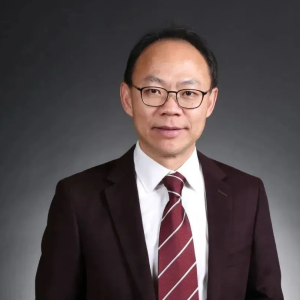
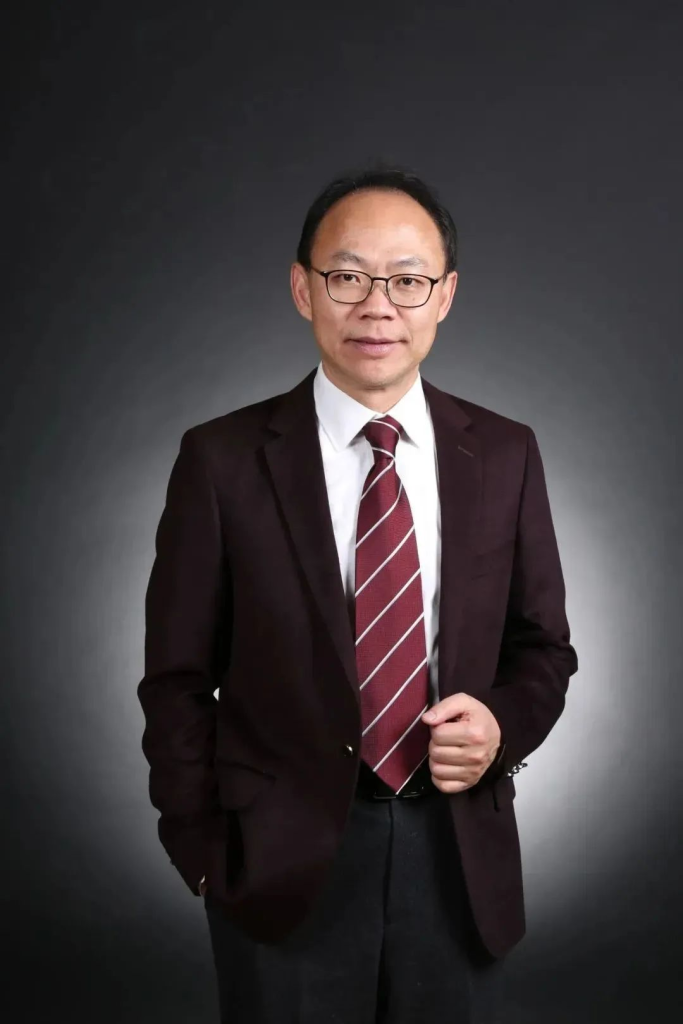
“随着AI越来越具备理解真实世界的能力,AI制药也将迎来飞速发展。”全国人大代表、清华大学讲席教授、生物芯片北京国家工程研究中心主任,被誉为“中国生物芯片第一人”的中国工程院院士程京,近年来一直关注健康中国建设,尤其是“科技+中医药”的发展。
今年的政府工作报告提到,促进中医药传承创新。对此,程京在接受新京报记者专访时表示,AI将成为未来中医药发展的关键一环,“未来,AI制药、AI诊断将在中医临床上发挥功效,帮助肺癌、糖尿病、慢性心力衰竭等病症患者缓解病痛,推动中医药传承创新。”
一、抢占中医药大模型高地,革新药物研发范式
Q:最近几年,为何要尝试将人工智能带到中医药领域?
程京:一直以来,中医药希望实现国际化、走向世界,但依然存在中西无法“同频”的困局,中医药很难被国际上认可和接受。中医是实践医学,是一代代中医在一次次试错中总结出的“经验”,对于过程及原理等没有清楚的认知。我们要做的是通过现代科学方法,验证中医药的疗效和作用机制,并在此基础上进一步完善它,用西医听得懂的科学语言来解读和评价中医药,即“中医西释”,更好地弘扬中医药文化,守护人类健康。
人工智能技术的不断发展,尤其是大模型的推出,为人工智能软件、硬件在健康领域的深度应用提供了更多的赋能和支持。从制药技术上来说,随着AI越来越具备理解真实世界的能力,AI制药也将会迎来飞速发展。但目前全球范围内,还未有AI开发的药物能够成功通过临床Ⅱ期试验。
Q:中医药逐渐“国际化”,我们该如何守护“中医药宝库”?
程京:随着中医药的发展,中医药的宝库正面临被其他发达国家抢占的风险。以创新药物领域为例,国际医药界正利用其资金、技术、人才等优势,积极开展中医药研究,开发高附加值产品。比如,瑞士的罗氏制药以八角茴香中药作为原料生产磷酸奥司他韦,从1公斤八角茴香到生产“达菲”,附加值跃升逾1100倍。中国传统中药冬虫夏草,瑞士诺华制药将其开发为每盒价值达1万元人民币的芬戈莫德,国外医药界以此攫取了中药的高附加价值。有数据显示,我国90%以上的原创药物从国外进口,90%以上的药品标准来自国外,一旦遭遇极端情况,医疗领域将面临巨大问题。
大模型与医药行业的结合有望革新药物研发范式,而数据是人工智能大模型变得“聪明”的关键。就中医药而言,中医几千年积累的知识宝库就是最优质的数据资源。目前,我们的分子本草中药功能组学数据库已经检测了900多种中药、300多种食物,包含了10亿级基因表达谱数据和3000多万条信号通路分析结果。为此,构建中医药多模态大模型,守护“中医药宝库”,抢占中医药大模型高地迫在眉睫。 CXO UNION-CXO联盟(cxounion.cn)
在今年两会上,我建议要尽快设立重大专项,尤其是基于北京市在AI和中医药领域的资源优势,支持大学和企业联合开展“用颠覆性技术构建中医药AI大模型”重大系统化工程。
二、AI制药、AI诊断已进入临床研究阶段
Q:当前,人工智能已经在西医诊疗中有所应用,比如,CT、核磁共振等检查,出具的影像和数据,为医生诊疗提供参考。目前,在中医药的传承创新发展中,我们的人工智能取得了哪些成果?
程京:我们通过发挥多学科交叉创新优势,历时八年时间基于世界首创的全景化疾病通路数据库和超大规模中药分子功能数据库,用AI技术构建了“多弹打多靶”的中药组方筛选大模型,即分子本草技术,结合了现代生命科学、人工智能、大数据等,为创新中药的快速研发及作用机制的科学阐释奠定了坚实基础。
分子本草技术平台通过建立大型中药、组方、天然产物分子功能实验数据库,能够用于挖掘中药资源生物学活性成分,筛选珍稀濒危药材功效替代药材,以及中药资源生物学活性质量评价。
举个例子,对于一些病症,中医会开出药方,里面的某一种中药成分,药房可能没有。人工智能介入后,会根据患者的症状开出多个药方供选择。同样,一些稀有药材,我们通过人工智能技术将其分解、提取、分析,最终找到同样功效的药材替代。同时,通过设定符合现代医学体系的评价指标,还能对传统中医药处方进行客观的评价打分,由于是由计算机系统打分,最大限度地避免了人为因素的干扰,使其准确性更高。
此外,通过将人工智能和现代工程科学手段融入中医诊疗,目前已经实现了包括中医目诊、面诊、舌诊、罐诊、藏医尿诊等一系列数字化中医智能诊断技术的突破,以“目诊仪”为代表的医疗器械产品已经在临床医疗领域开展示范应用,为中医临床诊疗提供检测工具,推动中医诊疗向客观化、标准化与科学化方向发展。
Q:和传统中医诊疗相比,人工智能诊疗的优势是什么?
程京:中国拥有自己的医学宝库,历史悠久的中医药对人体、疾病、药物的认识积累了庞大的实践经验,正如前面所说,中医诊疗对医生的“经验”要求非常高,我们常说“中医越老越值钱”也是这个道理。人工智能辅助后,可以通过大数据以及精密的计算,促进中医诊疗向客观化、标准化、智能化方向发展。目前,我们的部分AI制药、AI诊断已经进入临床研究阶段。 CXO UNION-CXO联盟(cxounion.cn)
三、利用更多人工智能技术破解国际医疗难题
Q:前面提到的“分子本草技术”,可以用于哪些常见病症的治疗?
程京:分子本草技术从传统的经典理论和经验用药入手,结合现代生命科学和人工智能技术,针对国际医疗难题——慢性心力衰竭开发了全新的方剂,现已进入临床研究阶段。在临床观察实验中,该方剂对水肿、喘憋、气短、乏力等症状表现出了很好的临床疗效,对于慢性心衰患者心肌细胞、肾细胞等的疾病信号通路改善率达到90%以上。去年4月,该方剂已在8家权威医院开始进行多中心临床试验。此外,针对当前困扰大众的肺心病、肺癌等病症也在同步进行研究。
Q:聚焦中医药传承创新,你今年还带来什么建议?
程京:建议推动新一代信息技术与中医药、现代医学、工程学等深度融合,积极推动生物芯片、生物电子芯片、传感器等底层技术的发展,加强生物检测监测、行为监测、多模态和垂直领域大模型、健康数据分析等一批关键技术的集成创新及融合应用能力,形成一批集健康检测、健康评估、健康干预、康复护理于一体的中西医并重智慧健康技术平台,为打造主动性、预防性、精准性、个性化、互动性的智慧健康服务体系提供支撑。
同时,建议试点中国特色智慧健康服务模式,推动新一代信息技术与中医药、现代医学、现代工程科学融合研究成果的转化,让AI赋能智慧健康技术、产品和服务,在家庭、居民社区、功能社区、社区服务综合体等场景集成创新、先行示范,全面推进人工智能+智慧健康发展。 CXO UNION-CXO联盟(cxounion.cn)

翻译:
Cheng Jing, a deputy to the National People’s Congress: Build a large AI model with disruptive technologies and inherit and innovate traditional Chinese medicine
“As AI becomes more capable of understanding the real world, AI pharmaceuticals will also see rapid development.” Cheng Jing, a member of the National People’s Congress, a professor at Tsinghua University, director of the Beijing National Engineering Research Center for biochips, and an academician of the Chinese Academy of Engineering who is known as “the first person in China’s biochips”, has been paying attention to the construction of a healthy China in recent years, especially the development of “science and technology + traditional Chinese medicine”. CXO UNION-CXO联盟(cxounion.cn)
This year’s government work report mentioned promoting the inheritance and innovation of traditional Chinese medicine. In this regard, Cheng Jing said in an interview with the Beijing News reporter that AI will become a key part of the future development of traditional Chinese medicine, “In the future, AI pharmaceutical, AI diagnosis will play a role in the clinical effect of traditional Chinese medicine, help patients with lung cancer, diabetes, chronic heart failure and other diseases to relieve pain, promote traditional Chinese medicine inheritance and innovation.”
Cheng Jing, deputy to the National People’s Congress, academician of the Chinese Academy of Engineering, Professor of Tsinghua University, director of the Beijing National Engineering Research Center for Biochips
First, seize the big model highland of traditional Chinese medicine and innovate the paradigm of drug research and development
Q: Why have you tried to bring artificial intelligence to the field of traditional Chinese medicine in recent years?
Cheng Jing: For a long time, Chinese medicine has been hoping to achieve internationalization and go to the world, but there is still a dilemma that China and the West cannot “share the same frequency”, and Chinese medicine is difficult to be recognized and accepted internationally. Chinese medicine is the practice of medicine, is a generation of Chinese medicine summed up in the trial and error of the “experience”, for the process and principle of no clear understanding. What we need to do is to verify the curative effect and mechanism of traditional Chinese medicine through modern scientific methods, and further improve it on this basis, interpret and evaluate traditional Chinese medicine with the scientific language that western medicine can understand, that is, “Western release of traditional Chinese medicine”, so as to better promote the culture of traditional Chinese medicine and protect human health.
The continuous development of artificial intelligence technology, especially the launch of large models, has provided more empowerment and support for the deep application of artificial intelligence software and hardware in the field of health. From the perspective of pharmaceutical technology, as AI becomes more and more capable of understanding the real world, AI pharmaceuticals will also usher in rapid development. However, globally, no AI-developed drugs have successfully passed phase II clinical trials.
Q: Chinese medicine is gradually “internationalization”, how should we protect the “treasure house of Chinese medicine”?
Cheng Jing: With the development of traditional Chinese medicine, the treasure house of traditional Chinese medicine is facing the risk of being seized by other developed countries. Taking the field of innovative drugs as an example, the international medical community is taking advantage of its capital, technology, talent and other advantages to actively carry out traditional Chinese medicine research and develop high value-added products. For example, Roche Pharmaceuticals in Switzerland uses star anise Chinese medicine as a raw material to produce oseltamivir phosphate, from 1 kg of star anise to the production of “Tamiflu”, the added value jumps more than 1,100 times. Chinese traditional medicine cordyceps, the Swiss pharmaceutical Novartis developed it into a box of up to 10,000 yuan worth of Fingomode, the foreign medical industry to grab the high added value of traditional Chinese medicine. Data show that more than 90% of China’s original drugs are imported from abroad, and more than 90% of the drug standards come from abroad, once it encounters extreme situations, the medical field will face huge problems. CXO UNION-CXO联盟(cxounion.cn)
The combination of big models and the pharmaceutical industry is expected to revolutionize the paradigm of drug development, and data is the key to making AI big models “smart.” As far as Chinese medicine is concerned, the treasure house of knowledge accumulated for thousands of years is the best quality data resource. At present, our molecular Materia Medica functional omics database has tested more than 900 kinds of Chinese medicines and 300 kinds of foods, including 1 billion gene expression profile data and more than 30 million signal pathway analysis results. To this end, it is urgent to build a large multi-modal model of traditional Chinese medicine, guard the “treasure house of traditional Chinese medicine” and seize the highland of the large model of traditional Chinese medicine.
At this year’s two sessions, I propose to set up major projects as soon as possible, especially based on Beijing’s resource advantages in the field of AI and traditional Chinese medicine, and support universities and enterprises to jointly carry out a major systematic project of “Building a large model of traditional Chinese medicine AI with disruptive technologies”.
Second, AI pharmaceutical and AI diagnosis have entered the clinical research stage
Q: At present, artificial intelligence has been applied in Western medicine diagnosis and treatment, such as CT, MRI and other examinations, the images and data issued by doctors to provide reference for diagnosis and treatment. At present, in the inheritance and innovation of traditional Chinese medicine, what achievements have our artificial intelligence made?
Cheng Jing: By giving full play to the advantages of interdisciplinary innovation, we have spent eight years on the basis of the world’s first panoramic disease pathway database and ultra-large scale traditional Chinese medicine molecular function database, using AI technology to build a “multi-bullet and multi-target” Chinese medicine composition screening large model, namely molecular materia medica technology, combining modern life science, artificial intelligence, big data, etc. It has laid a solid foundation for the rapid research and development of innovative Chinese medicine and the scientific explanation of the mechanism of action.
The molecular Materia Medica technology platform can be used to mine the biological active ingredients of traditional Chinese medicine resources, screen the effective substitutes of rare and endangered medicinal materials, and evaluate the biological activity quality of traditional Chinese medicine resources by establishing a large experimental database of the molecular function of traditional Chinese medicine, formulations and natural products. CXO UNION-CXO联盟(cxounion.cn)
For example, for some conditions, Chinese medicine will prescribe a prescription, which contains a certain Chinese medicine ingredient, the pharmacy may not have. After the intervention of artificial intelligence, multiple prescriptions will be prescribed according to the patient’s symptoms. Similarly, for some rare medicinal materials, we decompose, extract and analyze them through artificial intelligence technology, and finally find medicinal materials with the same effect. At the same time, by setting evaluation indicators in line with the modern medical system, the traditional Chinese medicine prescription can be objectively evaluated and scored. Because it is scored by the computer system, the interference of human factors is avoided to the maximum extent, making it more accurate.
In addition, by integrating artificial intelligence and modern engineering science means into TCM diagnosis and treatment, a series of breakthroughs in digital TCM intelligent diagnosis technology have been achieved, including TCM consultation, facial diagnosis, tongue diagnosis, pot diagnosis, Tibetan medicine urine diagnosis and other digital TCM intelligent diagnosis technologies. Medical equipment products represented by “eye consultation instrument” have been demonstrated in the clinical medical field, providing detection tools for TCM clinical diagnosis and treatment. Promote the objective, standardized and scientific development of TCM diagnosis and treatment.
Q: Compared with traditional Chinese medicine, what are the advantages of artificial intelligence diagnosis and treatment?
Cheng Jing: China has its own medical treasure house, traditional Chinese medicine has a long history of understanding the human body, disease, medicine has accumulated huge practical experience, as mentioned before, traditional Chinese medicine diagnosis and treatment of doctors “experience” requirements are very high, we often say that “the older the more valuable” is also the reason. Assisted by artificial intelligence, it can promote the development of TCM diagnosis and treatment in the direction of objectification, standardization and intelligence through big data and precision calculation. At present, some of our AI pharmaceuticals and AI diagnostics have entered the clinical research stage.
Third, use more artificial intelligence technology to solve international medical problems
Q: What common diseases can the “molecular herbal technique” mentioned earlier be used to treat?
Cheng Jing: Molecular materia medica technology, starting from traditional classical theories and empirical medicine, combined with modern life science and artificial intelligence technology, has developed a new prescription for chronic heart failure, an international medical problem, and has now entered the clinical research stage. In the clinical observation experiment, the prescription showed good clinical effect on edema, dyspnea, shortness of breath, fatigue and other symptoms, and the disease signal pathway improvement rate of cardiomyocytes and kidney cells in patients with chronic heart failure reached more than 90%. In April last year, the prescription has been in eight authoritative hospitals for multi-center clinical trials. In addition, research is also being carried out on diseases such as pulmonary heart disease and lung cancer that are currently plaguing the public.
Q: Focusing on traditional Chinese medicine inheritance and innovation, what other suggestions do you bring this year?
Cheng Jing: It is suggested to promote the deep integration of the new generation of information technology with traditional Chinese medicine, modern medicine and engineering, actively promote the development of underlying technologies such as biochips, bioelectronic chips and sensors, and strengthen the integrated innovation and fusion application capabilities of a number of key technologies such as biological detection and monitoring, behavioral monitoring, multi-modal and vertical field large models, and health data analysis. A number of smart health technology platforms integrating traditional Chinese and Western medicine with health detection, health assessment, health intervention and rehabilitation nursing will be formed to provide support for building a smart health service system that is proactive, preventive, accurate, personalized and interactive.
At the same time, it is proposed to pilot the smart health service model with Chinese characteristics, promote the transformation of the research results of the integration of new generation information technology with traditional Chinese medicine, modern medicine, and modern engineering science, and enable AI to empower smart health technologies, products and services, integrate innovation and advance demonstration in the scenes of families, residential communities, functional communities, and community service complexes. We will comprehensively promote the healthy development of artificial intelligence and wisdom. CXO UNION-CXO联盟(cxounion.cn)
由CXO UNION-CXO联盟(cxounion.cn)转载而成,来源于世界大健康博览会;编辑/翻译:CXO UNIONCXO联盟小U。
如需加入CXO UNION(CXO联盟)高管社群,请联系社群小伙伴哦~
免责声明: 本网站(http://www.cxounion.cn/)内容主要来自原创、合作媒体供稿和第三方投稿,凡在本网站出现的信息,均仅供参考。本网站将尽力确保所提供信息的准确性及可靠性,但不保证有关资料的准确性及可靠性,读者在使用前请进一步核实,并对任何自主决定的行为负责。本网站对有关资料所引致的错误、不确或遗漏,概不负任何法律责任。
本网站刊载的所有内容(包括但不仅限文字、图片、LOGO、音频、视频、软件、程序等) 版权归原作者所有。任何单位或个人认为本网站中的内容可能涉嫌侵犯其知识产权或存在不实内容时,请及时通知本站,予以删除。
如需加入CXO UNION(CXO联盟)高管社群,请联系社群小伙伴哦~

免责声明: 本网站(http://www.cxounion.cn/)内容主要来自原创、合作媒体供稿和第三方投稿,凡在本网站出现的信息,均仅供参考。本网站将尽力确保所提供信息的准确性及可靠性,但不保证有关资料的准确性及可靠性,读者在使用前请进一步核实,并对任何自主决定的行为负责。本网站对有关资料所引致的错误、不确或遗漏,概不负任何法律责任。
本网站刊载的所有内容(包括但不仅限文字、图片、LOGO、音频、视频、软件、程序等) 版权归原作者所有。任何单位或个人认为本网站中的内容可能涉嫌侵犯其知识产权或存在不实内容时,请及时通知本站,予以删除。
Search
Popular Posts
-

2024数字化灯塔案例评选申报开启!
“2024数字化灯塔案例评选”于3月正式启动,诚挚欢迎业界同仁自荐和推荐,一起推动产业数字化进程,助力赋能企业…
-

2024 X-Award星盘奖申报通道已开启!
X-Award星盘奖是数字化转型服务、IT服务行业重要的商业奖项,旨在表彰行业里提供杰出数字化转型服务与IT服…
-

2024 N-Award星云奖申报通道已开启!
N-Award是数字化转型领域重要的商业奖项,旨在表彰那些以非凡的远见、超群的领导才能和卓越的成就来激励他人的…