

比尔盖茨发话:AI代理将是科技和社会的“冲击波”,个人启动大量投资,迈向下一个互联网
前不久,比尔盖茨发长文解读AI Agents未来,表示AI代理将是下一个平台;人工智能即将彻底改变你使用计算机的方式并颠覆软件行业,带来自从我们从键盘输入命令到点击图标以来的计算机领域最大的革命。
比尔·盖茨日前发表一篇博客称:个人AI代理将彻底改变人们使用计算机的方式。这一言论出现在OpenAI刚刚宣布其“ Assistants API”迈出的“婴儿步”几天后。盖茨表示,个人AI代理将在科技行业和社会中掀起一场“冲击波”。
比尔·盖茨在博文中写道:“在不久的将来,任何上网的人都将能够拥有由人工智能驱动的个人助手,远远超越今天的技术水平。这些代理将能够帮助几乎任何活动和生活领域。这对软件业和社会的影响将是深远的。”
在博文中未提到的是,比尔·盖茨已经在个人AI领域投入了大量资金。在今年5月的一次与高盛和SV Angel关于人工智能的活动中,比尔·盖茨表示,首家开发出颠覆SEO的个人代理的公司将在竞争中占据优势。
“谁能赢得个人代理,那才是大事,因为你将永远不会再去搜索网站,永远不会再去生产力网站,你永远不会再去亚马逊。”他说道。 CXO UNION-CXO联盟(cxounion.cn)
今年6月,比尔·盖茨与Nvidia、微软、Reid Hoffman和Eric Schmidt一起参与了Inflection AI的投资,该公司完成了高达13亿美元的融资。
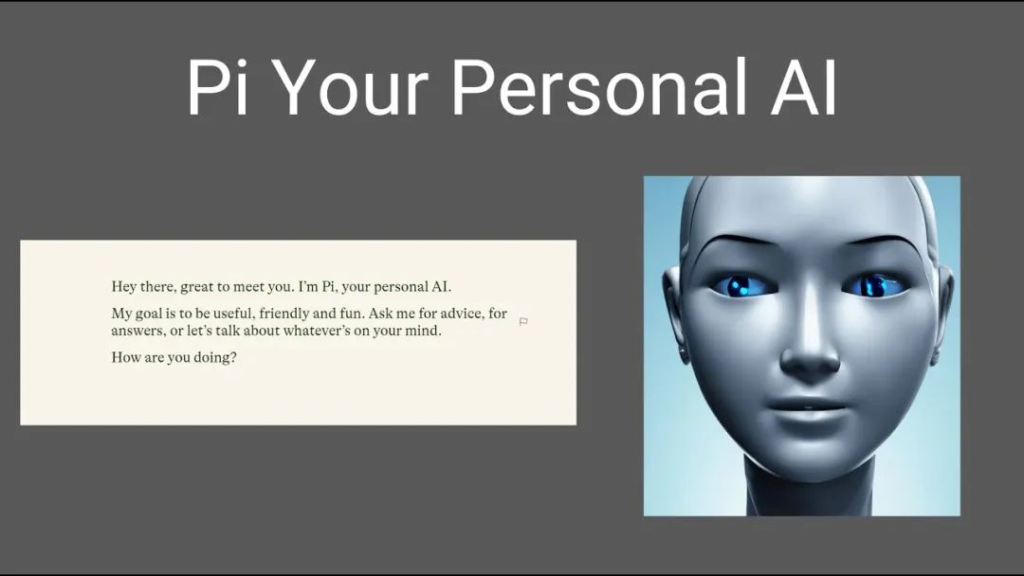
比尔·盖茨在旧金山的一次活动上提到了Inflection AI,称“数字代理背后的AI赢家可能来自大科技公司或初创公司,这是一个50-50的概率”,并表示对Inflection等几家初创公司印象深刻。
此时,Inflection AI刚刚推出名为“Pi”的产品,代表“个人智能”,旨在表现得更个性化、口语化,比OpenAI的GPT-4、微软的Bing或谷歌的Bard更具亲和力,同时又不显得过于诡异。 CXO UNION-CXO联盟(cxounion.cn)
尽管像Pi这样的聊天机器人离比尔·盖茨所想象的个人AI代理还有很长的路要走,而且他计划在这一领域进行哪些其他投资并不清楚,但显然,他希望能够尽早参与到AI代理的领域。实际上,比尔·盖茨在博文中提到,他已经“思考代理近30年了,并在1995年的《未来之路》一书中写到过它们,但由于AI的进步,它们直到最近才变得实际可行”。
他补充说:“代理不仅将改变每个人与计算机互动的方式。它们还将颠覆软件行业,带来自从我们从键盘输入命令到点击图标以来的计算机领域最大的革命。”
盖茨还讨论了代理的技术挑战以及隐私问题。但他表示:“代理即将到来。在接下来的几年里,它们将彻底改变我们的生活,无论是在线还是线下。”
以下是盖茨先生的博客原文:
一、AI即将彻底改变你使用计算机的方式
时至今日,我仍然像微软刚创立时那样热爱软件。但尽管几十年来软件已经取得了很大改进,在许多方面它仍然相当愚蠢。 CXO UNION-CXO联盟(cxounion.cn)
要在电脑上完成任何任务,你都必须告诉设备使用哪个应用程序。你可以用Word和谷歌文档来起草商业提案,但它们无法帮助你发送邮件、分享自拍、分析数据、计划派对或购买电影票。即使是最好的网站,也只对你的工作、个人生活、兴趣和关系有不完整的理解,并且能力有限,无法像亲密的朋友或私人助理那样为你做事。
在未来五年内,这种情况将发生彻底改变。你不必再为不同的任务使用不同的应用程序。你只需要用日常语言告诉你的设备你想要做什么。根据你选择与它共享的信息量,软件将能够给出个性化的回应,因为它对你的生活有着深入的理解。在不久的将来,任何上网的人都能拥有一个由人工智能驱动的个人助理,其功能将远超今天的技术。
这种对自然语言做出反应、根据对用户的了解完成多种不同任务的软件,称为代理。我思考AI代理已经近30年,并在1995年的《通往未来之路》一书中写道,但由于AI的进步,它们直到最近才变得实用。
代理不仅将改变每个人与计算机交互的方式,还将颠覆软件行业,引发自我们从敲打命令转向点击图标以来计算机领域最大的革命。
二、每个人的个人助理
一些评论者指出,软件公司以前就提供过这种东西,用户并不完全接受。(人们还在开玩笑说Clippy,我们在Office中内置、后来移除的数字助手。)为何人们会使用代理呢?
答案是它们将大大优于过去。你将能够与它们进行细微的对话。它们会更加个性化,不会仅限于相对简单的任务,如写一封信件。Clippy与代理的共通点就像旋转电话与移动设备一样。
如果你愿意,代理将能帮助你完成所有活动。如果允许它跟踪你的在线交互和真实世界位置,它将对你参与的人、地点和活动形成强大的理解。它将了解你的个人和工作关系、爱好、偏好和时间表。你可以选择它在什么时候以及如何帮助你做某事或要求你做出决定。 CXO UNION-CXO联盟(cxounion.cn)
要看到代理将带来的剧烈变化,我们来比较一下它们与当今可用的AI工具。大多数这些工具都是机器人。它们仅限于一个应用程序,通常仅在你写下特定单词或请求帮助时才会介入。因为它们不记住你每次的使用方式,所以它们不会变得更好,也不会学习你的任何偏好。Clippy是一个机器人,而不是代理。
代理更智能。它们是主动的——能在你请求之前提出建议。它们可以跨应用程序完成任务。随着时间的推移,它们会变得更好,因为它们会记住你的活动,并在你的行为中识别意图和模式。根据这些信息,它们会提供你认为需要的东西,尽管你始终做出最终决定。
假设你想计划一次旅行。旅游机器人将识别符合你预算的酒店。代理将知道你要旅行的时间,并根据它对你是否总是尝试新目的地还是喜欢重复返回同一地点的了解,它将能够建议地点。当被询问时,它将根据你的兴趣和冒险倾向推荐要做的事情,并预订你会喜欢的餐厅。如果你今天想要这种深度个性化的计划,你需要支付旅行代理人的费用,并花时间告诉他们你想要什么。
AI代理最激动人心的影响是它们将为大多数人民主化当今过于昂贵的服务。它们在四个领域将产生特别大的影响:医疗保健、教育、生产力和娱乐与购物。
三、医疗保健
如今,AI在医疗保健中的主要作用是帮助完成行政任务。例如,Abridge、Nuance DAX和Nabla Copilot可以在就诊期间录音,然后为医生写摘要进行审查。 CXO UNION-CXO联盟(cxounion.cn)
真正的转变将发生在代理可以帮助患者进行基本的分类,就如何处理健康问题提供建议,并决定是否需要求诊时。这些代理还将帮助医护人员做出决定并提高工作效率。(例如,Glass Health应用可以分析患者摘要,并为医生考虑的诊断提供建议。)帮助患者和医护人员对那些从未看过医生的贫困国家尤其有益。
由于事关生死,这些临床医生代理要慢一些推出。人们需要看到证据表明,健康代理总体上是有益的,即使它们不会完美无缺并会出错。当然,人类也会出错,完全得不到医疗照顾也是一个问题。
美国有一半需要心理健康照顾的军人得不到照顾。
心理健康护理是代理将使几乎所有人都能使用的另一项服务。如今,每周一次的治疗看起来像奢侈品。但还存在很大的未满足需求,许多可以从治疗中受益的人无法获得治疗。例如,兰德公司发现,一半需要心理健康照顾的美国军人得不到照顾。
训练有素的心理健康AI代理将使治疗更加负担得起,更容易获得。Wysa和Youper就是这里的两个早期聊天机器人。但代理将走得更深入。如果你选择与心理健康代理分享足够的信息,它将理解你的生活历史和你的关系。它随时为你提供帮助,永远不会不耐烦。如果你允许的话,它甚至可以通过你的智能手表监测你的身体反应,比如当你谈到和老板的问题时心跳加速,然后建议你何时应该看人类治疗师。
四、教育
几十年来,我一直对软件将使教师的工作更轻松,帮助学生学习的所有方式感到兴奋。它不会取代教师,但会补充他们的工作,为学生提供个性化的学习材料,并让教师免于文书工作和其他任务,以便他们可以花更多时间在最重要的工作上。这些变化终于以戏剧性的方式开始发生。 CXO UNION-CXO联盟(cxounion.cn)
当前的顶尖技术是可汗学院开发的基于文本的机器人Khanmigo。它可以辅导学生数学、科学和人文学科,例如,它可以解释二次函数公式并创建数学问题进行练习。它还可以帮助教师完成制定课程计划等事项。我长期以来一直是Sal Khan的粉丝和支持者,最近在我的播客节目中采访了他,讨论教育和AI。
但基于文本的机器人只是第一波,代理将开辟更多的学习机会。
例如,很少有家庭负担得起一对一聘请导师来补充学生的课堂学习。如果代理可以捕捉到导师的有效因素,它们将为每一个想要的学生解锁这种补充指导。如果一个辅导代理知道一个孩子喜欢Minecraft和Taylor Swift,它会用Minecraft来教他们计算形状的体积和面积,用Taylor的歌词教他们讲故事和押韵格式。与今天的基于文本的导师相比,体验将更丰富,比如具有图形和声音等。
五、生产力
这个领域已经存在很大竞争。微软正在将其Copilot整合到Word、Excel、Outlook和其他服务中。谷歌也在产品工具中做类似的事情,比如Assistant with Bard。这些Copilot可以做很多事情,比如把书面文档转化为幻灯片,用自然语言回答有关电子表格的问题,并从每个人的观点总结邮件线程。
代理将做得更多。拥有一个代理就像有一个专门帮助你完成各种任务的人,如果你愿意,它可以独立完成这些任务。如果你有一个商业创意,代理将帮助你写商业计划、为其创建演示文稿,甚至生成你的产品外观的图像。公司将能够将代理提供给员工直接咨询,并成为每个会议的一部分,以便它们可以回答问题。
无论你是否在办公室工作,你的代理都能像当今高管的私人助理那样帮助你。如果你的朋友刚做完手术,你的代理会主动提出发送花束,并能帮你订购。如果你告诉它你想和你的大学室友联系,它会与对方的代理配合,找到时间聚会,就在你到达之前,它会提醒你他们的大孩子刚进入当地大学。 CXO UNION-CXO联盟(cxounion.cn)
六、娱乐与购物
AI已经可以帮助你挑选新电视,推荐电影、书籍、节目和播客。类似地,我投资的一家公司最近推出了Pix,你可以提出问题(“我会喜欢哪些罗伯特·雷德福德的电影,在哪里可以观看?”),然后根据你过去喜欢的内容提出建议。Spotify有一个由AI驱动的DJ,不仅会根据你的喜好播放歌曲,还会跟你说话,甚至可以叫出你的名字。
代理不会简单做出建议;它们会帮你采取行动。如果你想买个相机,你的代理会帮你阅读所有评论,为你总结,给出建议,然后在你做出决定后帮你下单。如果你告诉你的代理你想看《星球大战》,它会知道你是否订阅了正确的流媒体服务,如果没有,它会主动为你注册。如果你不知道自己想看什么,它会给出定制建议,然后搞定你选择的电影或节目的播放。
你还可以获得针对你兴趣定制的新闻和娱乐。CurioAI最近推出的关于你要求的任何主题的定制播客就是未来方向的一个预演。 CXO UNION-CXO联盟(cxounion.cn)
七、技术行业的冲击波
简而言之,代理将能够帮助几乎所有活动和生活的各个领域。对软件业和社会的影响将是深远的。
在计算机行业,我们讨论平台,应用程序和服务建立在其上的技术。Android、iOS和Windows都是平台。代理将是下一个平台。
要创建新的应用程序或服务,你不需要知道如何编写代码或进行图形设计。你只需告诉你的代理你想要什么。它将能够编写代码、设计应用程序的外观和感觉、创建logo,并将应用程序发布到在线商店。OpenAI本周推出的GPTs提供了未来非开发者也可以轻松创建和共享自己的助理的预演。
代理将影响我们使用软件的方式以及编写方式。它们将取代搜索网站,因为它们在找到信息和为你总结方面更出色。它们将取代许多电商网站,因为它们会为你找到最佳价格,不会仅限于几家供应商。它们将取代文字处理器、电子表格和其他生产力应用。如今作为独立业务的搜索广告、社交网络广告、购物、生产力软件,都将成为一项业务。
我不认为任何一家公司将主导代理业务,将有许多不同的AI引擎可用。如今,代理嵌入到文字处理器和电子表格等其他软件中,但最终它们将独立运行。尽管一些代理可以免费使用(由广告支持),但我认为你会为大多数代理支付费用,这意味着公司会有动力让代理代表你而不是广告商工作。从今年刚刚开始研发AI的公司数量可以看出,竞争将异常激烈,这将使代理的价格非常低廉。
但是在我描述的复杂代理成为现实之前,我们需要面对关于这项技术及其使用方式的许多问题。我以前写过AI带来的问题,所以在这里我将具体关注代理。 CXO UNION-CXO联盟(cxounion.cn)
八、技术挑战
还没有人弄明白代理的数据结构会是什么样子。要创建个性化代理,我们需要一种新型数据库,可以捕获你的所有兴趣和关系的细微差别并快速检索这些信息,同时保护你的隐私。我们已经看到了储存由机器学习模型生成的数据的新方法,比如向量数据库,这可能更适合存储代理数据。
另一个开放性问题是人们将与多少个代理互动。你的个人代理是否与你的治疗师代理和数学导师代理分开?如果是这样,你希望它们何时协同工作,何时应该各司其职?
你将如何与你的代理互动?公司正在探索各种选择,包括应用程序、眼镜、吊坠、胸针甚至全息图像。所有这些都有可能,但我认为人机交互的第一个重大突破将是耳机。如果你的代理需要与你联系,他们会与你通话或显示在你的手机上。(“你的航班延误了。你想等吗?或者我可以帮你重新预订吗?”)如果你愿意,它会监控进入你耳朵的声音,并通过阻挡背景噪音、放大难以听到的语音来增强声音,或者更容易理解口音很重的人说话。
还有其他挑战。目前还没有一个标准协议允许代理相互交谈。成本需要降低,以便每个人都能负担得起代理。需要更容易地向客服人员提示,以便为你1提供正确的答案。我们需要防止幻觉,特别是在健康等准确性非常重要的领域,并确保代理人不会因为偏见而伤害人们。我们不希望特工做他们不应该做的事情。(尽管我担心的不是流氓Agent,而是人类罪犯利用其来达到恶意目的。)
九、隐私和其他重大问题
当所有这些结合在一起时,在线隐私和安全问题将变得比现在更加紧迫。你将希望能够决定代理可以访问哪些信息,以便你确信您的数据仅与您选择的人员和公司共享。 CXO UNION-CXO联盟(cxounion.cn)
但是谁拥有你与代理共享的数据,以及如何确保这些数据得到适当使用?没有人愿意开始收到与他们告诉治疗师代理人的事情相关的广告。执法部门可以使用你的代理人作为对你不利的证据吗?你的代理什么时候会拒绝做可能对你或其他人有害的事情?谁选择代理中内置的价值观?
其中许多问题已经成为科技行业和立法者最关心的问题。最近,我与其他技术领袖一起参加了由参议员查克·舒默 (Chuck Schumer) 组织、许多美国参议员参加的人工智能论坛。我们分享了有关这些问题和其他问题的想法,并讨论了立法者采取强有力立法的必要性。
但其他问题不会由公司和政府决定。例如,代理可能会影响我们与朋友和家人互动的方式。今天,你可以通过记住某人的生活细节(例如他们的生日)来向他们表明你关心他们。但是,当他们知道你的Agents可能提醒过你这件事并负责送花时,这对他们来说还有意义吗?
在遥远的未来,Agents甚至可能迫使人类面对关于目的的深刻问题。想象一下,代理变得如此优秀,以至于每个人都可以享受高质量的生活,而无需付出同样多的工作。在这样的未来,人们会用时间做什么?当代理拥有所有答案时,还会有人想接受教育吗?当大多数人都有大量空闲时间时,你能拥有一个安全、繁荣的社会吗?
但我们距离那个目标还有很长的路要走。与此同时,AI代理也来了。在接下来的几年里,它们将彻底改变我们的生活方式,无论是线上还是线下。 CXO UNION-CXO联盟(cxounion.cn)

翻译:
Bill Gates: Toward the next Internet
Bill Gates said that AI agents will be a “shock wave” of technology and society, and individuals will start investing heavily towards the next Internet
Not long ago, Bill Gates sent a long article to interpret the future of AI Agents, saying that AI agents will be the next platform; Artificial intelligence is poised to revolutionize the way you use computers and upend the software industry, bringing about the biggest revolution in computing since we went from typing commands on keyboards to clicking ICONS.
Bill Gates has published a blog post saying that personal AI agents will revolutionize the way people use computers. The comments come just days after OpenAI announced baby steps for its “Assistants API.” Gates said personal AI agents will send a “shock wave” through the tech industry and society.
Bill Gates wrote in a blog post: “In the near future, anyone with an Internet connection will be able to have a personal assistant powered by artificial intelligence, far beyond today’s technology. These agents will be able to help with almost any activity and area of life. The impact on the software industry and society will be profound.”
Not mentioned in the blog post is that Bill Gates has invested a lot of money in personal AI. At an event on AI with Goldman Sachs and SV Angel in May, Bill Gates said that the first company to develop personal agents that disrupt SEO will have an edge over the competition.
“Who wins personal representation, that’s the big thing, because you’re never going to go to a search site again, you’re never going to go to a productivity site again, you’re never going to go to Amazon again.” ‘he said. CXO UNION-CXO联盟(cxounion.cn)
In June, Bill Gates joined Nvidia, Microsoft, Reid Hoffman, and Eric Schmidt in investing in Inflection AI, which closed a whopping $1.3 billion in funding.
Bill Gates mentioned Inflection AI at an event in San Francisco, saying “it’s a 50-50 probability that the AI winner behind the digital agency could come from a big tech company or a startup,” and said he was impressed with several startups like Inflection.
At this point, Inflection AI has just launched a product called “Pi,” which stands for “Personal intelligence,” and aims to be more personal, colloquial, and approachable than OpenAI’s GPT-4, Microsoft’s Bing, or Google’s Bard, without being too creepy.
While chatbots like Pi are a long way from the personal AI agent Bill Gates imagines, and it’s unclear what other investments he plans to make in this space, it’s clear that he wants to get involved in the AI agent space sooner rather than later. In fact, Bill Gates mentions in his blog post that he has been “thinking about agents for nearly 30 years and wrote about them in his 1995 book The Way Forward, but they have only recently become practical due to advances in AI.”
He added: “Agents will not only change the way everyone interacts with computers. They will also upend the software industry, bringing about the biggest revolution in computing since we went from typing commands on a keyboard to clicking ICONS.” CXO UNION-CXO联盟(cxounion.cn)
Gates also discussed the technical challenges of agents, as well as privacy concerns. But he said: “Agency is coming. In the next few years, they will revolutionize our lives, both online and offline.”
Here is the original blog post from Mr. Gates:
AI is about to revolutionize the way you use computers
I still love software today as much as I did when Microsoft was founded. But while software has improved a lot over the decades, in many ways it’s still pretty dumb.
To complete any task on your computer, you have to tell the device which app to use. You can use Word and Google Docs to draft a business proposal, but they can’t help you send an email, share a selfie, analyze data, plan a party, or buy movie tickets. Even the best sites have only an incomplete understanding of your work, personal life, interests, and relationships, and are limited in their ability to do things for you like a close friend or personal assistant.
In the next five years, that will change radically. You no longer have to use different apps for different tasks. You just need to tell your device in everyday language what you want to do. Depending on the amount of information you choose to share with it, the software will be able to give personalized responses because it has a deep understanding of your life. In the near future, anyone with an Internet connection will be able to have an AI-powered personal assistant that will be far more capable than today’s technology. CXO UNION-CXO联盟(cxounion.cn)
Software that responds to natural language and performs many different tasks based on what it knows about the user is called an agent. I’ve been thinking about AI agents for nearly 30 years, and wrote about them in my 1995 book The Road to the Future, but they’ve only recently become practical because of advances in AI.
Agents will not only change the way everyone interacts with computers, they will also upend the software industry, triggering the biggest revolution in computing since we moved from tapping commands to clicking ICONS.
Everyone’s personal assistant
Some commenters point out that software companies have offered this kind of thing before, and users haven’t fully embraced it. (People still joke about Clippy, the digital assistant we built into Office and later removed.) Why do people use agents?
The answer is that they will be much better than in the past. You will be able to have subtle conversations with them. They will be more personalized and will not be limited to relatively simple tasks, such as writing a letter. Clippy has as much in common with proxies as a rotary phone does with a mobile device. CXO UNION-CXO联盟(cxounion.cn)
If you wish, the agent will be able to help you with all your activities. If it is allowed to track your online interactions and real-world locations, it will develop a powerful understanding of the people, places and activities you engage with. It will learn about your personal and work relationships, hobbies, preferences and schedules. You can choose when and how it helps you do something or asks you to make a decision.
To see the drastic changes agents will bring, let’s compare them to the AI tools available today. Most of these tools are robots. They are limited to one app and usually only step in when you write down a specific word or ask for help. Because they don’t remember how you use them every time, they don’t get better or learn any of your preferences. Clippy is a robot, not an agent.
Agents are smarter. They are proactive — able to make suggestions before you ask for them. They can accomplish tasks across applications. Over time, they get better because they remember your activities and recognize intentions and patterns in your behavior. Based on this information, they will provide what you think you need, although you always make the final decision.
Let’s say you want to plan a trip. Travel robots will identify hotels that fit your budget. The agent will know how long you are going to travel, and based on its knowledge of whether you always try new destinations or prefer to return to the same spot repeatedly, it will be able to suggest locations. When asked, it will recommend things to do based on your interests and adventurous tendencies, and book restaurants you’ll like. If you want this deeply personalized plan today, you need to pay a travel agent and take the time to tell them what you want. CXO UNION-CXO联盟(cxounion.cn)
The most exciting impact of AI agents is that they will democratize today’s overly expensive services for most people. They will have a particularly large impact in four areas: healthcare, education, productivity, and entertainment and shopping.
Health care
Today, AI’s primary role in healthcare is to help with administrative tasks. For example,Abridge, Nuance DAX, and Nabla Copilot can record during a visit and then write a summary for the doctor to review.
The real transformation will happen when agents can help patients make basic triage, give advice on how to deal with health issues, and decide whether to seek medical attention. These agents will also help health care workers make decisions and be more productive. (The Glass Health app, for example, can analyze patient summaries and make recommendations for diagnoses that doctors are considering.) Helping patients and health care workers can be especially beneficial in poor countries that have never seen a doctor. CXO UNION-CXO联盟(cxounion.cn)
Because it’s a matter of life and death, these clinician proxies are slower to roll out. People need to see evidence that health proxies are generally beneficial, even if they won’t be perfect and make mistakes. Of course, humans make mistakes, too, and total lack of medical care is a problem.
Half of the troops in the United States who need mental health care don’t get it.
Mental health care is another service that agents will make available to almost everyone. These days, a weekly treatment seems like a luxury. But there is a large unmet need, and many people who could benefit from treatment do not have access to it. For example, the RAND Corporation found that half of U.S. service members who need mental health care don’t get it.
Trained mental health AI agents will make treatment more affordable and accessible. Wysa and Youper are two of the early chatbots here. But agents will go further. If you choose to share enough information with a mental health agent, it will understand your life history and your relationship. It is always there for you and never impatient. If you let it, it can even monitor your physical reactions via your smartwatch, such as a racing heart when you talk about a problem with your boss, and then suggest when you should see a human therapist. CXO UNION-CXO联盟(cxounion.cn)
Education
For decades, I’ve been excited about all the ways software will make teachers’ jobs easier and help students learn. It won’t replace teachers, but it will complement their work, provide students with personalized learning materials, and free teachers from paperwork and other tasks so they can spend more time on their most important work. These changes are finally starting to happen in dramatic ways.
The current top technology is Khanmigo, a text-based robot developed by Khan Academy. It can tutor students in math, science, and humanities, for example, it can explain quadratic function formulas and create math problems for practice. It can also help teachers with things like making lesson plans. I’ve long been a fan and supporter of Sal Khan and recently interviewed him on my podcast to discuss education and AI.
But text-based bots are just the first wave, and agents will open up many more learning opportunities.
For example, few families can afford to hire tutors one-on-one to supplement their students’ classroom learning. If agents can capture the effective elements of the tutor, they will unlock this supplemental guidance for every student who wants it. If a tutoring agent knows that a child likes Minecraft and Taylor Swift, it will use Minecraft to teach them to calculate the volume and area of shapes, and Taylor’s lyrics to teach them storytelling and rhyming formats. Compared to today’s text-based tutors, the experience will be richer, with graphics and sound, for example.
Productivity
There is already a lot of competition in this area. Microsoft is integrating its Copilot into Word, Excel, Outlook and other services. Google is also doing something similar in product tools, like Assistant with Bard. These Copilot can do a lot of things, like turn written documents into slideshows, answer questions about spreadsheets in natural language, and summarize mail threads from everyone’s point of view. CXO UNION-CXO联盟(cxounion.cn)
Agents will do more. Having an agent is like having a person who specializes in helping you with various tasks and can do them independently if you want. If you have a business idea, an agent will help you write a business plan, create a presentation for it, and even generate images of what your product will look like. Companies will be able to make agents available to employees for direct consultation and be part of every meeting so they can answer questions.
Whether you work in an office or not, your agent can help you in the same way that an executive’s personal assistant does today. If your friend has just had surgery, your agent will offer to send the bouquet and will be able to order it for you. If you tell it you want to get in touch with your college roommate, it will work with the other person’s agent to find time to get together, and just before you arrive, it will alert you that their older kids have just entered the local college.
Entertainment and shopping
AI can already help you pick new TVS and recommend movies, books, shows, and podcasts. Similarly, a company I’ve invested in recently launched Pix, where you can ask questions (” Which Robert Redford movies would I enjoy, and where can I watch them? “). ) and then make suggestions based on what you’ve liked in the past. Spotify has an AI-powered DJ that will not only play songs to your liking, but will also talk to you and even call you by name.
Agents don’t simply make recommendations; They will help you take action. If you want to buy a camera, your agent will read all the reviews for you, summarize them for you, make recommendations, and then place the order for you once you’ve made your decision. If you tell your agent you want to watch Star Wars, it will know if you subscribe to the right streaming service, and if not, it will proactively sign you up. If you don’t know what you want to watch, it will make customized suggestions and then handle the playback of your chosen movie or show. CXO UNION-CXO联盟(cxounion.cn)
You can also get news and entertainment tailored to your interests. CurioAI’s recently launched custom podcasts on any topic you ask for are a preview of what’s to come.
Shock Waves in the technology industry
In short, agents will be able to help with almost every activity and every area of life. The impact on the software industry and society will be profound.
In the computer industry, we discuss the technology on which platforms, applications, and services are built. Android, iOS and Windows are all platforms. Agents will be the next platform.
To create a new application or service, you don’t need to know how to write code or do graphic design. You just tell your agent what you want. It will be able to write code, design the look and feel of the app, create a logo, and publish the app to an online store. GPTs, which OpenAI launched this week, offers a preview of a future where non-developers can easily create and share their own assistants.
Agents will influence how we use software and how we write it. They will replace search sites because they are better at finding information and summarizing it for you. They will replace many e-commerce sites because they will find the best price for you and won’t be limited to just a few providers. They will replace word processors, spreadsheets, and other productivity applications. Search advertising, social networking advertising, shopping, productivity software, which are now separate businesses, will all become a business. CXO UNION-CXO联盟(cxounion.cn)
I don’t think any one company will dominate the agency business, there will be many different AI engines available. Today, agents are embedded in other software such as word processors and spreadsheets, but eventually they will operate independently. Although some agencies are free to use (supported by advertising), I think you’ll be paying for most of them, which means companies will have an incentive to have the agency work on your behalf instead of the advertiser. As can be seen from the number of companies that have just started to develop AI this year, the competition will be extremely fierce, which will make the price of agents very low.
But before the complex proxies I’ve described become a reality, we need to face many questions about this technology and how it can be used. I’ve written before about the problems AI poses, so here I’ll focus specifically on agents.
Technical challenges
No one has yet figured out what the data structure of the agent will look like. To create personalized agents, we need a new type of database that can capture all the nuances of your interests and relationships and retrieve that information quickly, while protecting your privacy. We’ve seen new ways to store data generated by machine learning models, such as vector databases, which may be better suited to storing proxy data.
Another open question is how many agents people will interact with. Is your personal representation separate from your therapist representation and math tutor representation? If so, when do you want them to work together, and when should they all do their jobs?
How will you interact with your agent? The company is exploring various options, including apps, glasses, pendants, brooches and even holograms. All of these things are possible, but I think the first big breakthrough in human-computer interaction will be headphones. If your agent needs to get in touch with you, they will talk to you or show up on your phone. (” Your flight has been delayed. Do you want to wait? Or can I rebook it for you?” If you want, it monitors the sounds coming into your ear and enhances them by blocking out background noise, amplifying hard-to-hear speech, or making it easier to understand someone with a strong accent. CXO UNION-CXO联盟(cxounion.cn)
There are other challenges. There is currently no standard protocol that allows agents to talk to each other. Costs need to come down so that everyone can afford an agent. It needs to be easier to prompt the customer service staff in order to provide you with the right answer. We need to prevent hallucinations, especially in areas like health where accuracy is very important, and make sure agents don’t harm people because of bias. We don’t want agents doing things they shouldn’t be doing. (Though it’s not rogue agents I worry about, it’s human criminals using it for malicious purposes.)
Privacy and other major issues
When all of this comes together, online privacy and security issues will become even more pressing than they are now. You will want to be able to decide what information agents have access to so that you are confident that your data is only shared with the people and companies you choose.
But who owns the data you share with your agents, and how do you make sure it’s being used appropriately? No one wants to start receiving ads related to what they told the therapist agent. Can law enforcement use your agent as evidence against you? When does your agent refuse to do something that could be harmful to you or someone else? Who chooses the values built into the agent?
Many of these issues have become top concerns for the tech industry and lawmakers. Recently, I joined other tech leaders at an AI forum organized by Senator Chuck Schumer and attended by many U.S. senators. We shared thoughts on these and other issues and discussed the need for lawmakers to adopt strong legislation.
But other issues will not be decided by companies and governments. For example, proxies may influence the way we interact with friends and family. Today, you can show someone that you care by remembering details of their life, such as their birthday. But does it still make sense to them when they know that your Agents may have alerted you about it and are responsible for sending the flowers?
In the distant future, Agents may even force humanity to confront profound questions about purpose. Imagine agents becoming so good that everyone can enjoy a high quality of life without having to put in as much work. What will people do with their time in such a future? Will anyone want to be educated when agents have all the answers? Can you have a safe, prosperous society when most people have plenty of free time? CXO UNION-CXO联盟(cxounion.cn)
But we are a long way from that goal. At the same time, AI agents arrived. In the next few years, they will revolutionize the way we live, both online and offline.
由CXO UNION-CXO联盟(cxounion.cn)转载而成,来源于商闻;编辑/翻译:CXO UNIONCXO联盟小U。
如需加入CXO UNION(CXO联盟)高管社群,请联系社群小伙伴哦~
免责声明: 本网站(http://www.cxounion.cn/)内容主要来自原创、合作媒体供稿和第三方投稿,凡在本网站出现的信息,均仅供参考。本网站将尽力确保所提供信息的准确性及可靠性,但不保证有关资料的准确性及可靠性,读者在使用前请进一步核实,并对任何自主决定的行为负责。本网站对有关资料所引致的错误、不确或遗漏,概不负任何法律责任。
本网站刊载的所有内容(包括但不仅限文字、图片、LOGO、音频、视频、软件、程序等) 版权归原作者所有。任何单位或个人认为本网站中的内容可能涉嫌侵犯其知识产权或存在不实内容时,请及时通知本站,予以删除。
如需加入CXO UNION(CXO联盟)高管社群,请联系社群小伙伴哦~

免责声明: 本网站(http://www.cxounion.cn/)内容主要来自原创、合作媒体供稿和第三方投稿,凡在本网站出现的信息,均仅供参考。本网站将尽力确保所提供信息的准确性及可靠性,但不保证有关资料的准确性及可靠性,读者在使用前请进一步核实,并对任何自主决定的行为负责。本网站对有关资料所引致的错误、不确或遗漏,概不负任何法律责任。
本网站刊载的所有内容(包括但不仅限文字、图片、LOGO、音频、视频、软件、程序等) 版权归原作者所有。任何单位或个人认为本网站中的内容可能涉嫌侵犯其知识产权或存在不实内容时,请及时通知本站,予以删除。
Search
Popular Posts
-

2024数字化灯塔案例评选申报开启!
“2024数字化灯塔案例评选”于3月正式启动,诚挚欢迎业界同仁自荐和推荐,一起推动产业数字化进程,助力赋能企业…
-

2024 X-Award星盘奖申报通道已开启!
X-Award星盘奖是数字化转型服务、IT服务行业重要的商业奖项,旨在表彰行业里提供杰出数字化转型服务与IT服…
-

2024 N-Award星云奖申报通道已开启!
N-Award是数字化转型领域重要的商业奖项,旨在表彰那些以非凡的远见、超群的领导才能和卓越的成就来激励他人的…