房地产进入“后开发时代”。冯仑认为,未来的住宅工业化,可以解决“暴雷”问题。
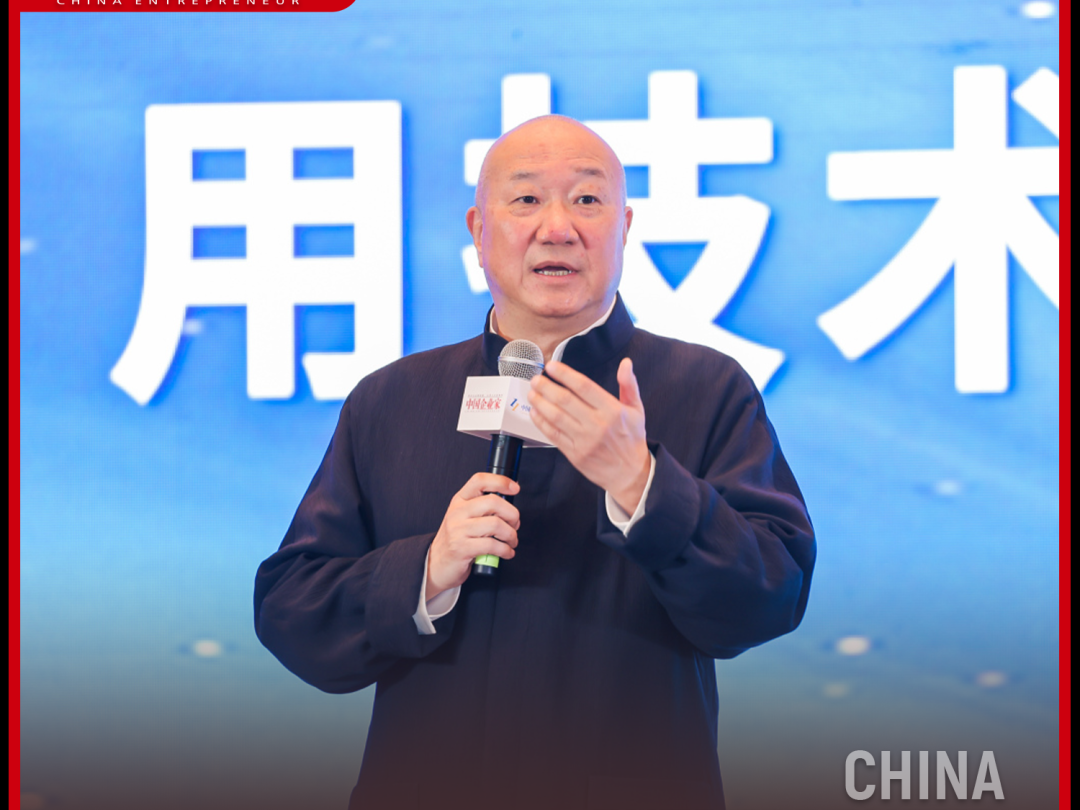
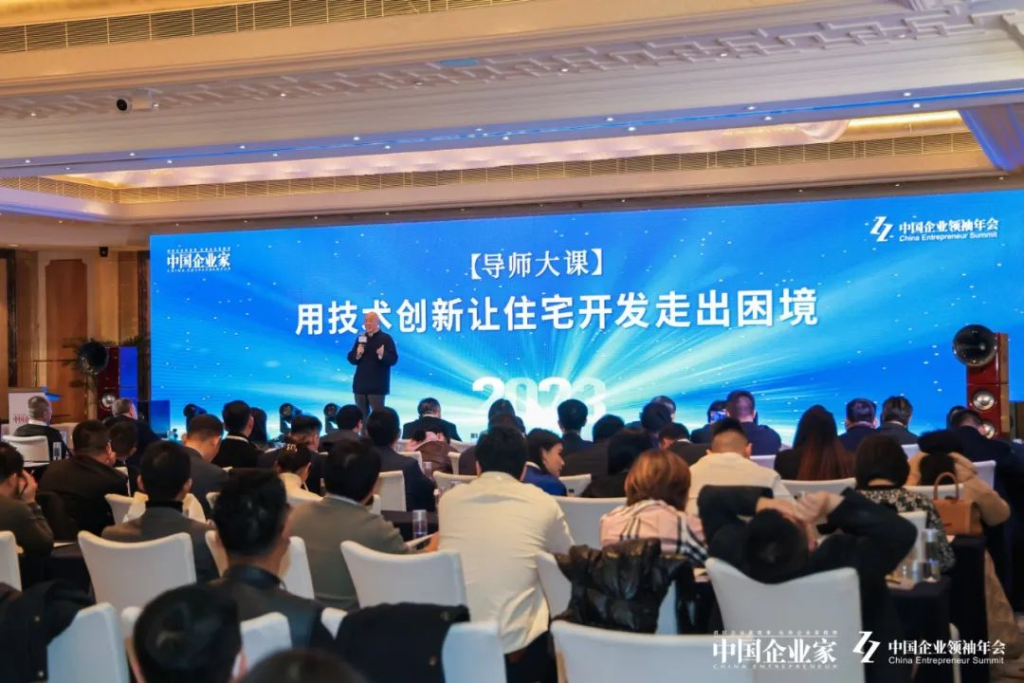
12月9日~10日,御风集团董事长、万通集团创始人冯仑在“第二十一届中国企业领袖年会”的“导师大课”环节,作了《用技术创新让住宅开发走出困境》的主题演讲。
核心要点:
1. 房地产已经由过去的“开发时代”步入“后开发时代”。
2. 未来整体市场都会维持在10万亿以下,其中新房有四五万亿。
3. 区域市场更重要,细分市场要深耕,住宅市场分层要特别注意自己的定位。
4. 未来的房地产行业,住宅工业化可以解决暴雷问题,因为住宅都是成品,不会烂尾。5. 保障房建设变成重中之重。保障房由政府主导,这个大概会上升到60%比例。
以下为冯仑先生现场演讲实录(有删减):
很高兴在这儿来跟大家做分享。房地产行业被大家关注了差不多20年,每天都有很多故事,但最近“雷声滚滚”,大部分地产商压力非常大,有很多“暴雷”情况发生。另外也是“脚步阵阵”,政府出台了非常多的刺激需求、激发供给的政策,所以我们说:雷声滚滚,脚步阵阵。 CXO UNION-CXO联盟(cxounion.cn)
在这个过程中,我作为从业者如何看待?最近我觉得,有四个最重要的变化值得注意。
一、时代变化:住宅进入“后开发时代”
第一,时代发生了变化。房地产已经由过去的“开发时代”步入“后开发时代”。“开发时代”是什么意思?就是说在人均GDP达到1万美元之前,我们处于一个以住宅为核心的高速开发、建设、销售、周转的房地产时代,这个开发时代是经济发展的阶段性产物,而不是说永远。
我经常去美国,我问他们,怎么没有像万科这样的公司?他们说,30年前这样的公司就结束了。二战后有那么一段时间,美欧国家经历了高速建住宅的阶段,大概也就二三十年,但这样的时候,30年前就结束了。
还有一次过去,他们老板用直升飞机带我去看一块地,我看了以后跟他说了我们中国那套干住宅的办法。他说冯先生我完全听不懂,不是说我无知,而是所有人都听不懂。为什么呢?他说这个故事在美国早就没有人讲了。也就是说,在经济发展的一个阶段,住宅是核心产品,而且这样一个高速建设的阶段在我们国家也经历了20多年,到现在,我们也进入到了一个新的房地产叙事阶段。
房地产的故事在发达经济体大概是“1+7”的故事,而在我们人均GDP 1万美金之前,我们就只有一个故事,叫“住宅”。“1+7”的“7”是指“7”个不同的房地产品类,办公写字楼、商业、酒店度假、物流仓储、医疗健康、教育研发,还有政府物业。 CXO UNION-CXO联盟(cxounion.cn)
影响住宅市场发展的因素,除了经济发展水平,还有几个特别重要的因素,促使住宅市场开始进入到减速、减价、减量阶段。第一,现在人口增量放缓叠加老龄化趋势,住宅增量应该减少。第二,经济发展模式由单纯的外延式快速增长、聚焦城市化,走向内涵式的高质量发展,加上有些城市经济产业格局也发生了很多变化,地方经济发展不均,住宅增量也在放缓。
再一个因素,金融和制度变化,对于住宅也产生了非常大的影响。比如我们的税收制度,将来的遗产制度、汇率、银行贷款利息、房住不炒政策等等。房地产进入到后开发时代,“1”放慢了,但是“7”加快了,“7”里面,加快幅度最大的是跟我们有关的两件事情:
第一是物流仓储,这里面有三个产品现在发展最快。分开来看:一是冷链,二是智能仓储,三是数据分析中心。20年前,美国出现了一家特别的地产公司,我们当时都不懂,我老以为它是个互联网公司,最后才知道是个房地产公司。为什么?这个房子里放了一大堆服务器,房子可以收租金,而且电耗非常大,对安全的要求非常高。这种不断收取稳定租金的房子就叫数据中心,回报率特别稳定,这种物业也是物流仓储中非常重要的一种。这就是我们现在说的“新地产”。
第二种是医疗健康。我们公司最近七八年一直围绕医疗健康来做不动产,全世界现在发展最快的,也是和身体健康有关的空间。除了医院,我们还有很多与健康相关的空间需求。全球最大的一个空间,聚集了最多的医美机构,在韩国首尔江南区,一个20万平米的房子里全是做脸、做指甲的。
此外,我们还有康复领域布局。我们每天跑步、健身、练瑜伽,都跟健康有关,而这些东西需要非常多的物业支持,这种物业就变成了跟大健康有关的不动产。我们这几年做了很多这样的产品,比如产业园区、医疗MALL、疗愈酒店、健康公寓等。 CXO UNION-CXO联盟(cxounion.cn)
所以我们讲,“7”很重要,这就是新地产,主要方向是医疗健康和物流仓储。我们进入到一个新的时代,房地产由单一的住宅开发进入到全面的“1+7”业态发展阶段,我们就叫“后开发时代”。
二、市场变化:区域市场更重要,细分市场要深耕
第二个变化,也是最重要的,就是市场变化。
其一,细分市场变得越来越重要。大家知道,大水漫灌、快速发展时代过去了,细分市场很重要。减量减到多少,原来2019年近16万亿(销售额)规模的房地产市场,新房加旧房,现在我们减到了不到10万亿,几乎减掉一半。未来整体市场都会维持在10万亿以下,其中,新房有四五万亿。
减量以后,怎样做细分?比如说女性的细分市场。我去中国台湾,看到他们就分得很细,叫单身不单居、单身单居。有需要照护的一些老人,有蓝领,有干出租的,有干销售的,有两代居,也有单身就是一个小家庭的。最小的户型,现在能做到17平米,这都是细分市场。
其二,区域市场。现在来看,区域市场和全国市场的差异越来越清晰。过去,大的住宅公司是全国一个样,一张图纸全国干,现在是深耕区域市场,发达地区、人口聚集的地区、开放度更高的地区,住宅的增长更大。相反,欠发达地区、封闭地区、产业下行地区,市场收缩得厉害,所以市场就没法做。所以现在,住宅开发量大的公司一律收缩战线,不发达地区的供应量非常少。
其三,市场分层。比如我们现在说的,保障房就是保障房,商品房就是商品房。我国保障房(比例)现在不到30%,未来有建议发展到60%,保障房就是经济适用房、廉租房和中低收入水平的人群居住的房子。保障房和豪宅是两个专业,要求也不一样。 CXO UNION-CXO联盟(cxounion.cn)
所以,住宅市场发生的根本变化就是,区域市场更重要,细分市场要深耕,市场分层要特别注意你自己的定位,要在分层市场去做。
三、科技变化:工厂化流水线就是快
第三个变化,科技发展水平会对住宅产生根本变化。
近几年,住宅领域科技化的发展水平,已经完全改变了我对传统住宅的看法。举个例子,过去大家对于住宅的传统看法,就是钢筋混凝土、打地基建房,再来销售、装修,流程走下来,两年半到三年。水泥建的房子有使用年限,而且高污染,防震结构也不够弹性。另外,建房电费比较高。
现在我们的住宅科技进步到什么程度?远大科技集团经过14年的研发和投入,现在造房子完全可以媲美造汽车,工业化住宅,就是流水线做出来的房子,一天可以做6万平米,一年200天工作可以做1200万平米,我们过去200万平米大盘大概15~20年才能做完,现在的速度就是这么快。
一个项目从开工到地基,到这个房子做完,工厂化住宅时间花费更短,两个月到三个月就能全部做好。这个房子从流水线下来,再用集装箱拉过来,最后到现场装配,就是两到三个月。而且是精装修,标准比我们自己买的好很多。打个比方,汽车肯定比拖拉机精致,工厂化流水线就是快。
第二,标准高,厨卫配置、空调新风系统比现在高一个等级。另外,价格还便宜,为什么?工厂化做东西越大越便宜。特斯拉到中国,一开始70多万一台,现在多少?20万。最后,运营成本很低,电费只有传统住宅的三分之一规模。
所以科技的进步,加速了住宅产业的变革。对于未来的房地产来说,用工业化的住宅,可以解决暴雷的问题,因为住宅都是成品,不再是一个半成品,也不会烂尾,就是直接拉过来做好的房子。
另外,也不需要高杠杆开发,用金融方式来服务即可。此外,所有的产品也不会变成空置房,假定房子做了10栋,就卖了5栋,剩下5栋卖不动了,那么,再有一个别的项目,就可以把它拆下来,挪过去,再装上,所以,没有空置,也没有积压。这就是科技进步对于行业的影响。 CXO UNION-CXO联盟(cxounion.cn)
未来住宅领域的科技色彩,不光体现在制作,还有交易层面。大家知道,现在买卖房屋,经纪人给你打电话,你觉得他好像是乱打的,其实是精准打的。现在经纪人得到一个准确的电话,大概40块钱到1200块钱。如果我开经纪公司,我得知道谁可能买?我到哪儿找电话?
其实,有这样的数据公司提供这样的电话信息,他们能从海量信息中,找出潜在的买房人。这些背后都是技术,现在人工智能的参与,可以很快筛选出谁要买房,且告诉你,这个房子多少钱?历史上交易多少次?估值多少?这样你就能很快下决定。
科技进步对于住宅行业的品质保障和高效交易,至关重要。
四、体制改变:保障房建设变成重中之重
最后,房地产未来还有一个重要改变,就是体制改变。我做企业30多年了。房地产行业一直在说,我们面临着市场和体制的双重选择。 CXO UNION-CXO联盟(cxounion.cn)
涉及房地产,基本有三种体制一直在变化,一种是完全靠市场解决,一种是靠租赁解决,原则上不发展商品房。还有一种是“新加坡体制”,20%是商品房竞争,市场化发展,剩余80%由政府对接,不进入商品房市场。我国房地产发展20多年,这三种体制都试过,目前还在不断调整。
尽管市场有时会面临一些特别困难的选择,但我们未来也可以看到一些重要变化。比如,政府强调,保障房建设变成重中之重。保障房由政府主导,这个大概会上升到60%比例,还有40%是商品房,交给市场去竞争和决定。这样一种体制改变,对于我们行业的未来发展非常重要。
所以,今天我讲到的四种变化:后开发时代来临、住宅对市场分层、科技进步对住宅的改变,以及未来我国住宅体制的变化,这些内容对我们至关重要。这样的背景下,总体来说,房价进入到稳中有降的时代。如果我们在一个细分市场上,拥有站得住脚的好产品,价格也可能会上升。
这个过程中,也要注意,我国现有法律对于财产权的说法尚不明确,比如,住房我们以前是房屋所有权证、国有土地使用权证,合起来为不动产权证。我们的房子是70年,用了20~30年,后面时间怎么弄?其实没有太多明确收费的约定。所以,这些财产权利未来还有很大的不稳定性。
因此,对于未来的住宅投资,我们要谨慎。因为它的财产权利并不完整。现在的交易过程中,凡是20年以下的物业,比如说办公商业房本一般是40年~50年,现在过了20年就没人买了。将来住宅也可能是这样。假定说这个住宅还有20年(房本到期),价格收多少,不知道,这种情况下怎么投资?所以,未来住宅租赁市场会越来越好,但是投资越来越需要慎重。 CXO UNION-CXO联盟(cxounion.cn)
总之,房地产行业尤其是商业化进程开启以来,有一条准则始终没有变化,就是创造一个固定的人造空间,我们在这个空间里居住、发展。房地产行业将一直存在,所以我们关注这个行业,而且未来,这个行业还会进入可持续发展的阶段,这样房地产就进入了真正的产业化阶段。

翻译:
Feng Lun, chairman of Yufeng Group and founder of Wantong Group: The future residential rental market will get better and better, but the investment tends to be cautious
Real estate has entered the post-development era. Feng Lun believes that the future industrialization of housing can solve the problem of “thunder”.
From December 9 to 10, Feng Lun, chairman of Yufeng Group and founder of Wantong Group, made a keynote speech on “Using technological innovation to get residential development out of the Dilemma” in the “Tutor Class” of the 21st Annual Meeting of Chinese Enterprise Leaders.
Key points:
- Real estate has moved from the past “development era” to the “post-development era”.
- In the future, the overall market will remain below 10 trillion, of which four or five trillion will be new homes.
- The regional market is more important, the market segment should be deeply cultivated, and the stratification of the housing market should pay special attention to its positioning.
- In the future real estate industry, residential industrialization can solve the problem of thunder, because the housing is a finished product and will not rot. 5. The construction of affordable housing has become a top priority. Public housing is dominated by the government, and this will probably rise to 60%. CXO UNION-CXO联盟(cxounion.cn)
The following is the transcript of Mr. Feng Lun’s live speech (with deletion) :
I’m very happy to be here to share with you. The real estate industry has been concerned by everyone for almost 20 years, and there are many stories every day, but recently, “thunder rolling”, most property developers are under great pressure, and many “thunder” situations have occurred. In addition, the government has introduced a lot of policies to stimulate demand and stimulate supply, so we say: thunder rolls, footsteps bursts.
How do I see myself as a practitioner in this process? Recently, I think, there are four most important changes worth noting.
First, changes in The Times: Housing has entered the “post-development era”
First, times have changed. Real estate has moved from the past “development era” to the “post-development era”. What does “development era” mean? That is to say, before per capita GDP reaches $10,000, we are in a real estate era with housing as the core of high-speed development, construction, sales and turnover, and this development era is a phased product of economic development, not forever.
I often go to the United States and I ask them, how come there is no company like Vanke? That ended 30 years ago, they say. After the Second World War, there was a period of rapid housing construction in the United States and European countries, which was only 20 or 30 years ago, but this period ended 30 years ago. CXO UNION-CXO联盟(cxounion.cn)
On another occasion, their boss took me by helicopter to see a piece of land, and after I saw it, I told him about our dry house in China. He said Mr. Feng, I can’t understand him at all, not that I’m ignorant, but that everyone can’t understand him. Why is that? He said it was a story no one told in the United States. In other words, in a stage of economic development, housing is the core product, and such a high-speed construction stage has been experienced in our country for more than 20 years, and now we have entered a new stage of real estate narrative.
The story of real estate in developed economies is probably a “1+7” story, and before our per capita GDP of $10,000, we only have one story, called “housing”. The “7” of “1+7” refers to “7” different real estate categories, including office buildings, commerce, hotels and resorts, logistics and warehousing, medical and health care, education and research and development, and government properties.
Factors affecting the development of the housing market, in addition to the level of economic development, there are several particularly important factors, prompting the housing market to begin to enter the deceleration, price reduction, reduction stage. First, the population growth is slowing down with the aging trend, and the increase of housing should be reduced. Second, the economic development model from the simple extension of rapid growth, focusing on urbanization, to the convolution of high-quality development, coupled with some cities, the economic and industrial pattern has also undergone a lot of changes, local economic development uneven, residential growth is also slowing down.
Another factor, financial and institutional changes, has also had a very big impact on housing. Such as our tax system, future inheritance system, exchange rate, bank loan interest, housing policy and so on. Real estate has entered the post-development era, “1” has slowed down, but “7” has accelerated, “7” inside, the fastest speed is related to us two things:
The first is logistics warehousing, which includes three products that are now growing the fastest. Separately, the first is the cold chain, the second is the intelligent storage, and the third is the data analysis center. Twenty years ago, a special real estate company appeared in the United States. We did not understand it at the time. I always thought it was an Internet company, but finally I realized it was a real estate company. Why? There are a lot of servers in this house, the house can collect rent, and the power consumption is very large, and the security requirements are very high. This kind of stable rent is called the data center, the rate of return is particularly stable, this property is also a very important kind of logistics warehousing. This is what we now call “new property”.
The second is health care. In the past seven or eight years, our company has been focusing on medical health to do real estate, and now the fastest growing space in the world is also related to physical health. Beyond hospitals, we have a lot of health-related space needs. One of the world’s largest space, gathering the most medical beauty institutions, in the Gangnam district of Seoul, South Korea, a 200,000 square meters of house is full of face, nail.
In addition, we have the field of rehabilitation layout. Every day, we run, exercise, and practice yoga, all related to health, and these things need a lot of property support, and this property becomes real estate related to great health. We have made many such products in recent years, such as industrial park, medical MALL, healing hotel, health apartment and so on.
So we say, “7” is very important, this is the new real estate, the main direction is medical health and logistics warehousing. We have entered a new era, real estate from a single residential development into a comprehensive “1+7” business development stage, we call it the “post-development era”.
Second, market changes: the regional market is more important, and the market segment should be deeply cultivated
The second and most important change is market change.
First, market segments are becoming increasingly important. As we all know, the era of flood irrigation and rapid development has passed, and market segmentation is very important. How much is the reduction reduced to, the original real estate market of nearly 16 trillion yuan (sales) in 2019, new homes plus old houses, and now we have reduced to less than 10 trillion, almost half. In the future, the overall market will remain below 10 trillion, of which four or five trillion will be new homes.
After the reduction, how to make subdivision? Take the female segment. I went to Taiwan, China, and saw that they were divided into very fine, called single not only living, single single living. There are some elderly people in need of care, there are blue-collar workers, there are dry renters, there are dry sales, there are two generations, and there are single people who are a small family. The smallest apartment type, now can do 17 square meters, which are market segments.
Second, regional market. Now, the differences between regional and national markets are becoming clearer. In the past, large housing companies were the same throughout the country, a drawing of the whole country, and now it is a deeply cultivated regional market, developed areas, population gathering areas, and areas with higher openness, and the growth of housing is greater. On the contrary, in less developed areas, closed areas, and industrial downturn areas, the market has contracted sharply, so the market cannot do. Therefore, at present, companies with a large amount of residential development are shrinking the front line, and the supply in underdeveloped areas is very small.
Third, market stratification. For example, as we say now, social housing is social housing, and commercial housing is commercial housing. China’s affordable housing (proportion) is now less than 30%, the future is proposed to develop to 60%, affordable housing is affordable housing, low-rent housing and low-income people live in the house. Affordable housing and luxury housing are two major, the requirements are not the same. CXO UNION-CXO联盟(cxounion.cn)
Therefore, the fundamental change in the housing market is that the regional market is more important, the market segment should be deeply ploughed, the market stratification should pay special attention to your own positioning, and it should be done in the stratified market.
Third, scientific and technological changes: factory assembly line is fast
The third change, the level of scientific and technological development will have a fundamental change in housing.
In recent years, the level of technological development in the residential field has completely changed my view of traditional homes. For example, in the past, the traditional view of housing is reinforced concrete, foundation building, and then sales, decoration, the process goes down, two and a half to three years. Cement houses have a lifespan, are highly polluting, and their earthquake-proof structures are inelastic. In addition, the cost of building a house is relatively high.
How far have we come in residential technology? Broad Technology Group after 14 years of research and development and investment, now building houses can be comparable to building cars, industrial housing, is the house made by the assembly line, a day can do 60,000 square meters, 200 days a year can do 12 million square meters, we used to 2 million square meters of the market about 15 to 20 years to finish, the current speed is so fast. CXO UNION-CXO联盟(cxounion.cn)
From the start of a project to the foundation, to the completion of the house, the factory housing time is shorter, two months to three months can be all done. The house comes down from the assembly line, is pulled over by the container, and is finally assembled on site, which is two to three months. And it’s fine, and the standard is much better than what we bought ourselves. For example, a car is definitely more refined than a tractor, and a factory assembly line is faster.
Second, the standard is high, the kitchen and bathroom configuration, air conditioning fresh air system is a higher level than now. Plus, it’s cheap. Why? Factories make things cheaper as they get bigger. Tesla to China, the beginning more than 700,000, now how many? Two hundred thousand. Finally, the operating costs are very low, and the electricity bill is only a third of the scale of a traditional house.
Therefore, the progress of science and technology has accelerated the transformation of the housing industry. For the future of real estate, the use of industrial housing can solve the problem of thunder, because the housing is a finished product, no longer a semi-finished product, will not be rotten, is directly pulled over to do a good house.
In addition, there is no need for high leverage development, and financial services can be used. In addition, all the products will not become empty houses, assuming that the house has 10, it has sold 5, and the remaining 5 can not be sold, then there is another project, it can be torn down, moved over, and then installed, so there is no vacancy and no backlog. This is the impact of technological progress on the industry. CXO UNION-CXO联盟(cxounion.cn)
The technological color of the future housing field is not only reflected in the production, but also at the transaction level. You know, when you buy and sell a house, the agent calls you, and you think he’s calling, but he’s actually calling accurately. Now the broker gets an accurate phone number for about $40 to $1,200. If I run a brokerage, I need to know who might buy it, you know? Where can I find a phone?
In fact, there are such data companies that provide such phone information, and they can sift through the vast amount of information to identify potential home buyers. These are behind the technology, and now the participation of artificial intelligence can quickly screen out who wants to buy a house, and tell you how much the house costs? How many times in history? What’s the valuation? So you can make a quick decision.
Technological advances are essential for quality assurance and efficient transactions in the housing sector.
Fourth, system change: the construction of affordable housing has become a top priority
Finally, there is another important change in the future of real estate, that is, institutional change. I’ve been in business for over 30 years. The real estate industry has been saying that we face a dual choice between the market and the system.
When it comes to real estate, there are basically three systems that have been changing, one is completely solved by the market, the other is solved by leasing, and in principle, commercial housing is not developed. There is also the “Singapore system”, 20% is commercial housing competition, market development, the remaining 80% by the government docking, do not enter the commercial housing market. China’s real estate development more than 20 years, these three systems have tried, is still in constant adjustment. CXO UNION-CXO联盟(cxounion.cn)
Although the market sometimes faces some particularly difficult choices, we can also see some important changes in the future. For example, the government has stressed that the construction of affordable housing has become a top priority. Affordable housing is dominated by the government, which will probably rise to 60%, and 40% is commercial housing, which is left to the market to compete and decide. Such a system change is very important for the future development of our industry.
Therefore, the four changes I have talked about today: the advent of the post-development era, the stratification of housing to the market, the change of scientific and technological progress to housing, and the change of our housing system in the future, these content are very important to us. In this context, on the whole, housing prices have entered an era of stability and decline. If we have a good product that stands up in a market segment, the price may also go up.
In this process, it should also be noted that China’s existing laws on property rights are not clear, for example, housing we used to be a housing ownership certificate, state-owned land use rights certificate, combined for real estate rights certificate. Our house is 70 years old, used 20~30 years, how to do the rest of the time? There aren’t a lot of agreements that specify fees. So, these property rights have a lot of instability in the future.
Therefore, we should be cautious about future residential investment. Because its property rights are incomplete. In the current transaction process, any property that is less than 20 years old, such as office commercial housing, is generally 40 to 50 years, and now no one has bought it after 20 years. The same may be true of housing in the future. Suppose that the house has 20 years (the house capital expires), how much does the price charge, do not know, in this case how to invest? Therefore, the future residential rental market will be better and better, but the investment needs to be more and more careful. CXO UNION-CXO联盟(cxounion.cn)
In short, the real estate industry, especially since the commercialization process began, there is one principle that has not changed, that is, to create a fixed artificial space, in which we live and develop. The real estate industry will always exist, so we are concerned about this industry, and in the future, this industry will enter the stage of sustainable development, so that real estate has entered the real industrialization stage.
由CXO UNION-CXO联盟(cxounion.cn)转载而成,来源于中国企业家杂志;编辑/翻译:CXO UNIONCXO联盟小U。
如需加入CXO UNION(CXO联盟)高管社群,请联系社群小伙伴哦~
免责声明: 本网站(http://www.cxounion.cn/)内容主要来自原创、合作媒体供稿和第三方投稿,凡在本网站出现的信息,均仅供参考。本网站将尽力确保所提供信息的准确性及可靠性,但不保证有关资料的准确性及可靠性,读者在使用前请进一步核实,并对任何自主决定的行为负责。本网站对有关资料所引致的错误、不确或遗漏,概不负任何法律责任。
本网站刊载的所有内容(包括但不仅限文字、图片、LOGO、音频、视频、软件、程序等) 版权归原作者所有。任何单位或个人认为本网站中的内容可能涉嫌侵犯其知识产权或存在不实内容时,请及时通知本站,予以删除。
如需加入CXO UNION(CXO联盟)高管社群,请联系社群小伙伴哦~

免责声明: 本网站(http://www.cxounion.cn/)内容主要来自原创、合作媒体供稿和第三方投稿,凡在本网站出现的信息,均仅供参考。本网站将尽力确保所提供信息的准确性及可靠性,但不保证有关资料的准确性及可靠性,读者在使用前请进一步核实,并对任何自主决定的行为负责。本网站对有关资料所引致的错误、不确或遗漏,概不负任何法律责任。
本网站刊载的所有内容(包括但不仅限文字、图片、LOGO、音频、视频、软件、程序等) 版权归原作者所有。任何单位或个人认为本网站中的内容可能涉嫌侵犯其知识产权或存在不实内容时,请及时通知本站,予以删除。
Search
Popular Posts
-

2024数字化灯塔案例评选申报开启!
“2024数字化灯塔案例评选”于3月正式启动,诚挚欢迎业界同仁自荐和推荐,一起推动产业数字化进程,助力赋能企业…
-

2024 X-Award星盘奖申报通道已开启!
X-Award星盘奖是数字化转型服务、IT服务行业重要的商业奖项,旨在表彰行业里提供杰出数字化转型服务与IT服…
-

2024 N-Award星云奖申报通道已开启!
N-Award是数字化转型领域重要的商业奖项,旨在表彰那些以非凡的远见、超群的领导才能和卓越的成就来激励他人的…