观察了很多中国制造国产替代案例后,我们开始思考一个更为宏大的命题:假设我们从一个几十年的周期来看,国产替代发展的终局形态应该是怎样的?
我认为无非这样几种结局:
(1)国产替代失败,中国技术升级失败,全球主要产业依然被美国等发达国家掌控,中国继续被“卡脖子”,中国掉入中等发达国家陷阱。
(2)中国取代美国成为世界大部分产业规则的制定者,形成事实上的中国标准主导全球。
(3)中国搞中国标准,美国搞美国标准,其他小国家在中美两个体系中选择站队,接入了美国标准,就不再接入中国标准。
(4)中美两国各搞一套产业标准,其他小国家在中美两个体系中自由接入,同时接入美国标准和中国标准,和中美两国同时做生意,中美之间既有竞争又有合作。
而我们认为,第一种和第三种结果,对于中国来说都是非常糟糕的,而要取代美国实现第二种结果,难度则非常大,不仅需要中国付出十二分的努力,还需要美国犯战略性的错误才有可能。其中,第四种结果是中国很有机会努力做到并相对对中国有利的终局。不久前,我们看到富士康创始人郭台铭的一个观点,非常有意思,大概的意思是,未来的世界,会形成中美“双操作系统”格局,像富士康这样的企业,应该同时接入中美两个系统。
一
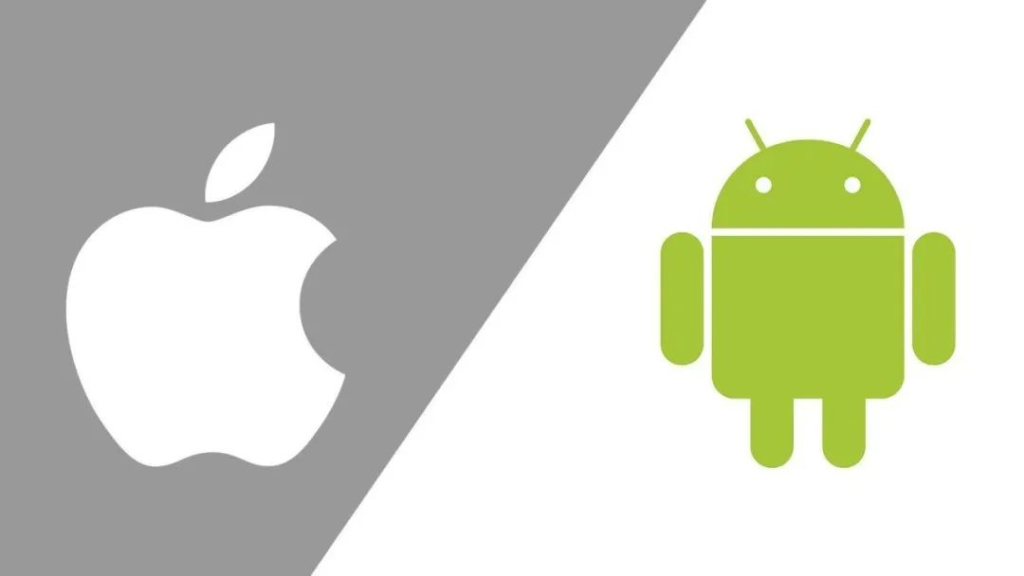
实际上,当今的国际规则,大部分是美国制定的,其他大部分国家和美国之间的关系,类似应用开发者和苹果(或者谷歌安卓系统)之间的关系。当今的国际贸易大部分是采用美元结算的,英语是国际通用语言,互联网、半导体、操作系统等产业标准大都是由美国制定的:美国掌控着世界主流专利体系并且随时可以利用这一体系对其他国家进行技术禁运,美国的媒体主导着全世界的议程设置,好莱坞的大片主导着全世界的文化输出,美国的高校吸引着全世界最优秀的人才…… CXO UNION-CXO联盟(cxounion.cn)
当其他国家和美国发生冲突的时候,你可以理解是平台上的开发者和平台拥有者的冲突。辛巴最多的时候其旗下账号曾经占到整个快手总流水的40%,但是当辛巴和快手关系搞僵的时候,快手开始打压辛巴家族,结果是依赖单一平台的辛巴很难抵御这一打击。类似地,当依赖于美国系统的其他国家要和美国发生冲突的时候,这些国家几乎毫无招架之力。
但是国际手机主流操作系统,有安卓和苹果两大系统并存,安卓相对开放,苹果相对封闭,两大系统互相竞争,其他中小开发者同时接入安卓和苹果两大系统,并且可以迅速在两大系统之间切换。
比如当腾讯开发了一款备受欢迎的新游戏时,哪怕苹果系统应用商店率先将该款游戏上架,它也可以迅速用发达的中间件和服务极快地推出安卓版本,用户可以同时玩苹果版本和安卓版本,其差距极小。
类似的案例还在汽车行业发生,中国内地和美国的汽车方向盘在左边,日本和英国、中国香港的汽车方向盘在右边,同一个厂出的同一款车,比如丰田凯美瑞,只需要在日本出售右方向盘版本,在中国出售左方向盘版本就可以了,两大系统切换很方便。这个思路为我们描绘了将来中国产业界可以为之努力的方向,也就是世界形成中美两大产业标准,互相竞争,但是又不是完全老死不相往来,其他中小国家在中美两大标准之间自由切换,同时接入,两边做生意,两边都不得罪。我认为,这一结果是有机会实现的,且是在中国能够看到的产业出路当中相对对中国最有利的。
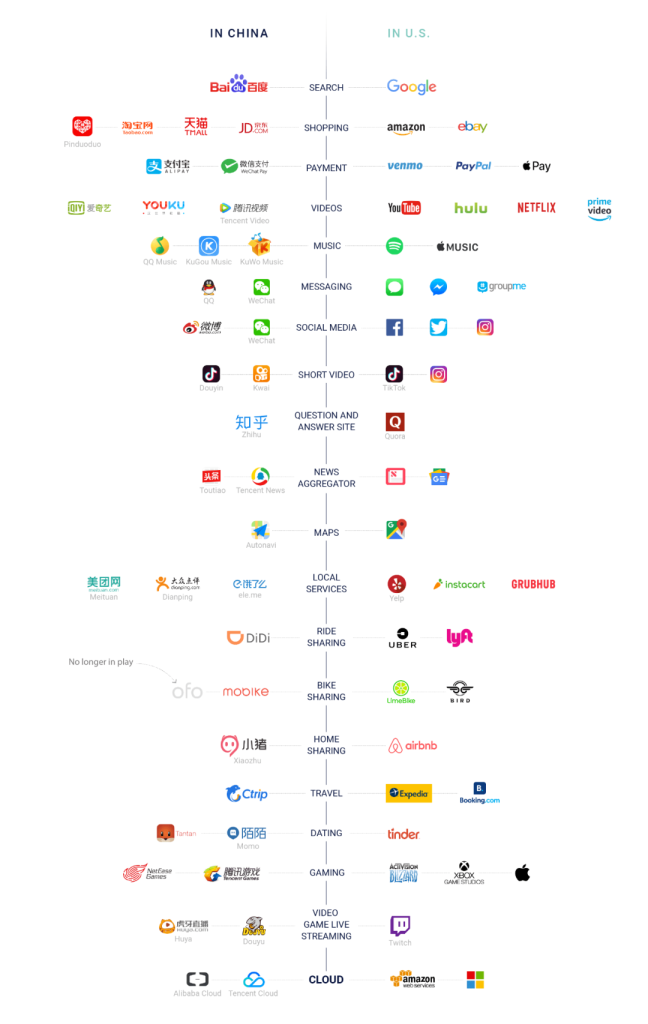
例如,中国的互联网产业,本质上是与美国形成了“双操作系统”模式,美国有Facebook,中国有腾讯,美国有亚马逊,中国有阿里巴巴,美国有谷歌,中国有百度,美国有Uber,中国有滴滴打车……实际上,互联网产业的中美双操作系统模式,就有很特殊的时代背景,首先互联网这个产业太特殊,中国对于外资互联网公司有着很严格的限制,例如Facebook、谷歌在华业务有诸多限制,这给了本土的腾讯、百度等公司巨大的市场空间,经过20年的发展,中国的互联网产业毫无疑问具有了世界级竞争力,在全世界仅次于美国,不仅能够很好地服务本国市场,还在海外取得了一定的成就。
那么,其他产业有没有可能复制互联网走过的“中美双操作系统”模式呢?我认为是很有可能的。例如芯片产业,长期以来,我们的整个产业链都落后于国外厂商,不管是芯片设计,还是光刻机、光刻胶、EDA软件都比国外落后一些,但是这个产业又非常讲究产品迭代,只争朝夕,这使得领先者的地位越发领先,马太效应越来越强,追赶者与领先者的差距越来越大。但是在中美科技战开始后,中国许多产业被迫开始用国产芯片、国产光刻机,这给了许多中国厂商以机会,中国第一次有机会搭建一个相对完整的半导体产业链,并且形成自己的标准。
2021年9月底法国战略研究基金会发布了一篇报告,题目是《增强“软连接”:中国的标准制定改革与国际雄心》,专门分析中国在标准制定问题上的能力和前景。该报告认为,虽然中国已经是全球第一大工业国,但中国在国际标准的制定当中,仍然只是一个新手。报告指出,中国目前只占国际标准的1.8%,而美国、英国、德国、法国和日本占这些标准的90%~95%。 CXO UNION-CXO联盟(cxounion.cn)
另一份国外智库推出的名为《数字丝绸之路和中国对中国标准设置的影响》的报告也指出,中国在5G通信技术、物联网、人工智能、电网等产业上具有国际产业领先地位,但是很多时候并没有转化为中国在国际标准制定上的市场份额。中国可能是全世界对于国际标准最重视,也是最想在国际标准制定上取得突破的国家,这可以从政府部门接二连三推出的关于推动国际标准制定的文件当中看出,例如《国家标准化管理委员会关于印发2021年全国标准化工作要点的通知》《中华人民共和国国务院关于印发深化标准化改革方案的通知》《中华人民共和国标准化法》《标准联通共建“一带一路”行动计划(2018—2020年》等。
未来10年,中国的标准在国际上的接受程度如何,将是评估中国实际产业地位的重要试金石。需要指出的是,中国和美国最终形成“双系统”模式,一定要以在经济领域竞争为主,避免变成美苏冷战那种纯军事对抗,因为军事对抗的结果大概率是双输,而经济的竞争,则有可能是双赢的。例如,中美在互联网产业上的竞争,对于世界就是双赢的结果。
中国企业字节跳动打造的备受欢迎的短视频平台抖音,在国外的版本叫作TikTok,火遍全球,给全世界的消费者带来快乐,而字节跳动本身在融资的时候也有大量美国资本投资。同理,美国的波音和欧洲的空中客车,在民用大飞机领域的良性竞争,形成了事实上的“双系统”结局,也大大造福了全球消费者。在竞争下,两大航空巨头都有危机感,不停升级自己的技术,投入研发,打造越来越好的客机。
从产业层面,未来在互联网、半导体、移动通信、电动汽车、航空航天、工业软件、生物医药、节能环保、重型装备制造、新材料、卫星导航、人工智能、数字货币等领域,都很有可能形成中美“双系统”“双标准”的格局。
在更大的国际关系领域,比如货币、语言、文化、意识形态等领域,要形成中美“双系统”的格局,难度似乎要比产业层面大得多,不过这并不是本书所探讨的重点。我认为,第一步在产业层面,许多主要的产业形成事实上的中美“双系统”,是有较大可能的。 CXO UNION-CXO联盟(cxounion.cn)
二
当今世界,中国是120个国家的第一大贸易伙伴,是另外70多个国家的第二大贸易伙伴。在如此庞大的经贸往来背景下,当世界主要国家都与中国有着事实上的经贸、科技密切往来后,要想完全孤立中国、“卡中国的脖子”,再形成类似20世纪美苏冷战那样的完全对抗和脱钩,就不容易了。美国商会中国中心在一份名为《理解中美脱钩:宏观趋势与工业影响》的报告中对于中美经济脱钩情况下对美国的损失也做了定量估算,其结果同样是非常惊人的。该报告估算,在中美贸易硬脱钩的情况下,美国经济将在10年内损失超过1万亿美元的潜在增长。
在投资方面,截止到2020年6月,美国在中国的直接投资达到2580亿美元,假设算上资本收益、商誉和再投资收益,估算美国在华投资实际价值高达7640亿美元。假设中美完全脱钩,该报告估算美国在中国的直接投资存量将下降一半。
历史上,美国跨国公司在海外每运作1美元资产都会增加美国的GDP总量。该报告指出,假设美国在中国的直接投资下降一半(1240亿美元),则可能使得美国GDP每年减少1/4(5000亿美元)。这两项成本加起来,对美国每年的影响高达5500亿美元。此外,中美双边证券投资存量高达3.9万亿美元(不包括中国持有的美国国债),假设中美资本发生脱钩,美国居民和投资者将不再享受中国市场带来的高额回报,同时美国吸引到的中国证券投资也会大幅减少,这些资本将可能流向其他地区。
该报告列举了美国航空业的例子,假设中美经济发生脱钩,美国向中国出口的飞机在10年内将减少2772亿美元货值,美国航空产业会有16万~22万名员工失业。要知道,航空产业在美国的平均薪资是8.6万美元,远高于美国平均4.9万美元的薪资水平,这是不折不扣的高收入人群。失去中国市场可能使得中国商飞等中国本土航空企业未来变成波音新的强劲竞争对手,因为它们将有可能填补美国公司撤退带来的巨大市场空白,这并不是美国想看到的。
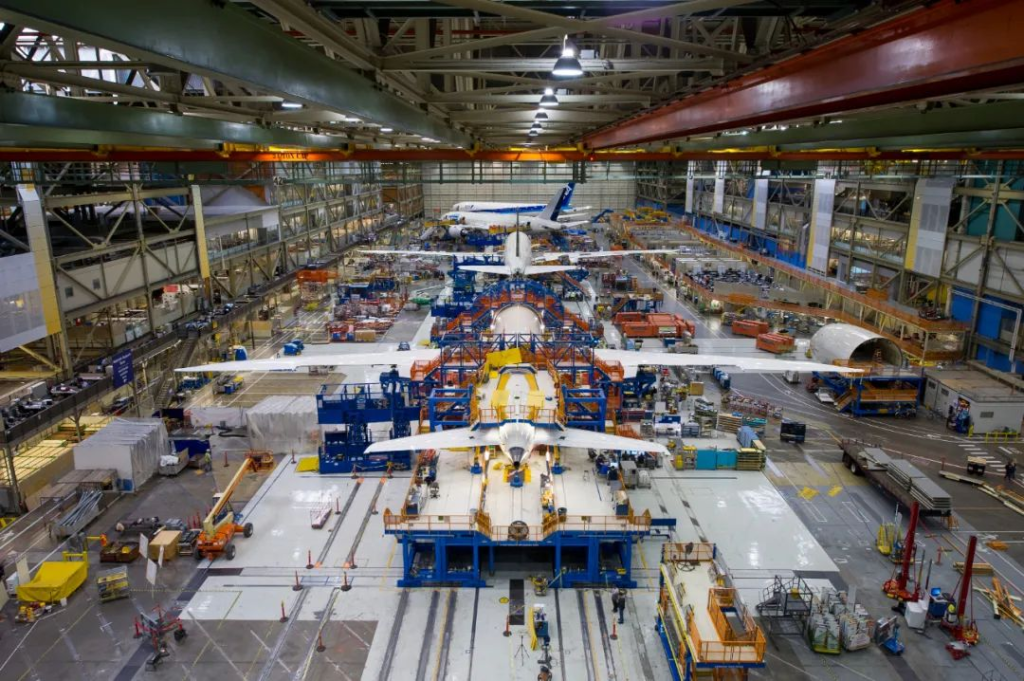
波音787生产线
同时,2019年中国购买了美国大约705亿美元的半导体,约占美国公司全球销售额的36.6%,中国是美国半导体公司最大的单一市场。报告指出,如果中美“部分脱钩”,美国半导体全球份额将下降8%,如果全面脱钩将下降18%。而这部分份额,将大部分被中国半导体公司吃掉。 CXO UNION-CXO联盟(cxounion.cn)
中国是美国学校最主要的生源来源地,中国学生(本科及以上)每年光在美国花费的学费和生活费就高达138亿美元(2018年数据,来源:美国国际教育工作者协会),该报告认为,来自中国的留学生的减少将使美国的创新受到影响。以上分析表明,美国国内的精英对于中国脱钩有着很清醒的认知,这种脱钩绝非两国产业界、人民的福祉。同理,中国国内也要保持清醒的头脑,任何时候都不要轻易走美苏冷战那种“双操作系统脱钩”的产业道路。
中国一定要防止一种极端局面的出现,那就是美国通过类似美苏冷战这种军事对抗,胁迫其他大部分发达国家与中国形成事实上的技术脱钩和经济脱钩,这将是非常糟糕的一种结局。这意味着中国要自己从0开始造光刻机的所有零部件,自己研发飞机发动机所需的所有零部件,自己开发所有的工业软件,自己研发大部分发明专利……
同理,假设中国与其他国家继续保持高频度的经济往来,那么日本、韩国、德国、法国、新加坡、泰国、沙特阿拉伯、巴西、阿根廷这些国家,是否愿意像美苏冷战那样必须在中美两强中间选一边站,而不与另一强往来呢?相信大部分国家是不愿意的。这就像大部分移动应用开发者,它接入安卓系统,不代表它就不想接入苹果系统。
美国多家智库推出的关于对华技术封锁的报告建言说道,对中国出口管制的真正对象应该是技术,而不是产品。以半导体为例,美国的真正目标是要防止中国尖端半导体设备设计和制造的本土化,简单来说就是芯片可以继续卖给中国,而光刻机和光刻胶、EDA软件不能卖。这种策略一旦真正开始推行,对中国来说将是巨大的挑战。因为中国要想完全自主创新搞大部分高科技产业的全产业链,将是极其艰难的。
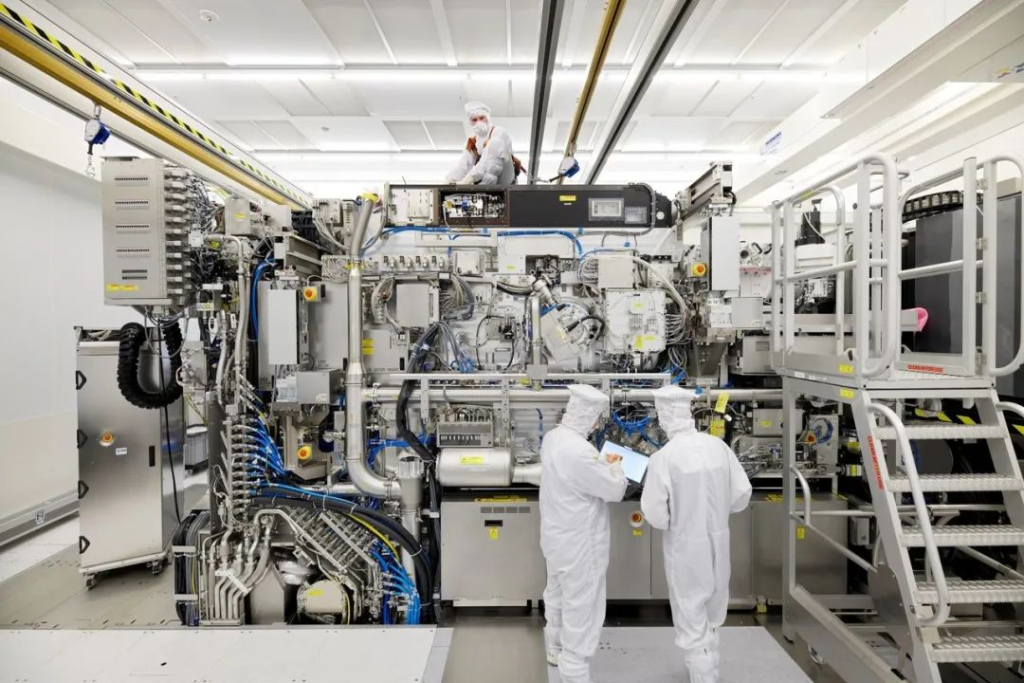
以光刻机为例,这种复杂的精密设备需要数十个国家的5000家企业紧密合作才能制造出来,世界上没有任何一个单一国家能完全独立自主造出光刻机。有人打过一个比方,中国要完全自主造出高水准的光刻机就相当于如果你要吃一盘清蒸鲈鱼,你要先自己挖个鱼塘,然后自己养鱼、自己捕鱼,还要把烹饪鱼所需的佐料如葱姜蒜都种出来。这种脱离国际分工体系的完全独立自主,其代价是十分高昂的。这是中国不愿意看到的局面。
END
中国越是被国外“卡脖子”“技术脱钩”,越是要扩大开放,越是不能闭门造车。
中美“双系统”模式的精髓,是要积极在产业和经济上接入日本、韩国、新加坡、泰国、德国、法国、俄罗斯、印度、巴西、阿根廷、印尼、越南、土耳其、捷克、波兰、西班牙、意大利、荷兰这些国家,开门做生意,我们让这些国家在中国赚到钱、获得利益,同时中国也能从与这些国家的经贸和技术往来当中不断发展自己,这是与上一次美苏冷战不同的局面,也是中国可以努力实现的方向。 CXO UNION-CXO联盟(cxounion.cn)

翻译:
The endgame of domestic substitution: Sino-US “dual operating system”?
After observing many cases of domestic substitution in Chinese manufacturing, we began to think about a more grand proposition: Suppose we look at it from a cycle of several decades, what should the final shape of domestic substitution development be?
I think there are only these endings:
(1) Domestic replacement failed, China’s technology upgrade failed, the world’s major industries are still controlled by the United States and other developed countries, China continues to be “stuck”, China fell into the trap of medium developed countries.
(2) China has replaced the United States as the maker of most of the world’s industrial rules, forming a de facto Chinese standard to dominate the world.
(3) China engages in Chinese standards, the United States engages in American standards, and other small countries choose sides between the two systems, and if they access the American standards, they will no longer access the Chinese standards. CXO UNION-CXO联盟(cxounion.cn)
(4) China and the United States each have a set of industrial standards, and other small countries have free access to the two systems, access to both American standards and Chinese standards, and do business with both China and the United States, and there is competition and cooperation between China and the United States.
We believe that the first and third outcomes are very bad for China, and it is very difficult to replace the United States to achieve the second outcome, which requires not only China’s efforts, but also the United States to make strategic mistakes. Of these, the fourth outcome is one that China has a good chance of trying to achieve and is relatively favorable to China. Not long ago, we saw a point of view of Foxconn founder Gou Taiming, which is very interesting, the general meaning is that the future world will form a “dual operating system” pattern in China and the United States, and companies like Foxconn should access both Chinese and American systems.
One.
In fact, most of today’s international rules are set by the United States, and the relationship between most other countries and the United States is similar to the relationship between app developers and Apple (or Google Android). Most of today’s international trade is settled in dollars, English is an international language, and industrial standards such as the Internet, semiconductors, and operating systems are mostly formulated by the United States: The United States controls the world’s dominant patent system and can use this system to impose technological embargoes on other countries at any time, American media dominates the world’s agenda setting, Hollywood blockbusters dominate the world’s cultural exports, and American universities attract the world’s best talent…
When other countries have conflicts with the United States, you can understand the conflict between the developers on the platform and the platform owners. Simba’s account once accounted for 40% of the total water of the entire Kuaishou, but when the relationship between Simba and Kuaishou was tense, Kuaishou began to suppress the Simba family, and the result was that Simba, which relied on a single platform, was difficult to resist the blow. Similarly, when other countries that depend on the American system come into conflict with the United States, these countries have little recourse.
But the international mobile phone mainstream operating system, Android and Apple two systems coexist, Android is relatively open, Apple is relatively closed, the two systems compete with each other, other small and medium-sized developers access Android and Apple two systems at the same time, and can quickly switch between the two systems. CXO UNION-CXO联盟(cxounion.cn)
For example, when Tencent develops a popular new game, even if the Apple App Store is the first to list the game, it can quickly launch the Android version with developed middleware and services, and users can play the Apple version and Android version at the same time, the gap is very small.
This idea describes the direction that the Chinese industry can work for in the future, that is, the world forms two major industrial standards between China and the United States, which compete with each other, but are not completely cut off from each other, and other small and medium-sized countries can freely switch between the two major standards and access them at the same time, so that both sides can do business without offending. I believe that such an outcome has a chance of being achieved, and is relatively the most beneficial for China among the industrial outlets that China can see.
For example, China’s Internet industry, essentially with the United States to form a “dual operating system” model, the United States has Facebook, China has Tencent, the United States has Amazon, China has Alibaba, the United States has Google, China has Baidu, the United States has Uber, China has Didi taxi… In fact, the dual operating system model of China and the United States in the Internet industry has a very special background. First of all, the Internet industry is too special, and China has very strict restrictions on foreign Internet companies, such as Facebook and Google, which have many restrictions on their business in China, giving local companies such as Tencent and Baidu a huge market space. After 20 years of development, China’s Internet industry undoubtedly has world-class competitiveness, second only to the United States in the world, not only can well serve the domestic market, but also made some achievements overseas.
So, is it possible for other industries to copy the “Sino-US dual operating system” model that the Internet has gone through? I think it’s very possible. For example, the chip industry, for a long time, our entire industry chain is lagging behind foreign manufacturers, whether it is chip design, or lithography machine, photoresist, EDA software are lagging behind some foreign countries, but this industry is very particular about product iteration, only day and night, which makes the position of the leader more and more leading, Matthew effect is getting stronger, the gap between the catch-up and the leader is getting bigger and bigger. However, after the beginning of the Sino-US science and technology war, many industries in China were forced to start using domestic chips and domestic lithography machines, which gave many Chinese manufacturers the opportunity to build a relatively complete semiconductor industry chain for the first time in China and form their own standards.
At the end of September 2021, the French Foundation for Strategic Studies released a report entitled “Enhancing ‘Soft Connectivity’ : China’s standard-setting reforms and International Ambitions”, which analyzes China’s capabilities and prospects on standard-setting issues. According to the report, although China is already the world’s largest industrial country, it is still a novice in the development of international standards. China currently accounts for only 1.8 percent of international standards, while the United States, the United Kingdom, Germany, France and Japan account for 90 to 95 percent of those standards, the report said. CXO UNION-CXO联盟(cxounion.cn)
Another report released by a foreign think tank titled “Digital Silk Road and China’s Impact on China’s standard Setting” also pointed out that China has an international industrial leading position in 5G communication technology, Internet of Things, artificial intelligence, power grid and other industries, but in many cases it has not translated into China’s market share in international standard setting. China may be the country in the world that attaches the most importance to international standards and wants to make breakthroughs in the formulation of international standards, which can be seen from the documents on promoting the formulation of international standards launched by the government departments one after another. For example, the Notice of the Standardization Administration of The State Council of the People’s Republic of China on the issuance of the key points of National Standardization work in 2021, the Notice of The State Council of the People’s Republic of China on the issuance of the Deepening of Standardization reform program, the Standardization Law of the People’s Republic of China, and the Action Plan of Standard Connectivity to jointly build the “Belt and Road” (2018-2020).
In the next 10 years, how China’s standards are accepted internationally will be an important litmus test for assessing China’s actual industrial status. It should be pointed out that China and the United States will eventually form a “dual system” model, which must be dominated by competition in the economic field and avoid becoming a pure military confrontation like the Cold War between the United States and the Soviet Union, because the result of military confrontation is a lose-lose probability, while economic competition may be win-win. For example, the competition between China and the United States in the Internet industry is a win-win result for the world.
TikTok, the popular short video platform created by the Chinese company Bytedance, has gone viral and delighted consumers around the world, and Bytedance itself has raised money with a lot of American capital. In the same way, the healthy competition between Boeing in the United States and Airbus in Europe in the field of civil large aircraft has formed a de facto “dual system” outcome, which has also greatly benefited global consumers. Under the competition, the two major aviation giants have a sense of crisis, constantly upgrading their technology, investing in research and development, and creating better and better passenger aircraft.
From the industrial level, in the future, in the Internet, semiconductors, mobile communications, electric vehicles, aerospace, industrial software, biomedicine, energy conservation and environmental protection, heavy equipment manufacturing, new materials, satellite navigation, artificial intelligence, digital currency and other fields, it is very likely to form a “dual system” and “dual standards” pattern.
In the larger areas of international relations, such as currency, language, culture, ideology, etc., it seems much more difficult to form a “dual system” between China and the United States than at the industrial level, but this is not the focus of this book. In my view, the first step is at the industrial level. It is quite possible for many major industries to form a de facto “dual system” between China and the United States. CXO UNION-CXO联盟(cxounion.cn)
Two.
Today, China is the largest trading partner of 120 countries and the second largest trading partner of more than 70 other countries. In the context of such huge economic and trade exchanges, when all major countries in the world have de facto close economic and trade, scientific and technological exchanges with China, it will not be easy to completely isolate China, “choke China”, and form a complete confrontation and decoupling similar to the Cold War between the United States and the Soviet Union in the 20th century. The American Chamber of Commerce’s China Center, in a report titled “Understanding Sino-US Decoupling: Macro Trends and Industrial Implications,” also made a quantitative estimate of the losses to the United States in the case of Sino-US economic decoupling, and the results are equally striking. The report estimates that in the case of a hard trade decoupling between China and the US, the US economy would lose more than $1 trillion in potential growth over 10 years.
In terms of investment, as of June 2020, US direct investment in China reached US $258 billion, assuming capital gains, goodwill and reinvestment income, the actual value of US investment in China is estimated to be as high as US $764 billion. Assuming a complete decoupling, the report estimates that the stock of US direct investment in China would fall by half.
Historically, every dollar of assets operated overseas by US multinationals has increased total US GDP. If US direct investment in China were to fall by half ($124 billion), it could reduce US GDP by a quarter ($500 billion) a year. Together, these two costs affect the United States by as much as $550 billion a year. In addition, the stock of bilateral securities investment between China and the United States is as high as $3.9 trillion (excluding China’s holdings of US Treasury bonds), assuming that Sino-US capital decoupling occurs, US residents and investors will no longer enjoy the high returns brought by the Chinese market, and at the same time, the US will attract significantly less Chinese securities investment, and these capital will likely flow to other regions.
The report cited the example of the US aviation industry, assuming that the Sino-US economic decoupling occurs, the value of US aircraft exports to China will be reduced by $277.2 billion in 10 years, and the US aviation industry will lose 160,000 to 220,000 employees. You know, the average salary of the aviation industry in the United States is 86,000 dollars, much higher than the average salary of 49,000 dollars in the United States, which is a high income group. The loss of the Chinese market could make local Chinese airlines such as ComAC a new serious competitor to Boeing in the future, as they would potentially fill the huge market void left by the withdrawal of American companies, which is not something the United States wants to see.
Boeing 787 production line
At the same time, China bought about $70.5 billion of semiconductors in the United States in 2019, accounting for about 36.6 percent of U.S. companies’ global sales, and China is the largest single market for U.S. semiconductor companies. According to the report, if China and the United States are “partially decoupled,” the global share of U.S. semiconductors will fall by 8%, and if it is fully decoupled, it will fall by 18%. Most of this share will be eaten by Chinese semiconductor companies.
China is the largest source of students for U.S. schools, with Chinese students (undergraduate and above) spending $13.8 billion annually on tuition and living expenses in the United States alone (2018 data, source: Association of International Educators), and the report argues that the decrease in students from China will affect innovation in the United States. The above analysis shows that the elites in the United States have a very clear understanding of China’s decoupling, which is not the well-being of the two domestic industries and people. In the same way, China’s domestic should also keep a clear head, and at any time do not easily take the US-Soviet Cold War kind of “dual operating system decoupling” industrial road. CXO UNION-CXO联盟(cxounion.cn)
China must prevent the emergence of an extreme situation, that is, the United States through a military confrontation like the US-Soviet Cold War, coerce most other developed countries to form a de facto technological and economic decoupling from China, which will be a very bad outcome. This means that China has to make all the parts of the lithography machine from zero, develop all the parts needed for the aircraft engine by itself, develop all the industrial software by itself, and develop most of the invention patents by itself…
In the same way, assuming that China continues to engage with the rest of the world economically, would Japan, South Korea, Germany, France, Singapore, Thailand, Saudi Arabia, Brazil, and Argentina be willing, as in the Cold War between the United States and the Soviet Union, to choose between the two powers and not engage with the other power? I believe most countries do not want to. Like most mobile app developers, just because it’s on Android doesn’t mean it doesn’t want to be on Apple.
A report on technology blockade against China released by a number of US think tanks suggests that the real object of export control against China should be technology, not products. Taking semiconductors as an example, the real goal of the United States is to prevent the localization of China’s cutting-edge semiconductor equipment design and manufacturing, which is simply that chips can continue to be sold to China, while photolithography machines and photoresist, EDA software can not be sold. If such a strategy really gets going, it will be a huge challenge for China. Because it will be extremely difficult for China to fully innovate the whole industrial chain of most high-tech industries.
Taking lithography machine as an example, this complex precision equipment requires close cooperation between 5,000 enterprises in dozens of countries to produce, and no single country in the world can completely independently make lithography machine. Some people have made an example, China to completely independently build a high level of lithography machine is equivalent to if you want to eat a plate of steamed sea bass, you have to dig a fish pond, and then raise your own fish, catch your own fish, but also to cook the necessary ingredients such as Onions, ginger and garlic are planted. The cost of this complete independence from the international division of Labour is very high. This is a situation China does not want to see. CXO UNION-CXO联盟(cxounion.cn)
END
The more China is “stuck” and “technologically decoupled” by foreign countries, the more it needs to open wider to the outside world, and the more it cannot work behind closed doors.
The essence of the “dual system” model between China and the United States is to actively connect their industries and economies with those of Japan, the Republic of Korea, Singapore, Thailand, Germany, France, Russia, India, Brazil, Argentina, Indonesia, Vietnam, Turkey, the Czech Republic, Poland, Spain, Italy and the Netherlands, and open their doors to do business. We let these countries make money and gain benefits in China. At the same time, China can continue to develop itself through economic, trade and technological exchanges with these countries, which is different from the situation of the last US-Soviet Cold War, and is also the direction that China can strive to achieve.
由CXO UNION-CXO联盟(cxounion.cn)转载而成,来源于星海情报局;编辑/翻译:CXO UNIONCXO联盟小U。
如需加入CXO UNION(CXO联盟)高管社群,请联系社群小伙伴哦~
免责声明: 本网站(http://www.cxounion.cn/)内容主要来自原创、合作媒体供稿和第三方投稿,凡在本网站出现的信息,均仅供参考。本网站将尽力确保所提供信息的准确性及可靠性,但不保证有关资料的准确性及可靠性,读者在使用前请进一步核实,并对任何自主决定的行为负责。本网站对有关资料所引致的错误、不确或遗漏,概不负任何法律责任。
本网站刊载的所有内容(包括但不仅限文字、图片、LOGO、音频、视频、软件、程序等) 版权归原作者所有。任何单位或个人认为本网站中的内容可能涉嫌侵犯其知识产权或存在不实内容时,请及时通知本站,予以删除。
如需加入CXO UNION(CXO联盟)高管社群,请联系社群小伙伴哦~

免责声明: 本网站(http://www.cxounion.cn/)内容主要来自原创、合作媒体供稿和第三方投稿,凡在本网站出现的信息,均仅供参考。本网站将尽力确保所提供信息的准确性及可靠性,但不保证有关资料的准确性及可靠性,读者在使用前请进一步核实,并对任何自主决定的行为负责。本网站对有关资料所引致的错误、不确或遗漏,概不负任何法律责任。
本网站刊载的所有内容(包括但不仅限文字、图片、LOGO、音频、视频、软件、程序等) 版权归原作者所有。任何单位或个人认为本网站中的内容可能涉嫌侵犯其知识产权或存在不实内容时,请及时通知本站,予以删除。
Search
Popular Posts
-

2024数字化灯塔案例评选申报开启!
“2024数字化灯塔案例评选”于3月正式启动,诚挚欢迎业界同仁自荐和推荐,一起推动产业数字化进程,助力赋能企业…
-

2024 X-Award星盘奖申报通道已开启!
X-Award星盘奖是数字化转型服务、IT服务行业重要的商业奖项,旨在表彰行业里提供杰出数字化转型服务与IT服…
-

2024 N-Award星云奖申报通道已开启!
N-Award是数字化转型领域重要的商业奖项,旨在表彰那些以非凡的远见、超群的领导才能和卓越的成就来激励他人的…