数十年的强劲经济增长,推动中国私募股权(PE)市场迅速扩张,规模已达世界第三,2019年的资产管理规模(AUM)超过6,200亿美元。
然而,即便是在1月份新冠疫情爆发之前,中国经济增速放缓和监管不确定性已经令该行业竞争加剧、利润率收紧、回报降低。
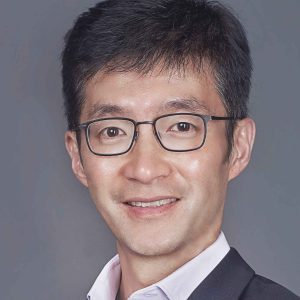
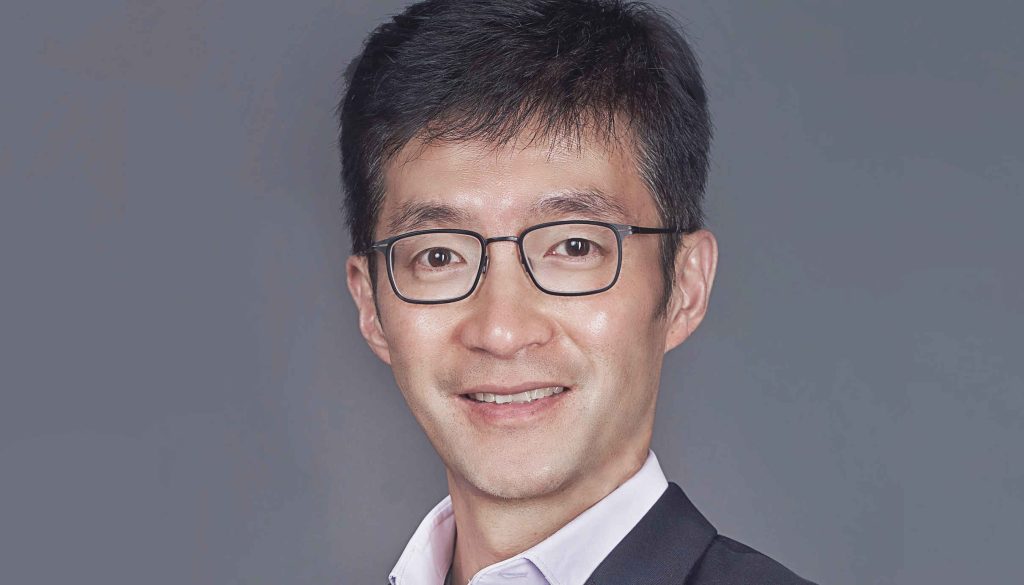
不过,在龚国权先生看来,这样的环境恰恰意味着推行控股型投资的时机已经成熟。龚国权先生是中国私募股权投资行业的顶级交易人,他曾联合创立了亚洲最大私募股权基金之一MBK Partners,该公司目前的资产管理规模已超过200亿美元,之前他曾领导过凯雷投资集团在大中华区的业务。
2017年初,龚先生离开MBK Partners创建了今翊资本,专注大中华区的控股型投资。
龚先生此次受邀与麦肯锡驻上海的全球董事合伙人、大中华区私募股权咨询业务负责人Ivo Naumann以及麦肯锡驻香港的全球副董事合伙人Wouter Baan座谈,讲述了经济情势如何促使企业家放弃控制权、私募管理人如何在中国创造阿尔法收益以及为何吸引并留住顶尖人才是持续创造价值的关键。
龚国权 个人履历
教育背景
- 哈佛大学工商管理硕士、达特茅斯学院文学学士
职业成就
- 作为今翊资本的创始人和管理合伙人,为其一期基金筹集了5亿美元资金。
- 今翊资本是一家聚焦大中华地区的顶级投资基金,致力于通过对内需行业公司的控股型投资获得长期回报。
- 鸿海精密工业有限公司独立董事。
- MBK Partners联合创始人,于2005年至2016年担任大中华区负责人,这期间该公司发展为亚洲最大的本土私募股权公司之一,在该地区的投资总额超过200亿美元。
- 曾担任凯雷投资集团董事总经理、凯雷亚洲合伙人投资委员会成员,主要负责大中华地区、东南亚和大洋洲的并购投资机会。
- 曾在麦肯锡公司担任项目经理,在大中华地区、东南亚和美国为金融服务、电信和消费产品行业的客户提供咨询服务。
麦肯锡:中国私募股权市场发展迅速,但在GDP中的占比仍相对较小。您认为市场将如何发展?
龚国权:中国PE市场增长迅速,而且将会保持此趋势。交易类型不断增加,囊括了从创始人继任到业务剥离、从跨国公司的市场进入和退出、到上市公司私有化等各个方面。除了上述晚期阶段的投资,还有非常活跃的风险投资。
在投资人方面,我们预计国际和本土投资人将继续寻求进入中国这个世界第二大经济体。在这个因素的推动下,并且随着企业不断成熟,中国PE市场规模占GDP的比重将逐渐赶上更发达的市场。
麦肯锡:中国GDP增速放缓将对PE和募资带来什么影响?
龚国权:经济增长放缓不会减慢中国PE市场的增长,但可能会对交易类型产生影响。具体来说,将会出现更多的控股型交易。过去,当市场高速增长时,仅仅参与市场就能创造很多价值。如今,随着经济活跃度减弱,增长可能不再是30%~40%,而是15%~20%。在合规、人工和环境成本不断上升的同时,市场竞争却依然在日益加剧。利润率在缩小,因此利润增长速度已不及从前。行业人士意识到,若要创造价值,必须在运营层面有所提升。此外,随着各行业的成熟,整合开始出现,公司在整合后更具竞争力。因此,企业家更愿意放弃控制权、寻找合作伙伴帮助其实现运营价值,这也是我们重视控股型投资的原因。
在募资方面,我们也将看到同样的趋势。有限合伙人(LP)逐渐将资本从增长型投资转向控股型投资,而不再单单押注整体市场的增长。研究表明,PE市场回报率高于公开市场,但管理人之间的差异也较大。未来对于普通合伙人(GP)的选择将变得愈加重要。
麦肯锡:您认为在未来3到5年,中国PE市场将有哪些机会? 您是否在特定行业看到了机遇?
龚国权:中美贸易争端以及新冠疫情让一些长期趋势提早显现并加速发展。例如,中国国内消费将发挥主导作用,因为人们无法预计国际贸易在未来会发生什么,而且中国政府也希望促进消费以实现可持续增长。在如此不确定的市场中,拥有被投公司的控制权对创造价值而言尤为重要。我们着重于医疗保健、消费、商业和消费者服务以及教育等特定行业,以便发挥优势。我们的投资范围与过去5年相比没有太大变化,但已根据趋势的提速发展做出了适当调整。
麦肯锡:新冠疫情将给PE行业带来什么影响?2007年到2008年的金融危机期间,交易活动曾在跌至低谷后的大约6到8个月便迅速反弹。这一次是否会出现类似情形?
龚国权:说到新冠危机,很多人认为这将是08年、09年全球金融危机的重演,当时市场的流动性短缺导致公司估值下降,而事实证明,这对私募股权投资具有吸引力。
这次危机中的市场状况有些不同,PE公司一直非常忙碌。很多PE拥有充足的流动性并在积极寻找交易项目,因为他们认为新冠疫情会让一切变得更便宜。但很多资产拥有者,包括股东和创始人,已经意识到疫情危机正在消退。他们迫切希望退出,但同时又认为自己企业的价值并不比危机之前要低,在资本市场流动性如此充裕之际更是如此。买卖双方存在估值差异,因而目前很难判断所有这些PE活动能否转化为实际交易。
麦肯锡:PE基金应如何发展其价值主张及其投资、人才和管理方法?
龚国权:PE若要在未来实现增长,则必须建立起可持续的竞争优势。这意味着,PE公司需要给被投公司带来增值。可以通过多种方法实现这一点。有些公司选择发展行业专业能力;有些公司拥有广泛的运营知识,可以为被投公司增加运营价值;还有些公司则深耕特定地区。所有这些方法都是有效的,关键是要充分把握自身特色优势和DNA,了解什么方式最适合自己。
人才是另一项重要因素;公司能否吸引、留住和激励优异人才并建立起适合人才茁壮成长的文化,这至关重要。
我们十分重视文化建设,因为一旦拥有了合适的人才,能够带来丰厚回报的策略与投资便会随之而来。
麦肯锡:创造阿尔法收益可能是未来成功的关键,您如何在中国市场做到这一点? 在控股型交易管理方面,是否已有足够的经验和专业能力? 在中国创造阿尔法收益的最大挑战是什么?
龚国权:PE若想在中国创造阿尔法收益,则需要有端到端的整套方案。中国PE市场较不发达并且更加分散,因此通过“找项目”能够创造出阿尔法。如果您有合适的商业关系并且知道应该去哪里找,便可以找到独有的交易项目。接下来是交易执行或交易结构设计,其中很重要的一点是确保与合作伙伴利益一致,此外,通过确定治理方式以及管理团队的未来结构而创造价值,这一点同样重要。之后则是制定合理的业务计划、创造优异回报并考虑改善运营、寻找潜在收购机会并调整战略。最后,在被投公司方面,则需要去积极创造价值并执行业务计划,而非仅仅对这些被投公司实时监控。
以上就是在中国环境中创造阿尔法收益的全套方法。找到合适的人才与合适的管理团队是关键,这也是在中国的最大挑战。90年代末我入行时很难做控股型投资,因为我们无法找到合适的管理层。当时,这类人才根本就不存在。如今,人才不断涌现,在我完成的PE交易中,有大约1/3都替换了CEO和多名管理层成员。这在今天要比过去可行得多。挑选团队成员是在中国最大的挑战,同时也是最大的机遇。
麦肯锡:运营团队对于中国私募市场的阿尔法收益创造是一个争议性话题。您对投后运营团队的组成以及干预被投公司的时机有何看法?
龚国权:对PE而言,价值创造是重中之重,拥有投后运营团队则是创造价值的方式之一。我们遵循两个主要原则。首先是应该始终将运营团队整合到总体交易执行之中。这意味着不要在完成投资之后才让运营团队进入,而是更早地进行整合,让其成为被投公司的一部分。例如,最好让运营团队参与治理谈判(协商股东协议),以便他们能够得到必要的支持,放手去做自己想做的事。
第二点是要确保给予运营团队适当的激励,让他们不会有做二等公民的感觉。在许多PE基金中,投资团队独占所有荣誉,而运营团队则负责处理被投公司的各种麻烦。这样的模式行不通。打造一支团结一致的团队,让运营团队也能够分享价值上升收益,这一点非常重要。
那些规模较小的公司,运营团队的人数不会太多。如果您人手有限,则应该选择职能专家而非行业专家,因为拥有职能专长的人能够跨多个行业发挥作用。例如,招募供应链专家或精通线上广告的人才;我们认为这是考虑运营人员时一个很好的出发点。
最后,要确保运营团队了解被投公司的需求,而且运营团队应该拥有资源,能够联系到其他专家来获取帮助。从这个意义上讲,这类似于聘请一名法律顾问,借由这名顾问来获取解决所有法律问题的帮助。
麦肯锡:我们注意到中国的募资越来越多地向少数基金集中。您如何看待这种情况? 基金如何才能超越其过往业绩?
龚国权:如今,LP在努力加强与GP的关系,这很正常,因为这些关系在基金中越来越重要,并能带来跟投等权利。GP也更多开始关注LP 所关注的因素,如环保、社会和公司治理要求。考虑到投资的覆盖面问题,这样做也方便管理。
从GP方面来说,过往业绩非常重要,不仅在于投资回报,也在于交易的分散程度以及GP的交易类型。分配机制、即如何向投资人返还资金至关重要。
提供公平的薪酬并激励团队保持稳定、与LP沟通基金面临的挑战并增进其信任度也同样重要。这些都是必要条件。最后,成功的募资还需要有一到两个让LP能够理解的独特卖点。对我们而言,这主要体现在我们对于中型市场控股型并购机会的关注,这可能是PE市场中拥挤度最低的领域,因为亚洲大多数控股型基金往往规模更大,并且不以中型市场为重点。中国的大多数中型市场基金是成长型或风险投资型,因此这是我们的一大差异化要素。另外一点是我们交易项目寻源和创造价值的能力。每只基金都需要有其独特的吸引力,并满足成功募集资金所需的基本条件。
麦肯锡:不同的基金会采用不同的增长策略,一些基金发展多种资产类别,而另一些则更专注某一类别。您认为哪种方式所带来的机会最多?
龚国权:目前规模最大的公司是另类资产管理公司,它们最初从私募股权、私募债或不良资产起家。尽管背景截然不同,但如今其管理资产的构成非常相似。这些公司持有一些私募股权、一些信贷资产、也许还有一些其他类别的资产。它们分布在全球多个地区的不同位置,但殊途同归,都属于这种另类资产管理模式。另一方面,有一些更加专精的公司采用行业方法,聚焦消费者、技术、媒体或电信行业。两种方法都是有效的,而那些能够确定策略并贯彻执行的公司才能成功。还是那句话,成功取决于如何将您的优势特点与增长战略以及未来目标统一起来。您是想涉猎所有资产类别和地域、还是更希望成为专精型公司? 对于PE公司而言,这完全是一个非常个体化的选择。做出选择并持之以恒才是成功之道。
麦肯锡:您认为今天的PE基金准备好应对未来的挑战了吗?
龚国权:PE在中国是一个新兴行业,许多基金仍由创始人管理,因此,最大的挑战之一是对继任计划的管理。上市公司都建立了领导人过渡体系。私募公司必须在进入行业和启动战略之前就明确这类过渡方法。PE公司需要确保能够留住内部人才。从这个角度看,PE是一个非常新的行业。我们的大多数公司都没有这方面的经验或专业知识。
麦肯锡:这会推动LP将资金投入到拥有继任计划的基金中,而避开其他基金吗? 您如何看待它对行业格局的影响?
龚国权:在选择GP时,制度因素将变得越来越重要。LP希望所熟悉的公司能够建立起相应制度,从而不会受到人力资源或高管变动的干扰。这也是PE公司必须考虑的问题。当我们与LP商谈经济安排的公平性以及如何分担责任时,LP知道他们不再只是对一两个人下注,他们下注的对象必须是一个能够实现长期自我存续的体系和机构。
翻译:
Decades of strong economic growth have driven the rapid expansion of China’s private equity (PE) market, which is now the third largest in the world, with more than $620 billion in assets under management (AUM) in 2019.
However, even before the coronavirus outbreak in January, China’s slowing economic growth and regulatory uncertainty had made the industry more competitive, tighter margins and lower returns.
However, in Mr. Gong’s view, this environment precisely means that the time is ripe for the implementation of controlling investment. Mr. Gong is a top dealmaker in China’s private equity industry. He co-founded MBK Partners, one of Asia’s largest private equity funds, which currently has over US $20 billion in assets under management, and previously led the Carlyle Group in Greater China.
In early 2017, Mr. Gong left MBK Partners to establish Jin Yi Capital, which focuses on controlling investments in Greater China.
Mr. Gong was invited to sit down with Ivo Naumann, McKinsey’s Shanghai-based global Managing Partner and Head of the Greater China Private Equity advisory practice, and Wouter Baan, McKinsey’s Hong Kong-based global Associate Managing Partner. How economic conditions are driving entrepreneurs to relinquish control, how private equity managers are generating Alpha revenue in China, and why attracting and retaining top talent is key to sustained value creation.
Biography of Gong Guoquan
Educational background
He received an MBA from Harvard University and a BA from Dartmouth College
Career achievement
As the founder and managing partner of Jin Yi Capital, he raised $500 million for the first phase of his fund.
Jin Yi Capital is a premier investment fund focused on the Greater China region, dedicated to achieving long-term returns through controlling investments in companies in domestic demand industries.
Independent Director of Hon Hai Precision Industry Limited.
Co-founder of MBK Partners, he was head of Greater China from 2005 to 2016, during which time the firm grew into one of the largest local private equity firms in Asia, with a total investment of more than $20 billion in the region.
He was a Managing Director of the Carlyle Group and a member of the Investment Committee of Carlyle Partners Asia, where he focused on M&A investment opportunities in Greater China, Southeast Asia and Oceania.
He worked as a project manager at McKinsey & Company, advising clients in the financial services, telecommunications and consumer products industries in Greater China, Southeast Asia and the United States.
McKinsey: China’s private equity market is growing rapidly, but it still accounts for a relatively small share of GDP. How do you think the market will develop?
Gong Guoquan: The PE market in China is growing rapidly and will continue to do so. The types of deals are growing and include everything from founder succession to divestitures, market entry and exit of multinational companies, and privatization of public companies. In addition to the late-stage investments mentioned above, there is also very active venture capital.
On the investor side, we expect international and local investors to continue to seek access to the world’s second largest economy. Driven by this factor, and as companies continue to mature, China’s PE market size as a percentage of GDP will gradually catch up with more developed markets.
McKinsey: What impact will China’s slowing GDP growth have on PE and fundraising?
Gong Guoquan: The economic slowdown will not slow down the growth of the PE market in China, but it may have an impact on the type of deals. Specifically, there will be more holding deals. In the past, when the market was growing at a high rate, a lot of value could be created just by participating in the market. Now, with economic activity weakening, growth may not be 30 to 40 percent, but 15 to 20 percent.
While compliance, labor and environmental costs continue to rise, competition in the market continues to intensify. Margins are shrinking, so profits are not growing as fast as they once did. People in the industry realize that to create value, they must improve at the operational level. In addition, as industries mature, consolidation begins to occur, and companies become more competitive after consolidation. As a result, entrepreneurs are more willing to give up control and find a partner to help them realize operational value, which is why we focus on controlling investments.
We will see the same trend when it comes to fundraising. Limited partners (LPS) are gradually shifting capital from growth investments to holding investments, rather than simply betting on the growth of the overall market. Research shows that the PE market returns are higher than the public market, but the differences between managers are also large. The choice of general partner (GP) will become more important in the future.
McKinsey: What opportunities do you see in the PE market in China over the next three to five years? Do you see opportunities in specific industries?
Gong Guoquan: The trade dispute between China and the United States and the COVID-19 pandemic have brought forward and accelerated some long-term trends. For example, China’s domestic consumption will play a leading role because one cannot predict what will happen to international trade in the future, and the Chinese government also wants to promote consumption to achieve sustainable growth. In such an uncertain market, having control of an investee is especially important for creating value. We focus on specific industries such as healthcare, consumer, business and consumer services, and education to leverage our strengths. Our investment range has not changed much from the past five years, but has been adjusted appropriately in line with the accelerating trend.
McKinsey: What impact will COVID-19 have on the PE industry? During the 2007-08 financial crisis, trading activity rebounded quickly within about six to eight months of bottoming out. Could something similar happen this time?
Gong Guoquan: When it comes to the COVID-19 crisis, many people think it will be a repeat of the global financial crisis in 2008 and 2009, when the shortage of liquidity in the market caused company valuations to fall, which proved attractive for private equity investment.
The market conditions in this crisis are a little different, and PE companies have been very busy. Many PE’s have plenty of liquidity and are actively looking for deals because they believe the coronavirus pandemic will make everything cheaper. But many asset owners, including shareholders and founders, have realized that the pandemic crisis is receding. They are eager to get out, but at the same time believe their businesses are worth no less than they were before the crisis, especially when capital markets are so liquid. There are valuation differences between buyers and sellers, so it is difficult to tell at this point whether all this PE activity will translate into actual transactions.
McKinsey: How should PE funds develop their value proposition and their approach to investment, talent and management?
Gong Guoquan: If PE wants to grow in the future, it must establish a sustainable competitive advantage. This means that PE companies need to add value to their investees. This can be achieved in a number of ways. Some companies choose to develop industry expertise; Some companies have extensive operational knowledge and can add operational value to the investee; Others go deep into specific areas. All of these methods are effective, the key is to fully grasp their own characteristics and advantages and DNA, to understand what is best for themselves.
Talent is another important factor; It is critical that companies attract, retain and motivate talented people and build a culture where they can thrive.
We put a lot of emphasis on building culture, because once we have the right people in place, strategies and investments that bring great returns will follow.
McKinsey: Generating Alpha revenue may be the key to future success, how do you do it in the Chinese market? Do you have sufficient experience and expertise in controlling transaction management? What are the biggest challenges in generating Alpha revenue in China?
Gong Guoquan: If PE wants to create Alpha revenue in China, it needs to have an end-to-end package. The Chinese PE market is less developed and more fragmented, so alpha can be created by “finding projects”. Unique deals can be found if you have the right business connections and know where to look. Next comes the execution of the deal or the design of the structure of the deal, where it is important to ensure that the interests of the partner are aligned, and equally important to create value by determining the governance and the future structure of the management team. The next step is to develop a sound business plan, generate superior returns and consider operational improvements, look for potential acquisitions and adjust strategy. Finally, on the investee side, you need to actively create value and execute business plans, not just monitor these investees in real time.
That’s the whole approach to generating Alpha revenue in the Chinese environment. Finding the right talent and the right management team is key, and that is the biggest challenge in China. When I started in the late ’90s, it was difficult to do controlling investments because we couldn’t find the right management. At the time, such talent simply did not exist. Today, talent is emerging, and about a third of the PE deals I do replace the CEO and multiple management members. This is much more feasible today than in the past. Selecting team members is the biggest challenge in China, but also the biggest opportunity.
McKinsey: The operation team’s approach to alpha revenue generation in China’s private market is a controversial topic. What are your thoughts on the composition of the post-investment operations team and when to intervene in the portfolio company?
Gong Guoquan: For PE, value creation is the top priority, and having a post-investment operation team is one of the ways to create value. We follow two main principles. The first is that the operations team should always be integrated into the overall transaction execution. This means not bringing in the operations team after the investment is completed, but integrating it earlier and making it part of the portfolio company. For example, it is best to involve the operations team in governance negotiations (negotiating shareholder agreements) so that they can get the support they need to do what they want.
The second is to make sure that the operations team is given the right incentives so that they don’t feel like second-class citizens. In many PE funds, the investment team takes all the credit, while the operations team takes care of the investee’s troubles. This model does not work. It is important to build a cohesive team so that the operations team can also share in the benefits of rising value.
For smaller companies, the number of people on the operations team will not be large. If you have limited staff, you should choose a functional specialist over an industry specialist. As people with functional expertise can function across multiple industries. For example, recruiting supply chain experts or people skilled in online advertising; We think this is a good starting point when considering operational personnel.
Finally, make sure the operations team understands the needs of the investee. And that the operations team has the resources to reach out to other experts for help. In this sense, it is similar to hiring a legal adviser and using this consultant to get help with all legal issues.
McKinsey: We have noticed that fundraising in China is increasingly concentrated in a small number of funds. How do you see this situation? How can a fund outperform its past performance?
Gong Guoquan: Nowadays, LP is trying to strengthen the relationship with GP, which is normal. Because these relationships are increasingly important in the fund and can bring rights such as following investment. GP also began to pay more attention to the factors that LP is concerned about. Such as environmental, social and corporate governance requirements. It is also easy to manage, given the coverage of the investment.
From the GP side, track record is very important, not only in the return on investment. But also in the dispersion of deals and the type of deals that GP does. The distribution mechanism — how money is returned to investors — is crucial.
It is equally important to provide fair compensation and to motivate the team to maintain stability, to communicate with the LP about the challenges the fund faces and to increase its trust. These are necessary conditions. Finally, successful fundraising also requires one or two unique selling points that the LP can understand. For us, this is mainly reflected in our focus on mid-market controlled M&A opportunities, which is probably the least crowded segment of the PE market as most controlled funds in Asia tend to be larger and not mid-market focused. Most of the mid-market funds in China are growth or venture capital, so that’s a big differentiator for us. Another point is our ability to source and create value for deals. Each fund needs to have its own unique appeal and meet the basic conditions required to successfully raise funds.
McKinsey: Different foundations have different growth strategies, with some developing multiple asset classes and others focusing more on one. Which approach do you think brings the most opportunities?
Gong Guoquan: The biggest companies are alternative asset management companies, which started out in private equity, private debt or distressed assets. Despite very different backgrounds, the composition of assets under management is very similar today. These firms hold some private equity, some credit assets, and maybe some other types of assets. They are located in different locations in many regions of the world. But they all belong to this alternative asset management model.
On the other hand, there are more specialized companies that take a sector approach and focus on the consumer, technology, media or telecommunications sectors. Both approaches are effective, and those companies that can identify a strategy and execute it will succeed. Again, success depends on aligning your strengths with your growth strategy and future goals. Do you want to cover all asset classes and geographies, or do you prefer to be a specialist company? For PE companies, this is a very individual choice. Making a choice and sticking to it is the key to success.
McKinsey: Do you think today’s PE funds are ready for the challenges of the future?
Gong Guoquan: PE is an emerging industry in China and many funds are still managed by founders. So one of the biggest challenges is managing succession plans. Listed companies have established a leadership transition system. Private equity firms must identify such transition methods before they enter the industry and launch their strategy. PE companies need to make sure they retain internal talent. From this perspective, PE is a very new industry. Most of our companies don’t have the experience or expertise in this area.
McKinsey: Will this push LPS to put money into funds with succession plans and avoid others? How do you see its impact on the industry landscape?
Gong Guoquan: Institutional factors will become more and more important in the selection of GP. LP wants familiar companies to build a relationship
本文由CXO UNION-CXO联盟(cxounion.cn)转载而成,来源于McKinsey Greater China;编辑/翻译:CXO UNIONCXO联盟小宁檬。
如需加入CXO UNION(CXO联盟)高管社群,请联系社群小伙伴哦~
免责声明: 本网站(http://www.cxounion.cn/)内容主要来自原创、合作媒体供稿和第三方投稿,凡在本网站出现的信息,均仅供参考。本网站将尽力确保所提供信息的准确性及可靠性,但不保证有关资料的准确性及可靠性,读者在使用前请进一步核实,并对任何自主决定的行为负责。本网站对有关资料所引致的错误、不确或遗漏,概不负任何法律责任。
本网站刊载的所有内容(包括但不仅限文字、图片、LOGO、音频、视频、软件、程序等) 版权归原作者所有。任何单位或个人认为本网站中的内容可能涉嫌侵犯其知识产权或存在不实内容时,请及时通知本站,予以删除。
如需加入CXO UNION(CXO联盟)高管社群,请联系社群小伙伴哦~

免责声明: 本网站(http://www.cxounion.cn/)内容主要来自原创、合作媒体供稿和第三方投稿,凡在本网站出现的信息,均仅供参考。本网站将尽力确保所提供信息的准确性及可靠性,但不保证有关资料的准确性及可靠性,读者在使用前请进一步核实,并对任何自主决定的行为负责。本网站对有关资料所引致的错误、不确或遗漏,概不负任何法律责任。
本网站刊载的所有内容(包括但不仅限文字、图片、LOGO、音频、视频、软件、程序等) 版权归原作者所有。任何单位或个人认为本网站中的内容可能涉嫌侵犯其知识产权或存在不实内容时,请及时通知本站,予以删除。
Search
Popular Posts
-

2024数字化灯塔案例评选申报开启!
“2024数字化灯塔案例评选”于3月正式启动,诚挚欢迎业界同仁自荐和推荐,一起推动产业数字化进程,助力赋能企业…
-

2024 X-Award星盘奖申报通道已开启!
X-Award星盘奖是数字化转型服务、IT服务行业重要的商业奖项,旨在表彰行业里提供杰出数字化转型服务与IT服…
-

2024 N-Award星云奖申报通道已开启!
N-Award是数字化转型领域重要的商业奖项,旨在表彰那些以非凡的远见、超群的领导才能和卓越的成就来激励他人的…
