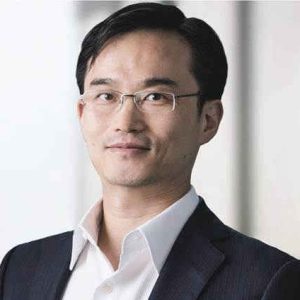
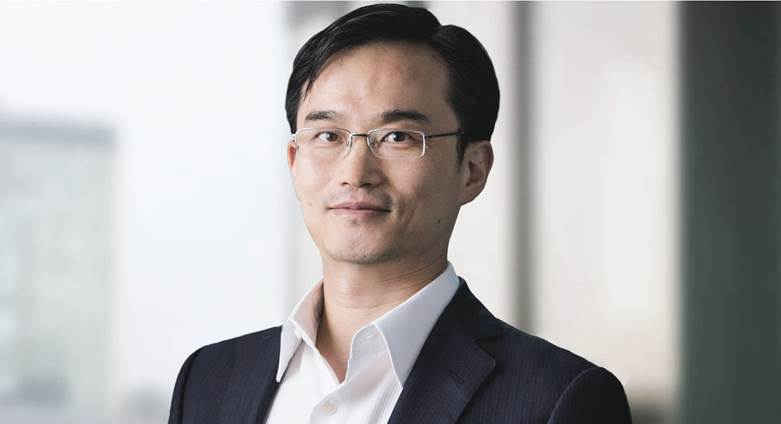
新冠疫情引发诸多深远影响,比如在企业和工作场所加速使用数字通信工具。然而,无法当面交流也给中国私募股权(PE)行业带来了一些影响。这一领域高度依赖信任关系,有限合伙人(LP)不愿出资给素未谋面的公司。因此,疫情促使中国PE募资开始向成熟度高、规模更大的普通合伙人(GP)集中。
然而,加拿大养老基金投资公司(CPPIB)董事总经理、亚太区私募股权业务负责人苏昭表示,积极进取的GP仍然可以脱颖而出。这家加拿大资管公司在全球的资产管理规模超过4,000亿加元。
CPPIB的投资身份既是GP也是LP,这让苏先生能够以独特的视角去探究中国PE行业合作模式的发展演变过程,并能够了解那些具备特定行业独特专识或掌握有效战略的GP是如何抓住“市场白地”、吸引到越来越敏锐和挑剔的投资人的。
此次,苏先生受邀与麦肯锡驻上海的全球董事合伙人、大中华区私募股权咨询业务负责人Ivo Naumann以及麦肯锡驻香港的全球副董事合伙人Wouter Baan座谈,一起探讨最值得关注的四大行业、全球资管公司如何推进GP的制度化、以及为何二级市场退出在中国变得越发重要。
苏昭 个人履历
教育背景
- 美国西北大学凯洛格商学院 工商管理硕士
- 对外经济贸易大学 文学学士
职业成就
- 加拿大养老基金投资公司(CPPIB)董事总经理、亚太区私募股权业务负责人,领导公司在亚太区的PE业务,该公司在全球的资产管理规模超过4, 000亿加元。
- 曾任贝恩资本亚洲私募股权投资董事经理,聚焦大中华地区市场,曾任贝恩公司驻上海的亚洲金融服务业务经理。
- 曾担任业务发展经理,为爱立信在中国的扩展做出贡献。
- 曾在中粮集团担任4年交易员。
麦肯锡:中国私募股权市场迅速扩张,规模已达世界第三,但其在GDP中的占比仍相对较低。您对未来市场有什么看法? 与过去会有什么不同?
苏昭:与美国相比,中国PE市场还处于起步阶段,因此我们仍有很强的增长潜力。PE是公司融资的重要手段,而且中国政府在鼓励企业进行更直接的融资,这非常适合长期PE投资人。同时,市场也在不断发展,交易类型从以少数参股的增长型投资为主、发展到更多控股型并购交易。这样的趋势将继续支持中国市场增长。
麦肯锡:中国GDP增速放缓将对PE造成什么影响? 给寻找募资和投资机会带来什么影响?
苏昭:主要的影响在于价值创造来源的转变。在10到15年前,PE基金仍可以跟随宏观潮流,从行业的成倍扩张中受益。如今,PE收益越来越多源于交易后的价值创造。私募股权交易已变得越来越复杂,所需资源也越来越密集。在募资方面,投资人会更加深究GP如何创造收益,以及该策略在未来是否可持续。
麦肯锡:未来PE将在哪些机会或领域实现增长?
苏昭:三大长期、可持续的趋势将支撑市场并带来值得关注的机会,即消费升级、颠覆性的业务模式和生产力提升。中国PE业务的基础设施也在不断发展,因此我们拥有更多的可用人才。顾问网络也有了进步,并且出现了更多的债务融资选择。这些意味着将有更多值得关注的控股型交易机会。从行业来看,我们认为以下四个领域非常值得期待:医疗、消费品、金融服务和科技。
麦肯锡:新冠疫情将对PE行业造成什么影响?目前交易似乎并不活跃,然而在上一次危机中,交易活跃度曾在探底后的约68个月即迅速反弹。这一次是否会发生类似情形?
苏昭:新冠疫情给业界带来了前所未有的冲击。GP在资产管理方面花费了大量时间去支持被投公司。就交易活跃度而言,疫情导致的社交隔离带来了巨大挑战,人们无法进行面对面交流,交易项目寻源和尽调都变得更加困难。此外,危机仍在发展,还存在许多不确定性。这些因素在过去的几个月中造成了行业的停顿。不过,中国的形势正开始好转,在“抗疫”型交易领域有一些机会:比如线上医疗业务或在线教育业务,它们在某种程度上因疫情而受益。交易的恢复速度将比上次全球金融危机更快还是更慢? 我认为尚不确定,需要看疫情如何发展。在回报方面,GP面对新交易时会更加谨慎,甚至会提高考虑交易的门槛,因此可以预期,那些能够通过的项目可能会比在非特殊时期达成的交易回报更高。
麦肯锡:这些变化对PE基金本身意味着什么? 他们应该怎样调整才能在投资策略、人才、价值主张方面保持成功?
苏昭:基金需要做两件事:一是对所投行业或市场具有一流的前沿洞见;二是打造志同道合的合作伙伴关系网络。中国市场变化很快,GP想要创造价值就必须站在行业洞见与动态的最前沿,他们需要成为CEO和公司高管的伙伴。这意味着他们需要基于行业趋势评估,更加重视行业分析与创新。
在伙伴关系方面,PE是资源集中型行业。GP需要充分利用内部和外部的所有资源,而建立潜在合作伙伴关系网络(包括LP和行业高管)是有效利用这些资源的关键。在CPPIB,一直以来我们的直接PE投资都遵循伙伴关系模式。多年来,我们不断努力加强与GP们的有效联系。我的团队致力于将CPPIB的全球最佳投资实践带到亚洲。
作为一家全球公司,我们拥有行业专家、以及在交易尽调和资产管理方面的专识与能力。我们希望将这些引入本地市场,帮助我们的合作伙伴在更深层面发展其业务。
麦肯锡:中国的PE交易流程正在如何演变,PE公司是否已做好准备去应对您谈到的那些转变?
苏昭:未来私募股权的大部分收益将源于价值创造。创造阿尔法收益很重要,但并不容易,因为这需要GP转变能力。我们可以回顾一下10到15年前中国的交易,当时在对GP做尽调时,主要强调其交易发起能力以及做复杂交易的能力。如今,这些要素已经越来越同质化。因此,如何能更好地成为特定业务的所有者就变得格外重要。我们看到中国的GP在这方面已取得长足进步,无论是建立内部团队、还是利用外部合作伙伴和顾问方面。
创造阿尔法收益的关键在于了解特定投资领域中哪些业务模式最为重要,之后便是找到合适的人才去执行合理的战略,并成为有助于企业发展的股东。中国市场在这方面是否做好了准备? 对于某些行业,例如消费互联网,中国可能已经领先于美国市场。许多新的商业模式正在涌现,这其中有GP们的贡献。他们帮助公司确定哪些模式有效、哪些无效。总体而言,中国市场仍在发展,仍然会有一些人才短缺问题。但随着时间推移,人才会出现,市场也会做好准备。
麦肯锡:人们经常谈到运营团队或被投公司价值创造团队的角色与作用。您对其重要性有什么看法? 其中哪些因素是有效的,哪些是无效?
苏昭:GP会采取不同的方法。一种是建立专门的运营团队。他们会聚焦资产管理和价值创造。其他一些GP则聘用职业经理人,并将他们部署到被投公司中作为全职管理团队成员。两种方法都有效,归根结底是要为您的被投公司或待解决的特定问题分配最合适的人才。其次,无论是您自己的运营团队、还是进入公司开展业务的适任经理人,作为GP,重要的是如何确保该价值创造工作有问责机制、激励措施和负责人。至于是选择自建运营团队、还是继续聘请职业经理人,两者皆可。
麦肯锡:我们看到募资越发向少数基金集中。这一趋势会持续吗? 从LP角度看,什么因素促使您投资于少数几家GP?
苏昭:新冠疫情加速了这一过程,因为在做虚拟尽调时,比起和一家新的GP做线上交流,LP更放心与熟悉的GP合作。即便如此,新的管理机构仍然可以通过在特定行业的卓越表现、或通过提供独特的“市场白地”策略脱颖而出。作为LP,当我们考察一家新GP时,永远会问这样一个问题:该GP能够给我们的投资组合带来哪些我们没有的东西? 如果新的管理机构能够在这方面展现其独特性,那么他们仍会有机会。另外,我们希望与GP之间利益充分统一。我们希望GP在为投资人创造收益的同时也能够获得应有的回报。
在PE行业,规模很重要。一方面,你需要足够大的规模才能去争取某些交易,而业务规模也可以带来协同效应。另一方面,增长速度过快会分散GP的注意力并引起利益错位。作为LP,我们始终注重帮助GP培养他们创造回报的“秘密武器”,以便与市场共同成长。
麦肯锡:我们有可能在中国看到哪些专业化类别或独特策略,您能否给出一些例子?
苏昭:医疗是我们非常喜欢的行业。在该领域寻求机会时,我们越来越重视评估机会所需的特殊专业能力。例如,我们去年投资了一家新的管理机构,是一家聚焦中国医疗行业的基金。GP团队成员都是医学博士,他们的专业知识会带来独特的见解和视野。将这些GP纳入我们的关系网络具有非常重要的价值,他们带来的不仅是我们以往难以评估的新交易,还有可以为我们所用的专业知识。
麦肯锡:随着基金规模的扩大,您认为它们应采取怎样的策略? 应该做专业化还是扩展更多资产类别?
苏昭:这两种策略在中国以及全球都出现过。有些基金想走高度专业化路线,那些专业的管理机构想变得更加专精,而不希望规模成为负担。他们每次都会对基金规模做一定限制,当需要资金时,再回到市场募资。因为持有太多资金,会产生花钱的压力,从而可能导致低效决策。
如果希望将基金机构化,并确保人才有可持续发展的平台,则比较适合去做更广的扩展,不同业务线之间也可能会产生协同效应。
这两种方法都有其价值。在考察管理机构、考虑我们的战略演变时,我们希望保持LP和GP间的利益一致,并确保其战略所带来的持续回报能够让我们满意。
麦肯锡:您能否谈谈中国GP迈向机构化的进程?
苏昭:在中国,大多数GP仍属于第一代,与美国同业相比,创始人仍然是主导,并且还很年轻。我们还没有看到许多成功地从第一代过渡到下一代的例子,这在全球范围内亦然。
话虽如此,我们投资组合中的中国GP对于建立机构、团队或基金的下一代领导层,都已经有了越来越多的意识和思考。即便创始人仍高度参与日常工作,他们也已开始培养下一代的董事总经理,并让其在组织中承担越来越重要的角色。作为LP,我们很愿意帮助GP实现这种过渡。我们的全球经验会对中国的管理机构有帮助。
麦肯锡:与世界其他国家相比,中国仍处于起步阶段,您认为中国的基金在未来是否能够成熟起来并赶上更为发达的市场同行?
苏昭:无论是在专业程度、还是基金规模方面,中国一些管理机构已经足以比肩全球。他们享有后发优势,可以学习前人的经验,同时避免一些基金早期犯过的错误。
在过去10到15年中,中国的基金管理机构也经历了较大的行业变革,不仅仅是所投资行业的轮动,还有退出方式的改变。中国GP从中受益,获得了不同的投资观点,调整了自己的业务发展规划。随着时间推移,我非常相信中国将出现与全球著名机构不相上下的成功GP。
麦肯锡:您如何看待中国退出市场的发展前景?
苏昭:中国市场的发展将会像美国市场一样,退出选项和渠道将更加丰富。这样的情形已经在发生了。十年前,大多数退出是通过在海外市场上市实现的。如今,GP可以在亚洲国内实现公司上市,然后再从那里退出。因此,IPO渠道已经有所扩展。
同时,无论是对财务投资人还是对战略投资人而言,我们看到二级市场退出在中国变得越来越重要。这也有助于促进控股型交易机会。随着债务融资市场的发展,出现更多的资本重组式或分红式退出也不意外。
麦肯锡:作为LP,未来您最关心什么?
苏昭:作为LP,我们非常注重与GP的长期关系。我们希望能和GP一起成长,并在此过程中为他们提供支持。我们越发感到在整个价值链上深化与GP的关系非常重要。
作为全球资产管理机构,我们的其他业务线也有可能与GP相关。例如,我们的公开市场同事可以在GP上市某家被投公司的过程中提供帮助。从PE角度看,我们希望在共同争取交易项目方面更多与GP合作。
这一过程有助于在双方团队间培养信任和相互理解,这对于建立跨周期的长期持久合作关系非常重要。如今,在考察GP时,我们不再只是关注往绩、评估策略与团队,还越来越注重能否与其建立深入持久的关系,这点至关重要。
麦肯锡:在中国和亚洲市场,目前的可投资金量已创历史新高。这是否是对行业信任的标志? 是否存在与GP资金部署压力相关的风险? 比如造成资产价格虚高?
苏昭:中国PE拥有良好的过往业绩,各公司都实现了不错的回报,因此从投资人的角度来看,需求在不断增长。另一方面,这确实给行业或GP带来了风险。
如果良好机会的供给跟不上需求增长,就会产生回报压力。同时,这意味着GP越发需要提升自己的能力和水平,因为资金会越来越商品化。GP必须成为更优秀的资产持有人,在拿到交易后能够实现价值创造。
对GP而言,一定不要让规模增长超出掌控,也不要因承受资金部署压力而做出可能损害招牌的错误决策。目前,对于我们的GP,我们还没有这样的担心,大家都很自律。
翻译:
The COVID-19 pandemic has far-reaching implications, such as accelerating the use of digital communication tools in businesses and the workplace. However, the inability to meet in person also has some implications for China’s private equity (PE) industry. This area is highly dependent on trust relationships, and limited partners (LPS) are reluctant to invest in companies they have never met. Therefore, the epidemic has prompted PE fundraising in China to begin to concentrate on mature and larger general partners (GP).
However, Zhao Su, managing director and head of private equity for Asia Pacific at Canada Pension Fund Investment Corporation (CPPIB), says aggressive GPPS can still stand out. The Canadian asset management firm manages more than C $400 billion in assets worldwide.
CPPIB’s investment status is both GP and LP, which allows Mr. Su to explore the development and evolution of China’s PE industry cooperation model from a unique perspective, and can understand how those GP with unique expertise in specific industries or master effective strategies seize the “market white space” and attract increasingly sensitive and picky investors.
Mr. So was invited to sit down with Ivo Naumann, McKinsey’s Global Managing Partner in Shanghai and Head of the Greater China Private Equity advisory Practice, and Wouter Baan, McKinsey’s Global Associate Managing Partner in Hong Kong. Discuss the top four industries to watch, how global asset management firms are institutionalizing GP, and why secondary market exits are becoming more important in China.
Su Zhao’s resume
Educational background
Master of Business Administration, Kellogg School of Business, Northwestern University
Bachelor of Arts, University of International Business and Economics
Career achievement
Managing Director and Head of Private Equity for Asia Pacific at Canada Pension Fund Investment Corporation (CPPIB), where he leads the firm’s PE business in Asia Pacific with more than $400 billion in assets under management worldwide.
He was a managing Director of Bain Capital Asia Private Equity with a focus on the Greater China region, and a Shanghai-based manager of Bain & Company’s Asian Financial Services practice.
He worked as a business development manager and contributed to Ericsson’s expansion in China.
He worked as a trader at CofCO for 4 years.
McKinsey: China’s private equity market has expanded rapidly and is now the third largest in the world, but its share of GDP is still relatively low. What do you think of the future market? How will it be different from the past?
Su Zhao: Compared with the United States, the PE market in China is still in its infancy, so we still have strong growth potential. PE is an important means of corporate financing, and the Chinese government is encouraging more direct financing, which is very suitable for long-term PE investors. At the same time, the market is evolving, with deals shifting from growth investments dominated by minority stakes to more holding mergers and acquisitions. This trend will continue to support the growth of the Chinese market.
McKinsey: What impact will China’s slowing GDP growth have on PE? How does it affect the search for fundraising and investment opportunities?
Su Zhao: The main impact is the change in the source of value creation. Ten to 15 years ago, PE funds could still follow the macro trend and benefit from the exponential expansion of the industry. Today, PE earnings are increasingly driven by post-deal value creation. Private equity deals have become increasingly complex and resource-intensive. When it comes to fundraising, investors will be looking more closely at how GP generates revenue and whether the strategy is sustainable in the future.
McKinsey: What opportunities or areas will PE grow in the future?
Su Zhao: Three long-term, sustainable trends will support the market and bring noteworthy opportunities, namely consumption upgrades, disruptive business models and productivity improvements. The infrastructure of the PE business in China is also evolving, so we have more talent available. The network of advisers has also improved, and more debt financing options have emerged. That means there will be more holding deals to watch. From an industry perspective, we think there are four areas that are very promising: healthcare, consumer goods, financial services, and technology.
McKinsey: What impact will COVID-19 have on the PE industry? Trading does not appear to be active at the moment, whereas in the last crisis activity rebounded quickly after bottoming out about 68 months later. Could something similar happen this time?
Su Zhao: The COVID-19 pandemic has brought an unprecedented impact to the industry. GP spends a lot of time on asset management to support its portfolio companies. In terms of trading activity, the social isolation caused by the epidemic has brought great challenges, people cannot communicate face to face, and it has become more difficult to source and conduct trading projects. Moreover, the crisis is still unfolding and there are many uncertainties. These factors have caused a standstill in the industry over the past few months.
However, things are starting to look up in China and there are opportunities in the “anti-pandemic” type of deals: online healthcare businesses or online education businesses, for example, that are benefiting in some way from the pandemic. Will trading recover faster or slower than during the last global financial crisis? I think it’s not certain yet and we need to see how the epidemic develops. In terms of returns, the GP will be more cautious in the face of new deals and will even raise the bar for considering deals, so it can be expected that those projects that can go through may have a higher return than deals struck in non-exceptional times.
McKinsey: What do these changes mean for PE funds themselves? How should they adjust to remain successful in their investment strategy, talent, and value proposition?
Su Zhao: A fund needs to do two things: First, it needs to have first-class cutting-edge insights into the industry or market it invests in; Second, build a network of like-minded partnerships. The Chinese market is changing fast, and to create value, GPS must be at the forefront of industry insights and dynamics, and they need to be partners with ceos and company executives. This means they need to put more emphasis on industry analysis and innovation based on industry trend assessment.
In terms of partnerships, PE is a resource-intensive industry. GP needs to make full use of all resources, both internal and external, and building a network of potential partners, including LPS and industry executives, is key to making effective use of these resources. At CPPIB, our direct PE investments have always followed a partnership model. Over the years, we have been working hard to strengthen our effective links with our GPS. My team is committed to bringing CPPIB’s global best investment practices to Asia.
As a global company, we have industry experts and expertise in transaction reconciliation and asset management. We want to bring these to the local market and help our partners grow their businesses at a deeper level.”
McKinsey: How is the PE transaction process evolving in China, and are PE companies ready to handle the changes you’ve talked about?
Su Zhao: Most of the future returns from private equity will come from value creation. Generating alpha revenue is important, but not easy, as it requires GP transformation capabilities. We can look back at deals in China 10 to 15 years ago, when the GP was done, the main emphasis was on its ability to initiate deals and do complex deals. Today, these elements have become increasingly homogeneous. Therefore, how to better become the owner of a particular business becomes particularly important. We have seen GP’s in China make great strides in this regard, both in building internal teams and using external partners and consultants.
The key to generating alpha returns is to understand which business models are most important in a given investment area, and then to find the right people to execute a sound strategy and become shareholders who will help grow the business. Is the Chinese market ready for this? For some industries, such as consumer Internet, China may already be ahead of the US market. Many new business models are emerging, with GP’s contributing. They help companies determine which models work and which don’t. Overall, the Chinese market is still developing and there will still be some talent shortages. But over time, the talent will emerge and the market will be ready.
McKinsey: People often talk about the role of the operations team or the value creation team of an investee company. What do you think of its importance? Which of these factors are effective and which are not?
Su Zhao: GP will take a different approach. One is to establish a dedicated operations team. They will focus on asset management and value creation. Other GPS hire professional managers and deploy them to their portfolio companies as full-time management team members. Both approaches work, and it boils down to assigning the best people for your investee company or the specific problem to be solved. Second, whether it’s your own operations team or a qualified manager coming into the business, it’s important as a GP to ensure that there is accountability, incentives and people responsible for this value creation work. As for whether you choose to build your own operation team or continue to hire professional managers, you can do both.
McKinsey: We’re seeing a growing concentration of fundraising in a small number of funds. Will this trend continue? From an LP perspective, what prompted you to invest in a few GP’s?
Su Zhao: The COVID-19 pandemic has accelerated this process, because when doing virtual due diligencing, LPS are more comfortable working with a familiar GP than with a new GP online. Even so, a new authority can stand out by excelling in a particular industry, or by offering a unique “white space” strategy. As an LP, when we look at a new GP, we always ask the question: What can this GP bring to our portfolio that we don’t? If the new governing body can demonstrate uniqueness in this respect, they will still have a chance. In addition, we hope to fully unify the interests with GP. We want GP to generate returns for investors as well as for them.
In the PE industry, scale matters. On the one hand, you need to be big enough to win certain deals, and scale can bring synergies. On the other hand, too fast growth will distract GP’s attention and cause misalignment of interests. As LP, we are always focused on helping GP cultivate their “secret weapon” to create returns in order to grow with the market.
McKinsey: Can you give some examples of specialization categories or unique strategies that we are likely to see in China?
Su Zhao: Medical care is our favorite industry. When seeking opportunities in the field, we increasingly focus on the special professional competencies required to evaluate opportunities. For example, last year we invested in a new manager, a fund focused on China’s healthcare sector. The GP team members are all medical Doctors, and their expertise brings unique insights and perspectives. Bringing these GPS into our network is of great value, not only in terms of new deals that we would have struggled to evaluate in the past, but also in terms of expertise that we can use.
McKinsey: As funds get bigger, what strategies do you think they should adopt? Should you specialise or expand into more asset classes?
Su Zhao: These two strategies have been used in China and around the world. Some funds want to be highly specialised, and those specialist managers want to become more specialised without having size become a burden. Each time they set a limit on the size of the fund, and when they need money, they return to the market to raise money. Because holding too much money creates pressure to spend, which can lead to inefficient decisions.
If you want to institutionalize the fund and ensure that there is a sustainable platform for talent, it is better to expand more widely, and there may be synergies between different business lines.
Both approaches have merit. As we look at the governing body and consider the evolution of our strategy, we want to maintain the alignment of interests between LP and GP and ensure that we are satisfied with the continued returns from their strategy.
McKinsey: Can you talk about the process of GP institutionalization in China?
Su Zhao: In China, most GP’s are still the first generation, and the founders are still dominant and young compared to their American counterparts. We have yet to see many examples of successful transitions from the first generation to the next, and this is also true on a global scale.
Having said that, the Chinese GP in our portfolio has become more aware and thoughtful about building the next generation of leadership in an institution, team or fund. Even as founders remain highly involved on a day-to-day basis, they have begun to groom the next generation of managing directors to take on increasingly important roles in the organisation. As LP, we would love to help GP make this transition. Our global experience will be helpful to Chinese regulators.
McKinsey: China is still in its infancy compared to the rest of the world, do you think Chinese funds will be able to mature and catch up with more developed market peers in the future?
Su Zhao: Some Chinese management institutions are already on a par with the world in terms of professionalism and fund scale. They enjoy a late mover advantage and can learn from the experience of those who came before them, while avoiding some of the early mistakes that funds made.
In the past 10 to 15 years, Chinese fund managers have also undergone major industry changes, not only in the rotation of the industry they invest in, but also in the way they exit. Chinese GP benefited from this, gained a different investment perspective and adjusted its business development plan. As time goes on, I am very confident that China will have successful GP institutions on par with the world famous institutions.
McKinsey: How do you see China’s exit from the market?
Su Zhao: The development of the Chinese market will be like that of the US market, with more abundant exit options and channels. This is already happening. A decade ago, most exits were achieved through listings in overseas markets. GP can now list companies domestically in Asia and exit from there. As a result, the IPO pipeline has expanded.
At the same time, we see secondary market exits becoming increasingly important in China, both for financial and strategic investors. This could also help promote holding-type deal opportunities. As debt financing markets develop, it would not be surprising to see more recapitalization or dividend exits.
McKinsey: What are you most concerned about going forward as an LP?
Su Zhao: As LP, we attach great importance to the long-term relationship with GP. We want to grow with GP and support them along the way.” We increasingly feel it is important to deepen our relationship with GP along the entire value chain.
As a global asset manager, it is possible that our other lines of business are also GP related. For example, our public markets colleagues can assist GP in the process of listing an investee. From a PE point of view, we would like to work more with GP in pursuing deals together.
This process helps foster trust and mutual understanding between both teams, which is important for building long-term, lasting relationships across the cycle. When we look at GPS today, it’s critical that we move beyond track record, evaluating strategies and teams, and increasingly focus on building deep and lasting relationships with them.
McKinsey: In China and Asia, the amount of capital available is at an all-time high. Is this a sign of trust in the industry? Are there risks associated with the pressure to deploy GP funds? Like inflated asset prices?
Su Zhao: China PE has a good track record, and companies have achieved good returns, so from an investor’s point of view, demand is growing. On the other hand, it does present a risk to the industry or GP.
If the supply of good opportunities does not keep up with the growth in demand, there will be pressure on returns. At the same time, this means that GP will increasingly need to improve their ability and level, because funds will become more and more commoditized. GP must become a better asset holder and be able to create value once they get the deal.
For GP, it must not allow the scale to grow beyond control. And do not make wrong decisions that may damage the brand due to the pressure of capital deployment. At the moment, with our GP, we have no such concerns, everyone is very disciplined.
本文由CXO UNION-CXO联盟(cxounion.cn)转载而成,来源于McKinsey Greater China;编辑/翻译:CXO UNIONCXO联盟小宁檬。
如需加入CXO UNION(CXO联盟)高管社群,请联系社群小伙伴哦~
免责声明: 本网站(http://www.cxounion.cn/)内容主要来自原创、合作媒体供稿和第三方投稿,凡在本网站出现的信息,均仅供参考。本网站将尽力确保所提供信息的准确性及可靠性,但不保证有关资料的准确性及可靠性,读者在使用前请进一步核实,并对任何自主决定的行为负责。本网站对有关资料所引致的错误、不确或遗漏,概不负任何法律责任。
本网站刊载的所有内容(包括但不仅限文字、图片、LOGO、音频、视频、软件、程序等) 版权归原作者所有。任何单位或个人认为本网站中的内容可能涉嫌侵犯其知识产权或存在不实内容时,请及时通知本站,予以删除。
如需加入CXO UNION(CXO联盟)高管社群,请联系社群小伙伴哦~

免责声明: 本网站(http://www.cxounion.cn/)内容主要来自原创、合作媒体供稿和第三方投稿,凡在本网站出现的信息,均仅供参考。本网站将尽力确保所提供信息的准确性及可靠性,但不保证有关资料的准确性及可靠性,读者在使用前请进一步核实,并对任何自主决定的行为负责。本网站对有关资料所引致的错误、不确或遗漏,概不负任何法律责任。
本网站刊载的所有内容(包括但不仅限文字、图片、LOGO、音频、视频、软件、程序等) 版权归原作者所有。任何单位或个人认为本网站中的内容可能涉嫌侵犯其知识产权或存在不实内容时,请及时通知本站,予以删除。
Search
Popular Posts
-

2024数字化灯塔案例评选申报开启!
“2024数字化灯塔案例评选”于3月正式启动,诚挚欢迎业界同仁自荐和推荐,一起推动产业数字化进程,助力赋能企业…
-

2024 X-Award星盘奖申报通道已开启!
X-Award星盘奖是数字化转型服务、IT服务行业重要的商业奖项,旨在表彰行业里提供杰出数字化转型服务与IT服…
-

2024 N-Award星云奖申报通道已开启!
N-Award是数字化转型领域重要的商业奖项,旨在表彰那些以非凡的远见、超群的领导才能和卓越的成就来激励他人的…
