由世界经济论坛牵头并联合麦肯锡开展的全球灯塔网络倡议,代表了当今全球制造业智能制造和数字化的最高水平。入选的“灯塔工厂”也是具有榜样意义的“数字化制造”和“工业化4.0”示范者。
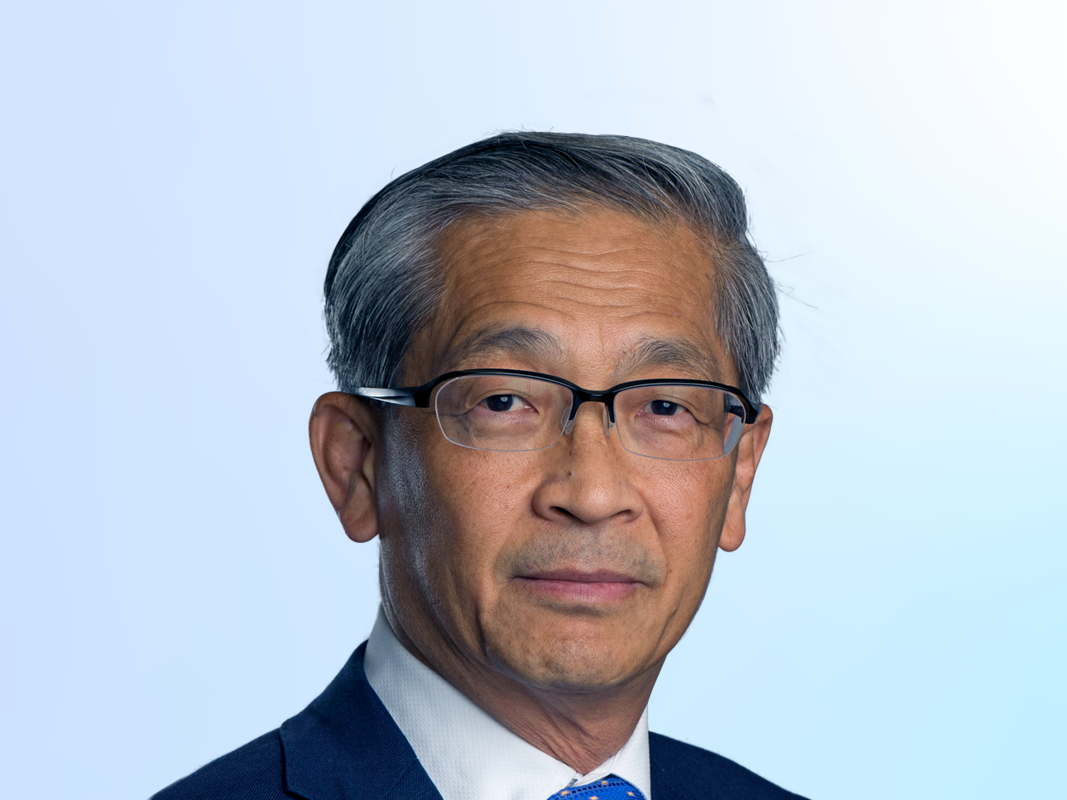
富士康致力于通过数字化、智能制造的升级,持续提升供应链的灵活性和高效性。近年来,凭借人工智能、数字化创新工具等优势,富士康在全球总共获评6家“灯塔工厂”。CXO UNION-CXO联盟(cxounion.cn)
Q1:长话短说,您在带领富士康打造“灯塔工厂”的过程中,遇到的最大困难是什么?CXO UNION-CXO联盟(cxounion.cn)
马里兰大学终身教授、富士康集团前副董事长李杰:我想,在灯塔工厂,或者数字化转型过程中,最重要的是怎样做正确的事,最根本的是自上而下,富士康创办人来解释转型的重要性,然后带着同事们(去做)。大家都有一个决心,希望把制造做得好,做得卓越。同时要有决心和动力。最困难是打破文化的界限,还有很重要就是执行力。
Q2:富士康目前有6家“灯塔工厂”。我们也观察到,富士康旗下很多工厂实际上达到了评选标准。有什么好的方法和秘诀,能够使数字化转型从点状到线、到面推广?如果能举一些富士康的例子就更好了。
马里兰大学终身教授、富士康集团前副董事长李杰:我觉得,第一是精神信念方面它做得很好。事实上,富士康是在2018年开始推动打造“灯塔”的,也是工业互联网重要一个形成点,那时主推力相当大,从上到下,就是想做这个事情,所以这是一个好的出发点。CXO UNION-CXO联盟(cxounion.cn)
第二个很重要的是,富士康获评有六个灯塔工厂,包括相关企业,但是我们内部认证在2022年已经达到二十几个。富士康内部有一个认证过程,标准也是采用了WEF世界经济论坛的评审标准,所以说大概内部应该有30个(灯塔工厂)。基本上它(已经)演变为文化,有志于把数字化的“传染性”变得很强的一种改变过程,让制造能够发挥出它的传承实力。
下一步更重要是客户与供应链都必须配套,有决心一起成长。这是下一个“灯塔工厂”要做的事情,就是价值链向上向下延伸,把数字化跟“灯塔”的能力跟精神传承下去,影响发挥出来。这时候你才真正是一个龙头企业,是一个真正可以影响别人的企业。
Q3:我再追问一句,咱们的评估体系在对所有内部工厂进行评价后,遴选出一些内部“灯塔”,那么工厂和工厂之间,事业部和事业部之间怎样将最佳实践进行横向推广?互相学习、互相促进的机制是什么?
马里兰大学终身教授、富士康集团前副董事长李杰:训练数字化人才有很多共性的问题,像我讲的DT(Data Technology) 数据的技术、AT(Analytics Technology) 分析的技术、PT(Platform Technology) 平台技术,云、边缘计算、很重要的OT(Operations Technology) 经管的技术,当然IT是一个基础,IT存在很久了,它是一个基础设施,DT、AT、PT、OT又利用IT去改变管理制造,或让制造技能加强。这是事业部之间可以互相学习的,我做的产品可能不一样,可是共性很强。对制造相当有激情的人才会进富士康,这个是创办人从一开始就建立的文化。所以与其说富士康是一家制造很强的企业,不如说它是一家很有制造激情的企业。
Q4:今天我们有幸在马里兰大学与您面对面进行探讨,您实际上深入到了中国的智能制造,也深入到了美国的先进制造,您觉得中美两国在智能制造领域有哪些异同?
马里兰大学终身教授、富士康集团前副董事长李杰:制造是一国长期改善人民生活的基础,我书里面也提到这句话,历史上美国很多总统常讲一个国家要过得好,制造就得好。这个制造当然不只是加工制造的意思,而是说一个国家要能够持续创造出好的东西,好的生产力,让人民的生活过得好,至少基本定义在这。
所以在过去这几十年,包括日本在80年代的崛起,制造的崛起,让美国看到了质量问题的重要性,也愿意重新思考质量问题,这也是为什么(美国)把TQM(全面质量管理)改善,把六西格玛做得更精致,是因为日本的压力。中国在1990年之后制造崛起,到今天(积累了)很多经验,美国也看到,所以美国要去学着塑造自己的供应链,这个是可以学到的,要get something(收获),必须要give something(付出),所以你必须要培养新的workforce(劳动力)与做智能制造的workforce。CXO UNION-CXO联盟(cxounion.cn)
Q5:您过去这几年一直活跃在创造未来制造的前沿,我们看到您之前投入的一些新技术,目前这个阶段也都商业化,开花结果了。如果在现在这个节点看未来5年、10年,您如何描述未来制造?将有些什么新变化?
马里兰大学终身教授、富士康集团前副董事长李杰:制造本身是人为核心,后来转变为以制造技术为核心,可是这里面都有一个共同的目的,即如何把一个产品做得更快,且用最少的资源,这是做制造业都要面对的问题。换句话说,如果今天做制造业的人,我能够持续让你用简单的制造方法、最好的管理方法,让你用最少的能源、最少的管理、最少的材料使用。我觉得未来制造有3W,第一,Work Reduction 你能够把这些看不到的浪费杜绝;第二个,Waste Reduction, 你能够把不必要的做工,不必要的人力,不必要的物力减少多少,一个是浪费,一个是做工,第三个是Worry Reduction,我常讲要把担忧减少,因为我们做制造的人,最想去管的就是生产线或制造产业所产生的问题,但你投入之后发现,你每天都在救火,这些就是担忧造成的,今天如果这个数据都在这边,这些担忧就可以排除,可以减少,到时候你要做什么呢?你要用很好的工具去做更多的事情,我要去做分析,因为我有更多时间可以去创造更多价值,花时间在顾客身上。
Q6:这个是对未来非常好的憧憬。最后一个问题,对这些追求“灯塔”和数字化转型的企业家,您有什么寄语吗?或者一两句话的忠告?
马里兰大学终身教授、富士康集团前副董事长李杰:数字化转型 有三个P (Purpose, Problem, and Process). 第一,每个企业都有自己的问题 (Problem),但第一个就是我刚刚讲的,先确定目的性 (Purpose),目的你可以自己定,但心里要有个答案,目的是什么?你的问题有两种,可见的和不可见的问题,可见的问题是你可以定出来的,不可见的问题,你发现数据里面所产生的(问题)也很多,可能影响到你内部的运作,甚至你的开销费用,甚至你的企业文化问题。所以这时候你要重新去解决,可见问题有可见问题解决的流程,不可见问题有不可见问题的解决流程 (Process)。CXO UNION-CXO联盟(cxounion.cn)
而且,企业领导需要思考清楚,数字化本身不是目的,它的目的是让你从问题到目的的过程中,能够(有)很强的透明性跟追溯性和“传染性”,让大家能够做更多的持续发展,因为能看到它的好处,跟它带来的企业的生命力,这个是可以看得到的。

翻译:
The Global Lighthouse Network Initiative, led by the World Economic Forum and conducted in conjunction with Mackenzie
represents the highest level of smart manufacturing and digitalization in the global manufacturing industry today. The selected “Lighthouse Factory” is also a model of “digital manufacturing” and “Industrialization 4.0” demonstration.CXO UNION-CXO联盟(cxounion.cn)
Foxconn is committed to continuously improving the flexibility and efficiency of the supply chain through the upgrading of digital and intelligent manufacturing. In recent years, with the advantages of artificial intelligence and digital innovation tools. Foxconn has been awarded a total of six “lighthouse factories” in the world.
Recently, McKinsey Global Managing Partner Hou Wenhao and Professor Li Jie, tenured professor at the University of Maryland and former vice chairman of Foxconn Group, met face to face at the University of Maryland to conduct in-depth discussions on the digital transformation journey led by Foxconn’s “Lighthouse Factory” and look forward to the future of manufacturing.
Hou Wenhao: To make a long story short, what was the biggest difficulty you encountered in leading Foxconn to build a “lighthouse factory”?
Li Jie: I think, in the lighthouse factory, or in the process of digital transformation, the most important thing is how to do the right thing, the most fundamental is top-down, the Foxconn founder to explain the importance of transformation, and then lead colleagues. We all have a determination to do well and excel in manufacturing. At the same time, you need determination and drive. The most difficult thing is to break down cultural boundaries, and the most important thing is execution.CXO UNION-CXO联盟(cxounion.cn)
Hou Wenhao: Foxconn currently has six “lighthouse factories”. We also observed that many of Foxconn’s factories actually met the selection criteria. What are the best ways and secrets to make digital transformation from point to line to surface? It would be nice to give some examples of Foxconn.
Li Jie: I think, first, it does a good job in terms of spiritual belief. In fact, Foxconn began to promote the creation of a “lighthouse” in 2018, which is also an important formation point of the industrial Internet, when the main push is quite large, from top to bottom, is to do this thing, so this is a good starting point.
The second important thing is that Foxconn has six lighthouse factories, including related enterprises, but our internal certification has reached more than two dozen in 2022. Foxconn has an internal certification process, and the standards are also based on the evaluation standards of the WEF World Economic Forum, so there should be about 30 internal (lighthouse factories). Basically it (has) evolved into culture, a process of change that aspires to make digital “infectious” very strong, so that manufacturing can play its heritage strength.CXO UNION-CXO联盟(cxounion.cn)
The next step is more important is that customers and supply chains must be matched and determined to grow together.
This is what the next “lighthouse factory” has to do, that is, the value chain extends upward and downward. And the ability and spirit of digitalization and “lighthouse” are passed on and their impact is brought into play. This is when you are truly a leading company, and a company that can really influence others.
Hou Wenhao: Let me ask you one more question. After evaluating all the internal factories, our evaluation system selects some internal “lighthouses”. Then how can best practices be spread across factories and divisions? What is the mechanism of mutual learning and mutual promotion?
Li Jie: There are many common problems in training digital talents, such as DT(Data Technology) data Technology. AT(Analytics Technology) analysis technology, and PT(Platform Technology) platform technology. Cloud, edge computing, and very important OT(Operations Technology) management technology, of course, IT is a foundation, IT has existed for a long time, IT is an infrastructure, DT, AT, PT, OT and use IT to change management manufacturing, or make manufacturing skills strengthen. This is the business division can learn from each other, my products may be different, but the commonality is very strong. People who are very passionate about manufacturing will join Foxconn, and this is the culture that the founders built from the beginning. So Foxconn is not so much a manufacturing strong enterprise, as it is a very passionate manufacturing enterprise.
Hou Wenhao: Today we have the honor to have a face-to-face discussion with you at the University of Maryland.
You have actually gone deep into the intelligent manufacturing in China and advanced manufacturing in the United States. What do you think are the similarities and differences between China and the United States in the field of intelligent manufacturing?
Li Jie: Manufacturing is the basis for a country to improve people’s lives in the long run. This sentence is also mentioned in my book. In history, many American presidents often said that if a country wants to live well, manufacturing will be good. Of course, manufacturing is not just the meaning of manufacturing, but that a country should be able to continue to create good things, good productivity, so that people’s lives are good, at least the basic definition is here.CXO UNION-CXO联盟(cxounion.cn)
So in the past few decades, including the rise of Japan in the 1980s, the rise of manufacturing, the United States saw the importance of quality issues, and was willing to rethink quality issues, which is why (the United States) improved TQM (total quality management) and made Six Sigma more refined, because of Japanese pressure. China rose after 1990, and today it has gained a lot of experience, which the United States has also seen. Therefore, the United States needs to learn to shape its own supply chain, which can be learned. To get something, it must give something. So you have to develop a new workforce and a workforce to do smart manufacturing.
Hou Wenhao: In the past few years, you have been active in the forefront of creating the future of manufacturing
and we see that some of the new technologies you have invested before are also commercialized and come to fruition at this stage. If you look at the next 5 or 10 years at this point, how would you describe future manufacturing? What will be the new changes?
Li Jie: Manufacturing itself is the human core, and later changed to manufacturing technology as the core, but there is a common purpose, that is, how to make a product faster and with the least resources, which is the problem that manufacturing has to face. In other words, if you’re doing manufacturing today, I can continue to get you to use simple manufacturing methods, the best management methods, so that you use the least energy, the least management, the least materials. I think there are three W’s in future manufacturing. CXO UNION-CXO联盟(cxounion.cn)
First, Work Reduction can eliminate these invisible wastes.
Second, Waste Reduction, how much can you reduce unnecessary work, unnecessary manpower and unnecessary material resources? One is waste, the other is workmanship, and the third is Worry Reduction. I always say that we should reduce our worries, because we are manufacturers. Most want to manage the production line or manufacturing industry problems, but after you put in, you find that you are fighting fires every day, these are caused by worries, today if this data is here, these concerns can be eliminated, can be reduced, then what do you do? You’re going to do more things with great tools, and I’m going to do analytics because I have more time to create more value and spend time with customers.
Hou Wenhao: This is a very good vision for the future. Last question, do you have any message for these entrepreneurs who are pursuing “lighthouses” and digital transformation? Or a word or two of advice?CXO UNION-CXO联盟(cxounion.cn)
Li Jie: Digital transformation has three Ps (Purpose, Problem, and Process).
First, every enterprise has its own Problem, but the first one is what I just said, first determine the Purpose, the purpose you can set, but there must be an answer in your heart, what is the purpose? You have two kinds of problems, visible and invisible problems, visible problems are what you can determine, invisible problems, you find that the data generated (problems) are also a lot of, may affect your internal operations, even your expenses, and even your corporate culture. So at this time you have to re-solve, visible problems have a visible problem solution Process, invisible problems have an invisible problem solution process.CXO UNION-CXO联盟(cxounion.cn)
Moreover, business leaders need to think clearly, digitalization itself is not an end, its purpose is to let you from the problem to the purpose of the process, can (have) strong transparency and traceability and “infectivity”, so that everyone can do more sustainable development, because you can see its benefits, and it brings the vitality of the enterprise, which can be seen.
Hou Wenhao: OK, thank you Professor Li, today’s sharing is very wonderful.
本文由CXO UNION-CXO联盟(cxounion.cn)转载而成,来源于CEO訪談网;编辑/翻译:CXO UNIONCXO联盟小U。
如需加入CXO UNION(CXO联盟)高管社群,请联系社群小伙伴哦~
免责声明: 本网站(http://www.cxounion.cn/)内容主要来自原创、合作媒体供稿和第三方投稿,凡在本网站出现的信息,均仅供参考。本网站将尽力确保所提供信息的准确性及可靠性,但不保证有关资料的准确性及可靠性,读者在使用前请进一步核实,并对任何自主决定的行为负责。本网站对有关资料所引致的错误、不确或遗漏,概不负任何法律责任。
本网站刊载的所有内容(包括但不仅限文字、图片、LOGO、音频、视频、软件、程序等) 版权归原作者所有。任何单位或个人认为本网站中的内容可能涉嫌侵犯其知识产权或存在不实内容时,请及时通知本站,予以删除。
如需加入CXO UNION(CXO联盟)高管社群,请联系社群小伙伴哦~

免责声明: 本网站(http://www.cxounion.cn/)内容主要来自原创、合作媒体供稿和第三方投稿,凡在本网站出现的信息,均仅供参考。本网站将尽力确保所提供信息的准确性及可靠性,但不保证有关资料的准确性及可靠性,读者在使用前请进一步核实,并对任何自主决定的行为负责。本网站对有关资料所引致的错误、不确或遗漏,概不负任何法律责任。
本网站刊载的所有内容(包括但不仅限文字、图片、LOGO、音频、视频、软件、程序等) 版权归原作者所有。任何单位或个人认为本网站中的内容可能涉嫌侵犯其知识产权或存在不实内容时,请及时通知本站,予以删除。
Search
Popular Posts
-

2024数字化灯塔案例评选申报开启!
“2024数字化灯塔案例评选”于3月正式启动,诚挚欢迎业界同仁自荐和推荐,一起推动产业数字化进程,助力赋能企业…
-

2024 X-Award星盘奖申报通道已开启!
X-Award星盘奖是数字化转型服务、IT服务行业重要的商业奖项,旨在表彰行业里提供杰出数字化转型服务与IT服…
-

2024 N-Award星云奖申报通道已开启!
N-Award是数字化转型领域重要的商业奖项,旨在表彰那些以非凡的远见、超群的领导才能和卓越的成就来激励他人的…