全球咖啡连锁巨头星巴克正在不断加码饮料创新策略,并希望由此带来更理想的增长。
近日,星巴克CFO首席财务官Pat Grismer在出席摩根士丹利的全球消费者与零售会议时,谈到了对星巴克目前在中国面临的竞争环境,以及对竞争对手瑞幸的看法。同时,他还详细解释了星巴克2020财年对中国市场增长预期背后的一些考虑。

值得留意的是,Grismer谈到星巴克在饮料创新方面投入更多资源之后,带来了更明显的增长效应。“我们认识到饮料是我们与众不同的关键。”他指出。
此外,他还透露了对全球咖啡联盟业务的最新展望和目标。
一、加码饮料创新
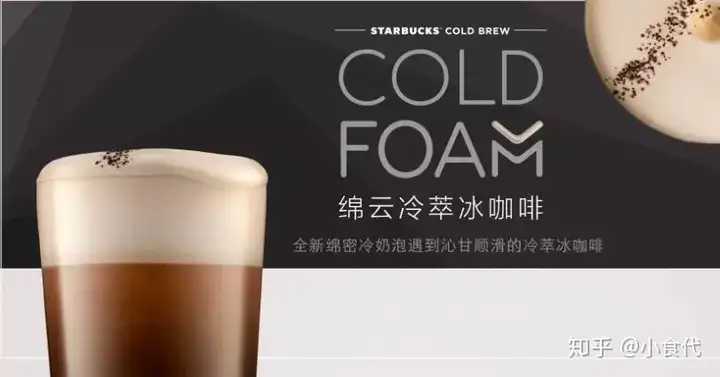
Grismer在会议上首先谈到,星巴克在提供优质咖啡产品等方面有着独特的优势,得益于其专有的突破性饮料创新的支持。相关的例子包括气致冷萃咖啡(Nitro Cold Brew)和绵云冷萃冰咖啡(Cold Foam Cold Brew)。近期该公司还推出了广受欢迎的Pumpkin Cream Cold Brew,以及刚刚推出的Irish Cream Cold Brew。
在回答分析师提问是什么在推动星巴克业务的实质性增长时,Grismer提到了“三大支柱”,包括店内体验、饮料创新和数字化的客户互动。
而在具体谈到饮料创新时,他又表示,虽然食品仍然是星巴克产品组合中重要的组成部分,但在过去12到18个月,该公司将更多的产品创新资源集中投入到饮料中,而不是把创新资源在食品和饮料中分配。这一策略对于推动销售增长发挥了重要作用。
Grismer强调了星巴克意识到自己“饮料领先”的属性。“饮料是我们与众不同的关键。在美国市场最近一个季度同店销售增长的六个百分点中,有五个是它(饮料)贡献的。”Grismer说。
此外,他还表示,将更专注、投入更多资源到饮料创新,以及围绕什么最能引起年轻消费者共鸣的相关研究和洞察,使得公司能推出比前几年表现更好的新产品。他又提到,在过去几年里冷饮在星巴克饮料平台的发展中扮演了非常重要的角色。

“对我们来说冷饮不光是在下午时段或温暖的季节里面表现出色,而真正是在全年时段。即使是在早上,消费者通常也会寻找更提神的东西,而不一定是很热的东西。”Grismer说。而与此同时,他提到饮料的增长是来自包括热饮在内的整个饮料品类的增长。
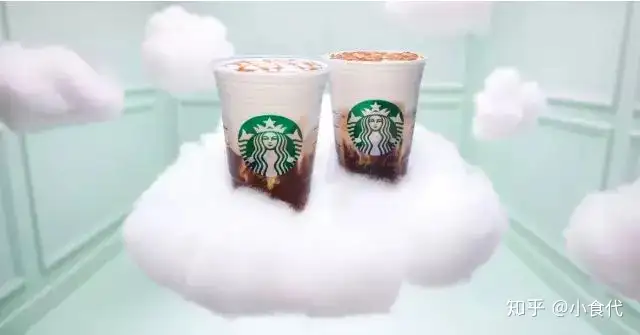
他还强调,和两年前公司更倚重特定时段供应的饮品来推动业务增长做法不同的是,如今采用的做法是围绕着公司可以创新的领域建立更多的饮料平台。其中一个例子是绵云冷萃冰咖啡。在绵云冷萃冰咖啡之后星巴克又推出了新的Cloud Macchiato(一款由浓缩咖啡,冷奶泡和焦糖组成的饮品)。
而几年前下午时段星冰乐销量有所下降的迹象,目前也已经有所改善。Grismer形容,星巴克推出的冷饮新品非常成功,并且为过去两个季度下午时段的业务增长做出了贡献。
二、谈在华竞争与瑞幸
随着瑞幸在美国登陆资本市场,其与星巴克之间的竞争也成为了分析师们关注的热点之一。
在本次会议上,分析师的关注点在于瑞幸的业务发展给星巴克带来了什么样的启示。对此,Grismer表示,瑞幸的发展证明了星巴克多年来的判断,即中国的特色咖啡零售类别非常有吸引力,且具有巨大的增长潜力。“但多年来,星巴克已经证明了优质咖啡的吸引力越来越大。”
而有意思的是,他提醒到,瑞幸经常强调其在中国的门店数量,其中90%以上是快取店(pickup locations)。“它们与星巴克提供的优质体验的第三空间的环境非常不同。”Grismer说。
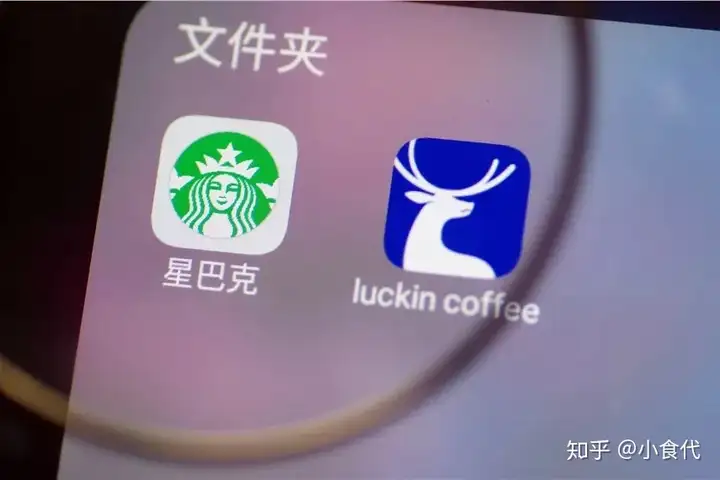
他又表示,星巴克对于在中国具有竞争力的地位感到非常满意,同时称相信现在和将来的空间都足够容纳这种竞争,而这种竞争在许多方面都有助于建立对专业零售咖啡的更深的认知。
而对于分析师提出瑞幸数字化的业务模式是否会改变星巴克与消费者互动的策略时,Grismer回应称,星巴克对于自己过往在中国市场的创新表现感到满意,包括去年与阿里巴巴建立合作关系,以启动外送业务;推出新的会员计划,该计划推出将近一年内,上一个季度活跃会员同比增长了45%等。
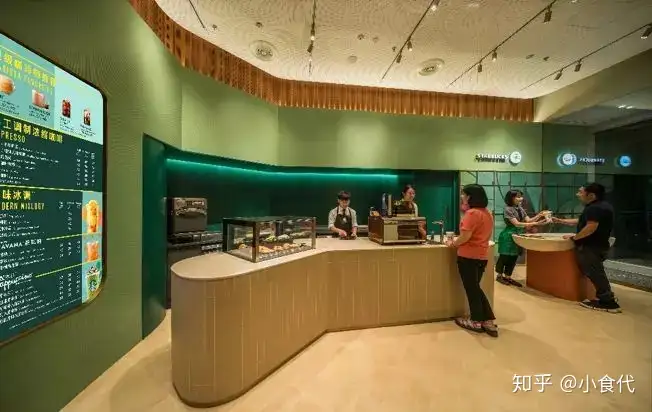
此外,今年夏季星巴克还推出了第一家“啡快”门店,近期第二家门店也落地北京。Grismer还表示,希望在新财年能开更多的“啡快”门店。
“我认为这更像是一种延续,一种悠久而丰富的创新历史,一种不断演变的概念,以满足顾客不断变化的口味。”他总结道,瑞幸所提供的服务面向的是不同的消费群体,以及不同的消费场景。而星巴克对于自己所奉行的提供优质咖啡体验的立场感到满意,并相信未来这依然是一种优势。
三、在华增长预期
小食代此前曾介绍,今年11月,星巴克首席执行官凯文·约翰逊(Kevin Johnson)曾在19财年四季度分析师会议上提到,预计2020财年中国市场的同店销售额增长为1%-3%之间。
而在摩根士丹利全球消费者会议当天,Grismer在回应分析师提问时更详细地解释了这一增长预期背后的考虑。他表示,基于三方面的原因,公司将当前在中国市场的增长预期设定在相对低个位数的1%至3%,而不是中到高个位数。
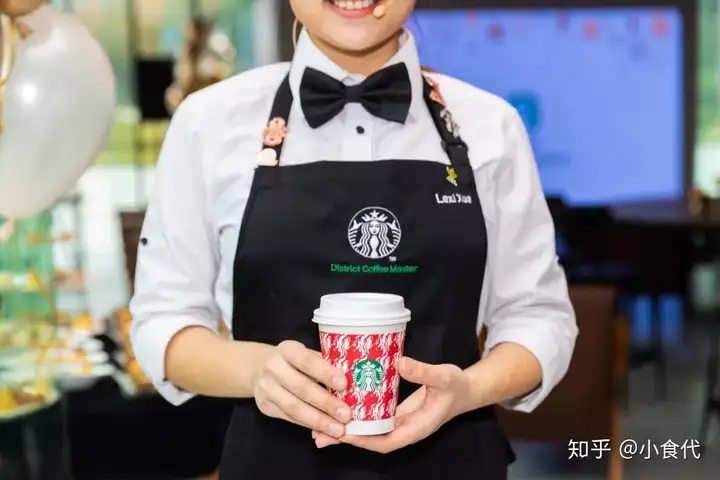
首先,星巴克正在加快开新店的步伐,看起来会出现“同店竞食”的效应,但公司实际上是有意而为之,以提高总体交易量和总体销售额。原因是星巴克看到了中国市场巨大的增长潜力,以及利用品牌优势快速发展的机会。
其次,咖啡行业整体竞争的加剧也是一个因素,但竞争并非来自于某个特定的竞争者。最后一个原因是,最近两三年经济增长速度比之前有所放缓,对于零售业的客流量也有一些影响。
四、全球咖啡联盟新目标
在会议最后,Grismer还分析了星巴克与雀巢联手的全球咖啡联盟的新进展。他表示,在全球咖啡联盟成立的第一年,星巴克已经扩展到了30多个市场,并希望在2020财年上半年达到50个市场。
“这比我们凭自己的力量打入这些市场要快得多,我们很高兴看到我们的品牌在全球快速消费品渠道的知名度和存在感。”他形容道。
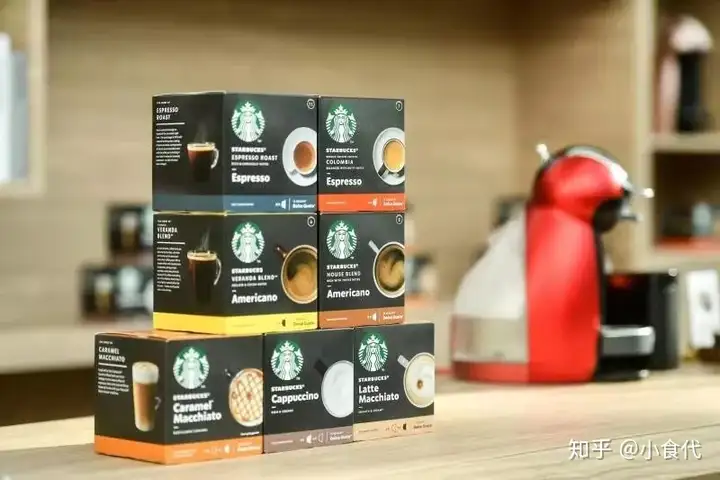
Grismer又表示,希望随着品牌进一步加快在国际市场的渗透率,能带来更多的特许权使用费收入。
“因此,在我们的长期模式中,我们对渠道拓展业务的展望是未来收入能增长4%到6%。以我划分的方式,在短期更多的是4%到5%,而在中长期则是5%到6%。”Grismer指出。
翻译:
Global coffee giant Starbucks is ramping up its beverage innovation strategy in hopes of generating even more growth.
Speaking at Morgan Stanley’s Global Consumer and Retail conference recently, Starbucks CFO Pat Grismer talked about the competitive environment Starbucks is currently facing in China, as well as its rival Luckin. He also explained in detail some of the considerations behind Starbucks’ growth expectations for China in fiscal 2020.
It’s worth noting that Grismer said Starbucks has seen more growth since it invested more resources in beverage innovation. “We recognize that beverages are the key to our differentiation.” “He pointed out.
In addition, he also revealed the latest outlook and targets for the global coffee alliance business.
Now, let’s look at the details.
Plus size beverage innovation
Grismer began the conference by talking about how Starbucks is uniquely positioned to offer premium coffee products, among other things, supported by its proprietary breakthrough beverage innovations. Examples include Nitro Cold Brew and Cold Foam Cold Brew. The company has also recently released the popular Pumpkin Cream Cold Brew and the recently released Irish Cream Cold Brew.
In response to an analyst’s question about what is driving material growth in Starbucks’ business, Grismer mentioned the “” three pillars” “of in-store experience, beverage innovation and digital customer interaction.
Speaking specifically about beverage innovation, he added that while food remains an important part of Starbucks’ portfolio, over the past 12 to 18 months, the company has focused more of its product innovation resources on beverages rather than on food and beverage. This strategy has been instrumental in driving sales growth.
Grismer emphasized that Starbucks is aware of its “beverage leadership” attributes. “Drinks are the key to making us different. It accounted for five of the six percentage points of same-store sales growth in the U.S. market in the most recent quarter.” “Grismer said.
More focus and resources on beverage innovation
In addition, he said, more focus and resources on beverage innovation, as well as research and insights about what resonates most with younger consumers, will allow the company to launch new products that perform better than in previous years. He also noted that cold drinks have played an important role in the evolution of Starbucks’ beverage platform over the past few years.
“For us, it’s not just in the afternoon or during the warmer months that cold drinks do well, it’s really year-round. Even in the morning, consumers are usually looking for something more refreshing, not necessarily something very hot.” “Grismer said. At the same time, he noted that the growth in beverages came from the overall beverage category, which includes hot beverages.
He also stressed that unlike two years ago, when the company relied more on time-based drinks to drive growth, today’s approach is to build more beverage platforms around areas where the company can innovate. One example is Cotton Cloud Cold Brew iced Coffee. After Cloud Cold Brew, Starbucks introduced Cloud Macchiato (a drink made with espresso, cold milk foam, and caramel).
Afternoon frappuccino sales, which showed signs of declining a few years ago, have improved. Grismer described Starbucks’ new cold drink offerings as successful and contributing to afternoon business growth over the past two quarters.
On competition and Luckin in China
As Luckin enters the U.S. capital market, its competition with Starbucks has become a hot topic for analysts.
At the conference, analysts focused on what Luckin’s development might mean for Starbucks. In response, Grismer said Luckin’s development proves Starbucks’ judgment for years that the specialty coffee retail category in China is very attractive and has significant growth potential. “But over the years, Starbucks has demonstrated the growing appeal of premium coffee.”
Interestingly, he notes that Luckin often highlights its number of stores in China, more than 90 per cent of which are pickup locations. “They are very different from the Third space environment that Starbucks provides for premium experiences.” “Grismer said.
Starbucks is pleased with its competitive position
He added that Starbucks is pleased with its competitive position in China, adding that he believes there is enough room for such competition now and in the future, which in many ways helps build a deeper understanding of specialty retail coffee.
When asked by analysts whether Luckin’s digital business model will change Starbucks’ approach to customer engagement, Grismer said Starbucks is pleased with its past innovation in China, including its partnership with Alibaba last year to launch its delivery business. The launch of a new membership program, nearly a year after the launch of the program, the last quarter of active membership growth of 45% year on year, etc.
Starbucks also opened its first Fast Coffee store this summer and recently opened a second in Beijing. Grismer also said it hopes to open more “fast food” stores in the new fiscal year.
“I think it’s more of a continuation, a long and rich history of innovation, an evolving concept to meet the changing tastes of customers.” He concluded that Luckin’s services cater to different consumer groups and different consumption scenarios. Starbucks is comfortable with its position on providing a great coffee experience and believes that will continue to be an advantage in the future.
Growth forecast in China
In November, Starbucks CEO Kevin Johnson said he expected 1% to 3% same-store sales growth in China in fiscal 2020 at the company’s Q4 analyst meeting, Xiao Food said.
Grismer, responding to analyst questions on the day of the Morgan Stanley Global Consumer Conference, explained the thinking behind the growth forecast in more detail. He said the company had set its current growth forecast for the Chinese market at 1-3 per cent in the relatively low single digits, rather than mid-to-high single digits, for three reasons.
First, Starbucks is accelerating the pace of new store openings, which may seem like a “same-store competition” effect, but the company is actually doing this deliberately to increase overall transaction volume and overall sales. The reason is that Starbucks sees huge growth potential in the Chinese market and an opportunity to leverage the strength of its brand to grow rapidly.
Second, increased competition in the coffee industry as a whole is also a factor, but not from any particular player. The last reason is that the economic growth rate in the last two or three years has been slower than before, which also has some impact on retail traffic.
New goal of global coffee Alliance
At the end of the session, Grismer also analyzed the latest developments in the global coffee alliance between Starbucks and Nestle. In the first year of the Global Coffee Alliance, Starbucks has expanded to more than 30 markets and hopes to reach 50 markets by the first half of fiscal 2020, he said.
“This is much faster than us breaking into these markets on our own, and we are excited to see the awareness and presence of our brand in the global fast-moving consumer goods channel.” “He described.
Grismer added that he expects to see more royalty revenue as the brand further increases its penetration in international markets.
“So in our long-term model, our vision for channel development is 4% to 6% revenue growth going forward. The way I divide it, it’s more like 4 to 5 percent in the short term and 5 to 6 percent in the medium to long term.” Grismer pointed out.
本文由CXO UNION-CXO联盟(cxounion.cn)转载而成,来源于网络;编辑/翻译:CXO UNIONCXO联盟小C。
如需加入CXO UNION(CXO联盟)高管社群,请联系社群小伙伴哦~

免责声明: 本网站(http://www.cxounion.cn/)内容主要来自原创、合作媒体供稿和第三方投稿,凡在本网站出现的信息,均仅供参考。本网站将尽力确保所提供信息的准确性及可靠性,但不保证有关资料的准确性及可靠性,读者在使用前请进一步核实,并对任何自主决定的行为负责。本网站对有关资料所引致的错误、不确或遗漏,概不负任何法律责任。
本网站刊载的所有内容(包括但不仅限文字、图片、LOGO、音频、视频、软件、程序等) 版权归原作者所有。任何单位或个人认为本网站中的内容可能涉嫌侵犯其知识产权或存在不实内容时,请及时通知本站,予以删除。
如需加入CXO UNION(CXO联盟)高管社群,请联系社群小伙伴哦~

免责声明: 本网站(http://www.cxounion.cn/)内容主要来自原创、合作媒体供稿和第三方投稿,凡在本网站出现的信息,均仅供参考。本网站将尽力确保所提供信息的准确性及可靠性,但不保证有关资料的准确性及可靠性,读者在使用前请进一步核实,并对任何自主决定的行为负责。本网站对有关资料所引致的错误、不确或遗漏,概不负任何法律责任。
本网站刊载的所有内容(包括但不仅限文字、图片、LOGO、音频、视频、软件、程序等) 版权归原作者所有。任何单位或个人认为本网站中的内容可能涉嫌侵犯其知识产权或存在不实内容时,请及时通知本站,予以删除。
Search
Popular Posts
-

2024数字化灯塔案例评选申报开启!
“2024数字化灯塔案例评选”于3月正式启动,诚挚欢迎业界同仁自荐和推荐,一起推动产业数字化进程,助力赋能企业…
-

2024 X-Award星盘奖申报通道已开启!
X-Award星盘奖是数字化转型服务、IT服务行业重要的商业奖项,旨在表彰行业里提供杰出数字化转型服务与IT服…
-

2024 N-Award星云奖申报通道已开启!
N-Award是数字化转型领域重要的商业奖项,旨在表彰那些以非凡的远见、超群的领导才能和卓越的成就来激励他人的…