
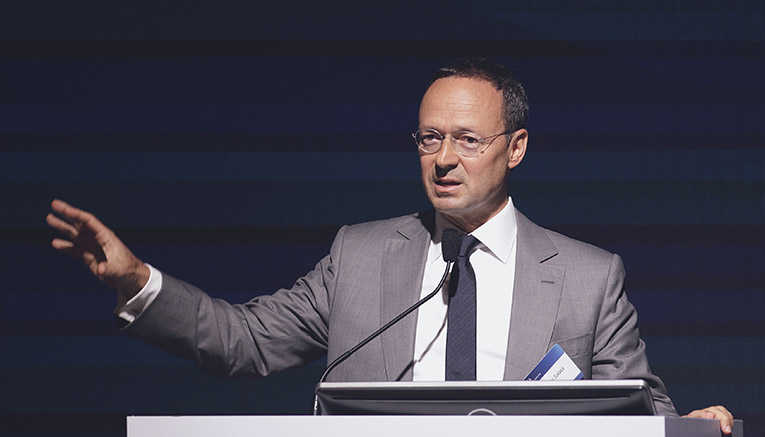
在Jean Salata的领导下,霸菱亚洲(BPEA)从一家首只基金规模只有大约3亿美元的小型私募股权公司发展到今天200亿美元的业务规模。而在此期间,他也在公司位于香港的办公室见证了中国30多年来的改革与开放。
BPEA逐渐形成了自己独道的运营方法,在所投资的医疗、物流、媒体、教育、金融服务和零售领域拥有深厚的行业知识,在规模增长、跨境扩张与补强型收购上把控有度。
在香港地缘政治环境不断变化且整个亚洲新冠危机逐步缓解之际,Salata受邀与麦肯锡驻上海全球董事合伙人、大中华区私募股权咨询业务负责人Ivo Naumann以及驻香港全球副董事合伙人Wouter Baan座谈,探讨中国私募股权(PE)市场现状,包括日益活跃的私募资产二级市场的发展。
讨论内容涵盖了PE交易流演变的关键趋势、数字化如何同时影响被投公司和PE机构自身以及领导力和人才为何是创造超额回报的关键。
Jean Eric Salata
个人履历
教育背景:宾夕法尼亚大学沃顿商学院 工商管理学士
职业成就:
霸菱亚洲首席执行官,总领所有投资和撤资决策与战略方向,该公司曾是英国Baring Private Equity Partners的亚洲私募股权区域性投资计划,由Jean一手创立。
2008年收购诺德安达教育集团并做退市私有化,此后8年该公司EBITDA实现20倍增长,达到逾2亿美元,并在美国重新上市。之后又以43亿美元的交易价格再次私有化,多家BPEA基金参与其中。
领导了对Baring Private Equity Partners亚洲PE计划的管理层收购,在2000年创立霸菱亚洲。
曾担任位于香港的美国国际集团(亚洲)投资有限公司董事,该公司是美国国际集团(AIG)在亚洲的私募股权投资分支。
曾任香港工业企业绍荣钢铁的执行财务副总裁。
曾任贝恩公司顾问,在香港、悉尼和波士顿工作。
麦肯锡:中国PE市场迅速扩张,规模已达世界第三,但其GDP占比仍然相对较低。您如何看待市场未来的发展?
Jean Salata:如今并购型交易和更大规模的交易越来越多,数字化转型和技术的重要性日益提升。这反映出中国政府对互联网、移动技术、数据和人工智能的接受度之高——这些技术正在深刻改变人们开展业务的方式。中国是技术应用领域的领跑者,科技应用几乎出现在每一个业务领域。
中国是当前全球经济增长的主要动力,对于希望从利润、生产率、创新、资本形成及投入资本回报率增长中获益的投资者而言,仍然具有吸引力。随着经济进一步市场化、农村经济更多向城市经济转型以及消费和消费行业进一步发展,中国市场的增长势头将持续强化。
以前,经济在很大程度上由政府投资驱动,但如今消费扮演着更为重要的角色。这一长期主题将持续发挥影响:即消费增长、中产阶层扩大以及技术和转型带动的增长。在中国,追逐这些主题的资本也很多。企业与PE投资人所面临的挑战是如何在快速应对变化的环境中做好投资,以及如何找到增长机遇、估值与资本回报间的交集。
麦肯锡:市场上有大量可投资金。PE行业能否严格自律以避免在部署大量资金时过度推高价格?
Jean Salata:大多数普通合伙人(GP)都是非常自律的投资人。这是一个适者生存的行业,不自律的行为会体现在投资回报中,从而被淘汰出局。当前全球环境的独特之处在于利率极低,资本回报率很低。美国国债市场规模大概在20万亿美元,但为投资者带来的回报却只有约1%。以前很多资本能够获得比如4%~5%的回报,而现在回报率却只有1%,因此资本也在寻找其他投资领域。这渗透到整个投资者链条,影响着人们所追求的投资回报率。
创造回报的方式也需要适应当今的高估值环境,包括在合适的行业收购客观条件和成长性都适合的公司,同时还要有切实计划,在持有被投企业并进行重新定位后,能够推动其实现额外的增长、利润率和退出倍数。投资人需要考虑如何为被投公司配置更好的领导力或实施数字化转型,从而创造收益。
总体而言,PE行业将继续蓬勃发展,原因是投资者对于获得超出公开市场投资收益水平的收益需求十分强烈。
如果PE公司能够持续为被投公司增加价值,那么投资人便能够继续从PE策略的低流动性和所创造的阿尔法收益中获益,当然,前提是要以自律的方式进行。亚洲PE行业已经远比20到30年前的“家庭作坊式”要成熟和发达。
如今,我们拥有全部工具以及经验丰富的GP和服务提供商,能够帮助和支持我们的投资决策。我们拥有非常发达的融资市场为投资提供资金来源。我们还看到更多控股型投资的出现,在这类交易中,投资人可以对业务产生实质性影响,而不再仅仅做被动投资。
麦肯锡:过去十年与再往前的十年相比,我们看到了更多的控股型机构和多数股权投资。您认为还会有哪些其他的差异或机会出现?
Jean Salata:我们一直不甘人后,始终确保自己与其他人做得同样好,尤其是在全球标准上。历史上,亚洲的PE投资曾经非常偏向于被动型。之后,这样的情形逐渐改变,从原本少数股权的被动投资更多转向成为积极股东、持有多数股权的主动投资。最初,人们会将财务杠杆应用于那些能够控制现金流并产生高于先前股本回报的交易和公司中,这合情合理。
之后人们会建立起相关能力,与被投公司合作、改善其运营或为其制定业务战略,包括改善领导层。很多因素最终都取决于公司由谁执掌,以及你拥有怎样的管理团队、独立董事长或非执行董事。在改善企业领导力方面,行业已经有了很多发展和提升。
与此相应,很多CEO和高管团队都有过管理被投公司的经验,或许这已经是他们服务的第二或第三个交易项目了。与这样的人一起工作令人精神振奋,因为他们驾轻就熟。他们了解我们的行事方法与目标,因此能够完全达成统一。他们中有很多人作为成功的CEO或高管已经积累了相当多的财富,因此可以作为出资人跟投我们的交易。我们关注和考虑的问题将非常一致。这是市场中的一大变化,并将延续下去。
在看到数字化影响的同时,我们也看到更多的股权转让交易,而不再是IPO。新冠疫情加速了美国及包括亚洲在内世界其他地区的数字化转型,这一趋势还将延续。未来,在我们自身以及各被投企业的业务运营中,数据和数据分析应用会越来越多。
近期我们引入了一些既了解数据分析,又了解数字化基础设施的人才。数字化基础设施包括正确的数据收集渠道,标的企业评估系统以及能让你保持竞争力的信息收集系统。
数字化发展已经从仅仅在网上销售产品和服务,转变为切实借助从客户、供应商和竞争对手处收集的信息,来指导运营;正是这一转变让我们能够做出更好的决策。在这方面,PE行业尚处于起步阶段,我们正努力做得更多。
同时,聚焦单一行业也变得越来越重要。综合型策略是在PE行业起步时的合理选择。但随着PE公司日益成熟、企业竞争加剧,你需要成为行业专家,具备深刻的行业洞见,并拥有能迅速引进合适的管理团队、顾问与尽调专家的行业关系。你应该熟悉行业人才,他们可以为你的决策提供帮助,使你在收购企业时更具竞争力,并在收购完成后立刻开展实际运营。
麦肯锡:PE公司是否做好准备应对这些不断变化的要求?
Jean Salata:目前大环境很艰难,这与2008-2009年以及1999-2000年的情况类似。外部环境变幻莫测,但公司的兴衰往往归结于内部问题。文化、人才以及业务运营方式至关重要。一切都关乎于人才及能力培养。作为一家学习型组织,我们的一大价值观就是谦虚。我们必须承认自己并非无所不知,每个人都会相对频繁地犯错。关键是要认清这些错误,找出未来改进的方法,并在整个组织中分享传播这些经验。我们强调开放的文化以及围绕学习开展讨论,从错误中学习,并共同庆祝成功。
灵活性在组织层面也很重要。我一直坚信组织需要多样性,这也和我们在多个国家和不同地区开展业务有关,相应的语言能力和多元文化背景几乎必不可少。我们公司有很多女性担任初级、中级或资深合伙人,她们为公司带来了不同的视角,让我们的组织变得更加有效。
我们也非常愿意与行业专家合作。我本人来自咨询背景,我认为咨询的思维框架非常重要,即先清晰地定义问题及问题解决方式,再汇总所有数据和资源去解决问题。
除此之外,找到在特定行业或国家/地区中有运营经验的人,对于管理业务极具价值。
在交易前及投资后,我们都会与很多业界人士合作,开展尽职调查、增进对业务的理解并通过他们来寻找合适的管理团队。新冠危机对很多机构和公司都将是决定性时期。如何在危机期间进行管理? 采取了哪些措施? 如何渡过危机? 归根结底要看企业的人才构成和组织文化,以及如何充分利用人才。
团队携手应对危机是令人兴奋的,因为我们要比以往任何时候都更加紧密合作。在某种程度上,疫情将人们团结在一起,使你能够做出平时需要花费数月或数年才能做出的决策。因为有紧迫感,才能当机立断。现在,我们依然具备这种紧迫感,并以此为契机,更加关注疫后复苏及创造新的阿尔法收益。我们要问自己:如何保持这种紧张感并继续前行? 如果驾驭得当,这种紧张感会成为强大的动力。
麦肯锡:您提到通过更多地参与价值创造来创造阿尔法收益,这与过去的少数股权/增长型投资不同。实践中,您是如何建立运营团队或搭建能创造价值的投后团队呢?
Jean Salata:万灵丹并不存在,但人们可以先从建立框架开始。我们有一套战术手册,称之为霸菱管理体系BMS,它有六个不同的模块。关键是要主抓一至两个或三个重要的着力点,切忌贪多务得。在我们公司有一句话:“大处着眼,小处着手。”因此,要制定高远目标,但也要从一些相对较小、能够迅速完成的初始工作着手。一般而言,我们会从一两个最有机会看到成果的领域开始。然后是找到合适的人,为相应目标匹配适当人才。另一个关键在于多快能完成上述工作。通常,你需要一年时间将合适的人安排到合适的位置,并制定出合适的计划。但这一周期太长了。
在投前你就要立好议题,并准备好非常详细的蓝图。在投后,要迅速让管理团队进入、修订计划并开始实施,要在前三到六个月内配置好合适的人选。如果在第一年能够切实开展工作并快速起飞,那么基本上就打下了良好的投资开局,未来将会受益良多。
另外,处理好数字化和数据工作对大部分企业而言也是创造阿尔法收益的重要因素。这关系到未来的退出战略,以及能否通过补强型并购迅速扩大业务规模,亦或通过内生增长扩展业务,从而改善被投企业的经营杠杆、利润率和估值倍数。也许你还需要对其业务进行重新定位。
我们投资过一些业务成长性较低、商品化程度较高的公司。我们剥离出那些利润较低的业务线,将重点放在诸如电动汽车供应链、航空航天或医疗器械等领域。利润率越高,增长越快。
你不仅可以改变当前业务的利润率结构,还可以通过进入利润和增长更高的业务领域来提升估值倍数。计划的实际执行则是见真章之处,执行方式以及执行所需时间都非常重要,因为我们是在与时间赛跑。
麦肯锡:我们观察到越来越多的募资正向少数基金集中。有限合伙人(LP)正试图减少所投资的基金数量。您对此有何展望? 普通合伙人应采取哪些措施才能成为受益于此趋势的“少数派”?
Jean Salata:这在某种程度上是行业发展的结果,也有一些泡沫。行业里始终会有一些非常专业、进取、更年轻也更新的公司在做他们的第一或第二只基金,或是在做更“精品”型的业务,一些年轻团队在实现增长并创造着丰厚的回报,还有人更专注细分市场的策略、或是规模较小的交易。另一方面,市场出现了资金向较大型基金集中并从中受益的趋势,这些大基金能够在自己的组织中建立规模优势,同时也追逐大规模资产并推动所投企业实现变革。从某些方面讲,中型和大型市场的竞争没有那么激烈,因为这类资产的竞购者较少,买家往往极为自律。这里涉及的是数十亿美元的规模,你不会去做太过分散化的投资组合,然后承担其中一部分亏本的风险;而是必须确保每笔投资都会很成功或至少不差。通常,大型市场的大部分参与者都对其承销的投资非常谨慎,市场上会自发形成一种自我节制的氛围。随着交易规模增加,竞争者通常会减少。交易的中介化程度会更高,但令人惊讶的是,出于种种理由,我们也看到很多没有中介参与的交易。那是一种更加双边化的交易,可能是一个收购并私有化的项目,可能是与一家有过往关系的公司做交易,也可能是因你持有的资产能够与某块业务结合而促使双方开展了战略讨论。很多因素会导致大型交易不总是经由中介完成。
另外,建立内部、行业、运营或技术能力都需要一定的规模基础。比如,我们内部有一支庞大的债务资本市场团队,为我们的被投公司做了很多的债务融资以及退出策略规划。
我们每周召开一次会议,讨论各个团队从各地区接收到的信号,帮助我们决定是否侧重于某类交易,或避免那些感觉不对的交易。还有一个临界点问题:如果你是LP,手上有一个大型投资计划,那么你需要较大规模的出资承诺才能为自己的投资计划带来显著收益增长。同时,你还要避免在任何一只基金中占有过大比重,因此通常只有规模较大的基金和较大的投资计划,才能容纳你的出资规模。大多数LP都受到资源约束,因此从生产力角度看,他们希望与GP建立更强的联系。生产力提高对各方(包括我们)都有利。规模提升会带来效益,因此我认为这一趋势将会继续。
有一种反对观点认为,如果规模太大,投资者将面临回报递减的情况:你无法管理那么多资金,无法有效部署,或者变得过于保守而只敢承担较小的风险。我个人并未看到这种情况。确实会有一些较小的基金能够通过一两次“本垒打”创造出远高于行业的回报。但是如果你去看行业的预期回报和绝对回报,大部分是来自规模较大的公司。这种让大量资本产生稳定回报并随着时间推移实现复合增长的能力,将让投资人的资产配置实现绝对收益最大化,与之相比,短期、少量的超额收益,并不能给整个投资计划创造绝对收益。因此资金向大型基金集中的情形也会延续下去。
另一个现象是机构化,PE已不再是“家庭作坊式”的行业。虽然许多公司仍处于第一代,即便在美国,大多数创始人也仍然在执掌业务,但在未来20年,发达市场的代际更替将会全面发生。在亚洲,这一情形也会出现。想一想,你创立的机构能够超越创始人一代而延续下去,并打造真正持久的业务,就像麦肯锡那样,这非常激动人心。
为此,你必须考虑如何将管理团队、专业深度和系统化方法进行体系化;考虑如何以系统的方法开展业务,并打造创新所需的持久敏捷性与能力,同时将有才华的年轻人才引入组织。你拥有怎样的人才招募和培训计划? 怎样的人力资源团队? 如何激励年轻人并与他们分享成果? 所有这些都至关重要。规模较大的公司在这方面更有长期优势,将逐渐成长并实现机构化、体系化。
麦肯锡:您如何看待当前交易类型的多元化,未来可进行PE投资的公司数量会发生什么变化?
Jean Salata:从少数股权/成长型投资开始,行业为企业提供了扩展业务所需的股权资本,如今,交易已经囊括从代际更替到公司资产剥离的所有领域。在新冠危机期间,我们看到了巨大的市场错位,这带来诸如收购并私有化的机会。这一情形在亚洲等新兴市场会周期性出现,因为这些市场倾向于大起大落。流动性一波波涌入,又潮水般退去。当流动性枯竭时,市场下跌,公司陷入困境。比如,当前印度银行业正面临的困局。
由于整个系统承压,许多上市公司的估值出现腰斩、甚至更大幅度的下跌。还有一些人持有的被投公司已经上市,或本来就是上市公司,但市值出现大幅下跌,从而有机会通过自己持有的另一家被投公司做收购及私有化交易。这样的例子我们也看到过。随着收购交易数量的上升,一家PE公司从另一家PE公司购买资产将变得越来越普遍。这听上去像是一种低回报的策略,或是一个难以理解的市场,但事实并非如此。和股票市场一样,人们每天都从其他人那里买卖、换手。
当然有一级市场IPO,但大多数交易是属于二级市场性质。私募市场也在发生同样的情形。人们出于各种原因买卖资产,并非总是因为一只基金收益已经最大化,所以该卖出了。决策通常与投资的生命周期相关。从确定主题、进入交易到运营建设,比如你的基金生命周期是十年,投资期限是五到六年。自然会出现一个时点,卖出获利,并继续向前。通常,这些资产在第二次被持有期间、甚至更长的时间内都会取得良好的业绩。与之相对应,一些商业集团可能会决定做战略变革,希望剥离一些公司,围绕这类公司的交易也会越来越多。
在当前环境下,可能会出现更多的剥离与拆分机会,因为大家的资产负债表可能存在流动性问题或短期错位。从PE角度看,这非常具有挖掘潜力。另外,当今世界的地缘政治现状也是我们所有人关心的重大问题。人们的撤资意愿会创造出一些机会。有的公司可能想调整区域重点,并有可能因地缘政治问题而退出某个地区。在大规模并购领域,也一定会出现因持续代际更替而带来的交易流。
跨境交易会越来越多,比如某家公司为实施全球化,需要将业务范围扩展到亚洲以外,它可以加入一家全球企业,或去收购一些全球化的业务。
如今,人们对PE行业的认识也超过从前。人们总体上越来越接受PE在行业重振和复苏中的作用;相信PE有能力帮助拥有过多子公司的企业剥离非核心业务,并让这些业务在所有权更集中的情况下蓬勃发展。
这些公司的管理团队也会受到激励。他们将得到更多的关注和更多的资金支持,并将变得更高效且更有竞争力。因为相较于拥有200家子公司的大集团,新的持有人会更加聚焦一项资产。亚洲地区的很多领域都将出现越来越多的交易流,随着行业的增长,这一趋势预计将会延续下去。
翻译:
Under Jean Salata’s leadership, Baring Asia (BPEA) has grown from a small private equity firm with a first fund size of about $300 million to a $20 billion business today. During this time, he also witnessed China’s reform and opening-up for more than 30 years from the company’s office in Hong Kong.
BPEA has developed its own unique approach to operations, with deep industry knowledge in the healthcare, logistics, media, education, financial services and retail sectors in which it invests, as well as control over scale growth, cross-border expansion and bolt-on acquisitions.
Amid the changing geopolitical environment in Hong Kong and the easing of the coronavirus crisis across Asia, Salata was invited to sit down with McKinsey’s Global Managing Partner in Shanghai, Ivo Naumann, head of the Greater China Private Equity advisory practice, and Wouter Baan, global Associate Managing partner in Hong Kong. Discuss the current state of the private equity (PE) market in China, including the development of an increasingly active secondary market for private assets.
The discussion covered key trends in the evolution of PE deal flow, how digitization is impacting both investees and PE institutions themselves, and why leadership and talent are key to generating outsized returns.
Jean Eric Salata Personal resume
Education: Bachelor of Business Administration, Wharton School, University of Pennsylvania
Career Achievements:
Chief Executive Officer of Baring Asia, responsible for all investment and divestment decisions and strategic direction, the former Asia Private Equity regional investment initiative of Baring Private Equity Partners in the UK, founded by Jean.
In 2008, it acquired Nord Anglia Education Group and took it private, increasing EBITDA 20-fold to more than $200m in the following eight years and relisting in the US. It was then taken private again in a $4.3 billion deal involving several BPEA funds.
Led the management buy-out of Baring Private Equity Partners’ Asia PE initiative and founded Baring Asia in 2000.
He was a director of American International Group (Asia) Investments Limited, the Asian private equity arm of American International Group (AIG), based in Hong Kong.
He was previously executive vice president of finance at Hong Kong industrial company Sau Wing Steel.
He was a consultant at Bain & Company, based in Hong Kong, Sydney and Boston.
McKinsey: China’s PE market has expanded rapidly and is now the third largest in the world, but its share of GDP is still relatively low. How do you see the market developing in the future?
Jean Salata: With the increasing number of mergers and acquisitions and larger transactions, digital transformation and technology are becoming increasingly important. This reflects the Chinese government’s embrace of the Internet, mobile technology, data and artificial intelligence – technologies that are profoundly changing the way people do business. China is the leader in technology applications, which appear in almost every business area.
China is currently the main driver of global economic growth and remains attractive to investors looking to benefit from growth in profits, productivity, innovation, capital formation and return on invested capital. With the further marketization of the economy, the transition of more rural economies to urban economies, and the further development of consumption and consumer industries, the growth momentum of the Chinese market will continue to strengthen.
Previously, the economy was largely driven by government investment, but now consumption plays a more important role. This long-term theme will continue to have an impact: rising consumption, an expanding middle class, and growth driven by technology and transformation. In China, too, there is plenty of capital chasing these themes. The challenge for companies and PE investors is how to invest in a rapidly changing environment and how to find the intersection between growth opportunities, valuation and return on capital.
McKinsey: There’s a lot of investable money out there. Can the PE industry be disciplined enough to avoid pushing up prices excessively when deploying large amounts of capital?
Jean Salata: Most general partners (GPS) are very disciplined investors. This is a survival-of-the-fittest industry, and undisciplined behavior will show up in the return on investment and be eliminated. The current global environment is unique in that interest rates are extremely low and the return on capital is low. The Treasury bond market is roughly $20 trillion in size, but returns to investors are only about 1%. In the past, a lot of capital could earn a return of, say, 4 to 5 percent, but now the return is only 1 percent, so capital is also looking for other places to invest. This permeates the entire investor chain and affects the rate of return sought.
Returns also need to be generated in a way that is appropriate for today’s high valuation environment, including acquiring companies in the right industries with the right conditions and growth profile, as well as a realistic plan to drive additional growth, margins and exit multiples when owned and repositioned. Investors need to think about how to equip their portfolio companies with better leadership or digital transformation to generate revenue.
Overall, the PE industry will continue to thrive due to strong investor demand for returns that exceed the level of public market investment returns.
If PE firms can continue to add value to their investees, then investors can continue to benefit from the low liquidity and alpha gains created by PE strategies, provided, of course, that they do so in a disciplined manner. The Asian PE industry is far more mature and developed than the “home workshop” of 20 to 30 years ago.
Today, we have all the tools and experienced GPS and service providers to help and support our investment decisions. We have a very developed financing market to fund our investments. We are also seeing the emergence of more controlling investments, where investors can have a material impact on the business, rather than just being passive investments.
McKinsey: We’ve seen more controlled institutions and majority investments in the last decade than in the decade before that. What other differences or opportunities do you think might arise?
Jean Salata: We are always behind the curve, always making sure that we are doing as well as everyone else, especially on global standards. Historically, PE investment in Asia has been very passive. Since then, this situation has gradually changed, from the passive investment of minority shares to the active investment of active shareholders holding majority shares. Initially, it makes sense that leverage would be applied to deals and companies that could control cash flow and generate higher returns than previous equity.
People then build the capacity to work with, improve operations or develop business strategy for the company, including improving leadership. A lot ultimately depends on who runs the company and what kind of management team, independent chairman or non-executive director you have. There has been a lot of development and improvement in the industry in terms of improving corporate leadership.
As a result, many ceos and executive teams have experience running their portfolio companies, perhaps on their second or third deal. It’s refreshing to work with people like that because they’re so comfortable. They understand our approach and our goals, so they are fully aligned. Many of them have accumulated considerable wealth as successful ceos or senior executives and can therefore contribute to our deals as investors. Our concerns and considerations will be very much the same. This is a big change in the market and will continue to be.
While we are seeing the impact of digitalization, we are also seeing more equity transfer transactions
While we are seeing the impact of digitalization, we are also seeing more equity transfer transactions, rather than ipos. The COVID-19 pandemic has accelerated digital transformation in the United States and other parts of the world, including Asia, and this trend will continue. In the future, there will be more and more data and data analytics applications in our own business operations and those of our portfolio companies.
We’ve recently brought in people who understand both data analytics and digital infrastructure. Digital infrastructure includes the right data collection channels, evaluation systems for target companies, and information collection systems to keep you competitive.
Digital evolution has shifted from merely selling products and services online to actually using information gathered from customers, suppliers and competitors to guide operations; It is this shift that allows us to make better decisions. In this regard, the PE industry is still in its infancy, and we are trying to do more.
At the same time, it is becoming increasingly important to focus on a single industry. The comprehensive strategy is a reasonable choice when the PE industry starts. But as PE companies mature and competition increases, you need to be an industry expert with deep industry insights and industry relationships that can quickly bring in the right management team, consultants and experts. You should be familiar with industry talent who can help you make decisions that will make you more competitive when you acquire a business and get it up and running as soon as the acquisition is completed.
McKinsey: Are PE companies prepared to deal with these changing requirements?
Jean Salata: It’s a difficult environment, similar to 2008-2009 and 1999-2000. The external environment is unpredictable, but the rise and fall of a company often comes down to internal problems. Culture, talent and how the business is run matter. It’s all about talent and capacity development. As a learning organization, one of our values is humility. We have to accept that we don’t know everything and that everyone makes mistakes relatively frequently. The key is to recognize these mistakes, identify ways to improve in the future, and share these lessons throughout the organization. We emphasize a culture of openness and discussion around learning, learning from mistakes, and celebrating successes together.
Flexibility is also important at the organizational level. I have always been a firm believer in the need for diversity in organisations, which is also related to the fact that we operate in multiple countries and regions, and the appropriate language skills and multicultural background are almost essential. We have many women as junior, middle or senior partners who bring different perspectives to the firm and make our organization more effective.
We are also willing to work with industry experts. I come from a consulting background, and I think the thinking frame of consulting is very important, that is, first clearly define the problem and the way to solve the problem, and then collect all the data and resources to solve the problem.
In addition to this, finding someone with operational experience in a particular industry or country can be extremely valuable in managing the business.
Before and after a deal, we work with a wide range of industry professionals to conduct due diligence, improve understanding of the business and use them to find the right management team. The coronavirus crisis will be a defining period for many organizations and companies. How to manage during a crisis? What measures have been taken? How to survive the crisis? In the final analysis, it depends on the composition of talents and organizational culture of the enterprise, and how to make full use of talents.
It is exciting to work together as a team to tackle a crisis as we work more closely together than ever before. In a way, the pandemic brings people together and enables you to make decisions that would normally take months or years. Because there is a sense of urgency, can make decisions. We still have that sense of urgency and are using it as an opportunity to focus even more on post-pandemic recovery and generating new Alpha revenues. We have to ask ourselves: How do we maintain this tension and move forward? When harnessed correctly, this tension can be a powerful motivator.
McKinsey: You mentioned creating alpha returns by being more involved in value creation, which is different from the minority/growth investments of the past. In practice, how do you build an operations team or a post-investment team that creates value?
Jean Salata: There is no panacea, but one can start by building a framework. We have a playbook called the Baring Management System BMS, which has six different modules. The key is to focus on one to two or three important focus points, do not take too much. There is a saying in our company: “Think big and start small.” So aim high, but also start with some relatively small initial tasks that can be done quickly. In general, we start with one or two areas where we have the best chance of seeing results. Then it’s about finding the right people and matching the right people for the right goals. Another key is how quickly this can be done. Usually, you need a year to put the right people in the right places and work out the right plan. But the cycle is too long.
Before you vote, you need to set the agenda and prepare a very detailed blueprint. After the investment, quickly bring the management team in, revise the plan, and start implementing it, with the right people in place within the first three to six months. If you can really hit the ground running in the first year and get off to a fast start, you’re basically off to a good start with investments that will benefit you in the future.
In addition, handling digital and data work is also an important factor in generating alpha revenue for most enterprises.
This is about the future exit strategy and the ability to rapidly scale the business through bolt-on M&A, or to expand the business through endogenous growth, thereby improving the operating leverage, margin and valuation multiple of the investor-owned company. You may also need to reorient your business.
We have invested in companies with low growth and high levels of commoditization. We divest those less profitable lines of business and focus on areas such as the electric vehicle supply chain, aerospace or medical devices. The higher the profit margin, the faster the growth.
Not only can you change the margin structure of your current business, but you can also boost your valuation multiple by moving into more profitable and growing business areas. The actual execution of the plan is where the real story comes in, and how it is executed and how long it takes to execute is very important, because we are in a race against time.
McKinsey: We’re seeing a growing concentration of fundraising into a small number of funds. Limited partners (LPS) are trying to reduce the number of funds they invest in. What is your outlook on this? What can GPS do to become a “minority” benefiting from this trend?
Jean Salata: This is to some extent a result of the development of the industry, there are also some bubbles. There will always be some very professional, aggressive, younger and newer firms doing their first or second fund or doing more “boutique” businesses, some young teams growing and generating strong returns, others focusing more on niche strategies or smaller deals. On the other hand, there has been a tendency for capital to concentrate and benefit from larger funds that are able to build scale advantages in their own organizations while also chasing large assets and driving change in the companies they invest in. In some ways, the mid-sized and large markets are less competitive because there are fewer bidders for such assets and buyers tend to be highly disciplined.
There are billions of dollars at stake here, and you don’t take a portfolio that is too diversified and then take the risk of losing some of it; You have to make sure that every investment will be successful or at least not bad. Typically, most participants in large markets are very cautious about the investments they underwrite, and an atmosphere of self-restraint develops spontaneously. As the size of a deal increases, there are usually fewer competitors. There will be more intermediation, but surprisingly. We are also seeing a lot of unmediated transactions for a variety of reasons. It could be an acquisition and privatization, it could be a deal with a company you have a past relationship with. Or it could be a strategic discussion where your assets fit into a business. There are many reasons why large transactions are not always done through intermediaries.
In addition, building internal, industry, operational or technical capabilities requires a certain base of scale.
For example, we have a large internal debt capital markets team that does a lot of debt financing and exit strategy planning for our investee companies.
We have weekly meetings where we discuss the signals that teams are receiving from each region and help us decide whether to focus on certain types of deals or avoid those that don’t feel right. There is another tipping point: if you are an LP with a large investment plan. You need a larger commitment to generate significant revenue growth for your investment plan. At the same time, you also want to avoid having too much weight in any one fund. So usually only the larger funds and the larger investment plans can accommodate the size of your contribution. Most LPS are resource constrained, so from a productivity perspective, they want a stronger connection with their GP. Increased productivity is good for everyone, including us. There are benefits to scaling up, so I think this trend will continue.
There is a counter-argument that if you get too big, investors will face diminishing returns:
you can’t manage that much money, you can’t deploy it effectively. Or you become too conservative to take on less risk. I personally don’t see that happening. There will indeed be some smaller funds that can generate returns well above the industry with a home run or two. But if you look at the expected return and absolute return of the industry. Most of it comes from the larger companies. This ability to generate stable returns on large amounts of capital and compound growth over time will allow investors to maximize absolute returns on asset allocation, in contrast to short-term, small amounts of excess returns, which do not create absolute returns for the overall investment plan. So the concentration of money into large funds will continue.
Another phenomenon is institutionalization, and PE is no longer a “family-style” industry. While many companies are still in the first generation, and even in the US. Most founders are still running the business, the next 20 years will see a full generational shift in developed markets. The same will happen in Asia. To think that you can build an institution that lasts beyond the founders’ generation and build a really lasting business, as McKinsey did, is very exciting.
To do this, you must consider how to systematize the management team. The depth of expertise, and the systematic approach; Consider how to do business in a systematic way and build the enduring agility and capability needed to innovate. While bringing talented young talent into the organization. What kind of recruitment and training program do you have? What kind of HR team? How to inspire young people and share results with them? All of this is crucial. Larger companies have more long-term advantages in this regard and will gradually grow and achieve institutionalization and systemization.
McKinsey: How do you see the diversification of current deal types and how will the number of companies that can invest in PE change in the future?
Jean Salata: Starting with minority/growth investments. The industry has provided companies with the equity capital they need to expand their businesses. And today deals cover everything from generational turnover to divestitures of companies. During the COVID-19 crisis, we have seen huge market dislocation, which has led to opportunities such as takeovers and privatisations. This happens periodically in emerging markets such as Asia, which tend to have big ups and downs. Liquidity flows in and out. When liquidity dries up, markets fall and companies get into trouble. Consider, for example, the current difficulties facing India’s banking sector.
Valuations of many listed companies have fallen by half or more as the system has come under pressure. Others hold companies that have gone public, or were already public. But have seen a significant drop in market value, giving them the opportunity to make acquisitions and take them private through another company they own. We’ve seen examples of this. As the number of buyout deals rises, it will become increasingly common for one PE company to buy assets from another. This may sound like a low-return strategy or a difficult market to understand, but it’s not. Like the stock market, people buy and sell from other people and change hands every day.
Of course there are primary market ipos, but most deals are of a secondary nature.
The same is happening in private markets. People buy and sell assets for all sorts of reasons. Not always because a fund has maximised its returns and so it’s time to sell. Decisions are often related to the life cycle of an investment. From determining the theme, entering the trade, to operational construction. For example, your fund’s life cycle is ten years, and the investment period is five to six years. There will naturally be a point at which you sell for a profit and move on. Typically, these assets perform well during the second holding period, or even longer. In response, some business groups may decide to make strategic changes and want to divest companies. And there will be more deals around such companies.
In the current environment, there are likely to be more divestitures and spin-offs as we may have liquidity issues or short-term misalignments in our balance sheets. From a PE point of view, this is very promising. In addition, the geopolitical state of the world today is a major concern for all of us. The willingness to divest will create opportunities. Some companies may want to adjust their regional focus and may withdraw from a region due to geopolitical issues. In the area of large-scale mergers and acquisitions. There is also bound to be deal flow due to continued generational turnover.
Cross-border transactions are becoming more and more common.
For example, if a company needs to expand its business beyond Asia to implement globalization. It can join a global company or acquire some global business.
Today, people are more aware of the PE industry than ever before. There is growing acceptance in general of the role of PE in the revitalization and recovery of the industry. We believe that PE has the ability to help companies with too many subsidiaries divest non-core businesses and allow these businesses to flourish under more concentrated ownership.
The management teams of these companies will also be motivated. They will receive more attention and more financial support, and will become more efficient and competitive. The new owner is more focused on one asset than a big group with 200 subsidiaries. Many sectors in the region will see increasing deal flow. And this trend is expected to continue as the industry grows.
如需加入CXO UNION(CXO联盟)高管社群,请联系社群小伙伴哦~
本文由CXO UNION-CXO联盟(cxounion.cn)转载而成,来源于McKinsey Greater China;编辑/翻译:CXO UNIONCXO联盟小宁檬。

免责声明: 本网站(http://www.cxounion.cn/)内容主要来自原创、合作媒体供稿和第三方投稿,凡在本网站出现的信息,均仅供参考。本网站将尽力确保所提供信息的准确性及可靠性,但不保证有关资料的准确性及可靠性,读者在使用前请进一步核实,并对任何自主决定的行为负责。本网站对有关资料所引致的错误、不确或遗漏,概不负任何法律责任。
本网站刊载的所有内容(包括但不仅限文字、图片、LOGO、音频、视频、软件、程序等) 版权归原作者所有。任何单位或个人认为本网站中的内容可能涉嫌侵犯其知识产权或存在不实内容时,请及时通知本站,予以删除。
如需加入CXO UNION(CXO联盟)高管社群,请联系社群小伙伴哦~

免责声明: 本网站(http://www.cxounion.cn/)内容主要来自原创、合作媒体供稿和第三方投稿,凡在本网站出现的信息,均仅供参考。本网站将尽力确保所提供信息的准确性及可靠性,但不保证有关资料的准确性及可靠性,读者在使用前请进一步核实,并对任何自主决定的行为负责。本网站对有关资料所引致的错误、不确或遗漏,概不负任何法律责任。
本网站刊载的所有内容(包括但不仅限文字、图片、LOGO、音频、视频、软件、程序等) 版权归原作者所有。任何单位或个人认为本网站中的内容可能涉嫌侵犯其知识产权或存在不实内容时,请及时通知本站,予以删除。
Search
Popular Posts
-

2024数字化灯塔案例评选申报开启!
“2024数字化灯塔案例评选”于3月正式启动,诚挚欢迎业界同仁自荐和推荐,一起推动产业数字化进程,助力赋能企业…
-

2024 X-Award星盘奖申报通道已开启!
X-Award星盘奖是数字化转型服务、IT服务行业重要的商业奖项,旨在表彰行业里提供杰出数字化转型服务与IT服…
-

2024 N-Award星云奖申报通道已开启!
N-Award是数字化转型领域重要的商业奖项,旨在表彰那些以非凡的远见、超群的领导才能和卓越的成就来激励他人的…