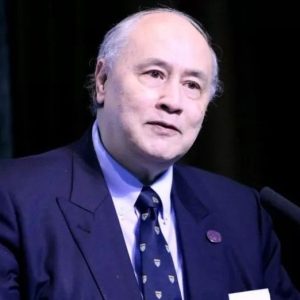
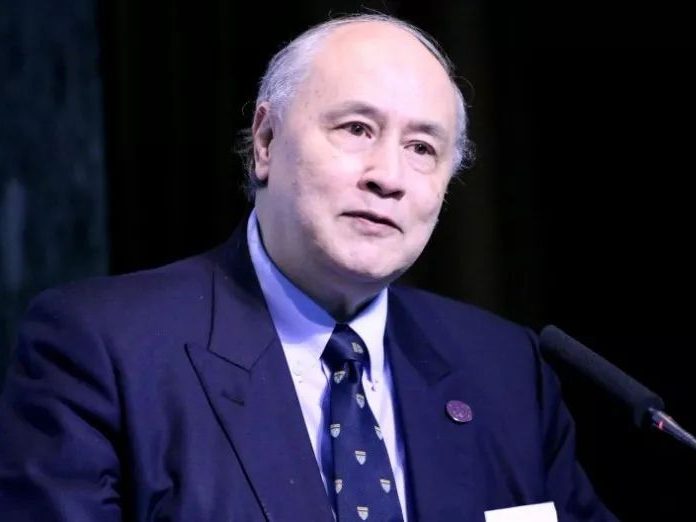
近日,以“金融助力经济复苏与全球合作”为主题的全球财富管理论坛•2023上海苏河湾大会在上海市静安区隆重召开。亚洲国际法律研究院联席主席、香港证监会前主席梁定邦(Anthony NEOH)出席全体大会并发表主题演讲。
梁定邦(Anthony NEOH)在演讲中强调,我们要透过“烟雾”看本质,看中国经济的韧性。他列举了中国经济韧性的几点体现:中国已成为世界工业强国;中国在基础设施、农业方面进步显著;中国在科技领域取得了巨大进步。他还提到,中国拥有充足的能源储备,正在大力发展可再生能源,实现绿色低碳发展。在软实力方面,中国不断完善法治,提升法官队伍素质;不断加强与其他国家之间的金融合作;建设人力资本,提高人的发展。总体而言,中国经济内在具有巨大韧性,能够持续健康发展。
以下为演讲中文译文。
出于多种原因,我将用英语发表演讲。我想,首要原因是我选择了“烟雾”(smog)这个词。为什么选择“烟雾”这个词呢?因为20世纪60年代末70年代初,我在英国伦敦留学,每到冬天,我在大街上几乎无法看清行人。这一问题花了很长很长的时间才解决,现在的伦敦已经看不到烟雾了,但我在伦敦的时候,真是烟雾重重。为什么称之为“烟雾”呢?“烟雾”是“烟”和“雾”两个字的组合。 CXO UNION-CXO联盟(cxounion.cn)
我之所以用这个词,是因为全世界都在透过浓浓的烟雾看中国。中国的很多事情人们并不了解,或者说不愿意了解,这就是为什么我认为我应该发表自己观点。自1985年以来,我一直在中国工作。在回国前,我在美国加利福尼亚州从事法律工作,而后回到香港继续从事法律工作,与诸多法律专业人士一起为我的国家工作。后来我非常幸运地能够在港股领域工作,成为香港证监会的首位华人主席,也有幸作为中国证监会的首席顾问为我的国家服务。在作为中国证监会首席顾问的最后一年(2003—2004年),我有幸成为尚主席的顾问,所以我和尚主席是老朋友了。我想,我要做的是透过这烟雾看到真相。楼部长提到“韧性”这个词,认为中国有很强的韧性。为什么会有这种韧性呢?对此我想谈谈个人的看法。我认为,形成这种韧性需要各种因素。
一、中国经济为什么具有很强的韧性?
大家都知道中国GDP的增长情况,关于这一点我就不多说了。而现在的情况是,中国已经从一个工业化水平较低的国家转变为一个工业化水平极高的国家。在早期阶段,我们必须进口大量的中间产品。换言之,我们进口别人已经生产出来的东西,再进行组装。但现在,我们自己生产并出口大量中间产品。因此,我们现在制造的很多东西都是本土生产的。以航天中心为例,由于对中国实施的制裁,航天火箭和空间站,从小零件到大组件,几乎百分之百都是中国制造,中国实际上已成为世界工厂。当前,我们看到许多国家,尤其是美国,本身正在去工业化,因此中国成为世界工厂对世界未来发展具有重要的战略意义。去工业化意味着产业升级,即本国只做设计,并要求别国为其生产。中国现在不仅成为别国的制造商,而且也是本国的制造商。中国已成为世界工业强国。
第二,我国在基础设施、通信、交通、水资源保障和农业方面取得了巨大进步,大家对此有目共睹。当我第一次见到楼部长时,他告诉我他的一个大项目是南水北调,这意味着大量投资。如今,我们已经看到了这一项目的成果,也就是水资源的调动情况。这是世界上最伟大的基础设施项目之一。大家可以在中国看到各种各样的基础设施项目,令人目不暇接。 CXO UNION-CXO联盟(cxounion.cn)
另一个重要方面就是农业。比如,走进新疆,会看到新疆的农业正在进行产业化。在中国的许多地方,高科技正在进入农业领域。
科技进步同样重要。众所周知,我们是世界上第二个拥有空间站、5G和6G的国家,而且是世界上最领先的。手机的普遍使用也是中国最重要的事情之一。我目前担任中国工商银行风险管理委员会主席,中国工商银行如今已建成了两个数据中心,分别在上海和北京。事实上,我们每天处理的所有交易中有96%都是通过工行的数据中心完成的,这些数据中心每天处理数十亿笔交易,96%的部分都是通过手机完成的。因此,电子商务基本上是中国最重要的事务之一,这在其他国家是看不到的。互联网的使用是我国通信系统中最重要的部分之一。
另外,中国现在是世界上最大的造船国。众所周知,我国第三艘航空母舰已经服役,第四艘航空母舰也在建造中,这仅仅是在军事领域的成就。更重要的是,在商业领域,中国也已经是世界上最大的造船国。中国也是飞机制造国,比如我们制造了C919国产大飞机。有人说C919只有60%的材料是中国制造的,但这一说法实际上没有触及本质,更重要的一点是我们已经能够将众多材料整合到一个非常复杂的机器中。以空中客车为例,每架空中客车的材料只有30%来自法国,其他70%的材料来自世界各地,其供应链非常庞大,但是供应链只提供材料,不提供技术。技术将所有部件整合成一个整体,使飞机能够安全飞行,同时使其具备最佳经济效益。这种技术和能力实际上掌握在工业大国手中,中国是世界上第三个能够真正制造大型飞机的工业强国。 CXO UNION-CXO联盟(cxounion.cn)
这再次表明,中国作为世界工厂和世界制造大国之一(可能是世界上最大的制造大国),确实具有很强的韧性。如果一个国家拥有非常强大的工业实力,就需要大量的能源。大家可能会问下一个问题,中国从哪里获得能源呢?
二、中国从哪里获得能源?
我们来看一下我国的发电情况。2020年,我国的煤电装机占整个电力系统装机容量的49%左右,也就是说,在2020年,我国已有51%的电力由非化石燃料产生,这是全世界规模最大的非化石燃料的发电量。在2023年,我国的化石燃料发电量只占不到45%,约占40%至45%,其余55%为核能、风能和太阳能发电。随着我们承诺到2060年实现碳中和,非化石燃料发电量这一比例还在不断增加。以目前的速度,预计中国可能会在2060年之前实现碳中和。此外,还有关于化石燃料的另一个问题。在中国的加油站加油,一升汽油大约相当于0.8美元/升。约合每加仑3.20美元。而今年美国的汽油平均价格是每加仑3.60美元。由此可知,我国的能源供应相对便宜。 CXO UNION-CXO联盟(cxounion.cn)
为什么会这样呢?这不仅是因为我们本国生产天然气和原油,而且也因为我们已经与俄罗斯、中东等国家签订了许多长期供应协议,同时,我们也一直在使用外汇储备中的美元来支付这些长期协议的款项。因此,我们在石油中储存了大量的长期价值,与其说我们有长期的货币储备,不如说我们有长期的石油储备。自2010年以来,我们一直在采取这样的做法。我刚从“一带一路”国际合作高峰论坛回来,我们在论坛上看到了很多中东国家的领导人,还有普京总统,等等。我们与这些国家之间有着深厚的友谊,并已经与金砖国家达成了许多协议,以确保有大量的黄金储备。最终,我们将用商品和黄金交换能源,货币可能显得并不那么重要,只是作为一种交换手段。这就是为什么说我们实际上储存的是制造能力,是未来的能源储备,也是我接下来会提到的最重要的三种资源,这三种资源并非一眼就可发现。
三、我国储存的最重要的三种资源
1. 法律基础设施
我们储存的第一种资源是软基础设施。软基础设施实际上是我们已经建立的法律基础设施。1985年,当我第一次回到祖国时,我见到了全国人民代表大会法律委员会秘书长。我请他向我展示中国有哪些法律。他给了我一摞非常薄的书,大约是10部中国法律。现在,中国的法律也许还是10本书,但应该是以电子数据储存的10本书,包含了数以万亿字节的信息。从物理层面上讲,我国的法律可以放满今天大会会场一半的空间,现在它们都存储在电子媒介中,占据数以万亿字节的内存。我国的法律现在已经取得了巨大的进步,做到了依法治国。
不仅如此,法院本身也有所改善。我刚回国的时候,大多数基层法院和中级法院的院长是退役的解放军军官,当时政府安排退役军人到法院任职。他们中的有些人也许懂一些法律方面的知识,但是并没有接受过法律培训。而现在,即使是最低级别的法院,即基层法院,法官们精通法律,而且是非常优秀的律师。比如我在上海见过的来自基层法院的很多法官,他们至少拥有法律硕士学位,而在中级法院,大多数法官都是法学博士。大家会认为世界上所有的先进国家情况都是如此,但比如说,当走进法国的法院,不会发现法国的法院有这么多的高素质人士,像我国法院那样。
此外,我国法院所做的另一件事是建立了一个大型网站和一个大型电子系统,这样一来,法院能够相当迅速地处理案件、查找裁决书。当前我国法院已经在以电子方式处理案件。法院系统所取得的进步有目共睹。
另外,我国的法院系统现在开设了国际商事法庭,并下设三个巡回法庭,每个巡回法庭都有一组国际顾问。我就是国际商事法庭专家委员会的国际顾问之一。国际顾问组中,还有世界上许多著名的法学家,其中一位是伦敦高等法院的法官威廉·布莱尔爵士(Sir William Blair)。他是一位备受推崇的法学家,同时也是英国前首相托尼·布莱尔(Tony Blair)的哥哥。在国际商事法庭专家委员会中,有很多德高望重的法学家来自欧洲,还有一些来自加拿大的法学家,以及一位来自美国的法学家,等等。
换言之,我们有自己的法律基础设施。同时,我国现在有世界上最大的替代性争议解决方式。我国受理的仲裁调解案件在规模和金额上都是全球第一,其中很多是国际性案件。我也参与了很多此类案件。例如,我们为证券案件、银行案件等提供替代性争议解决方式,还为公司纠纷、医疗案件、中小企业等提供服务。不仅仅是为富人,也为那些不太富有的人和请不起律师的人提供服务。 CXO UNION-CXO联盟(cxounion.cn)
2. 金融和监管基础设施
此外,正如尚主席向大家介绍的那样,我们在金融和监管基础设施领域也取得进步。这些大家都知道了,我不再多说,但我还是要给大家讲一些趣闻轶事。
楼部长在最近一次的中美金融研讨会上讲到,过去20年来,我们一直在组织哈佛大学法学院(我曾在该学院任教过一段时间)和中国发展研究基金会之间的研讨会。我和李剑阁先生都是该研讨会的发起人之一。在研讨会上,美国财政部部长助理亲自参加了这次研讨会,以及美国证券交易委员会、美国商品期货交易委员会的多位前任主席都通过Zoom会议参加或亲自出席,例如美国商品期货交易委员会前主席蒂莫西·马萨德(Tim Massad)。楼部长在会上发表了讲话,同时出席研讨会的还有来自中国证监会、金融监管机构以及人民银行的代表。参会嘉宾非常和谐、彼此尊重、互相理解。
另一件重要的事情是,美国公众公司会计监督委员会与中国证监会签署了一份非常详细的协议,对在美上市的中国公司的中国审计师进行审计,美方能查看中国审计师所有的工作文件。这是一份非常难以起草的协议,但是最终协议达成了。美国公众公司会计监督委员会主席后来表示,我们的工作十分出色。他们每年都要向国会汇报这项协议是否顺利进行,因此不想向国会作出负面的汇报。我们明白,协议的结果不错。因此,中国的监管体系与当今世界的监管体系之间能够相互尊重。在二十国集团的金融稳定委员会,大家会发现金融稳定委员会的许多小组委员会的主席或副主席来自中国的监管机构,例如中国证监会、国家金融监督管理总局或中国人民银行,这也是为什么中国的监管地位在世界上得以提升。我是中国工商银行风险委员会主席,我们与美国联邦储备委员会等监管机构有很多联系,与英国审慎监管局、德国央行和美国联邦储备委员会等监管机构之间的关系也非常融洽。 CXO UNION-CXO联盟(cxounion.cn)
3. 人的发展
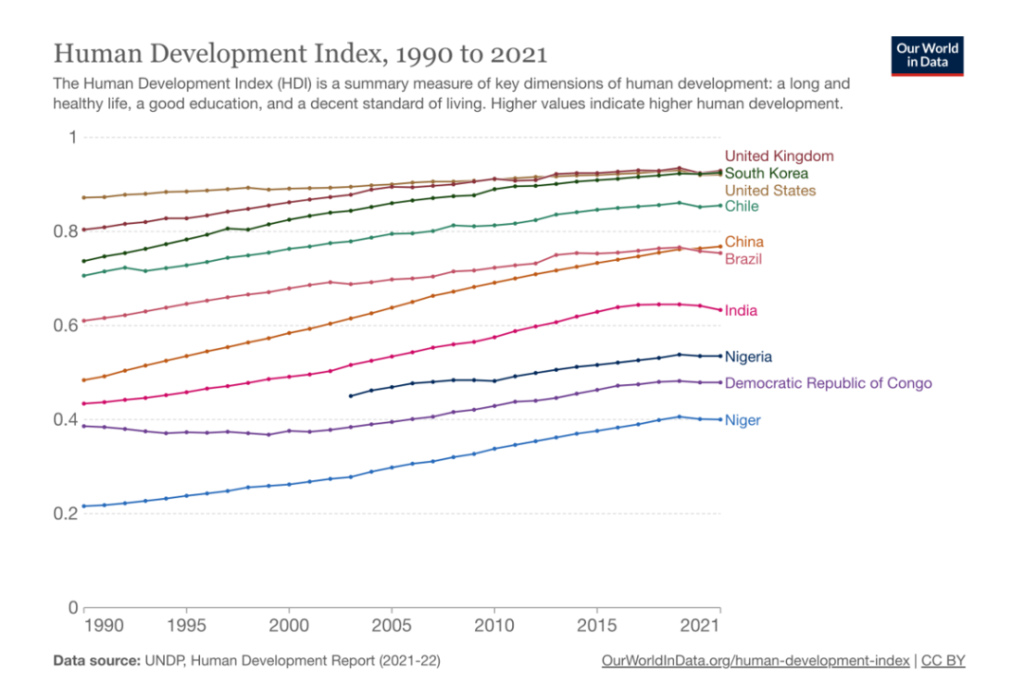
中国拥有巨大的韧性,这就是根本所在。问题是,我们是怎么做到的?我认为,我们之所以能做到是因为人的发展,是因为我们从20世纪90年代初就开始积累人力资本。如人类发展指数所示,中国现在大概位列世界的第三梯队,且在第三梯队中名列前茅。虽然我们仍然无法与美国、甚至俄罗斯相提并论,但我们正在稳步发展。我们仍然是一个发展中国家,但我们确实已经进步了太多太多。举例来说,大家看到中国在这里,在巴西下面,在0.8下面。0.8是俄罗斯目前所处的范围。中国是0.77。人类发展指数所衡量的最重要的指标是城市化、健康和教育水平,这三点是推动我国经济发展的最重要因素,尤其是教育和健康。顺便一提,健康与营养是相辅相成的,没有良好的营养,就没有健康。自20世纪90年代以来,我们一直在建设我们的人力资本,正因为有了这些人力资本,我们才取得了今天的成就。这就是韧性,而且已经融入了我们的体系,而这一体系将带领我们走向未来。
那么,未来会怎么样呢?可以看看摩根士丹利资本国际公司(MSCI)的国家权重指数。MSCI根据他们认为的可投资的国家来划分世界,并为这些国家分配权重。可以看到美国在MSCI的权重中占了近70%,大部分资金基本上都流向了美国;接下来是日本、英国、法国和加拿大。中国不在其中。中国在占比为13.4%的其他国家中。在这13.4%中,中国占了多少呢?深入研究可以发现中国占了大约3%。 CXO UNION-CXO联盟(cxounion.cn)
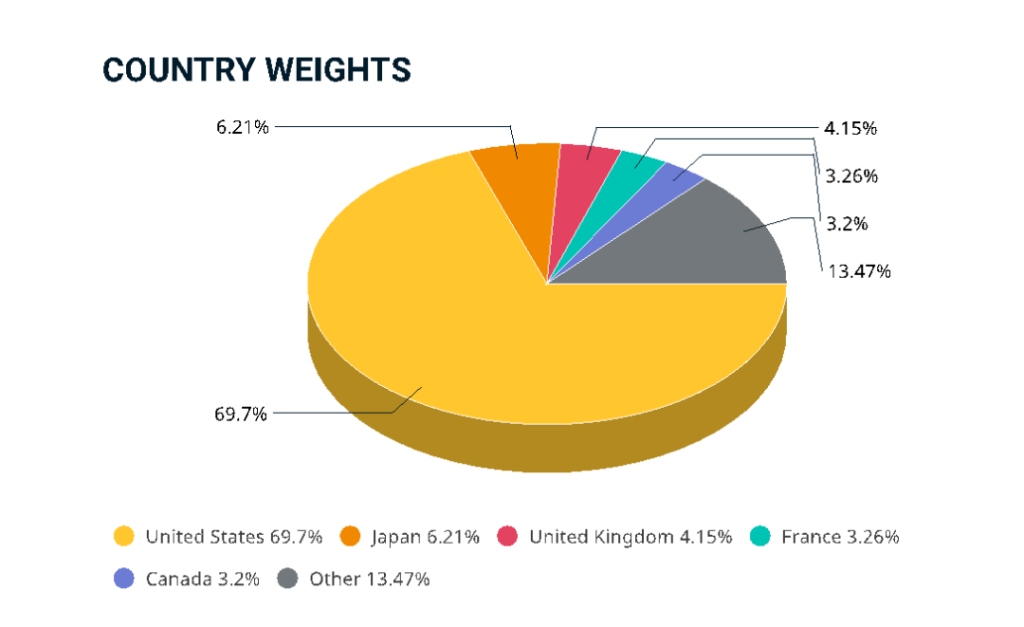
现在我们不得不自问一个问题:如果你是世界上最大的工业强国,而且韧性已经融入到体系中,未来的能源充足且已经到位,可以使得国家继续发展;而其他国家正在去工业化,正在寻找或试图重新工业化,但这将花费他们很多时间,并且能否做到尚不可知;还有一个国家一直在大量举债。因此,究竟怎样才能更好地进行价值存储呢?我把这个问题留给大家去思考。所有国家,包括像中国这样的发展中国家,都在向前发展。中国也有自己的问题。这部分问题当然需要解决,但大家必须正确看待这些问题。这部分问题需要由一个拥有强大能力的国家来解决,因此中国实际上更有可能有能力来解决这些问题。 CXO UNION-CXO联盟(cxounion.cn)

翻译:
Liang Dingbang: Why is China’s economy so resilient?
Recently, with the theme of “Financial support for economic recovery and global cooperation”, the Global Wealth Management Forum 2023 Shanghai Suhewan Conference was held in Jing ‘an District, Shanghai. Anthony NEOH, Co-Chairman of the Asia International Law Institute and former Chairman of the Hong Kong Securities and Futures Commission, attended the plenary session and delivered a keynote address.
Anthony NEOH stressed in his speech that we should look through the “smoke” to see the essence and see the resilience of China’s economy. He cited several examples of China’s economic resilience: China has become a world industrial power; China has made remarkable progress in infrastructure and agriculture. China has made great progress in science and technology. He also mentioned that China has sufficient energy reserves and is vigorously developing renewable energy to achieve green and low-carbon development. In terms of soft power, China has continuously improved the rule of law and the quality of its judges. Continuously strengthen financial cooperation with other countries; Build human capital and improve human development. On the whole, the Chinese economy is inherently resilient and capable of sustained and sound development. CXO UNION-CXO联盟(cxounion.cn)
The following is a Chinese translation of the speech.
I will give my speech in English for many reasons. The primary reason, I think, is that I chose the word “smog.” Why choose the word “smoke”? When I was studying abroad in London in the late 1960s and early 1970s, I could barely see people walking down the street in the winter. It took a long, long time to solve the problem, and now you can’t see the smoke in London, but when I was in London, it was really smoggy. Why is it called “smoke”? “Smog” is a combination of the words “smoke” and “fog.”
I use this word because the whole world is looking at China through the thick smog. There are many things about China that people don’t know or don’t want to know, which is why I think I should give my opinion. I have been working in China since 1985. Before returning to China, I practiced law in California, USA, and then returned to Hong Kong to continue my practice of law, working with many legal professionals for my country. Later, I was fortunate enough to work in the Hong Kong stock market, to become the first Chinese chairman of the Securities and Futures Commission of Hong Kong, and to serve my country as the chief adviser of the China Securities Regulatory Commission. In my last year as Chief Advisor to the CSRC (2003-2004), I had the privilege of being an advisor to Chairman Shang, so Chairman Shang and I are old friends. I thought, what I need to do is look through this smoke and see the truth. Minister Lou mentioned the word “resilience” and believed that China has strong resilience. Why this resilience? I would like to make a personal comment on this. I think it takes a variety of factors to build that resilience. CXO UNION-CXO联盟(cxounion.cn)
Why is the Chinese economy so resilient?
You all know the growth of China’s GDP, I will not say more about this point. What has happened is that China has gone from a less industrialized country to a very industrialized country. In the early stages, we had to import a lot of intermediate goods. In other words, we import what someone else has already produced and reassemble it. But now we produce and export a lot of our own intermediate goods. As a result, a lot of what we make now is locally produced. Taking the space center as an example, due to the sanctions imposed on China, space rockets and space stations, from small parts to large components, are almost 100 percent made in China, and China has effectively become the factory of the world. At a time when many countries, especially the United States, are themselves deindustrializing, it is strategically important for the future development of the world for China to become the world’s factory. Deindustrialization means industrial upgrading, that is, one country only does the design and requires other countries to produce for it. China is now becoming not only a manufacturer for others, but also a manufacturer for itself. China has become a world industrial power.
Second, we have made great progress in infrastructure, communications, transportation, water security and agriculture, which is obvious to all. When I first met Minister Lou, he told me that one of his big projects was the South-to-North water diversion project, which meant a lot of investment. Today, we are already seeing the results of this project, namely the mobilization of water resources. This is one of the greatest infrastructure projects in the world. You can see all kinds of infrastructure projects in China. It is dizzying.
Another important aspect is agriculture. For example, if you go to Xinjiang, you will see that Xinjiang’s agriculture is being industrialized. In many parts of China, high technology is making its way into agriculture. CXO UNION-CXO联盟(cxounion.cn)
Technological progress is equally important. As we all know, we are the second country in the world to have a space station, 5G and 6G, and the most advanced in the world. The widespread use of mobile phones is also one of the most important things in China. I am currently chairman of the Risk Management Committee of the Industrial and Commercial Bank of China, which has built two data centers, one in Shanghai and one in Beijing. In fact, 96 percent of all the transactions we process every day are done through ICBC’s data centers, which process billions of transactions every day, and 96 percent of that is done through mobile phones. So e-commerce is basically one of the most important things in China, which you don’t see in other countries. The use of the Internet is one of the most important parts of our communication system.
In addition, China is now the world’s largest shipbuilding nation. As we all know, China’s third aircraft carrier has been commissioned and the fourth aircraft carrier is also under construction, which is only an achievement in the military field. More importantly, in the commercial sector, China is already the world’s largest shipbuilding country. China is also an aircraft manufacturer. For example, we have made the C919 large domestic aircraft. Some people say that only 60% of the C919’s materials are made in China, but this statement actually misses the essence, and the more important point is that we have been able to integrate many materials into a very complex machine. Take Airbus as an example, only 30% of the material of each Airbus comes from France, the other 70% comes from all over the world, its supply chain is very large, but the supply chain only provides materials, not technology. Technology integrates all the components into one whole, allowing the aircraft to fly safely while making it the most economical. This kind of technology and capability is actually in the hands of industrial powers, and China is the third industrial power in the world that can actually manufacture large aircraft.
This once again shows that China, as the world’s factory and one of the world’s manufacturing powers (possibly the world’s largest manufacturing power), is indeed very resilient. If a country has very strong industrial power, it needs a lot of energy. The next question you might ask is, where does China get its energy? CXO UNION-CXO联盟(cxounion.cn)
Where does China get its energy?
Let’s take a look at the power generation in our country. In 2020, China’s coal power installed capacity accounted for about 49% of the entire power system installed capacity, that is, in 2020, China has 51% of the electricity generated by non-fossil fuels, which is the world’s largest non-fossil fuel power generation. In 2023, China’s fossil fuel power generation will account for less than 45%, about 40% to 45%, and the remaining 55% will be nuclear, wind and solar power generation. With our commitment to become carbon neutral by 2060, this proportion of electricity generated from non-fossil fuels continues to increase. At the current rate, China is expected to be carbon neutral by 2060. Then there is the other problem with fossil fuels. At a gas station in China, a liter of gasoline is equivalent to about $0.8 per liter. That’s about $3.20 a gallon. The average price of gasoline in the United States this year is $3.60 a gallon. From this we know that our energy supply is relatively cheap.
Why is this? This is not only because of our own production of natural gas and crude oil, but also because we have signed many long-term supply agreements with Russia, the Middle East and other countries, and we have been using dollars from our foreign exchange reserves to pay for these long-term agreements. So we have a lot of long-term value stored in oil, and we don’t have long-term money reserves so much as we have long-term oil reserves. We have been doing this since 2010. I just came back from the Belt and Road Forum for International Cooperation, where we saw a lot of Middle Eastern leaders, President Putin, and so on. We have a deep friendship with these countries and have reached many agreements with the BRICS countries to ensure that there are large gold reserves. Eventually, we will exchange commodities and gold for energy, and money may appear less important than as a means of exchange. That’s why what we’re actually storing is manufacturing capacity, it’s the energy store of the future, and it’s the three most important resources that I’m going to talk about, and they’re not the ones that you can see at first glance. CXO UNION-CXO联盟(cxounion.cn)
The three most important resources stored in our country
Legal infrastructure
The first resource we store is soft infrastructure. The soft infrastructure is actually the legal infrastructure that we have built. In 1985, when I first returned to my motherland, I met the Secretary-General of the Law Committee of the National People’s Congress. I asked him to show me the laws in China. He gave me a very thin stack of books, about 10 Chinese laws. Now, Chinese law may still be 10 books, but it should be 10 books stored in electronic data, containing trillions of bytes of information. On a physical level, our laws could fill half the space in today’s conference hall, and now they are stored in electronic media, taking up trillions of bytes of memory. The law of our country has made great progress now, and it has managed to govern the country according to law.
Not only that, the courts themselves have improved. When I first returned to China, most of the presidents of the basic and intermediate courts were ex-PLA officers, and the government had arranged for ex-soldiers to serve in the courts. Some of them may have some knowledge of the law, but they have no legal training. Now, even at the lowest level, the basic courts, the judges are well versed in the law and are very good lawyers. For example, many of the judges I met in Shanghai from the basic courts have at least a master’s degree in law, while in the intermediate courts, most of the judges are juris doctors. You would think that this is the case in all the advanced countries of the world, but when you go into the courts of France, for example, you don’t find that the courts of France have as many highly qualified people as our courts do. CXO UNION-CXO联盟(cxounion.cn)
In addition, another thing that our courts have done is to set up a large website and a large electronic system, so that the courts can deal with cases and find decisions fairly quickly. Our courts are already handling cases electronically. The progress of the court system is there for all to see.
In addition, our court system now has an international commercial court with three circuit courts, each staffed by a team of international advisers. I am one of the international advisers to the Expert Committee of the International Commercial Court. The International Advisory Group included many of the world’s leading jurists, one of whom was Sir William Blair, a judge of the High Court in London. He is a highly regarded jurist and the older brother of former British Prime Minister Tony Blair. In the Expert Committee of the International Commercial Court, there are many highly respected jurists from Europe, some from Canada, one from the United States, and so on.
In other words, we have our own legal infrastructure. Meanwhile, our country now has the largest alternative dispute resolution in the world. The arbitration and mediation cases accepted by China are the first in the world in terms of scale and amount, and many of them are international cases. I’ve been involved in a lot of these cases. For example, we provide alternative dispute resolution for securities cases, banking cases, etc. We also provide services for corporate disputes, medical cases, small and medium enterprises, etc. Not just for the rich, but also for those who are not so rich and those who can’t afford a lawyer. CXO UNION-CXO联盟(cxounion.cn)
Financial and regulatory infrastructure
In addition, as Chairman Shang told you, we have made progress in the areas of financial and regulatory infrastructure. I’m not going to say any more about that, but I’m going to give you some anecdotes.
Speaking at a recent U.S.-China financial seminar, Lou said that for the past 20 years, we have been organizing seminars between Harvard Law School (where I taught for a while) and the China Development Research Foundation. Mr. Li Jiange and I were one of the sponsors of the seminar. At the seminar, the Assistant Secretary of the U.S. Treasury personally participated in the seminar, as well as a number of former chairmen of the U.S. Securities and Exchange Commission and the U.S. Commodity Futures Trading Commission participated via Zoom or in person, such as the former chairman of the U.S. Commodity Futures Trading Commission, Tim Massad. Lou addressed the conference, which was also attended by representatives from the China Securities Regulatory Commission, financial regulators and the People’s Bank of China. The participants were very harmonious, respectful and understanding. CXO UNION-CXO联盟(cxounion.cn)
Another important thing is that the Public Company Accounting Oversight Board signed a very detailed agreement with the China Securities Regulatory Commission to audit the Chinese auditors of Chinese companies listed in the United States, and the United States has access to all the working papers of the Chinese auditors. It was a very difficult agreement to draft, but the final agreement was reached. ‘We did an excellent job,’ the chairman of the Public Company Accounting Oversight Board later said. They have to report to Congress every year on whether the deal is going well, so they don’t want to give Congress a negative report. We get it. The deal worked out well. So there is mutual respect between the regulatory system in China and the regulatory system in the world today. In the G20 Financial Stability Board, you will find that many of the FSB’s subcommittees are chaired or vice-chaired by Chinese regulators, such as the China Securities Regulatory Commission, the State Financial Regulatory Administration or the People’s Bank of China, which is why China’s regulatory status has improved in the world. I am the chairman of the Risk Committee at ICBC, and we have a lot of contacts with regulators like the Federal Reserve in the United States, and we have a very good relationship with regulators like the Prudential Regulation Authority in the United Kingdom, the Bundesbank and the Federal Reserve in the United States. CXO UNION-CXO联盟(cxounion.cn)
Human development
China has great resilience. That’s the whole point. The question is, how do we do it? I think we’ve been able to do that because of human development, because we’ve been accumulating human capital since the early 1990s. As the Human Development Index shows, China is now probably in the third tier of the world, and at the top of the third tier. While we are still not on a par with the United States or even Russia, we are making steady progress. We are still a developing country, but we have certainly come a long way. For example, you see China here, below Brazil, below 0.8. 0.8 is the range Russia is currently in. China’s is 0.77. The most important indicators measured by the HDI are urbanization, health and education levels, which are the most important factors driving our economic development, especially education and health. By the way, health and nutrition go hand in hand, and without good nutrition, there is no health. Since the 1990s, we have been building our human capital, and it is because of this human capital that we are where we are today. That’s resilience, and it’s built into our system, and it’s going to take us into the future.
So what does the future hold? Take a look at MSCI’s country weighting index. MSCI divides the world according to which countries they consider investable and assigns weights to those countries. You can see that the United States accounts for nearly 70% of MSCI’s weighting, and most of the money is basically going to the United States; Next came Japan, Britain, France and Canada. China is not among them. China was among the other countries with 13.4 per cent. Of that 13.4%, how much does China account for? Dig deeper and China accounts for about 3 percent. CXO UNION-CXO联盟(cxounion.cn)
Now we have to ask ourselves a question: If you are the largest industrial power in the world, and resilience is built into the system, the energy of the future is sufficient and in place to allow the country to continue to grow; Other countries are deindustrializing and are looking or trying to re-industrialize, but it will take them a lot of time and it is not clear whether they can do it. Another country has been borrowing heavily. So how can we store value better? I’ll leave that to you to think about. All countries, including developing countries like China, are moving forward. China has its own problems. This part of the problem certainly needs to be addressed, but we have to keep it in perspective. This part of the problem needs to be solved by a country with strong capabilities, so China is actually more likely to be able to solve these problems.
由CXO UNION-CXO联盟(cxounion.cn)转载而成,来源于gatesnotes.com;编辑/翻译:CXO UNIONCXO联盟小U。
如需加入CXO UNION(CXO联盟)高管社群,请联系社群小伙伴哦~
免责声明: 本网站(http://www.cxounion.cn/)内容主要来自原创、合作媒体供稿和第三方投稿,凡在本网站出现的信息,均仅供参考。本网站将尽力确保所提供信息的准确性及可靠性,但不保证有关资料的准确性及可靠性,读者在使用前请进一步核实,并对任何自主决定的行为负责。本网站对有关资料所引致的错误、不确或遗漏,概不负任何法律责任。
本网站刊载的所有内容(包括但不仅限文字、图片、LOGO、音频、视频、软件、程序等) 版权归原作者所有。任何单位或个人认为本网站中的内容可能涉嫌侵犯其知识产权或存在不实内容时,请及时通知本站,予以删除。
如需加入CXO UNION(CXO联盟)高管社群,请联系社群小伙伴哦~

免责声明: 本网站(http://www.cxounion.cn/)内容主要来自原创、合作媒体供稿和第三方投稿,凡在本网站出现的信息,均仅供参考。本网站将尽力确保所提供信息的准确性及可靠性,但不保证有关资料的准确性及可靠性,读者在使用前请进一步核实,并对任何自主决定的行为负责。本网站对有关资料所引致的错误、不确或遗漏,概不负任何法律责任。
本网站刊载的所有内容(包括但不仅限文字、图片、LOGO、音频、视频、软件、程序等) 版权归原作者所有。任何单位或个人认为本网站中的内容可能涉嫌侵犯其知识产权或存在不实内容时,请及时通知本站,予以删除。
Search
Popular Posts
-

2024数字化灯塔案例评选申报开启!
“2024数字化灯塔案例评选”于3月正式启动,诚挚欢迎业界同仁自荐和推荐,一起推动产业数字化进程,助力赋能企业…
-

2024 X-Award星盘奖申报通道已开启!
X-Award星盘奖是数字化转型服务、IT服务行业重要的商业奖项,旨在表彰行业里提供杰出数字化转型服务与IT服…
-

2024 N-Award星云奖申报通道已开启!
N-Award是数字化转型领域重要的商业奖项,旨在表彰那些以非凡的远见、超群的领导才能和卓越的成就来激励他人的…