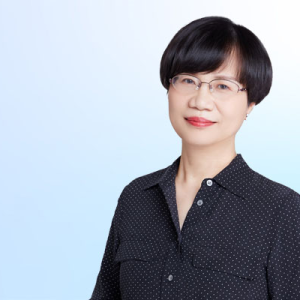
肖雯,盈米基金CEO近30年证券基金从业经验,20逾年专注公募基金销售,对于资产管理行业、互联网金融及买方投顾业务有着深刻认知和思考,在基金圈被誉为最具创新意识与行业洞察力的资深专家之一。
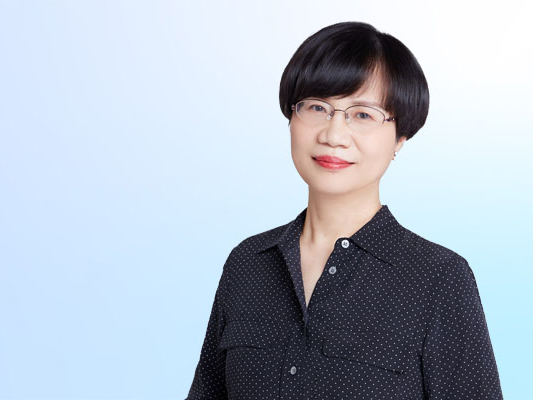
Highlights:我相信未来中国投顾业务将呈现“千帆竞发、百团大战”局面,具体体现在两大方面:一是投顾机构多元化。不同资源禀赋、不同规模的机构会采取差异化投顾模式,以服务不同类型客户的多样化需求;二是投顾模式多样化。客户圈层差异将产生对不同投顾服务模式的需求,中国市场容量巨大,每个模式都存在值得关注的发展机会。
展望2030,您认为能为中国资管机构贡献显著净流入、或对行业商业模式带来根本转变的重大发展机遇有哪些?
肖雯:立足2030看未来发展,我认为有三个关键机会点将会带来显著净流入:
一是居民财富积累驱动的资管规模增长。
在房住不炒、净值化等时代背景下,居民财富逐渐从实物资产向金融资产、从非标资产向标准资产迁移。据有关研究机构统计,截至2022年底,我国居民个人金融资产接近250万亿,资产管理规模超过100万亿,预计至2030年,资管总规模将超过300万亿,居民财富快速积累将成为重要推动因素之一。
二是老龄化时代加速养老资金流入。
随着“婴儿潮”一代进入老年阶段,社会养老体系将面临巨大压力,未来一段时期养老金融产品及服务需求激增,将为资管机构带来显著资金流入机会。在我看来,资管机构需要有能力为客户构建一个可以覆盖全生命周期的一二三支柱相结合的养老金融服务体系。
三是中国产业结构调整与升级带来投资端机遇。
资管公司在服务百姓与实体经济方面承担越来越重要角色,中国产业结构调整为资管公司创造更多结构性机遇,如进口替代、高端制造等新兴产业投资机会。
上述机遇带来的资金流入,因负债端性质和偏好的改变,长期来看将改变上游产品供给,给行业商业模式带来两大影响:
一是资产端需更注重资产配置及风险管控。
以多元、分散、对冲工具来降低投资组合波动 ,帮助客户实现穿越周期的长期收益。
二是整个行业需更重视负债端投顾体系建设。
一直以来,大资管行业较关注如何提升投资端能力与效率,但现阶段,无论是对公募基金还是银行理财子而言,负债端遇到的挑战也许比投资端更大。目前,全社会正在面临净值化时代理财价值观重构,整个行业正逐步从“以产品为中心”向“以客户为中心”,从“以产品规模为目标”向“追求客户账户收益为目标”转型,这将对整个行业的商业模式带来根本性影响。
聚焦个人财富管理增长机遇,您认为资管机构与各渠道主体应采取哪些关键行动以把握机遇?
肖雯:整个行业在以客户为中心、追求客户账户收益等方面已形成一定共识,但如何将此理念真正落实到业务模式、组织结构、考核体系、技术系统等实战及行动上去,往往是难点所在;各机构需在以下几个方面进行战略调整。
例如,1)业务模式方面,如何重新设计端到端业务流程及机制,以实现销售体系向投顾体系转型;2)组织结构方面,特别是券商、银行等渠道,如何建立总部与分部相互分工协作的分布式投顾体系,并且与自身销售体系形成一定区隔或互动;3)考核体系方面,如何制定科学的销售规模与保有规模、佣金收入与客户账户收益目标,以实现短期与长期之间的平衡;4)技术系统方面,如何支持业务流程重构,把以往的业务竖井、数据孤岛打通,形成围绕客户的前中后台一体化服务体系。
当前中国资管行业正面临哪些挑战,亟需解决哪些问题?
肖雯:简而言之,资管业务核心功能有两个方面:1)服务投资者,帮助他们实现资产保值增值;2)服务实体经济,通过价值导向的资产配置支持实体经济发展。因此,中国资管行业面临的挑战与这两个核心角色紧密相关。
一是“基金赚钱,基民亏钱。
即产品净值收益与投资者收益差距问题。可通过加强上述提到的两个转型,即加强从产品到客户,从基金产品规模到客户账户收益的转变,来解决这个困扰行业多年的痛点。不同机构可结合自身差异化禀赋,进行相应调整和转型。
二是平台化能力缺失带来的投资业绩可持续问题。
国内公募基金投资模式比较像海外私募基金,强调以团队/个人能力为边界进行投资,该模式在管理规模较小情况下是有效的,特别是中国市场上散户投资者占比较高的环境下。但随着中国资管行业向300万亿规模进军,当下“作坊式”投资模式能否在大规模资产投资中获得持续稳健收益将打上问号。中国资管行业还未将标准业务体系和流程沉淀到平台上,更多还是依靠个人能力而不是平台化能力,未来如何从以个人为核心的小团队作业模式向系统化、流程化、平台化的协作模式转型成为关键。
对于“基金赚钱,基民亏钱”现象,您认为该如何破解困局?
肖雯:结合这几年盈米买方投顾的实践,我有三点建议:
首先,资管机构和财富机构需要“以终为始,相向而行”。这里的“终”指的是客户,资管机构和财富机构要围绕客户及客户的投资账户收益形成一致解决方案。以前这两个领域割裂现象比较严重,资管机构、销售渠道、投资者三者目标不一致,资产端及负债端并未联合起来解决客户问题。在这点上,我从富达和嘉信的案例上看到未来发展方向。如富达在近10年发展历程中,一方面向财富领域逐渐渗透,另一方面通过对投顾、代销业务的理解,不断强化上游资产管理业务的适配性。嘉信作为经纪渠道,通过投顾策略与服务加强对资管业务领域的涉足,实现了业务收入多元化。这两个案例给我们的启示是,未来资产管理机构和财富管理机构,作为资产端和负债端需要进一步合作和联动,共同为客户账户收益而协作。
其次,行业各参与者都需大力发展投顾业务。目前行业整体对于投顾的实践和认知差异较大,在大财富管理板块,包括公募基金、银行、券商、信托、保险等在内的各类机构及参与者都需要重视并构建买方投顾服务模式,将现有代销模式逐步向投顾模式转型,在客户资产保值增值方面发挥更大作用。
再者,需扩充品类以实现长期稳健收益。在资产配置方面,投顾服务仅依托公募基金产品是远远不够的,各类投顾机构需在品类多元、分散、衍生工具使用等方面共同合作,实现资产长期、稳健增值。在当前监管体系下,如何以客户账户为核心做好多种金融产品配置和服务,将是破局关键之一。
针对这一问题,您认为资产管理公司可以做些什么?
肖雯:资产管理公司可关注两大方向:一是产品的工具化特征要更明显,并在产品创设、风格稳定、绩效考核等方面进行优化,围绕客户稳定、长期收益需求优化产品组合,形成不同风险收益特征的产品;二是关注长期业绩回报和稳定性,不要为了规模在牛市高点大量发行产品。行业研究显示,市场高位时卖出的基金产品其陪伴增益系数往往较低,客户体验也比较差。
聚焦投顾,您认为中国投顾业务发展方向是什么?需建立或提升哪些关键能力以建立核心优势?
肖雯:中国财富管理是一个巨大市场,投顾提供的是一种服务而不是一个标准产品,经营的是客户信任,因此很难形成“赢者通吃、一家独大”,我相信未来中国投顾业务将呈现“千帆竞发、百团大战”局面,具体将体现在两大方面:一是投顾机构多元化。不同资源禀赋、不同规模的机构会采取差异化投顾模式,以服务不同类型客户的多样化需求;二是投顾模式多样化。客户圈层差异将产生对不同投顾服务模式的需求,如组合跟投模式、咨询/规划类定制账户模式等,中国市场容量巨大,每个模式都存在值得关注的发展机会。
结合盈米实践经验,我看到未来将出现“中国版智能投顾模式”。其实国内客户数字化程度高于相关服务机构,过去几年,资管机构信息化程度较高,但数字化程度还远远不够。投顾机构可将其对业务的理解沉淀到系统平台中去,以探索“千人千时千面”投顾体系和服务能力,真正构建出专业、精准而有温度的中国特色智能投顾模式。
为在中国投顾业务中建立差异化竞争优势,我认为需重点打造三方面核心能力:
培养专业化、跨界型人才。为应对未来复杂的业务模式及市场环境,需大力培养和发展跨界融合型人才及全功能型团队,除了投资、研究、市场团队,还包括技术、大数据、运营、内容生产等各方面人才,并在实际业务中加强多方高效协同。
持续优化数字化投顾服务体系。投顾是一整套基于客户需求、市场洞察、产品分析的综合服务体系。如盈米当前的客户洞察体系、智能运营体系、资产配置与研究体系、内容平台、客户连接系统等都是数字化投顾服务体系的一部分。依托数字化平台,能够更高效的把各专家个人能力转化为大规模、个性化客户服务能力,以解决效率和个性化的矛盾,特别是有利于服务国内大众投资客群。
价值观及组织管理机制建设。以客户为中心自上而下打造企业买方视角的价值观、组织结构、考核体系、企业文化等,这是买方投顾的底层逻辑,也将是投顾企业实现长期稳健发展最重要的基石。
展望2030,您认为盈米有哪几件事是至关重要的?
肖雯:盈米会坚守买方投顾领域,继续夯实当前较为薄弱的投顾基础,虽然盈米已在这条道路上前行了数年,但我们的影响面还太小,做的事也远远不够。未来,盈米一方面将高举“且慢”旗帜,以服务更多客户;另一方面将继续发展“啟明”业务,将基金投顾体系、技术平台等赋能给更多有理想的投顾团队,通过平台化能力输出覆盖更广泛的投资者。同时,在机构投顾方面也将贯彻“将整个盈米带给客户”的理念,在为机构客户提供投研、交易、运营服务的同时,把盈米的C端投顾理念及模式经过场景化定制,为机构的负债端提供专业化支持和服务。

翻译:
Xiao Wen, general manager of Yingmi Fund: Business trust, long-term companionship
Xiao Wen, CEO of Yingmi Fund, has nearly 30 years of experience in securities funds, and more than 20 years of focus on public fund sales. She has a deep understanding and thinking about the asset management industry, Internet finance and buyer advisory business, and is known as one of the senior experts with the most innovative consciousness and industry insight in the fund circle.
I believe that in the future, China’s advisory business will present a situation of “a thousand sails and a hundred regiments”, which is reflected in two aspects: first, the diversification of advisory institutions. Institutions with different resource endowments and scales will adopt differentiated investment models to serve the diversified needs of different types of clients. The second is diversification of investment advisory models. The difference in client circle will create the demand for different investment services models, the Chinese market is huge, and each model has noteworthy development opportunities.
Looking ahead to 2030, what do you think are the major development opportunities that could contribute to significant net inflows to Chinese asset management institutions or bring about a fundamental shift in the industry’s business model?
Xiao Wen: Looking at the future from 2030, I think there are three key opportunities that will bring significant net inflows:
First, the growth of asset management scale driven by residents’ wealth accumulation.
In the era of non-speculation in housing and net worth, residents’ wealth has gradually shifted from real assets to financial assets and from non-standard assets to standard assets. According to statistics from relevant research institutions, by the end of 2022, China’s residents’ personal financial assets are close to 250 trillion, and the asset management scale exceeds 100 trillion. It is expected that by 2030, the total scale of asset management will exceed 300 trillion, and the rapid accumulation of residents’ wealth will become one of the important driving factors.
The second is to accelerate the inflow of pension funds in the aging era.
With the “baby boom” generation entering the elderly stage, the social pension system will face great pressure, and the surge in demand for pension financial products and services in the future period will bring significant capital inflow opportunities for asset management institutions. In my opinion, asset management institutions need to be able to build a pension financial service system that can cover the whole life cycle of one, two and three pillars.
Third, the adjustment and upgrading of China’s industrial structure brings investment opportunities.
Asset management companies play an increasingly important role in serving the people and the real economy, and China’s industrial restructuring creates more structural opportunities for asset management companies, such as investment opportunities in emerging industries such as import substitution and high-end manufacturing.
Two big effects:
First, the asset side needs to pay more attention to asset allocation and risk management.
Reduce portfolio volatility with diversified, diversified, and hedging tools to help clients achieve long-term returns through the cycle.
Second, the whole industry needs to pay more attention to the construction of debt end investment advisory system.
For a long time, the big asset management industry has been more concerned about how to improve the ability and efficiency of the investment side, but at this stage, whether it is for public funds or bank financing units, the challenges encountered by the debt side may be greater than the investment side. At present, the whole society is facing the reconstruction of financial values in the era of net worth, and the entire industry is gradually transforming from “product centric” to “customer centric”, from “product scale as the goal” to “the pursuit of customer account income as the goal”, which will have a fundamental impact on the business model of the entire industry.
Focusing on the growth opportunities in personal wealth management, what key actions do you think asset managers and channel players should take to seize the opportunities?
Xiao Wen: The whole industry has reached a certain consensus in the aspects of customer-centric and the pursuit of customer account income, but how to truly implement this concept into actual combat and actions such as business model, organizational structure, assessment system, and technical system is often the difficulty; Agencies need to make strategic adjustments in the following areas.
For example, 1) In terms of business model, how to redesign the end-to-end business process and mechanism to realize the transformation of the sales system to the advisory system; 2) In terms of organizational structure, especially for securities firms, banks and other channels, how to establish a distributed indirection system with division of labor and cooperation between headquarters and branches, and form a certain separation or interaction with their own sales system; 3) In terms of assessment system, how to formulate scientific targets of sales scale and retention scale, commission income and customer account income, so as to achieve a balance between short and long term; 4) In terms of technical system, how to support business process reconstruction, open up the previous business silos and data islands, and form an integrated service system around customers.
What challenges are China’s asset management industry currently facing and what issues need to be addressed?
Xiao Wen: In short, the core function of asset management business has two aspects: 1) to serve investors and help them maintain and increase the value of assets; 2) Serve the real economy and support the development of the real economy through value-oriented asset allocation. Therefore, the challenges facing China’s asset management industry are closely related to these two central roles.
First, “The fund makes money, and the people lose money.”
That is, the gap between product net income and investor income. This pain point that has plagued the industry for many years can be solved by strengthening the two transformations mentioned above, that is, strengthening the transformation from product to client, and from fund product size to client account returns. Different institutions can adjust and transform according to their own differentiated endowments.
The second is the problem of sustainable investment performance caused by the lack of platform ability.
The investment model of domestic public funds is more like that of overseas private funds. Which emphasizes the investment on the boundary of team/individual ability. This model is effective in the case of small management scale. Especially in the environment where retail investors account for a relatively high proportion in the Chinese market. However, as China’s asset management industry marches toward the 300 trillion scale. The current “workshop” investment model can obtain sustained and steady returns in large-scale asset investment will be questioned. China’s asset management industry has not yet settled the standard business system and process on the platform. And more depends on personal ability rather than platform ability. In the future, how to transform from a small team operation mode with individuals as the core to a systematic, process-based and platform-based cooperation mode has become the key.
How do you think the dilemma of “funds making money and foundations losing money” can be solved?
Xiao Wen: Based on the practice of Inmi buyer advisory in recent years, I have three suggestions:
First, asset management institutions and wealth institutions need to “start with the end in mind and meet each other halfway.
“The “end” here refers to the customer, and the asset management institution and wealth institution should form a consistent solution around the customer and the customer’s investment account income. In the past, the fragmentation of these two areas was more serious. The objectives of asset management institutions, sales channels, and investors were inconsistent. And the asset side and the liability side did not join forces to solve customer problems. In this regard, I see the future direction from the cases of Fidelity and Charles Schwab.
For example, Fidelity has gradually penetrated into the wealth field in the course of nearly 10 years of development. On the other hand, it has continuously strengthened the adaptability of upstream asset management business through the understanding of advisory and consignment business. As a brokerage channel, Schwab strengthened its involvement in the asset management business through advisory strategies and services, and diversified its business income. The inspiration from these two cases is that future asset management institutions and wealth management institutions, as the asset side and the liability side, need to further cooperate and linkage, and work together for the benefit of customer accounts.
Second, all players in the industry need to develop their investment advisory business.
At present, the industry as a whole has a large difference in the practice and cognition of investment advisory. In the large wealth management sector, all kinds of institutions and participants, including public funds, banks, brokerages, trusts, insurance, etc., need to attach importance to and build a buyer investment service model, gradually transform the existing commission model to the investment advisory model, and play a greater role in maintaining and increasing the value of customer assets.
Moreover, the category needs to be expanded to achieve stable long-term returns.
In terms of asset allocation, it is far from enough for investment advisory services to rely only on public fund products, and all kinds of investment advisory institutions need to cooperate in the diversification and diversification of categories and the use of derivatives to achieve long-term and steady asset appreciation. Under the current regulatory system, how to do a variety of financial product configuration and services with customer accounts as the core will be one of the keys to breaking the situation.
What do you think asset managers can do about this?
Xiao Wen: Asset management companies can pay attention to two directions:. First, the instrumental features of products should be more obvious. And optimization should be made in product creation, style stability, performance assessment and other aspects. The product portfolio should be optimized based on customer stability and long-term income needs. And products with different risk and return characteristics should be formed. Second, focus on long-term performance returns and stability. And do not issue a large number of products in order to scale at the peak of the bull market. Industry research shows that fund products sold at market highs tend to have lower companion gain coefficients and poor customer experience.
With a focus on investment banking, what do you think is the direction of investment banking in China? What key capabilities need to be built or improved to build core strengths?
Xiao Wen: China’s wealth management is a huge market, investment advisory provides a service rather than a standard product, management is the trust of customers, so it is difficult to form a “winner-takes-all, one dominant”, I believe that in the future, China’s investment advisory business will show a “thousand ships competing, hundred teams fighting” situation, which will be reflected in two aspects: first, the diversification of investment advisory institutions. Institutions with different resource endowments and scales will adopt differentiated investment models to serve the diversified needs of different types of clients. The second is diversification of investment advisory models. The difference of client circles will create the demand for different investment services models. Such as portfolio and investment models, consulting/planning customized account models, etc. The Chinese market is huge, and each model has noteworthy development opportunities.
Combined with the practical experience of Yingmi. I see that in the future there will be a “Chinese version of intelligent investment advisory model”. In fact, the degree of digitization of domestic customers is higher than that of relevant service institutions. And in the past few years, the degree of informatization of asset management institutions is higher. But the degree of digitization is far from enough. Advisory institutions can deposit their understanding of the business into the system platform to explore the “thousands of thousands of hours and thousands of faces” advisory system and service capabilities. And truly build a professional, accurate and warm Chinese characteristics intelligent advisory model.
In order to build a differentiated competitive advantage in China’s advisory business, I think it is necessary to focus on building three core competencies:
Cultivate professional and cross-border talents. In order to cope with the complex business model and market environment in the future. It is necessary to vigorously cultivate and develop cross-border integrated talents and full-function teams. In addition to investment, research and market teams, talents in technology, big data, operations, content production and other aspects are also included, and multi-party efficient collaboration is strengthened in actual business.
Continue to optimize the digital advisory service system. Consulting is a comprehensive service system based on customer demand, market insight and product analysis. For example, Inmi’s current customer insight system, intelligent operation system, asset allocation and research system, content platform. And customer connection system are all part of the digital investment service system. Relying on the digital platform. It can more efficiently transform the personal capabilities of various experts into large-scale and personalized customer service capabilities to solve the contradiction between efficiency and personalization, especially to serve the domestic mass investor group.
Values and organizational management mechanism construction. Customer-centric top-down to create the values of the buyer perspective, organizational structure, assessment system, corporate culture, etc., which is the underlying logic of buyer advisory. And will be the most important cornerstone for investment advisory enterprises to achieve long-term and stable development.
Looking ahead to 2030, what things do you think are critical for Inmi?
Xiao Wen: Inmi will stick to the buyer advisory field and continue to consolidate the current weak investment foundation. Although Inmi has been on this road for several years. Our influence is still too small and what we do is far from enough. In the future, on the one hand, Yingmi will hold high the banner of “slow” to serve more customers. On the other hand, we will continue to develop the “Qiming” business, empower more ideal investment teams such as the fund advisory system and technology platform. And cover a wider range of investors through platform capabilities.
At the same time, in terms of institutional advisory. We will also implement the concept of “bringing the whole Yingmi to customers”. While providing institutional clients with investment research, trading and operation services. We will customize the concept and model of Yingmi’s C-end advisory through scenes to provide professional support and services for the debt side of the institution. Xiao Wen, general manager of Yingmi Fund: Business trust, long-term companionship
Xiao Wen, CEO of Yingmi Fund, has nearly 30 years of experience in securities funds. And more than 20 years of focus on public fund sales. She has a deep understanding and thinking about the asset management industry, Internet finance and buyer advisory business. And is known as one of the senior experts with the most innovative consciousness and industry insight in the fund circle.
本文由CXO UNION-CXO联盟(cxounion.cn)转载而成,来源于CEO訪談网;编辑/翻译:CXO UNIONCXO联盟小U。
如需加入CXO UNION(CXO联盟)高管社群,请联系社群小伙伴哦~
免责声明: 本网站(http://www.cxounion.cn/)内容主要来自原创、合作媒体供稿和第三方投稿,凡在本网站出现的信息,均仅供参考。本网站将尽力确保所提供信息的准确性及可靠性,但不保证有关资料的准确性及可靠性,读者在使用前请进一步核实,并对任何自主决定的行为负责。本网站对有关资料所引致的错误、不确或遗漏,概不负任何法律责任。
本网站刊载的所有内容(包括但不仅限文字、图片、LOGO、音频、视频、软件、程序等) 版权归原作者所有。任何单位或个人认为本网站中的内容可能涉嫌侵犯其知识产权或存在不实内容时,请及时通知本站,予以删除。
如需加入CXO UNION(CXO联盟)高管社群,请联系社群小伙伴哦~

免责声明: 本网站(http://www.cxounion.cn/)内容主要来自原创、合作媒体供稿和第三方投稿,凡在本网站出现的信息,均仅供参考。本网站将尽力确保所提供信息的准确性及可靠性,但不保证有关资料的准确性及可靠性,读者在使用前请进一步核实,并对任何自主决定的行为负责。本网站对有关资料所引致的错误、不确或遗漏,概不负任何法律责任。
本网站刊载的所有内容(包括但不仅限文字、图片、LOGO、音频、视频、软件、程序等) 版权归原作者所有。任何单位或个人认为本网站中的内容可能涉嫌侵犯其知识产权或存在不实内容时,请及时通知本站,予以删除。
Search
Popular Posts
-

2024数字化灯塔案例评选申报开启!
“2024数字化灯塔案例评选”于3月正式启动,诚挚欢迎业界同仁自荐和推荐,一起推动产业数字化进程,助力赋能企业…
-

2024 X-Award星盘奖申报通道已开启!
X-Award星盘奖是数字化转型服务、IT服务行业重要的商业奖项,旨在表彰行业里提供杰出数字化转型服务与IT服…
-

2024 N-Award星云奖申报通道已开启!
N-Award是数字化转型领域重要的商业奖项,旨在表彰那些以非凡的远见、超群的领导才能和卓越的成就来激励他人的…