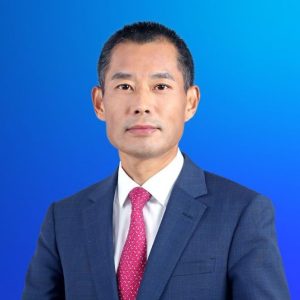
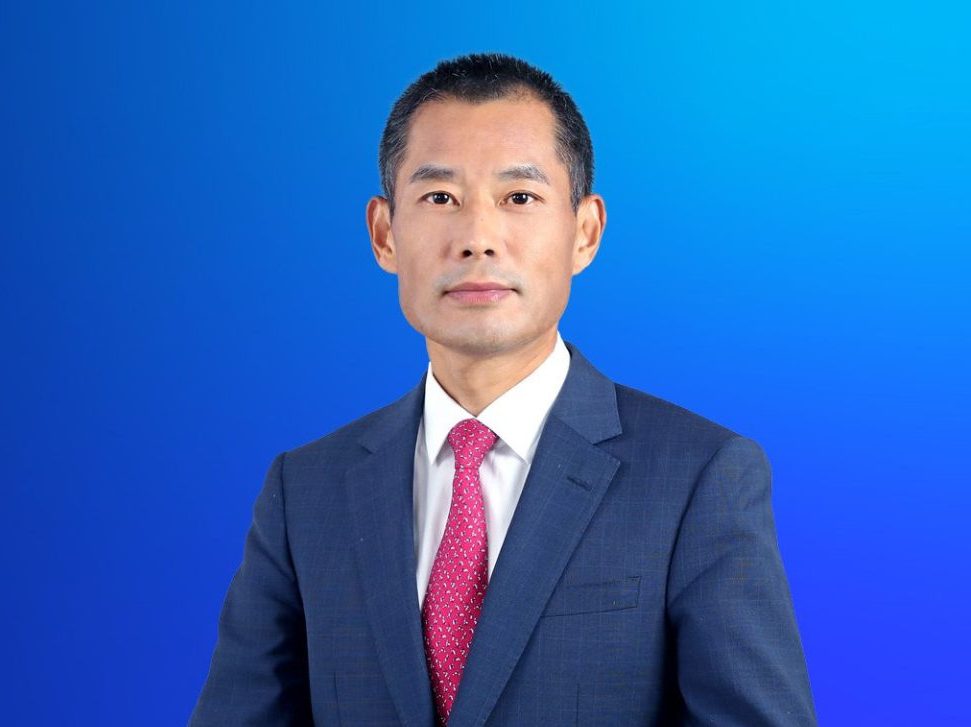
汇添富董事长李文个人简介:
管理学博士,高级经济师,现任汇添富基金管理股份有限公司董事长,中国证券投资基金业协会副会长,上海资产管理协会会长。历任中国人民银行厦门市中心支行银行监管处副处长,东方证券股份有限公司稽核总部总经理、资金财务管理总部总经理,汇添富基金管理股份有限公司督察长等职。
观点小结:
应对挑战,领先资管机构应着力推动三大举措。
一是坚持长期经营理念,坚持客户利益第一,坚信长期的力量,并真正做到知行合一。
二是加强专业能力建设,围绕投资管理、客户服务、产品创新、风险管理、数字化建设等持续强化专业能力。
三是提升组织管理水平,从“粗放式”经营向“精细化”经营转型。
一、展望2030,您认为能为中国资管机构贡献显著净流入、或对行业商业模式带来根本转变的重大发展机遇有哪些?
汇添富董事长李文:随着我国资管行业迈入高质量发展新阶段,我们观察到越来越多的积极因素,如居民财富的快速积累、机构资金的加速入市、个人养老金制度的落地实施、国际资金的加大配置等,这些都将成为推动行业未来发展的重要机遇。整体而言,我将其概括为三大机遇:
1、时代机遇
在我国经济社会持续发展的时代背景下,居民财富快速积累,特别是在发达城市和地区,很大程度上将驱动资管规模进一步增长。虽然目前行业规模和居民配置金融资产比例相较欧美成熟市场尚有差距,但未来我国居民财富从实物资产向金融资产的结构性转变,将为资管行业带来巨大机遇。
2、改革机遇。
近年来推进的一系列改革举措,不断为资管行业创造新的发展机遇。如去年落地的个人养老金制度,将进一步提升投资者对养老金融产品及服务的需求,并为资管机构带来中长期资金流入;如今年推出的全面实行股票发行注册制改革,将助力“科技-产业-金融”良性循环,促进资本市场高质量发展。未来改革步伐将持续加快,资管机构需积极投身其中,把握改革红利。CXO UNION-CXO联盟(cxounion.cn)
3、开放机遇
虽然近几年全球化遇到了些挑战,但在我看来,全球化仍是长期趋势,尤其是对中国来说,目前正加快构建以国内大循环为主体、国内国际双循环相互促进的新发展格局。在人民币国际化背景下,资本市场积极推进更高水平对外开放,国际资金对配置中国资产的需求日益提升,将为资管行业带来国际资金的持续流入机会。
二、未来在整体宏观环境影响下,资管行业将呈现出更大的波动率和不确定性,因而领先资管公司更加聚焦全天候投资平台打造,并更为关注另类资产、对冲策略、抗通胀策略等产品及策略的构建。从您的角度而言,未来中国在策略多元化及主动管理模式方面会呈现怎样趋势?
汇添富董事长李文:近年来,全球疫情反复、通胀水平高企、地缘政治动荡等各项因素叠加为资管行业带来前所未有的挑战,推动各资管公司不断完善底层资产和投资策略,以实现穿越周期的增长。
以汇添富为例,我们正加快布局更加丰富、全面的产品体系,并努力为客户提供一站式投顾解决方案。具体来看:
1)主动权益产品依然是公募基金行业发展的重点方向,也是汇添富始终坚持的战略,公司采用垂直一体化的投研架构,强调坚持长期、相对均衡配置的投资理念和原则,打造风格多元、具备规模化管理能力的投研体系,实践基于明确规则的投资策略,力求投资风格稳定清晰和业绩可持续;
2)固定收益产品是居民财富管理中的重要基础资产,市场空间巨大,汇添富持续完善底层资产布局,着力提升信用风险管理能力,打造更精细化、专业化的固定收益多资产和多策略产品体系;
3)被动投资产品规模近几年取得较快增长,汇添富去年升级了指数战略,将主动投研能力赋能指数产品,打造长期有生命力的指数产品体系与解决方案体系,并通过指数产品推动国际化进程;CXO UNION-CXO联盟(cxounion.cn)
4)另类投资机会显现,特别是公募REITs业务近年来在国内的重要性不断提升,目前处于发展初期,汇添富也在加快团队建设和业务布局,积极推动公募REITs业务落地;
5)我国ESG责任投资尚处于起步阶段,得益于政策引导和外资流入的双重驱动,未来相信将取得较快发展,汇添富是国内ESG责任投资的倡导者、引领者和推动者,率先加入了UNPRI等国际组织,持续完善自身ESG责任投资体系,并发行了多只ESG主题基金;
6)国内基金投顾业务正在快速推进,当前“重投轻顾”的展业倾向将会得到逐步扭转,包括汇添富在内的基金公司正从为客户提供单一或组合型产品,向为客户提供综合性解决方案转变。
整体而言,我认为传统及基础底层资产和策略仍是主流,但新兴资产及策略对产品组合的多样化及客户投资需求的满足度,将起到至关重要的推动作用。投顾业务将重构资管行业业务逻辑,以解决方案的形式切实提升客户获得感和满意度。
三、您认为中国资管机构正面临哪些结构化问题以及中长期挑战?
汇添富董事长李文李文:
在我看来,中国资管行业的挑战可以总结为以下三大方面:
一是供给和需求矛盾。
目前,资管行业提供的产品及服务和客户本身需求存在不够匹配的情况,尤其是在净值化背景下,需要高度重视销售适当性原则。资管行业需要回归初心和本源,坚持客户利益第一的价值观,根据各类客户的风险收益特征,提供相应的产品策略和资产配置解决方案,进一步做好客户运营和投顾服务,并持续加强投资者教育。CXO UNION-CXO联盟(cxounion.cn)
二是规模和能力矛盾。
我国资管行业规模超过百万亿,且未来仍将持续高速增长。快速发展带来的一大挑战就是行业能力建设的相对滞后,包括投资管理、产品设计及管理、风险控制、数字化运营、组织及人才等各个方面。可以看到,中国资管机构离工业化、数字化、规模化管理仍有一定差距,需不断提升自身能力,以适应行业规模快速发展。
三是长期和短期矛盾。
面对行业高质量发展机遇和挑战,资管机构需要高度重视长期核心能力和核心竞争力的投入和建设,而在行业内目前还存在过度关注管理规模、业绩排名等短期指标的现象,影响公司长远发展。未来,资管机构需要真正从长期出发,建立更加着眼长期的经营理念,持续加强长期能力建设。
四、针对这些挑战,领先资管公司的破局策略是什么?
汇添富董事长李文:为解决这些问题挑战,我认为资管机构应重点加强以下三方面举措:
一是坚持长期经营理念
坚持客户利益第一,坚信长期的力量,并真正做到知行合一,以在日趋激烈的同质化竞争环境下,打造核心竞争力及差异化护城河。
二是加强专业能力建设CO UNION-CXO联盟(cxounion.cn)
聚焦投资管理、客户服务、产品创新、风险管理、数字化建设等方面的持续强化专业能力,对业务规模的进一步扩大及长久发展起到更专业、更有力的支撑作用。
三是提升组织管理水平
资管公司需以基业长青作为长远愿景,未来的管理体系需从“粗放式”经营向“精细化”经营转型,与时俱进不断变革,以适应快速发展的业务规模及人员队伍。同时,结合自身禀赋与发展战略,构建特色鲜明的企业文化,为人才留存及组织创新注入活力。
五、为在激烈的竞争格局中脱颖而出,您认为新一代资管机构需要建立或提升哪些关键能力,或者扮演哪些重要角色?
汇添富董事长李文:
我认为资管机构应着力打造以下六大角色:
责任担当者。坚持人民至上,坚持金融报国,以服务实体经济及居民财富为核心,将客户利益及社会责任放在首位,如积极参与资本市场改革、推动养老金制度优化、践行ESG责任投资等。
专业奋斗者。资管机构要高度重视专业能力建设,为客户提供各类专业服务,以专业的投资管理能力为客户创造长期稳健回报,持续打造专业人才团队。
创新引领者。驱动行业发展的关键在于创新,头部领先机构一直在各方面进行创新探索,并将创新基因融入到产品服务、业务模式、组织治理等方方面面。唯有厚植创新文化,构建与之相匹配的机制,才能不断实现自我超越,成为行业领先者。
开放先行者。我相信国际化将是未来的大势所趋,中国资管机构要积极加强与海外优秀资管机构以及第三方服务公司的交流合作,在“引进来”基础上大力“走出去”站上国际舞台,持续打造富有国际影响力的中资资管品牌。CXO UNION-CXO联盟(cxounion.cn)
长期信仰者。长期理念将贯穿在企业发展的各个方面,包括建立着眼长期的公司治理、践行长期价值投资理念、提供长期陪伴及客户服务、打造稳定团队及坚持长期的文化、推动合作伙伴长期战略性合作等。
合作同行者。资管机构要建立更为开放、合作的生态,充分发挥行业自律组织作用,积极推动银行理财、保险资管、券商资管、公募基金、私募股权基金等跨行业跨领域的交流协作,共同服务好客户财富管理和实体经济发展。
七、从2030年长远视角出发,您认为在人才管理方面会有哪些趋势?资管机构需要采取哪些行动以更好的吸引、培育、并留存优秀人才?
汇添富董事长李文:随着行业快速发展,我们看到行业对人才的需求不断提升;技术变革、数字化的广泛应用也将驱动人员结构性调整,如大数据、人工智能,包括近期关注度比较高的ChatGPT等,或将在未来取代行业部分岗位的工作;此外,行业进一步分化也将持续引发优秀人才的争夺。
对资管机构而言,人才管理的未来趋势及主要抓手可以概括为三大方面:
一是人员规模的扩大,需不仅注重校园招聘和内生培养,也要关注社会面各行业人才吸引;
二是团队结构的变化,科技队伍将进一步扩充,资管机构中科技人员占比有望超过30%;
三是人才稳定性的提升,需依托梯队化的培养模式、系统化的组织管理、以及特色化的企业文化来实现。

翻译:
Doctor of Management, Senior economist, currently chairman of Huitanfu Fund Management Co., LTD., Vice President of Asset Management Association of China. President of Shanghai Asset Management Association. He successively served as Deputy Director of the Banking Supervision Department of Xiamen Central Branch of the People’s Bank of China, general manager of Audit Headquarters of Orient Securities Co., LTD., general manager of Capital and financial Management Headquarters, and Inspector general of Huitanfu Fund Management Co., LTD.
To address the challenges, leading asset management institutions should focus on promoting three major initiatives.
First, adhere to the long-term business philosophy, adhere to the interests of customers first, firmly believe in the long-term power. And truly achieve the unity of knowledge and action.
The second is to strengthen professional capacity building, focusing on investment management, customer service, product innovation, risk management, digital construction and other professional capabilities.CXO UNION-CXO联盟(cxounion.cn)
The third is to improve the level of organization and management, and transform from “extensive” operation to “fine” operation.
McKinsey: Looking ahead to 2030, what do you think are the major development opportunities that could contribute to significant net inflows to Chinese asset management institutions or bring about a fundamental shift in the industry’s business model?
Li Wen: As China’s asset management industry enters a new stage of high-quality development, we observe more and more positive factors, such as the rapid accumulation of residents’ wealth, the acceleration of institutional funds into the market, the implementation of the personal pension system, the increase of international funds allocation, etc., which will become an important opportunity to promote the future development of the industry.
In general, I summarize it into three major opportunities:
Opportunity of The Times.
In the context of China’s sustained economic and social development, the rapid accumulation of residents’ wealth, especially in developed cities. And regions, will largely drive the further growth of asset management scale. Although there is still a gap between the current industry scale and the proportion of residents allocating financial assets compared with mature markets in Europe and the United States, the structural transformation of residents’ wealth from real assets to financial assets in China in the future will bring huge opportunities for the asset management industry.
Opportunities for reform.
A series of reform measures promoted in recent years have continuously created new development opportunities for the asset management industry. For example, the implementation of the personal pension system last year will further increase investors’ demand for pension financial products and services, and bring medium – and long-term capital inflows to asset management institutions; The full implementation of the reform of the registration system of stock issuance launched this year will help the virtuous circle of “technology – industry – finance” and promote the high-quality development of the capital market. The pace of reform will continue to accelerate in the future, and asset management institutions need to actively participate in it and grasp the reform dividend.CXO UNION-CXO联盟(cxounion.cn)
Open up opportunities.
Although globalization has encountered some challenges in recent years.
In my opinion, globalization is still a long-term trend, especially for China, which is speeding up the construction of a new development pattern with the domestic cycle as the main body and the domestic and international cycles mutually reinforcing. In the context of RMB internationalization, the capital market actively promotes a higher level of opening-up, and the increasing demand for international funds to allocate Chinese assets will bring continuous inflow opportunities for international funds to the asset management industry.
McKinsey: In the future, under the influence of the overall macro environment, the asset management industry will present greater volatility and uncertainty, so leading asset management companies will focus more on the construction of all-weather investment platforms, and pay more attention to the construction of alternative assets, hedging strategies, anti-inflation strategies and other products and strategies. From your perspective, what will be the trend of strategic diversification and active management in China in the future?CXO UNION-CXO联盟(cxounion.cn)
Li Wen: In recent years, the combination of factors such as the repeated global epidemic, high inflation. And geopolitical turmoil has brought unprecedented challenges to the asset management industry, pushing asset management companies to constantly improve their underlying assets and investment strategies to achieve growth through the cycle.
Taking Huitanfu as an example, we are accelerating the layout of a richer and more comprehensive product system, and strive to provide customers with one-stop investment solutions. Specifically:
1) Active equity products are still the key direction of the development of the public fund industry.
And it is also the strategy that Huitanfu has always adhered to. The company adopts a vertically integrated investment and research structure, emphasizes the investment concept and principle of long-term and relatively balanced allocation, builds an investment and research system with diversified styles and large-scale management capabilities, and practices an investment strategy based on clear rules. Strive for a stable and clear investment style and sustainable performance;
2) Fixed income products are important basic assets in residents’ wealth management.
And the market space is huge. Huitanfu continues to improve the layout of underlying assets, focuses on improving credit risk management capabilities. And builds a more refined and professional fixed income multi-asset and multi-strategy product system;
3) The scale of passive investment products has achieved rapid growth in recent years. Last year.
Huitanfu upgraded its index strategy, actively invested in and developed capability enabling index products, built a long-term and viable index product system and solution system, and promoted the internationalization process through index products;
4) Alternative investment opportunities appear, especially the importance of public offering REITs business in China has been increasing in recent years.
At present, it is in the early stage of development. Huitanfu is also accelerating team building and business layout, and actively promoting the landing of public offering REITs business;CXO UNION-CXO联盟(cxounion.cn)
5) China’s ESG responsible investment is still in its infancy.
And thanks to the dual drive of policy guidance and foreign capital inflow, it is believed that it will achieve rapid development in the future. As an advocate, leader and promoter of ESG responsible investment in China, Huitanfu has taken the lead in joining international organizations such as UNPRI and continuously improving its own ESG responsible investment system. And issued a number of ESG theme funds;
6) The domestic fund advisory business is advancing rapidly.
And the current “heavy investment and light care” exhibition trend will be gradually reversed, including the fund companies are providing customers with a single or combined product, to provide customers with comprehensive solutions.
Overall, I believe traditional and underlying assets and strategies will remain dominant.
But emerging assets and strategies will play a crucial role in diversifying the product portfolio and satisfying client investment needs. The advisory business will restructure the business logic of the asset management industry in the form of solutions to effectively enhance customer satisfaction and gain.
McKinsey: What structural issues and medium – and long-term challenges do you think Chinese asset management institutions are facing?
Li Wen: In my opinion, the challenges of China’s asset management industry can be summarized in the following three aspects:
First, the contradiction between supply and demand.CXO UNION-CXO联盟(cxounion.cn)
At present, the products and services provided by the asset management industry do not match the needs of customers themselves, especially in the context of net worth, the principle of sales appropriateness needs to be attached great importance. The asset management industry needs to return to its original intention and origin, adhere to the value of customer interests first, provide corresponding product strategies and asset allocation solutions according to the risk and return characteristics of various customers, further improve customer operation and advisory services, and continue to strengthen investor education.
Second, there is a contradiction between scale and capacity.
The scale of China’s asset management industry is more than 100 trillion, and it will continue to grow rapidly in the future. A major challenge brought by rapid development is the relative lag in industry capacity building, including investment management, product design and management, risk control, digital operations, organization and talent. It can be seen that China’s asset management institutions still have a certain gap from industrialization, digitalization, and large-scale management, and they need to continuously improve their capabilities to adapt to the rapid development of the industry scale.
Third, there are long-term and short-term contradictions.
In the face of high-quality development opportunities and challenges in the industry, asset management institutions need to attach great importance to the investment and construction of long-term core capabilities and core competitiveness.
And there is still excessive attention to short-term indicators such as management scale and performance ranking in the industry, which affects the long-term development of the company. In the future, asset management institutions need to really start from the long-term, establish a more long-term business philosophy, and continue to strengthen long-term capacity building.
McKinsey: What are the game-changing strategies of leading asset management firms to address these challenges?
Li Wen: In order to solve these challenges, I believe that asset management institutions should focus on strengthening the following three aspects:
First, adhere to the long-term business philosophy.
Adhere to the interests of customers first, firmly believe in long-term power, and truly realize the unity of knowledge and action, in order to create the core competitiveness and differentiation moat in the increasingly fierce homogenized competitive environment.
Second, we will strengthen professional capacity building.
Focus on investment management, customer service, product innovation, risk management, digital construction and other aspects of the continuous strengthening of professional capabilities, to further expand the scale of business and long-term development to play a more professional and more powerful support role.
Third, improve the level of organization and management.
Asset management companies need to be based on long-term vision, the future management system needs to be transformed from “extensive” operation to “fine” operation, keep pace with The Times and constantly change to adapt to the rapid development of business scale and personnel team.
At the same time, combined with their own endowments and development strategies. To build a distinctive corporate culture for talent retention and organizational innovation inject vitality.
McKinsey: In order to stand out in the competitive landscape, what key capabilities do you think the next generation of managers need to build or enhance, or what important roles do you think they need to play?
Li Wen: I think asset management institutions should focus on the following six roles:
The responsible person. Adhere to the people first, adhere to the financial service to the country, to serve the real economy and residents’ wealth as the core, put the interests of customers and social responsibility in the first place, such as actively participate in the reform of the capital market, promote the optimization of the pension system, and practice ESG responsible investment.CXO
Professional strivers.
Asset management institutions should attach great importance to professional capacity building, provide customers with various professional services, create long-term stable returns for customers with professional investment management capabilities, and continue to build professional talent teams.
Innovation leader.
The key to driving the development of the industry is innovation, and the leading institutions have been exploring innovation in all aspects, and integrating innovation genes into products and services, business models, organizational governance and other aspects. Only by cultivating an innovative culture and constructing a matching mechanism can we continuously achieve self-transcendence and become the industry leader.
Open the first mover.
I believe internationalization will be the general trend in the future. Chinese asset management institutions should actively strengthen exchanges and cooperation with overseas outstanding asset management institutions and third-party service companies, vigorously “go out” on the basis of “bringing in”, and continue to build Chinese-funded asset management brands with international influence.
A long-time believer.
The long-term concept will run through all aspects of enterprise development, including establishing long-term corporate governance, practicing long-term value investment concept, providing long-term companionship and customer service, building a stable team and adhering to a long-term culture, and promoting long-term strategic cooperation with partners.CXO UN
Cooperate with fellow travelers.
Asset management institutions should establish a more open and cooperative ecology, give full play to the role of industry self-regulatory organizations, and actively promote cross-industry and cross-field exchanges and cooperation in banking finance.
Insurance asset management, securities asset management, public funds, and private equity funds.
So as to jointly serve the wealth management of customers and the development of the real economy.McKinsey: What trends do you see in talent management going forward to 2030? What actions do asset management organizations need to take to better attract, develop and retain top talent?
Li Wen: With the rapid development of the industry, we see that the demand for talents in the industry continues to increase; Technological change and the wide application of digitalization will also drive personnel structural adjustment, such as big data and artificial intelligence, including ChatGPT, which has attracted more attention recently, or will replace some jobs in the industry in the future; In addition, the further differentiation of the industry will continue to trigger competition for outstanding talents.
For asset management organizations, the future trend and main focus of talent management can be summarized into three aspects:
First, to expand the scale of personnel, we should not only pay attention to campus recruitment and endogenous training, but also pay attention to attracting talents in various industries.
The second is the change of team structure, the science and technology team will be further expanded, and the proportion of science and technology personnel in asset management institutions is expected to exceed 30%;
The third is the improvement of the stability of talents, which needs to rely on the echelon training mode, systematic organization and management, and the characteristic corporate culture to achieve.
本文由CXO UNION-CXO联盟(cxounion.cn)转载而成,来源于CEO訪談网;编辑/翻译:CXO UNIONCXO联盟小汤圆。
如需加入CXO UNION(CXO联盟)高管社群,请联系社群小伙伴哦~
免责声明: 本网站(http://www.cxounion.cn/)内容主要来自原创、合作媒体供稿和第三方投稿,凡在本网站出现的信息,均仅供参考。本网站将尽力确保所提供信息的准确性及可靠性,但不保证有关资料的准确性及可靠性,读者在使用前请进一步核实,并对任何自主决定的行为负责。本网站对有关资料所引致的错误、不确或遗漏,概不负任何法律责任。
本网站刊载的所有内容(包括但不仅限文字、图片、LOGO、音频、视频、软件、程序等) 版权归原作者所有。任何单位或个人认为本网站中的内容可能涉嫌侵犯其知识产权或存在不实内容时,请及时通知本站,予以删除。
如需加入CXO UNION(CXO联盟)高管社群,请联系社群小伙伴哦~

免责声明: 本网站(http://www.cxounion.cn/)内容主要来自原创、合作媒体供稿和第三方投稿,凡在本网站出现的信息,均仅供参考。本网站将尽力确保所提供信息的准确性及可靠性,但不保证有关资料的准确性及可靠性,读者在使用前请进一步核实,并对任何自主决定的行为负责。本网站对有关资料所引致的错误、不确或遗漏,概不负任何法律责任。
本网站刊载的所有内容(包括但不仅限文字、图片、LOGO、音频、视频、软件、程序等) 版权归原作者所有。任何单位或个人认为本网站中的内容可能涉嫌侵犯其知识产权或存在不实内容时,请及时通知本站,予以删除。
Search
Popular Posts
-

2024数字化灯塔案例评选申报开启!
“2024数字化灯塔案例评选”于3月正式启动,诚挚欢迎业界同仁自荐和推荐,一起推动产业数字化进程,助力赋能企业…
-

2024 X-Award星盘奖申报通道已开启!
X-Award星盘奖是数字化转型服务、IT服务行业重要的商业奖项,旨在表彰行业里提供杰出数字化转型服务与IT服…
-

2024 N-Award星云奖申报通道已开启!
N-Award是数字化转型领域重要的商业奖项,旨在表彰那些以非凡的远见、超群的领导才能和卓越的成就来激励他人的…