
王燕妮简介:青松康复护理集团/青松健康科技创始人CEO。世界卫生组织健康老龄化工作组(WHO CCHA)专家,医养整合照护(ICOPE)中国试点项目负责人。国际老龄联合会(GCOA)顾问委员。中国老年学和老年医学学会常务理事、护理和照护分会副主任委员。
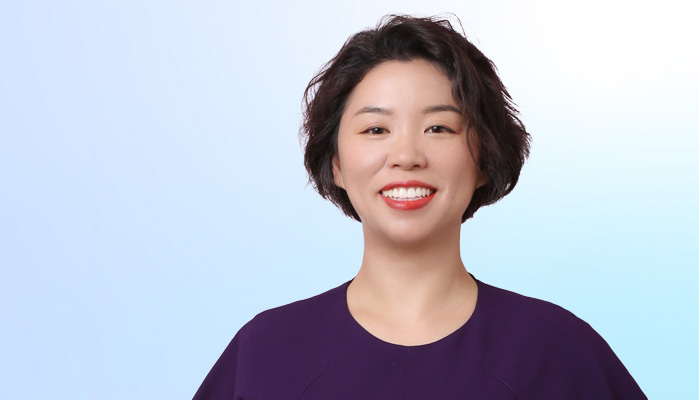
张琨:能描述一下当前中国人口老龄化的严峻形势么?
王燕妮:参照联合国关于老龄化的划分标准,中度老龄化社会的标准为60岁及以上人口的数量占到总人口数量的20%~30%。根据国家统计局的数据,2022年底,我国60岁以上的公民已超过2.8亿,占总人口比重19.8%。从方方面面来看,2023年都有可能成为我国人口老龄化的变局之年。
首先,绝大部分地区人口整体呈现老龄化、少子化的特点,给社会结构和家庭结构带来双重冲击。70后、80后、90后这些通常意义上的“劳动力主体” 成为上下承压的夹心层,既卷不动,又躺不平。
其次,预期寿命延长,老年人口比重增加,有限的社会资源与传统分配方式中的生产-消费、社会福利安排、抚养与被扶养关系不再匹配。年轻人需要的工作机会与向上通路,和老年人需要的稳定保障与话语权之间,冲突矛盾似乎在所难免。
此外,在寿命日益延长的同时人们是否健康、能否自理,对伴随年龄增长而来的身心功能减退乃至失能失智,应该被动应对还是主动预防,关系着我们看待不同年龄段人口是生产力还是照护负担的态度。
随着老年人口比例的提高,需要全面考虑影响健康的各种因素,综合干预。我们迫切需要从医疗技术进步、照护模式改进、产品服务质量提高、组织结构升级等全要素健康社会体系的角度,构建一个为经济发展注入新鲜活力的机制。CXO UNION-CXO联盟(cxounion.cn)
张琨: 作为年轻人,什么样的经历让你选择了老龄照护产业,并一直坚守这份事业?
王燕妮:父亲总说我喜欢替宇宙操心……从小爱跟长辈交流的我,很早就关注到“忘年交”们退休不久后出现的健康问题。目睹他们从曾经的意气风发到衰老后的黯淡无奈,我仿佛看到若干年后,我们这一代成为和他们一样(包括我自己)银发族,不知去何处找回自己的活力,发挥继续被需要的价值。
机缘巧合,我大学毕业后进入当时欣欣向荣的通信行业,在发展势头大好的摩托罗拉(中国)电子有限公司参与移动互联网最早期的研究和解决方案咨询项目。身处信息科技行业前沿,接触到迅速迭代的科技产品和应用,我敏感地发现了对大多数老年朋友们来说犹如天堑的数字鸿沟。
在查阅大量资料之后,我对老龄化、老龄社会的思考也在不断加深。如果说之前注意到长辈们的健康问题是表现的结果,那么他们在离开工作岗位后与日新月异的新技术、新知识、新观念日益脱节,至少是导致其身心健康问题的一部分诱因。CXO UNION-CXO联盟(cxounion.cn)
我对这样的老龄化前景很不满意,希望能改变这一状况,因为我发自内心地认为,每个人都应该有机会充分享受生命赋予我们的好好生活的权利。
我承认,改变老龄化的负面结果这个主题实在是太大、太难了。我想象自己站在苏格拉底的圆圈之外,如果跳进这个圆,试图一点点搞清楚这个问题,那么这个圆也会越来越大,而我即将面对的未知和挑战只会比之前更多。可这样的无限学习和创新的可能,正是老龄问题吸引我的地方。
张琨: 和其他国家相比,我国的老龄照护产业有什么相同之处和差异点?哪些能够借鉴?哪些能够对外输出?
王燕妮:老龄照护是一个非常值得思考的话题。如果按照“黄金圈法则”,我们就要先问“为什么照护”。
如果我们仍然停留在“年轻社会”,即人口年龄结构呈现典型的金字塔形状,年轻人远多于老年人,那么对于年轻人而言,就会因为老年人的增加而焦虑该如何解决他们最后不得不面对的“依赖期”,就像父母曾经照顾幼小的我们那样,反过来照顾好年迈的他们。
然而事实是,在那些比中国更早进入老龄社会的发达国家,随着一代比一代活得更长久,越来越多的人们有机会享受八九十岁甚至百岁以上的人生。因此,人们会更加关注自己延长的到底是哪一段生命——健康自主有品质的那段,还是失能失智少尊严的那段?
在我看来,老龄照护终极的那个“为什么”,不是为了被动等待越来越多的人进入“需要照护”的漫长终点,把大量高龄、多病、失能、失智的老人养起来,而是要从根本上改变对年龄的刻舟求剑,把僵化的年龄歧视转变为对所有人(无论老幼)身心功能的维护与改善。
正如联合国《2021-2030年健康老龄化行动十年规划》中所说的那样——Adding life to years,“给岁月增添生机与活力”。这样的照护,因为肩负着改善和维护人们身心健康的使命,是积极主动的,是以价值为导向的。CXO UNION-CXO联盟(cxounion.cn)
而在这种照护理念下,面对经过压缩的失能失智人群数量和需要照护的终末期时长,我们无论从人力、支付还是其他资源上安排起来也要从容得多。
在政策方面,“健康中国战略”明确提出,要“完善国民健康政策、为人民群众提供全方位全生命周期健康服务”以及“每个人都是自己健康的第一责任人”,这和各国“将健康融入所有政策”的健康促进大方向相一致。卫生健康体系建设坚持的预防为主、倡导健康文明生活方式等内容,与发达国家越来越鼓励国民主动积极保持健康的趋势完全契合。
我国老龄照护产业发展不过十年,“数砖头”(按机构床位数计算服务能力)的做法一直远超过“数人头”(按服务人群数量跟踪服务效果),整体上有着“重资本/资产”、“轻服务”的传统。而在以法国、德国、日本、英国、瑞典、美国、新加坡等为代表的老龄化程度较高的发达国家,高福利也负担不起只重过程不看结果的模式,近年来已经越来越偏重价值导向的医养整合型服务体系。
如果医养结合等顶层设计能够在实践中摆脱思维定势,以人为本构建体系,我国的老龄照护产业不仅可以避开其他国家走过的弯路,对于经过验证的各种模式和工具快速进行本地化,还可能将站在巨人肩膀上实现的创新模式和产品、人才培训和管理体系进行对外输出,形成健康老龄化的中国方案。
张琨:数字化已经成为所有业务的基础能力,青松在利用互联网探索老龄照护方面有哪些探索?
王燕妮:我们正在探索的老龄照护数字化主要涉及四个方面。CXO UNION-CXO联盟(cxounion.cn)
首先是模式算法的智能化。疾病诊疗有路径,老龄健康照护也有。从识别照护干预的重点目标人群,到深入评估其问题和需求,再将经过优先排序的需求和可协调的资源结合起来制定个性化的照护目标,形成包括服务和产品在内的照护方案,以及在提供照护的过程中动态评价效果并进行相应调整,每一步都需要数据和路径来辅助决策。
我们用智能化算法将跨学科的专家意见纳入完整的解决方案,赋能提供照护的一线团队。近日我们在测试使用ChatGPT协助完善这些路径,效果令人称赞,也令人感受到了数字化带来的公平——让优质的医疗和照护资源更加便捷和低成本地惠及更多人。
二是产品服务的数字化。远程医疗、康复、照护科技和物联网的快速发展,都在助力我们获得更加连续、实时的健康监测数据,而越来越易得好用的可穿戴设备、机器人、传感器等产品,也为照护服务数字化提供了丰富的手段。
三是市场营销转向新媒体。互联网、新媒体已经成为照护对象及其家庭照护者、支付决策者所依赖的信息来源,营销组合的数字化、阵地选择必然会越来越快地转移到新媒体上。
第四个方面是资源整合的平台化。小作坊式的服务可以靠人脉、刷脸等传统方式对接合作机构,而要提供大规模的持续照护服务,一个开放、便捷、灵敏的赋能平台本身就意味着对人员、流程、机构的整合能力。
张琨:您认为新进入老龄照护市场的玩家需要构建哪些关键能力?
王燕妮:到2025年,预计我国60岁以上人口将迈过3亿大关,同时人均GDP将达到高收入国家水平。考虑到医疗健康需求在不同收入水平的结构特点,以及过去3年新冠疫情促使人们对健康价值和健康生活的重新思考。 CXO UNION-CXO联盟(cxounion.cn)
我认为,未来两到三年内,老龄照护市场将迎来第一次“小爆发式”增长的机遇。市场需求也一定会吸引越来越多的跨行业跨领域玩家,共同推动产业变革,顺应老龄经济发展的新趋势,创造价值。
对于准备或者刚刚进入老龄照护市场的伙伴们,我可以分享两点思考和三个小建议。
首先是想明白为什么要进入这个行业。明确的内驱力能让人盯准前方的目标,在实践中遇到困难及时调整,持续发展,直到获得成功。如果对老龄领域没有足够的热情,也没有长期的价值和使命驱动,涉足之前还是要三思。
接下来是思考发力方向。身处信息化时代,人口结构、疾病谱在变化,人们对影响健康和长寿质量的因素的认识也在不断提升。
在决定一个人健康水平的各类因素中,不考虑我们无法选择的遗传基因,医疗因素只占20%,其余80%的因素则来自我们所处的环境、生活行为方式以及社会经济方面。未来,老龄照护将在人们构建长寿阶段的健康生活中扮演更加重要的角色。所以现在进入市场,应该把眼光更多地放在那些聚焦健康促进与改善效果的创新产品和服务方面。
另外,要有终身学习的思想准备,抱着学习的态度来打开大门。我的第一个小建议,做足功课。市场需要那些能够独立思考并提出问题的人,他们展现出来的学习能力和学习意愿是立足这个产业所必需的。
第二个建议,重视证据。健康无小事,一切都离不开循证(evidence-based)。哪怕看似简单的问题,也一定要抱着科学、循证、负责的态度。
第三个建议,开阔视野。老龄照护市场里的需求方、供给方、支付方、监管方各有各的诉求和视角,因此我们需要全方位考虑问题,多角度寻求答案。
翻译:
Wang Yanni profile: Qingsong Rehabilitation Nursing Group/Qingsong Health Technology founder and CEO. Expert of the World Health Organization Working Group on Healthy Aging (WHO CCHA). And head of the pilot project of Integrated Health Care (ICOPE) in China. Advisory Member of the International Federation on Ageing (GCOA). Executive Director of the Chinese Society of Gerontology and Geriatrics, and deputy Director of the Nursing and Nursing Branch.
Zhang Kun: Can you describe the current grim situation of China’s aging population?
Wang Yanni: According to the United Nations standard on aging. The standard of moderately aging society is that the number of people aged 60 and above accounts for 20% to 30% of the total population. According to the National Bureau of Statistics, by the end of 2022. China had more than 280 million citizens over the age of 60, accounting for 19.8 percent of the total population. From all aspects, 2023 is likely to become the year of change for China’s aging population.
First of all, the population in most areas presents the characteristics of aging and fewer children, which brings a double impact on the social structure and family structure. The “main body of labor force” in the usual sense of the post-70s, post-80s, and post-90s become the sandwich layer of upper and lower pressure, which is neither rolled nor moved, nor uneven.
Second, life expectancy has increased, the proportion of the elderly population has increased.
And the limited social resources no longer match the traditional distribution of production-consumption, social welfare arrangements, dependency and dependency relations. Conflict seems inevitable between the young’s need for job opportunities and upward mobility. And the old’s need for stability and voice.
In addition, whether people are healthy. And able to take care of themselves at the same time as life expectancy is increasing. And whether they should react passively or actively prevent the physical and mental decline and even disability and dementia that come with age, has a bearing on our attitude toward whether people of different ages are productive or a care burden.CXO UNION-CXO联盟(cxounion.cn)
With the increase of the proportion of elderly population, it is necessary to comprehensively consider various factors affecting health and comprehensive intervention. We urgently need to build a mechanism to inject fresh vitality into economic development from the perspective of the all-factor health social system such as medical technology progress, care model improvement, product and service quality improvement, and organizational structure upgrading.
Zhang Kun: As a young person, what experience made you choose the aging care industry and stick to this career?
Wang Yanni: Father always said I like to worry about the universe… Since childhood, I have loved to communicate with elders. And I have been concerned about the health problems of “forget-of-age friends” soon after they retire. Witnessing them from the once spirited to the bleak helplessness after aging, I seem to see that after a few years, our generation has become the same as them (including myself). And I do not know where to find their vitality and play the value of continuing to be needed.CXO UNION-CXO联盟(cxounion.cn)
By chance, after graduating from university, I entered the booming communication industry at that time, and participated in the earliest research and solution consulting project of mobile Internet in MOTOROLA (China) Electronics Co., LTD., which was enjoying great development momentum. Being at the forefront of the information technology industry, exposed to rapidly evolving technology products and applications, I am sensitive to the digital divide that seems like a natural chasm to most of my older friends.
After consulting a lot of information, my thinking about aging and aging society is also deepening.
If attention to older people’s health problems is a result of performance, then their increasing disconnection from the rapid pace of new technology, knowledge and ideas after leaving the workplace is at least partly to blame for their physical and mental health problems.
I am not happy with this aging outlook and want to change it, because I believe from the bottom of my heart that everyone should have the opportunity to fully enjoy the right to a good life that life has given us.CXO UNION-CXO联盟(cxounion.cn)
I admit that the subject of changing the negative outcomes of aging is simply too big and too difficult. I imagine myself standing outside the circle of Socrates, and if I jump into this circle and try to understand this problem bit by bit, then the circle will become bigger and bigger, and the unknown and challenges I will face will only be more than before. But the possibility of infinite learning and innovation is what appeals to me about aging.
Zhang Kun: Compared with other countries, what are the similarities and differences in China’s aging care industry? What can we learn from? What can be exported?
Wang Yanni: Elderly care is a topic worth thinking about. If we follow the “Golden Circle rule”, we must first ask “why care”.
If we remain stuck in a “young society” where the age structure of the population is typically pyramid-shaped, with many more young people than old people, then the young will worry about how to deal with the “period of dependency” they will eventually have to face because of the increase in the number of old people, just as their parents took care of us when we were young, and in turn take care of them when they are old.
However, the fact is that in those developed countries that entered the aging society earlier than China, as each generation lives longer than the next, more and more people have the opportunity to enjoy their 80s, 90s and even more than 100 years of life. Therefore, people will pay more attention to which period of life they are prolonging – the period of healthy autonomy and quality, or the period of disability and dementia with little dignity?CXO UNION-CXO联盟(cxounion.cn)
In my opinion, the ultimate “why” of aging care is not to passively wait for more and more people to enter the long end of “need care”, and to raise a large number of elderly, sickly, disabled, and mentally retarded elderly people, but to fundamentally change the struggle for age, and transform rigid age discrimination into the maintenance and improvement of physical and mental functions of all people (regardless of old and young).
As the UN’s “Decade of Action for Healthy Ageing 2021-2030” puts it, “Adding life to years” is “adding life to years”.
Such care, because of its mission to improve and maintain people’s physical and mental health, is proactive and value-oriented.Under this concept of care, we are much more relaxed in terms of manpower, payment and other resources in the face of the compressed number of people with disabilities and dementia and the length of the end-stage care.
In terms of policies, the “Healthy China Strategy” clearly states that it is necessary to “improve the national health policy, provide comprehensive life cycle health services for the people” and “everyone is the first responsible person for their own health”, which is consistent with the general direction of health promotion of countries “integrating health into all policies”. CXO UNION-CXO联盟(cxounion.cn)
The construction of the health system insists on prevention first and advocates a healthy and civilized lifestyle, which is fully in line with the trend of developed countries to encourage their citizens to take the initiative to stay healthy.
The development of China’s aging care industry has not been ten years.
And the practice of “counting bricks” (calculating the service capacity by the number of institutional beds) has been far more than “counting heads” (tracking the service effect by the number of people serving), and there is a tradition of “heavy capital/assets” and “light service” on the whole.
In developed countries with a high degree of aging represented by France, Germany, Japan, the United Kingdom, Sweden, the United States, Singapore, etc.. The high welfare can not afford the model of only focusing on the process without looking at the result, and in recent years, more and more emphasis has been placed on the value-oriented integrated medical and nursing service system.
If the top-level design such as the combination of medical and nursing care can get rid of the thinking set in practice and build a people-oriented system, China’s aging care industry can not only avoid the detour that other countries have gone through, but also quickly localize various proven models and tools, and may export innovative models and products, talent training and management systems that stand on the shoulders of giants. Forming a Chinese plan for healthy aging.CXO UNION-CXO联盟(cxounion.cn)
Zhang Kun: Digitalization has become the basic ability of all businesses. What exploration does Qingsong have in using the Internet to explore elderly care?
Wang Yanni: The digitalization of aging care that we are exploring mainly involves four aspects.
The first is the intelligence of pattern algorithm. There are pathways for disease diagnosis and treatment, and there are also pathways for aging health care. Data and pathways are needed to support decision making at every step, from identifying key target populations for care interventions, to in-depth assessment of their problems and needs, to combining prioritized needs and coordinated resources to personalize care goals, to shape care solutions that include services and products, and to dynamically evaluate outcomes and adjust accordingly as care is delivered.
We use intelligent algorithms to incorporate interdisciplinary expert advice into complete solutions that empower the front-line teams providing care. Recently, we have been testing the use of ChatGPT to help improve these pathways, with impressive results and a sense of the equity that digital brings – making quality medical and care resources more accessible and affordable to more people.
The second is the digitization of products and services. The rapid development of telemedicine, rehabilitation.
Care technology and the Internet of Things are helping us to obtain more continuous and real-time health monitoring data, and increasingly easy to use wearable devices, robots, sensors and other products also provide a rich means for the digitization of care services.
Third, marketing shifts to new media. The Internet and new media have become the information sources that care objects and their family caregivers and payment decision makers rely on, and the digitalization and position choice of marketing mix will inevitably shift to new media more and more quickly.CXO UNION-CXO联盟(cxounion.cn)
The fourth aspect is the platformization of resource integration. Small worker-style services can rely on traditional ways such as networking, facial brushing and other docking cooperation institutions, and to provide large-scale continuous care services, an open, convenient and sensitive enabling platform itself means the integration of personnel, processes and institutions.
Zhang Kun: What key capabilities do you think new players entering the aging care market need to build?
Wang Yanni: By 2025, it is expected that China’s population over the age of 60 will cross the 300 million mark, and its per capita GDP will reach the level of high-income countries. Considering the structural characteristics of healthcare needs at different income levels, and the fact that the COVID-19 pandemic has prompted people to rethink the value of health and healthy living in the past three years.
I believe that in the next two to three years, the elderly care market will usher in the first “small explosive” growth opportunity. Market demand will also attract more and more cross-industry and cross-field players, jointly promote industrial change, comply with the new trend of the development of the aging economy, and create value.
For those who are ready or just entering the aging care market, I would like to share two thoughts and three tips.
The first is to figure out why you want to get into the business. A clear drive allows people to keep their eyes on the goal ahead, adjust in time when they encounter difficulties in practice, and continue to develop until they achieve success. If you are not passionate enough about the field of aging, and there is no long-term value and mission drive, you should think twice before entering.
The next step is to think about the direction of force. In the information age, demographics and disease spectrum are changing, and people’s understanding of the factors that affect the quality of health and longevity is also increasing.
Of the various factors that determine a person’s level of health, not taking into account our genetics, which we cannot choose, medical factors account for only 20%, and the other 80% of the factors come from our environment, lifestyle and socio-economic aspects. In the future, aging care will play a more important role in building a healthy life during the longevity stage. So now entering the market, we should focus more on innovative products and services that focus on health promotion and improvement.
In addition, we should be prepared for lifelong learning and open the door with a learning attitude.
My first piece of advice — do your homework. The market needs people who are able to think independently and ask questions, and who have shown the ability and willingness to learn that are necessary to survive in this industry.
Second, pay attention to evidence. There is no small matter in health, and everything is inseparable from evidence-based. Even if it seems to be a simple problem, we must hold a scientific, evidence-based and responsible attitude.CXO UNION-CXO联盟(cxounion.cn)
The third tip is to broaden your horizons. In the elderly care market, the demand side, the supply side, the payer and the regulator have their own demands and perspectives, so we need to consider the problem in an all-round way and seek answers from multiple angles.
本文由CXO UNION-CXO联盟(cxounion.cn)转载而成,来源于CEO訪談网;编辑/翻译:CXO UNIONCXO联盟小U。
如需加入CXO UNION(CXO联盟)高管社群,请联系社群小伙伴哦~

免责声明: 本网站(http://www.cxounion.cn/)内容主要来自原创、合作媒体供稿和第三方投稿,凡在本网站出现的信息,均仅供参考。本网站将尽力确保所提供信息的准确性及可靠性,但不保证有关资料的准确性及可靠性,读者在使用前请进一步核实,并对任何自主决定的行为负责。本网站对有关资料所引致的错误、不确或遗漏,概不负任何法律责任。
本网站刊载的所有内容(包括但不仅限文字、图片、LOGO、音频、视频、软件、程序等) 版权归原作者所有。任何单位或个人认为本网站中的内容可能涉嫌侵犯其知识产权或存在不实内容时,请及时通知本站,予以删除。
如需加入CXO UNION(CXO联盟)高管社群,请联系社群小伙伴哦~

免责声明: 本网站(http://www.cxounion.cn/)内容主要来自原创、合作媒体供稿和第三方投稿,凡在本网站出现的信息,均仅供参考。本网站将尽力确保所提供信息的准确性及可靠性,但不保证有关资料的准确性及可靠性,读者在使用前请进一步核实,并对任何自主决定的行为负责。本网站对有关资料所引致的错误、不确或遗漏,概不负任何法律责任。
本网站刊载的所有内容(包括但不仅限文字、图片、LOGO、音频、视频、软件、程序等) 版权归原作者所有。任何单位或个人认为本网站中的内容可能涉嫌侵犯其知识产权或存在不实内容时,请及时通知本站,予以删除。
Search
Popular Posts
-

2024数字化灯塔案例评选申报开启!
“2024数字化灯塔案例评选”于3月正式启动,诚挚欢迎业界同仁自荐和推荐,一起推动产业数字化进程,助力赋能企业…
-

2024 X-Award星盘奖申报通道已开启!
X-Award星盘奖是数字化转型服务、IT服务行业重要的商业奖项,旨在表彰行业里提供杰出数字化转型服务与IT服…
-

2024 N-Award星云奖申报通道已开启!
N-Award是数字化转型领域重要的商业奖项,旨在表彰那些以非凡的远见、超群的领导才能和卓越的成就来激励他人的…